 نمط lbb
- Ideal Health , Fitness and Sports
- December 28, 2025
- 99 views
 نمط lbb
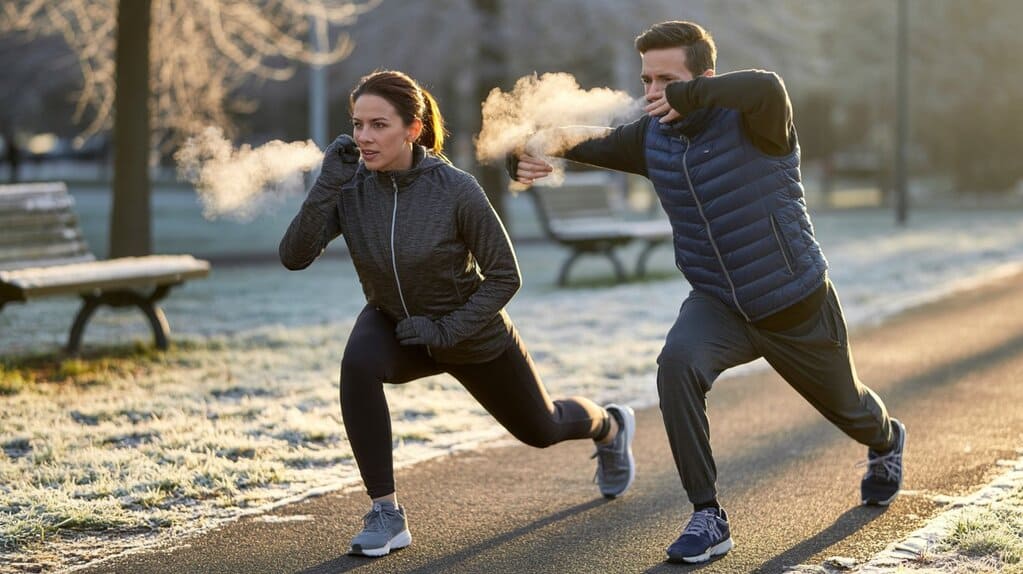
The Importance of Warming Up and Stretching in Cold Weather and Their Impact on Joint Health
Introduction In colder climates, especially during winter months or chilly mornings, our bodies undergo physiological changes that make physical activity more challenging and riskier. Cold weather causes muscles to tighten and joints to become stiffer, which can increase the risk of strains, sprains, and chronic joint discomfort if proper preparation…

- نمط lbb
- Fitness and Sports
- December 20, 2025
- 68 views
Short and Highly Effective Exercises for Very Cold Days
Introduction Staying physically active during cold weather is essential for maintaining health, boosting immunity, improving mood, and preventing the decline in physical fitness that often comes with winter’s short days and low temperatures. Cold environments can discourage many people from exercising, leading to increased sedentary behavior, weight gain, and weakened…

- نمط lbb
- Fitness and Sports
- November 20, 2025
- 60 views
How Regular Exercise Helps Improve Mood and Combat Winter Blues
Introduction Winter brings cozy sweaters, shorter days, and — for many people — a drop in mood known as the winter blues or, in more severe cases, seasonal affective disorder (SAD). Fortunately, one of the most accessible and effective tools to counter these mood shifts is regular exercise. Exercise is…

- نمط lbb
- Fitness and Sports
- November 19, 2025
- 66 views
Self-Motivation Techniques for Continuing to Exercise During Winter
Introduction Winter brings cozy nights, shorter daylight, and an understandable dip in motivation for many people. Yet maintaining regular physical activity during the cold months is one of the best investments you can make for physical and mental health. This article outlines practical, research-backed self-motivation techniques to keep you exercising…
- نمط lbb
- Fitness and Sports
- November 16, 2025
- 88 views
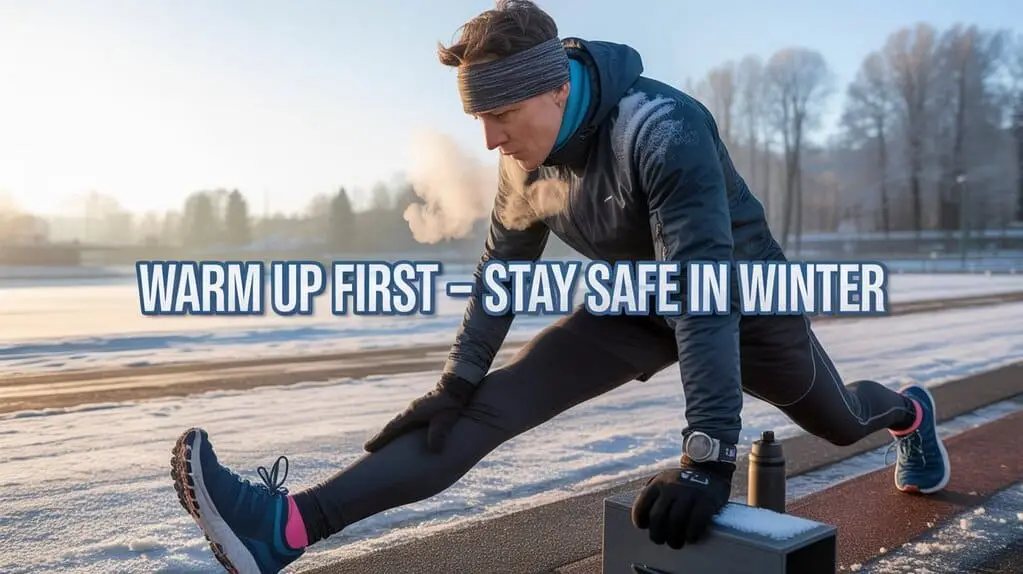
The Importance of Proper Warm-Up Before Exercising in Cold Weather to Avoid Injuries
Introduction Exercising outdoors during cold months can be invigorating and beneficial for cardiovascular health and mental well-being. However, low temperatures create unique physiological challenges: muscles, tendons, and joints become stiffer, reaction times slow, and the risk of strains, sprains, and cold-related injuries rises. A well-designed warm-up tailored for cold weather…

- نمط lbb
- Fitness and Sports
- November 13, 2025
- 135 views
How to Adjust Your Exercise Schedule as Temperatures Drop in Winter
Introduction As temperatures drop and winter weather arrives, many people find it harder to maintain a consistent exercise routine. Shorter daylight hours, colder air, icy sidewalks, and the mental drag of bundling up can all reduce motivation and increase risk. But winter doesn’t have to mean hibernation. With thoughtful planning,…
- نمط lbb
- Directions and Instructions , Ideal Health
- September 30, 2025
- 88 views
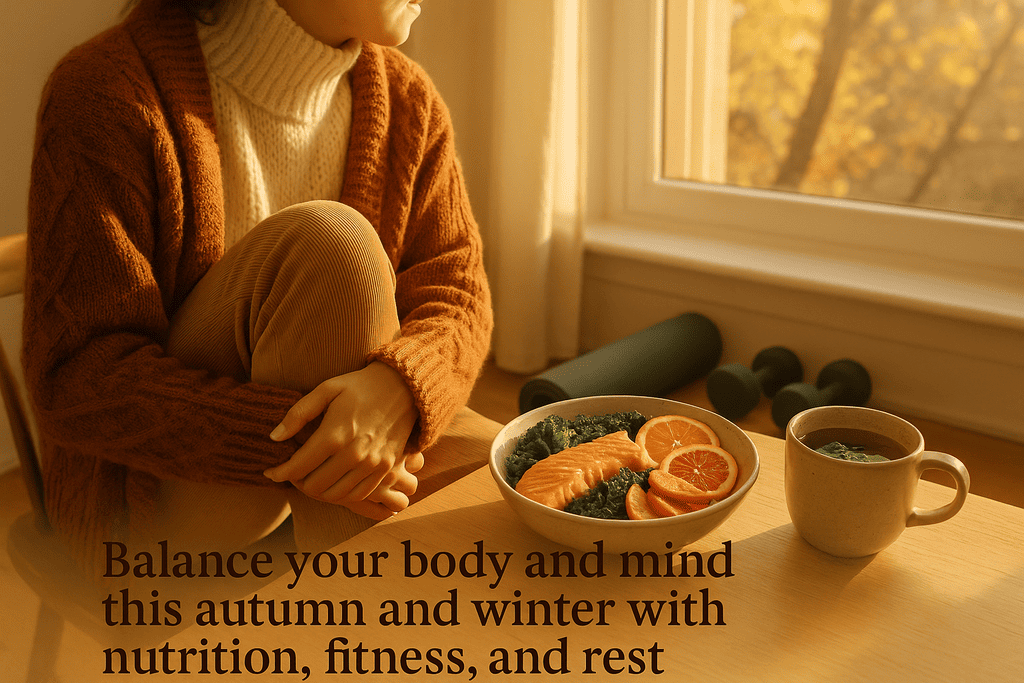
Optimal Health Between Autumn and Winter : Balancing Nutrition, Exercise, Fitness, and Rest
Introduction The transition from autumn to winter is a time of shifting daylight, cooling temperatures, and changing routines. For many people this season brings a higher risk of respiratory infections, lower mood, and reduced outdoor activity. With simple, evidence-based adjustments in seasonal nutrition, exercise routines, sleep hygiene, and rest and…