
 Bbihi L
Seasonal weather changes can affect your immune system, energy levels, sleep quality, mood, and overall health. Whether you’re transitioning from summer to autumn, winter to spring, or any other seasonal shift, adopting healthy daily habits can help your body adjust more comfortably.
This evidence-based guide explains how to build a healthy routine for seasonal weather changes using practical lifestyle strategies supported by current scientific research.
Quick Facts
| Topic | Key Information |
|---|---|
| Best Sleep Duration | 7–9 hours per night |
| Hydration | Drink water consistently throughout every season |
| Exercise Goal | 150 minutes of moderate activity weekly |
| Essential Nutrients | Vitamin C, Vitamin D, Zinc, Omega-3 fatty acids |
| Adaptation Period | Most people adjust within 1–3 weeks |
Why Seasonal Weather Changes Affect Your Body
Your body constantly adapts to environmental changes. Variations in temperature, humidity, daylight hours, and air quality influence several biological systems, including :
- Circadian rhythm
- Immune function
- Hormone production (melatonin and serotonin)
- Energy metabolism
- Skin health
- Respiratory function
Research suggests that shorter daylight hours may disrupt sleep patterns, while colder temperatures can increase the risk of respiratory infections. Hot weather, meanwhile, raises hydration needs and may reduce sleep quality.
Core Elements of a Healthy Routine for Seasonal Weather Changes
1. Eat a Balanced, Seasonal Diet
Nutrition is one of the most effective ways to support your body’s natural adaptation.
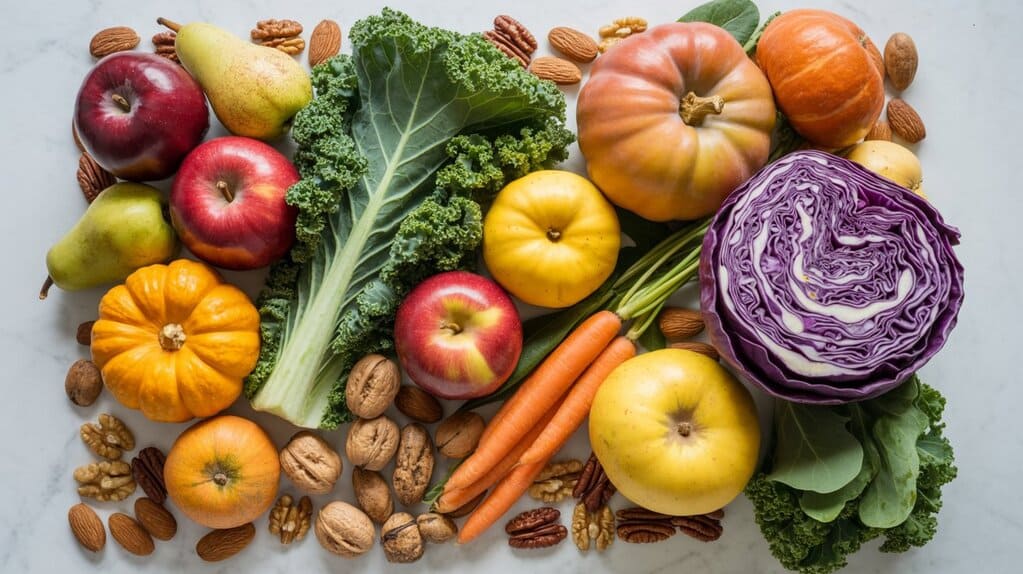
Focus on nutrient-dense seasonal foods that provide essential vitamins and minerals.
Include Foods Rich In :
- Vitamin C: oranges, strawberries, kiwi, bell peppers
- Vitamin D: salmon, sardines, fortified dairy products, eggs
- Zinc: pumpkin seeds, beans, lentils, nuts
- Omega-3 fatty acids: salmon, walnuts, flaxseeds
- Fiber: fruits, vegetables, legumes, and whole grains
Seasonal Nutrition Tips
- Eat warming soups and whole grains during colder months.
- Increase fresh fruits and vegetables during warmer seasons.
- Adjust calorie intake according to your activity level.
- Limit highly processed foods and sugary beverages.
2. Maintain a Consistent Sleep Schedule
Sleep is essential for immune function, hormone regulation, and mental well-being.
Aim to :
- Sleep 7–9 hours each night.
- Go to bed and wake up at the same time daily.
- Reduce screen exposure 30–60 minutes before bedtime.
- Keep your bedroom cool, dark, and quiet.
Maintaining a consistent sleep schedule helps regulate your circadian rhythm throughout seasonal transitions.
3. Stay Physically Active
Regular exercise supports cardiovascular health, strengthens immunity, and improves mood.
Recommended Activities
- Walking
- Cycling
- Yoga
- Strength training
- Swimming (during warm seasons)
If weather conditions are extreme, choose indoor workouts to remain active safely.
Aim for at least 150 minutes of moderate exercise every week, following widely accepted physical activity recommendations.
4. Stay Hydrated and Protect Your Skin
Hydration needs change throughout the year.
During Hot Weather
- Increase water intake.
- Replace electrolytes after prolonged exercise.
- Wear breathable clothing.
During Cold Weather
- Drink water regularly, even if you feel less thirsty.
- Apply moisturizer to prevent dry skin.
- Use lip balm to protect against cracking.
- Continue wearing sunscreen, as UV rays remain present year-round.
5. Prioritize Mental Well-Being
Seasonal transitions can influence mood and stress levels.
Healthy habits include :
- Practicing mindfulness or meditation
- Spending time outdoors during daylight
- Maintaining social connections
- Keeping a regular daily routine
- Seeking professional support if persistent low mood develops
Individuals who experience symptoms of seasonal depression should consult a qualified healthcare professional.
Sample Daily Routine for Seasonal Adaptation

| Time | Activity | Benefit |
|---|---|---|
| Morning | Sunlight exposure and gentle stretching | Supports circadian rhythm |
| Breakfast | Balanced meal rich in protein and fiber | Sustains energy |
| Midday | Hydration and nutritious lunch | Maintains metabolism |
| Afternoon | Physical activity | Improves cardiovascular health |
| Evening | Light dinner and relaxation | Supports digestion |
| Night | Consistent bedtime | Enhances recovery and sleep quality |
Seasonal Health Comparison
| Winter | Summer |
|---|---|
| Increase Vitamin D intake | Increase hydration |
| Moisturize skin daily | Protect against heat and sun |
| Dress in warm layers | Wear lightweight clothing |
| Exercise indoors when necessary | Exercise during cooler hours |
| Watch for respiratory illnesses | Prevent dehydration and heat exhaustion |
Scientific Evidence
Research continues to demonstrate that healthy lifestyle habits improve the body’s ability to adapt to seasonal changes.
Recent findings include:
- Seasonal changes influence circadian rhythms and sleep quality.
- Vitamin D levels often decline during winter, potentially affecting immune health.
- Regular physical activity improves cardiovascular health and mood throughout the year.
- Seasonal dietary patterns may positively influence metabolism and overall health.
- Consistent sleep schedules improve resilience during environmental changes.
Although current evidence is encouraging, researchers continue studying long-term adaptation across different climates and populations.
Pro Tip
Prepare for the next season before it arrives. Begin adjusting your sleep schedule, hydration, wardrobe, and diet one to two weeks before major seasonal changes. Small, gradual adjustments are often easier for your body than sudden lifestyle changes.
Top Search Results
People commonly search for :
- Healthy routine for seasonal weather changes
- How to boost immunity naturally
- Best foods during seasonal transitions
- Seasonal wellness tips
- How to improve sleep during weather changes
- Healthy daily habits for every season
- Seasonal self-care routine
Key Results
- Seasonal weather changes influence immunity, sleep, mood, and energy.
- Balanced nutrition supports healthy adaptation.
- Regular exercise improves physical and mental well-being.
- Consistent sleep strengthens circadian rhythm.
- Hydration and skincare requirements change with the seasons.
- Mental health deserves equal attention during seasonal transitions.
- Small, consistent lifestyle habits produce lasting health benefits.
Frequently Asked Questions (FAQ)
1. Why should I adapt my routine to seasonal weather changes?
Seasonal changes affect your body’s biological rhythms, immune function, sleep, and mood. Adapting your routine helps maintain overall health and well-being.
2. How long does it take to adjust to a new season?
Most people adapt within one to three weeks, although the adjustment period varies based on age, lifestyle, and environmental conditions.
3. Which nutrients are most important during seasonal transitions?
Key nutrients include Vitamin C, Vitamin D, Zinc, Omega-3 fatty acids, and dietary fiber.
4. Does regular exercise improve seasonal adaptation?
Yes. Consistent physical activity supports immune health, cardiovascular fitness, mood, and energy throughout the year.
5. How can I sleep better when the seasons change?
Maintain a consistent bedtime, reduce evening screen exposure, get natural daylight each morning, and keep your bedroom cool and dark.
Conclusion
Building a healthy routine for seasonal weather changes is one of the most effective ways to support long-term health. A balanced diet, regular exercise, quality sleep, proper hydration, skincare, and stress management help your body adapt naturally as the seasons change.
Rather than making drastic changes, focus on developing sustainable daily habits that you can maintain year-round. Small improvements practiced consistently can lead to better immunity, greater energy, improved sleep, and enhanced overall well-being.
Start today by choosing one healthy habit to improve this week. Over time, these simple actions can make every season healthier and more enjoyable.
Health Disclaimer
This article is intended for educational purposes only and should not replace professional medical advice, diagnosis, or treatment. If you have persistent health concerns or symptoms related to seasonal changes, consult a qualified healthcare professional.