 Bbihi L
Healthy nutrition is the foundation of a child’s growth, brain development, immune system, and overall well-being. In today’s fast-paced world, children are increasingly exposed to processed foods, sugary snacks, and unhealthy eating habits. Providing a balanced diet from an early age helps children develop physically, mentally, and emotionally while reducing the risk of chronic diseases later in life.
This comprehensive guide explains the essential nutrients children need, the benefits of healthy eating, practical nutrition tips, common mistakes to avoid, and answers to frequently asked questions.
Quick Facts
- Best for: Children of all ages
- Primary Goal: Support healthy growth and development
- Key Nutrients: Protein, healthy fats, carbohydrates, vitamins, minerals, and fiber
- Major Benefits: Stronger immunity, improved brain function, healthy bones, and better energy levels
- Long-Term Impact: Reduced risk of obesity, type 2 diabetes, and heart disease
Why Healthy Nutrition for Children Matters
A balanced diet supports every stage of childhood development. Proper nutrition helps children reach their full physical and cognitive potential while strengthening their immune system.
Key Benefits of Healthy Nutrition
- Supports healthy physical growth
- Strengthens the immune system
- Improves concentration and memory
- Promotes healthy brain development
- Builds strong bones and muscles
- Maintains a healthy body weight
- Supports emotional well-being and mood
Children who consistently eat nutritious foods are more likely to perform better academically and develop healthy eating habits that continue into adulthood.
Essential Nutrients Every Child Needs
Children require a variety of nutrients to support healthy development.
1. Protein
Protein is essential for building muscles, repairing tissues, and supporting healthy growth.
Healthy Protein Sources
- Eggs
- Chicken
- Turkey
- Fish
- Lean beef
- Beans
- Lentils
- Yogurt
- Cheese
- Milk
2. Healthy Fats
Healthy fats, especially Omega-3 fatty acids, play an important role in brain development and nervous system function.
Healthy Fat Sources
- Salmon
- Sardines
- Walnuts
- Chia seeds
- Flaxseeds
- Avocados
- Olive oil
3. Healthy Carbohydrates
Carbohydrates provide the energy children need for learning, playing, and physical activity.
Choose:
- Whole-grain bread
- Brown rice
- Oats
- Sweet potatoes
- Whole-wheat pasta
Limit foods high in added sugars and refined carbohydrates.
4. Vitamins and Minerals
Essential vitamins and minerals help support healthy growth and body functions.
| Nutrient | Benefits | Food Sources |
|---|---|---|
| Calcium | Strong bones and teeth | Milk, yogurt, cheese |
| Vitamin D | Calcium absorption and bone health | Fortified dairy products, eggs, sunlight |
| Iron | Healthy blood and brain development | Lean meat, beans, spinach |
| Zinc | Immune function and growth | Meat, seafood, dairy, beans |
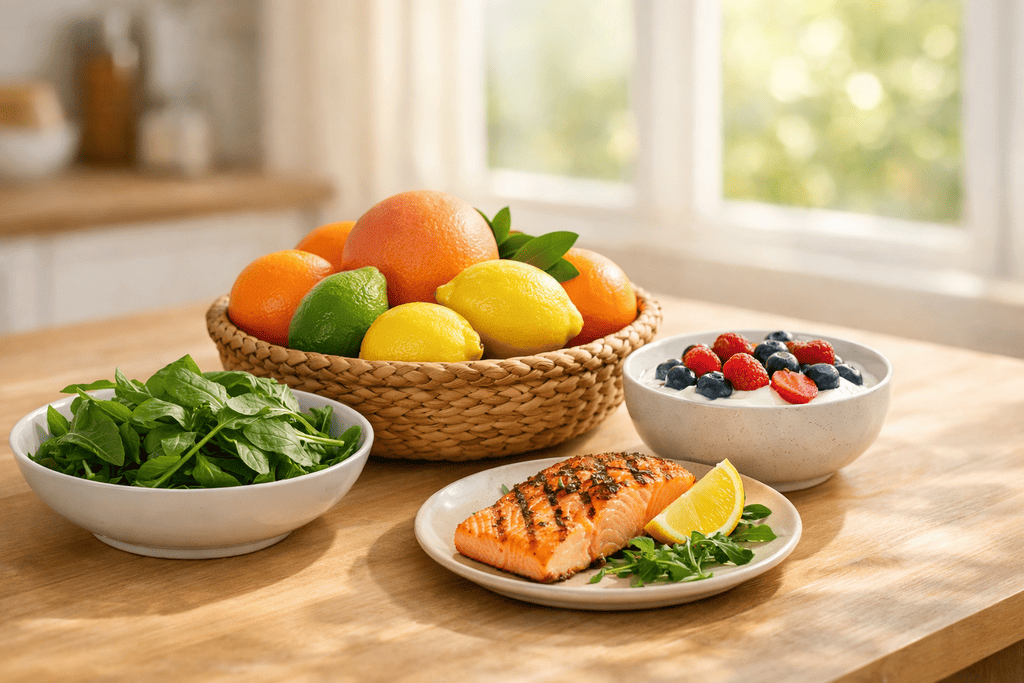
| Vitamin C | Supports immunity | Citrus fruits, strawberries, bell peppers |
5. Fiber
Fiber promotes healthy digestion and helps children maintain a healthy weight.
Good sources include :
- Apples
- Pears
- Berries
- Broccoli
- Carrots
- Oatmeal
- Whole grains
- Beans
How Nutrition Supports Brain Development
A child’s brain grows rapidly during infancy and early childhood. Nutrients such as Omega-3 fatty acids, iron, iodine, choline, and vitamin B12 contribute to healthy brain function.
Proper nutrition may help improve :
- Memory
- Learning ability
- Attention span
- Problem-solving skills
- Academic performance
A balanced diet also helps maintain stable energy levels, allowing children to focus better throughout the day.
Healthy Eating Tips for Children
Helping children develop healthy eating habits doesn’t have to be difficult.
Encourage These Habits
- Serve colorful fruits and vegetables every day.
- Offer healthy snacks instead of sugary treats.
- Include protein with every meal.
- Choose whole grains whenever possible.
- Encourage children to drink plenty of water.
- Eat meals together as a family.
- Introduce new foods gradually.
- Practice appropriate portion sizes.
- Limit sugary drinks and highly processed foods.
Common Nutrition Mistakes Parents Should Avoid
Avoid these common habits that may negatively affect a child’s nutrition :
- Using food as a reward or punishment
- Forcing children to eat when they are not hungry
- Skipping breakfast
- Offering excessive sugary beverages
- Allowing frequent fast-food meals
- Relying heavily on ultra-processed snacks
Instead, create a positive eating environment where children can learn to recognize their own hunger and fullness cues.
Healthy Foods vs. Less Healthy Choices
| Choose More Often | Limit |
|---|---|
| Fresh fruits | Candy |
| Vegetables | Sugary drinks |
| Whole grains | White bread and pastries |
| Lean proteins | Processed meats |
| Nuts and seeds (age-appropriate) | Potato chips |
| Plain yogurt | Sweetened desserts |
Pro Tip
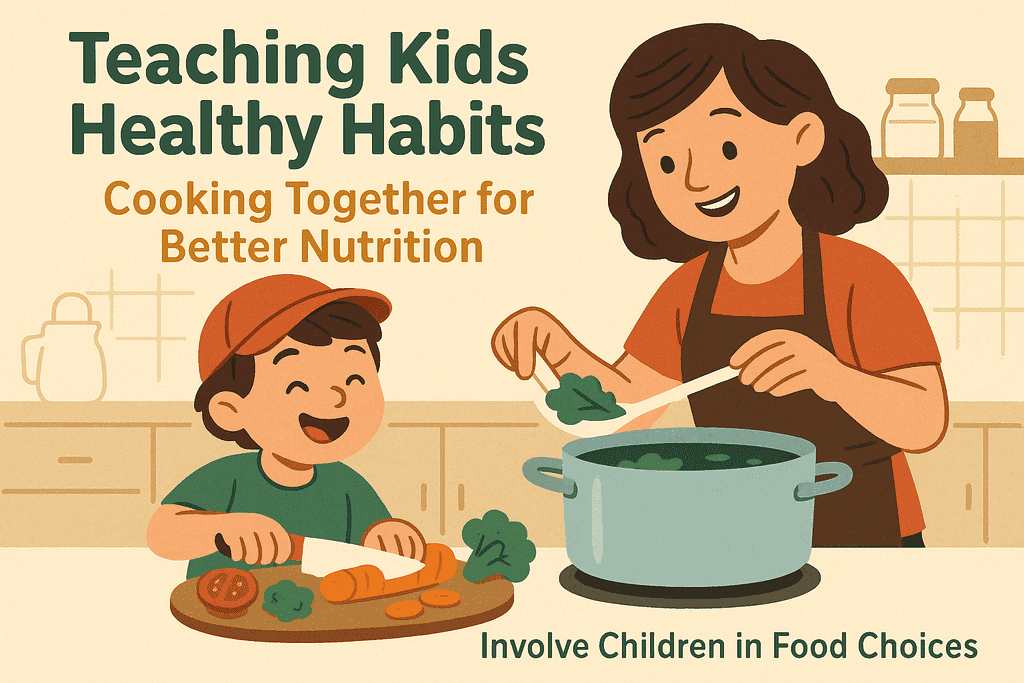
Children are more likely to try healthy foods when they see parents eating them regularly. Modeling healthy eating habits is one of the most effective ways to encourage lifelong nutrition habits.
Childhood Obesity : Why Healthy Eating Matters
Childhood obesity has become a significant global health concern. Diets high in added sugars, unhealthy fats, and ultra-processed foods increase the risk of excess weight gain and related health conditions.
Healthy eating combined with regular physical activity can help reduce the risk of :
- Childhood obesity
- Type 2 diabetes
- High blood pressure
- High cholesterol
- Heart disease later in life
Encouraging active play and limiting screen time also contribute to maintaining a healthy weight.
Top Search Results
People frequently search for :
- Best healthy foods for children
- Essential nutrients for kids
- Healthy meal ideas for children
- Foods that support brain development
- Balanced diet for school-age children
- Healthy snacks for kids
- How to improve children’s eating habits
Frequently Asked Questions
What is the healthiest diet for children?
A healthy diet includes a variety of fruits, vegetables, whole grains, lean proteins, healthy fats, and low-fat dairy while limiting added sugars and highly processed foods.
Which nutrient is most important for child growth?
No single nutrient is most important. Children need a balanced combination of protein, calcium, iron, healthy fats, vitamins, minerals, and fiber for optimal growth and development.
How much water should children drink?
Water needs vary by age, activity level, and climate. Encourage children to drink water regularly throughout the day and prioritize it over sugary beverages.
Should children avoid all fats?
No. Healthy fats are essential for brain development and overall growth. Focus on unsaturated fats from foods such as fish, nuts, seeds, avocados, and olive oil.
Is breakfast important?
Yes. Eating a nutritious breakfast can improve concentration, energy levels, and school performance while helping children meet their daily nutrient requirements.
Key Takeaways
- Healthy nutrition supports growth, learning, and emotional well-being.
- A balanced diet should include protein, healthy fats, whole grains, fruits, vegetables, and dairy or suitable alternatives.
- Parents play a vital role by modeling healthy eating behaviors.
- Limiting processed foods and sugary drinks helps reduce the risk of childhood obesity.
- Healthy habits established during childhood often last a lifetime.
Conclusion
Healthy nutrition for children is one of the greatest investments parents can make in their child’s future. A balanced diet provides the nutrients needed for healthy growth, strong bones, brain development, and a resilient immune system. By offering nutritious meals, encouraging positive eating habits, and creating a supportive food environment, families can help children thrive throughout every stage of life.
Start today by making one healthy change at each meal. Small, consistent improvements can lead to lifelong benefits for your child’s health and well-being.
Medical Disclaimer
This article is intended for informational and educational purposes only and should not be considered medical advice. Nutritional needs vary by age, health status, and individual circumstances. Always consult a qualified pediatrician or registered dietitian before making significant changes to your child’s diet or nutrition plan.