 Bbihi L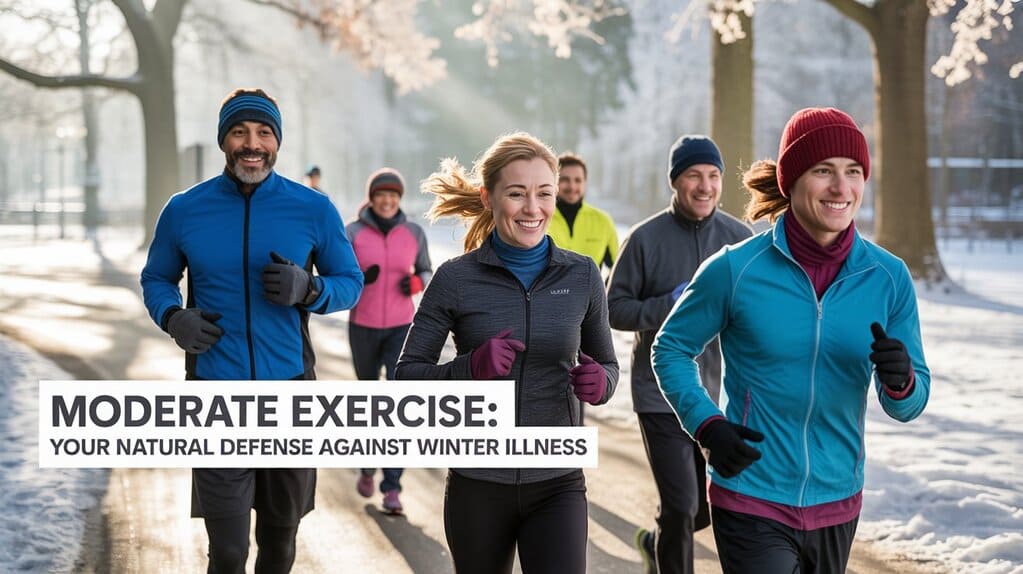
🏃♂️ Introduction : Why Winter Is the Perfect Time to Strengthen Your Immunity
As temperatures drop and winter arrives, our bodies face new challenges. Cold weather, reduced sunlight exposure, indoor gatherings, and the seasonal spread of respiratory viruses can place additional pressure on our natural defenses.
Many people search for quick solutions to protect their health during winter, including supplements and immune-boosting products. However, scientific evidence continues to highlight a simple, accessible, and affordable strategy: regular moderate physical activity.
Exercise is often associated with stronger muscles, improved fitness, and better heart health. Yet its impact goes much deeper. Research in exercise immunology shows that consistent moderate movement can support the immune system by improving the circulation of immune cells, regulating inflammation, and helping the body maintain a balanced defense response.
Unlike extreme training, which may temporarily stress the body when performed excessively, moderate exercise creates a beneficial environment where the immune system can function efficiently.
From a simple daily walk in the fresh air to cycling, dancing, swimming, or home workouts, movement can become one of the most powerful tools for maintaining winter wellness and immune resilience.
⭐ Quick Facts : Exercise and Immunity
✔️ 30 minutes of moderate activity most days of the week can support overall health and immune function.
✔️ Regular exercise improves blood circulation, allowing immune cells to move more efficiently throughout the body.
✔️ Moderate physical activity helps regulate inflammation, an important factor in maintaining immune balance.
✔️ Too little activity may weaken overall health, while excessive intense training without recovery may temporarily increase vulnerability to illness.
✔️ A healthy immune system depends on multiple factors, including exercise, nutrition, sleep quality, stress management, and hygiene habits.
🧠 How the Immune System Protects Your Body
The immune system is a complex network designed to defend the body against harmful organisms such as viruses, bacteria, and fungi. It works continuously to identify threats and coordinate protective responses.
It is mainly divided into two interconnected systems :
1. 🛡️ Innate Immunity : The First Line of Defense
Innate immunity is the body’s immediate response system. It includes :
- Natural Killer (NK) cells, which help destroy infected or abnormal cells.
- Neutrophils, white blood cells that quickly respond to invading microorganisms.
- Physical barriers such as the skin and mucous membranes.
This defense system acts quickly, providing the first protection before the body develops a more targeted response.
2. 🧬 Adaptive Immunity : The Memory System
Adaptive immunity provides specialized protection through :
- B cells, which produce antibodies.
- T cells, which identify and destroy infected cells.
One of the remarkable features of adaptive immunity is its ability to remember previous threats, allowing faster responses when the same pathogen appears again.
🏃♀️ How Moderate Exercise Supports Immune Function
Scientific studies suggest that moderate physical activity improves immune surveillance, meaning immune cells become better positioned to detect and respond to potential threats.
When you exercise moderately, several positive changes occur :
✅ Increased Immune Cell Circulation
Physical activity temporarily increases the movement of immune cells through the bloodstream. This allows important defense cells, including natural killer cells and lymphocytes, to travel more efficiently throughout the body.
✅ Better Inflammatory Balance
Chronic inflammation can negatively affect health over time. Regular moderate exercise helps regulate inflammatory processes by supporting a healthier balance between inflammatory and anti-inflammatory signals.
✅ Improved Response to Vaccination
Research suggests that regular physical activity may improve the body’s response to some vaccines by supporting immune system readiness.
✅ Enhanced Stress Management
Psychological stress can influence immune function. Exercise helps reduce stress hormones and promotes the release of mood-supporting chemicals, contributing to overall immune balance.
📊 Comparison Table : How Different Exercise Levels Affect Immunity
| Activity Level | Examples | Effect on Immune System | Winter Recommendation |
|---|---|---|---|
| Moderate Activity | Brisk walking, cycling, dancing, swimming | Supports immune circulation, improves inflammation control | ⭐⭐⭐⭐⭐ Highly recommended |
| Light Activity | Gentle yoga, stretching, slow walking | Maintains mobility and supports general wellness | ⭐⭐⭐⭐ Beneficial |
| Very Intense Training | Long endurance sessions, excessive workouts without rest | May temporarily increase physical stress and reduce immune efficiency | ⭐⭐ Practice carefully |
💡 Pro Tip
Consistency is more important than intensity.
A person who walks for 30 minutes regularly throughout winter may gain greater health benefits than someone who performs exhausting workouts occasionally.
The goal is not to push your body to exhaustion — it is to create a sustainable habit that supports your immune system every day.
🧪 Research Highlights: What Science Says About Exercise and Immunity
Modern research in exercise immunology continues to explore how physical activity influences the body’s defense system. Studies from different regions, including Asia, Europe, and North America, consistently suggest that regular moderate exercise supports immune health when combined with adequate recovery, nutrition, and sleep.
The scientific message is clear : movement is one of the most accessible tools for maintaining a resilient immune system.
🔬 Research Highlight 1: Moderate Exercise and Immune Balance (Global Evidence)
Recent scientific reviews in the field of exercise immunology have emphasized that moderate-intensity physical activity can positively influence several immune mechanisms.
Researchers have found that regular moderate exercise may:
- Improve the movement and activity of immune cells.
- Support communication between different immune pathways.
- Help regulate cytokines, molecules involved in immune responses.
- Reduce chronic low-grade inflammation associated with many health problems.
However, scientists also emphasize that the relationship between exercise and immunity follows a balanced pattern:
Moderate and consistent activity → stronger immune regulation
Excessive training without recovery → increased physical stress
This principle highlights why sustainable exercise habits are more beneficial than extreme workouts.
🇨🇳 Research Highlight 2: Asian Studies on Exercise and Immune Function
Research groups in Asia have contributed significantly to understanding how lifestyle behaviors influence immunity.
Recent reviews have explored the connection between :
- Physical activity
- Inflammation control
- Immune cell function
- Long-term disease prevention
The findings indicate that moderate exercise can help maintain healthier immune responses by improving metabolic health and reducing factors associated with chronic inflammation.
Researchers increasingly support personalized exercise recommendations based on :
- Age
- Fitness level
- Existing health conditions
- Lifestyle factors
This approach recognizes that there is no single exercise program suitable for everyone.
🇺🇸 Research Highlight 3: Exercise, Aging, and Natural Killer Cells
Studies involving adults who maintain regular physical activity have shown interesting effects on natural killer (NK) cells, important components of the immune system.
NK cells help the body identify and eliminate :
- Virus-infected cells
- Abnormal cells
- Certain damaged cells
Research suggests that individuals who remain physically active throughout life may maintain more efficient immune responses compared with inactive individuals.
This supports the idea that exercise is not only about improving physical appearance — it is also about preserving the body’s internal defense capacity as we age.
🇪🇺 Research Highlight 4: Exercise and Vaccine Response
Several studies have investigated whether physical activity influences vaccination outcomes.
Evidence suggests that maintaining a healthy lifestyle, including regular exercise, may help create a better environment for immune adaptation after vaccination.
Exercise may contribute by:
- Improving circulation.
- Supporting immune cell communication.
- Reducing excessive inflammation.
However, exercise should be viewed as a supportive health behavior, not a replacement for recommended medical prevention strategies.
🧣 Why Winter Makes Exercise Even More Important
Winter brings several conditions that can challenge our health :
❄️ Cold and dry air
Cold air can affect the natural protective barriers of the respiratory system, including the moisture of nasal passages.
🏠 More indoor time
During colder months, people often spend more time indoors, increasing close contact with others and the circulation of respiratory viruses.
😷 Seasonal infections
Respiratory illnesses such as influenza and common colds tend to increase during winter.
For these reasons, maintaining healthy habits becomes especially important.
Regular moderate exercise helps by supporting :
- Immune readiness
- Respiratory health
- Stress regulation
- Energy levels
- Overall winter wellness
🗓️ What Is Moderate Physical Activity?
According to the World Health Organization (WHO), moderate-intensity physical activity is any movement that increases your heart rate and breathing while still allowing you to maintain a conversation.
A simple way to recognize moderate intensity :
✅ You breathe faster than normal.
✅ Your heart beats quicker.
✅ You feel warmer.
✅ You can still speak but not sing comfortably.
Examples of Moderate Exercise
| Activity | Approximate Intensity |
|---|---|
| 🚶 Brisk walking | Moderate |
| 🚴 Cycling at a comfortable pace | Moderate |
| 💃 Dancing | Moderate |
| 🌱 Gardening | Moderate |
| 🏠 Active home workouts | Moderate |
| 🏊 Swimming | Moderate |
📌 WHO Physical Activity Recommendation
For most healthy adults, the WHO recommends :
At least 150 minutes of moderate-intensity aerobic activity per week
This can be achieved through :
- 30 minutes a day
- 5 days per week
The activity can be divided into shorter sessions according to personal schedules.
For beginners, even small amounts of movement provide benefits. The important step is gradually building a consistent routine.

💪 Practical Winter Exercise Tips for Stronger Immunity
Staying active during cold months does not require complicated equipment or expensive gym memberships.
Here are practical strategies :
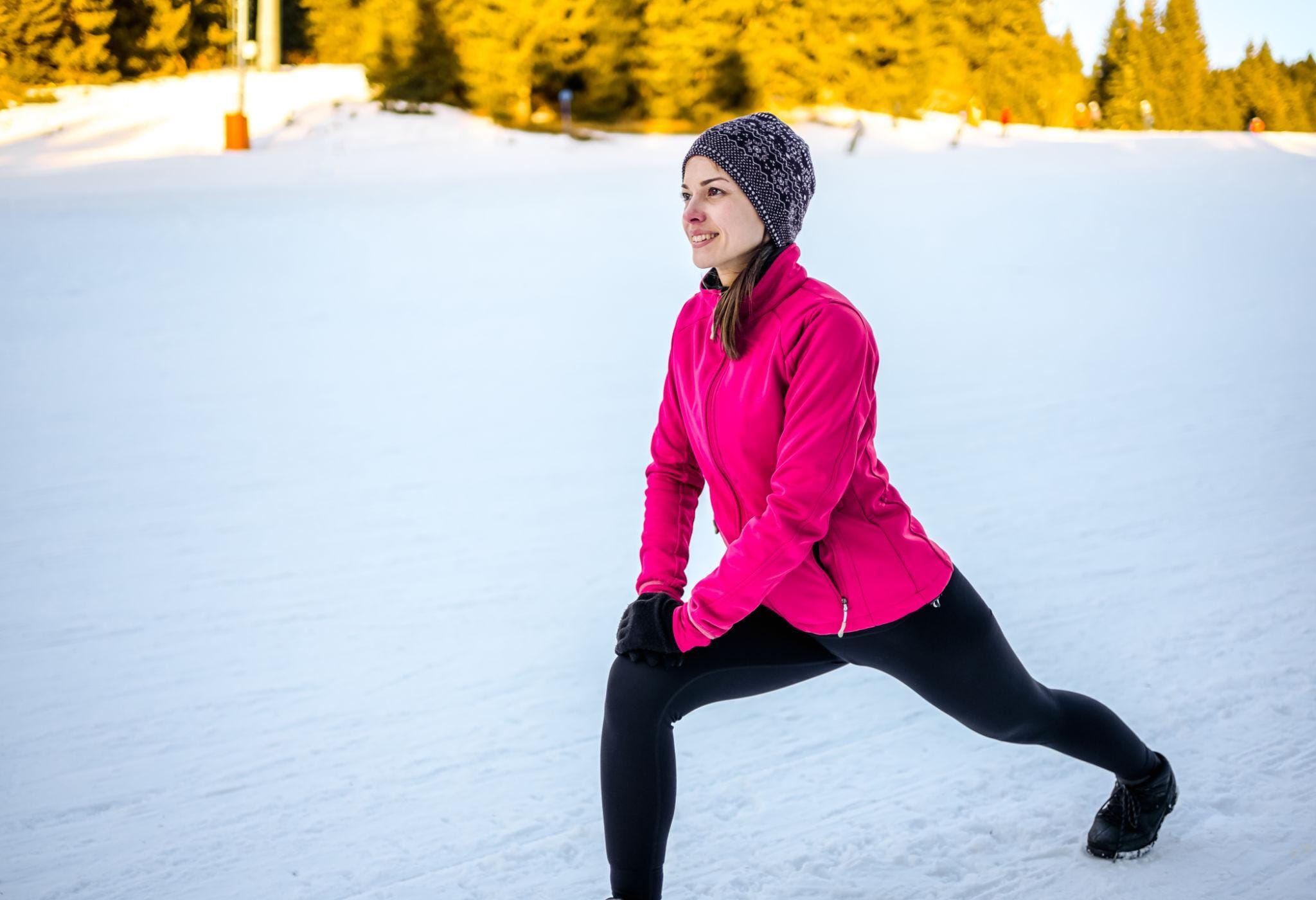
1. Warm Up Before Exercising
Cold temperatures can make muscles and joints feel stiffer.
A proper warm-up helps :
- Increase blood flow.
- Prepare muscles for movement.
- Reduce injury risk.
Try:
- Gentle stretching.
- Walking slowly before increasing speed.
- Mobility exercises.
2. Dress Smartly in Layers
Your body still produces heat and sweat during winter exercise.
Choose :
- A moisture-wicking inner layer.
- A warm middle layer.
- Protection from wind or rain when needed.
Avoid wearing heavy clothing that causes overheating.
3. Stay Hydrated
Many people drink less water during winter because they feel less thirsty.
However, hydration remains important because:
- The body loses fluids during exercise.
- Dry winter air can increase water loss through breathing.
4. Combine Cardio and Strength Training
A balanced routine provides wider health benefits.
Examples :
Cardio activities :
- Walking
- Cycling
- Dancing
Strength activities :
- Bodyweight exercises
- Resistance bands
- Light weight training
Together, they support :
- Muscle health
- Metabolism
- Bone strength
- Overall resilience
5. Listen to Your Body
Exercise should support health, not exhaust the body.
Reduce intensity if you experience:
- Unusual fatigue
- Dizziness
- Chest discomfort
- Fever or active illness symptoms
Rest is part of a healthy training plan.
🌡️ The “Goldilocks Zone” of Exercise : Finding the Perfect Balance
The relationship between exercise and immunity can be compared to adjusting the temperature of a room:
- Too little activity leaves the body under-stimulated.
- Too much intensity creates unnecessary stress.
- The right amount creates balance.
This is often described as the “J-shaped relationship” between exercise and infection risk.
| Exercise Pattern | Possible Immune Effect |
|---|---|
| Inactive lifestyle | Lower overall health and reduced immune support |
| Regular moderate exercise | Stronger immune regulation and better health outcomes |
| Excessive intense training without recovery | Temporary increase in physiological stress |
The goal is not maximum effort — it is maximum consistency.

🌿 Additional Benefits Beyond Immunity
Moderate physical activity provides benefits that extend far beyond immune support.
❤️ 1. Better Heart Health
Regular movement helps:
- Improve circulation.
- Support healthy blood pressure.
- Strengthen cardiovascular function.
🧠 2. Improved Mental Wellness
Exercise supports psychological health by helping:
- Reduce stress.
- Improve mood.
- Enhance sleep quality.
- Increase emotional resilience.
⚖️ 3. Healthy Weight Management
Physical activity helps regulate:
- Energy balance.
- Metabolism.
- Muscle maintenance.
Combined with balanced nutrition, it supports long-term wellness.
🫁 4. Stronger Respiratory Function
Activities that increase breathing capacity can support:
- Lung efficiency.
- Physical endurance.
- Daily energy levels.
❓ Frequently Asked Questions (FAQs)
1. Can exercise prevent winter infections completely?
No. Exercise does not guarantee complete protection against infections, but regular moderate activity can support immune function and may reduce factors associated with illness risk.
2. Is exercising outdoors in winter safe?
Yes, for most healthy people. Outdoor exercise can be beneficial when you dress appropriately and consider weather conditions.
Avoid exercising outdoors during extreme weather or when conditions are unsafe.
3. How much exercise is enough to support immunity?
For most adults, aiming for 150 minutes of moderate activity per week is a practical and evidence-based target.
4. Can intense workouts weaken immunity?
Very intense or prolonged exercise without enough recovery may temporarily increase physical stress. Proper rest, nutrition, and gradual progression help maintain balance.
5. What is the best winter exercise for beginners?
Excellent beginner options include:
- Brisk walking
- Indoor cycling
- Gentle strength exercises
- Yoga
- Home workouts
The best exercise is the one you can maintain consistently.
📌 Key Takeaways
✔️ Moderate exercise is one of the simplest natural strategies to support immune health.
✔️ Regular movement improves immune circulation, inflammation control, and overall wellness.
✔️ Winter does not have to mean inactivity — it can be an opportunity to build healthier habits.
✔️ Balance matters: too little exercise is unhelpful, while excessive training without recovery can create stress.
✔️ Combine exercise with healthy nutrition, quality sleep, stress management, and hygiene for stronger seasonal protection.
🏁 Conclusion : Make Movement Your Winter Health Strategy
Winter health is not built through one single habit or quick solution. It is created through daily choices that strengthen the body over time.
Among these choices, moderate physical activity stands out as a scientifically supported, affordable, and accessible way to support immune function.
A simple walk, a home workout, cycling session, or active lifestyle routine can help your body maintain better balance during the colder months.
Remember : your immune system is not a machine that needs emergency repairs — it is a living defense network that benefits from regular care.
Start with small steps. Stay consistent. Move your body every day.
Make moderate exercise part of your winter wellness plan and give your immune system the support it deserves.
👉 Choose one activity today, create a realistic routine, and take your first step toward a healthier and stronger winter 2026.
📚 Bibliography (Key Scientific Sources)
- The effect of physical activity on anti-infection immunity: a review. PubMed. 2025. (PubMed)
- Exercise might be the key to a younger, sharper immune system. Scientific Reports. 2025. (ScienceDaily)
- The compelling link between physical activity and the body’s immune response. PMC. (PMC)
- Exercise and the Regulation of Immune Functions. PubMed. (PubMed)
- WHO guidelines on physical activity. World Health Organization. (EMRO)
- Immune system and physical exercise. Wikipedia. (Wikipédia)