 Bbihi L
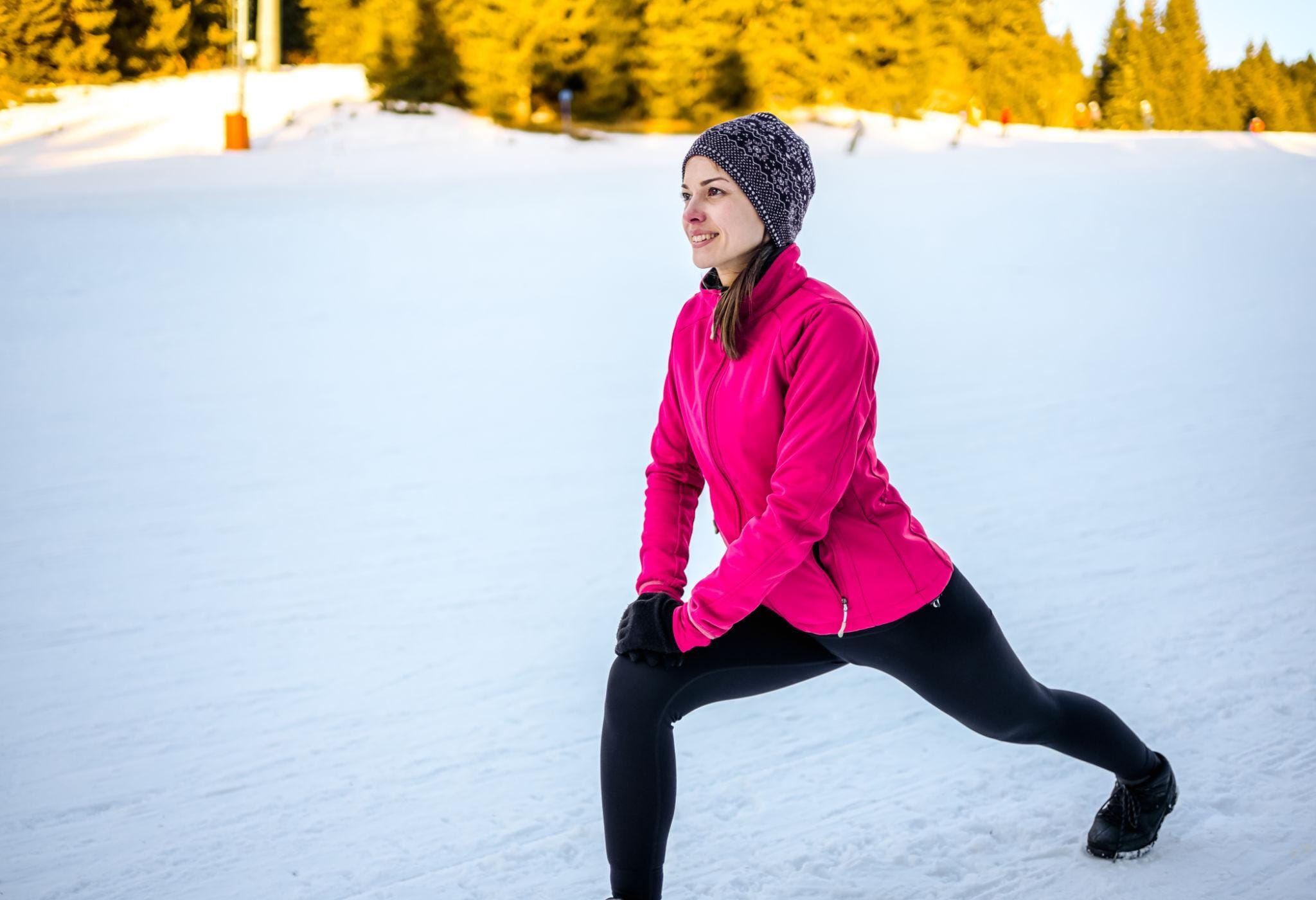
Winter’s freezing temperatures and shorter days often make it difficult to stay active. However, regular physical activity during cold weather is essential for maintaining heart health, strengthening the immune system, improving mental well-being, and preserving muscle strength throughout the season.
Many people become less active during winter, increasing the risk of weight gain, reduced cardiovascular fitness, and muscle loss. Research suggests that consistent moderate exercise, even on very cold days, supports overall health and may help reduce the frequency of common illnesses when performed safely.
This guide covers the best short workouts for cold weather, practical safety tips, and evidence-based benefits to help you stay fit all winter long.
Quick Facts
| Fact | Details |
|---|---|
| Workout Length | 10–30 minutes |
| Difficulty | Beginner to Intermediate |
| Equipment | Mostly none |
| Best Location | Indoors or outdoors (weather permitting) |
| Main Benefits | Better immunity, cardiovascular health, strength, flexibility, and mood |

Why Staying Active During Very Cold Weather Matters
Exercising in winter offers unique physical and mental health benefits that extend beyond simply burning calories.
1. Boosts Metabolism
Cold temperatures force your body to work harder to maintain its core temperature, increasing overall energy expenditure. Combined with exercise, this can improve metabolic efficiency while supporting cardiovascular health.
Benefits include :
- Increased calorie expenditure
- Better circulation
- Improved cardiovascular conditioning
2. Supports a Strong Immune System
Regular moderate-intensity exercise enhances immune function by improving circulation and supporting immune cell activity.
Benefits
- May reduce the risk of seasonal illnesses
- Helps strengthen the body’s natural defenses
- Supports faster recovery from everyday stress
Important : Extremely intense exercise without adequate recovery can temporarily suppress immune function. Moderation is key.
3. Improves Mood During Winter
Limited daylight can contribute to Seasonal Affective Disorder (SAD) and lower energy levels.
Exercise stimulates the release of:
- Endorphins
- Serotonin
- Dopamine
These natural chemicals help reduce stress, improve mood, and increase energy throughout the winter months.
4. Preserves Strength and Mobility
Cold weather often causes muscles and joints to feel stiff.
Regular movement helps :
- Maintain muscle mass
- Improve joint flexibility
- Increase balance and coordination
- Reduce stiffness
Cold Weather Exercise Safety Tips
Preparing properly allows you to exercise safely while minimizing the risks associated with winter conditions.
| Safety Tip | Recommendation |
|---|---|
| Dress in Layers | Wear moisture-wicking base layers, insulating middle layers, and a windproof outer shell. |
| Protect Extremities | Wear gloves, thermal socks, and a warm hat to reduce heat loss. |
| Warm Up Indoors | Spend 5–10 minutes performing dynamic movements before going outside. |
| Stay Hydrated | Drink water before, during, and after exercise, even if you don’t feel thirsty. |
| Monitor the Weather | Avoid exercising outdoors during extreme wind chill, heavy snow, or icy conditions. |
| Know Your Limits | Move workouts indoors if temperatures become dangerously low. |
Pro Tip
Start your workout indoors before heading outside.
A brief warm-up raises muscle temperature, improves flexibility, and significantly lowers the risk of strains and injuries.
Best Short Workouts for Very Cold Days
Workout Overview
| Workout | Duration | Main Benefits | Equipment |
|---|---|---|---|
| Dynamic Warm-Up | 5–7 min | Injury prevention | None |
| Bodyweight Circuit | 15–25 min | Full-body strength | None |
| Indoor Cardio | 10–20 min | Heart health & calorie burn | Optional jump rope |
| Mobility Routine | 10 min | Flexibility & recovery | Yoga mat (optional) |
| Outdoor Brisk Walk | 15–30 min | Cardio & mood | Warm clothing |
1. Dynamic Warm-Up (5–7 Minutes)
Cold muscles are more susceptible to injury, making a proper warm-up essential.
Routine
- March in Place — 1 minute
- Arm Circles — 1 minute
- Leg Swings — 1 minute each leg
- Hip Openers — 1 minute
- Jumping Jacks or High Knees — 2 minutes
Benefits
- Increases blood flow
- Improves mobility
- Raises body temperature
- Reduces injury risk
2. Bodyweight Strength Circuit (15–25 Minutes)
This no-equipment workout targets every major muscle group.
Instructions
Perform each exercise for 45 seconds, followed by 15 seconds of rest.
Complete 3 rounds.
Exercises
- Squats
- Push-Ups
- Alternating Lunges
- Glute Bridges
- Plank
- Mountain Climbers
Benefits
- Builds total-body strength
- Improves muscular endurance
- Enhances core stability
- Suitable for home workouts
3. Indoor Cardio Blast (10–20 Minutes)
When weather conditions become unsafe, indoor cardio keeps your heart healthy while generating body heat.
Workout Options
Jump Rope Intervals
- Jump for 1 minute
- Rest for 30 seconds
- Repeat 10 rounds
Dance Workout
- Dance continuously for 15–20 minutes
Burpee & High-Knee Circuit
- 30 seconds Burpees
- 30 seconds High Knees
- Repeat 6–10 rounds
Benefits
- Burns calories quickly
- Raises heart rate
- Improves endurance
- Requires little space

4. Dynamic Mobility Routine (10 Minutes)
Mobility exercises improve flexibility and reduce stiffness commonly experienced during winter.
Routine
- Cat-Cow Stretch — 1 minute
- Hip Circles — 1 minute
- Shoulder Rolls — 1 minute
- Ankle Rotations — 1 minute
- Forward Fold — 2 minutes
- Torso Twists — 2 minutes
- Deep Lunge Stretch — 2 minutes
Benefits
- Improves flexibility
- Enhances joint mobility
- Speeds recovery
- Reduces muscle tightness
5. Brisk Outdoor Walk (15–30 Minutes)
Walking remains one of the safest and most effective winter exercises when conditions allow.
Walking Tips
- Dress in moisture-wicking layers.
- Wear shoes with good traction.
- Walk at a brisk pace to stay warm.
- Choose cleared sidewalks or safe walking paths.
- Avoid icy surfaces whenever possible.
Benefits
- Improves cardiovascular fitness
- Supports mental health
- Burns calories
- Increases daily activity
Comparison Table : Indoor vs. Outdoor Winter Workouts
| Feature | Indoor Workouts | Outdoor Workouts |
|---|---|---|
| Weather Dependent | No | Yes |
| Injury Risk | Lower | Moderate |
| Convenience | High | Moderate |
| Vitamin D Exposure | None | Possible |
| Equipment Needed | Minimal | Winter clothing |
| Best For | Extreme cold days | Mild winter conditions |
Top Search Results
People searching for winter fitness often ask:
- Best exercises for cold weather
- How to stay active during winter
- Indoor workouts without equipment
- Safe outdoor workouts in freezing temperatures
- Winter exercise tips for beginners
- Short home workouts for busy people
Frequently Asked Questions (FAQs)
Is it safe to exercise outside in freezing weather?
Yes. Most healthy adults can safely exercise outdoors if they wear appropriate clothing, warm up properly, and avoid extreme wind chill or icy conditions.
What is the best workout during very cold weather?
Bodyweight circuits, indoor cardio sessions, dynamic stretching, and brisk walking are among the safest and most effective options.
Can cold weather improve calorie burning?
Yes. Your body uses additional energy to maintain its core temperature, slightly increasing calorie expenditure during cold-weather exercise.
Should I drink water even if I don’t feel thirsty?
Absolutely. Cold weather reduces the sensation of thirst, but hydration remains essential for performance and recovery.
How long should a winter workout be?
Even 10–30 minutes of moderate exercise can provide significant cardiovascular and health benefits.
Key Results
- Regular winter exercise supports cardiovascular health.
- Moderate activity strengthens the immune system.
- Short workouts improve mood and reduce seasonal fatigue.
- Dynamic warm-ups lower injury risk.
- Indoor workouts are excellent alternatives during extreme weather.
- Consistency matters more than workout duration.
Conclusion
Cold weather should never be a reason to stop exercising. With the right preparation, appropriate clothing, and short, effective workouts, you can maintain your fitness, strength, mobility, and overall health throughout the winter season.
Whether you choose bodyweight training, indoor cardio, mobility exercises, or a brisk outdoor walk, every workout contributes to better physical and mental well-being.
The key is consistency. Even a 10-minute daily workout can deliver lasting health benefits while helping you stay energized during the coldest months of the year.
Ready to Stay Active This Winter?
Start with one of the workouts above today, build a consistent routine, and make winter your strongest season yet. Share this guide with friends and family, bookmark it for future reference, and keep moving—no matter how cold it gets.
Bibliography & References
- Cold Weather Activity and Exercise Tips — Healthline. Healthline
- Staying Active in Cold Weather — American Heart Association. www.heart.org
- Exercising Safely During Cold Weather — National Institute on Aging Guide. National Institute on Aging
- Winter Workout Tips — Summit Physiotherapy. Summit Physiotherapy
- Benefits and Risks of Cold-Weather Exercise — Medical News Today. Medical News Today
- Exercise in Cold: Effects on Cardiovascular Health — PubMed/ScienceDirect. PubMed+1
- Research on Exercise & Cold Weather Physical Health — PubMed Meta-Analysis. PubMed
- Harvard Health Winter Workouts Article. Harvard Health
- Wikipedia – Ice Bath (for context about cold and exercise recovery). Wikipédia