
 Bbihi L
Quick Facts About Winter Skin
- Cold, dry air can increase moisture loss from the skin.
- Indoor heating can further reduce humidity and contribute to dryness.
- Gentle cleansing helps preserve the skin’s natural protective barrier.
- Moisturizers containing ceramides, glycerin, or hyaluronic acid can help improve skin hydration.
- Sunscreen remains important during winter because UV radiation reaches the skin year-round.
- A balanced diet provides nutrients needed for normal skin function.
- Adequate sleep and stress management can support overall skin health.
Why Does Skin Lose Its Radiance in Cold Weather?
Several environmental factors can affect the appearance and comfort of your skin during winter.
1. Low Humidity
Cold outdoor air often contains less moisture than warmer air. Indoor heating can also lower relative humidity, increasing water loss from the skin.
As a result, the skin may become tight, flaky, rough, or dull.
2. Cold Temperatures and Wind
Cold temperatures and strong winds can stress the skin’s protective barrier. This may contribute to dryness, irritation, redness, and discomfort, particularly in people with sensitive skin.
3. Indoor Heating
Heated indoor environments can make already-dry winter air even less humid. Spending long periods in heated rooms may therefore contribute to increased skin dryness.
4. Less Daylight
Shorter winter days can reduce sun exposure and therefore decrease the skin’s production of vitamin D. However, vitamin D status depends on several factors, including diet, geography, skin pigmentation, age, and lifestyle.
Important: Deliberately increasing unprotected sun exposure is not recommended as a skincare strategy. Food sources and supplements, when appropriate, are safer ways to address vitamin D needs.
Natural Skin Care Habits for a Healthy Winter Glow
1. Cleanse Gently
Over-cleansing or using harsh cleansers can remove protective oils from the skin and make dryness worse.
Best practices :
- Choose a gentle, fragrance-free cleanser if your skin is sensitive.
- Use lukewarm rather than very hot water.
- Avoid excessive scrubbing.
- Cleanse according to your skin type and daily needs rather than automatically washing more often.
A gentle cleansing routine helps preserve the skin barrier while removing sweat, sunscreen, makeup, and impurities.
2. Moisturize Regularly
One of the most important winter skincare habits is consistent moisturizing.
Look for products containing ingredients such as :
- Ceramides to support the skin barrier
- Glycerin to attract and retain water
- Hyaluronic acid to support skin hydration
- Petrolatum or other occlusive ingredients to reduce moisture loss
For very dry skin, creams and ointments are generally more moisturizing than lightweight lotions.
Pro Tip: Apply moisturizer shortly after cleansing or bathing while the skin is still slightly damp. This can help trap moisture and reduce dryness.
3. Use Facial Oils Carefully
Plant oils such as jojoba, argan, and rosehip oil can be useful additions to some skincare routines, particularly for dry skin.
| Oil | Potential Benefit |
|---|---|
| Jojoba oil | Helps soften and condition dry skin |
| Argan oil | Provides emollient properties and fatty acids |
| Rosehip oil | Contains fatty acids and other plant compounds |
| Sweet almond oil | Can help soften dry skin |
However, natural does not automatically mean suitable for everyone. Some oils may irritate sensitive skin or contribute to breakouts in certain individuals.
If you use a facial oil, apply a small amount and consider patch testing first.
Nutrition and Hydration for Radiant Skin
Healthy skin depends partly on adequate nutrition. A balanced diet provides vitamins, minerals, protein, essential fatty acids, and other nutrients required for normal skin function.
4. Eat Skin-Friendly Foods
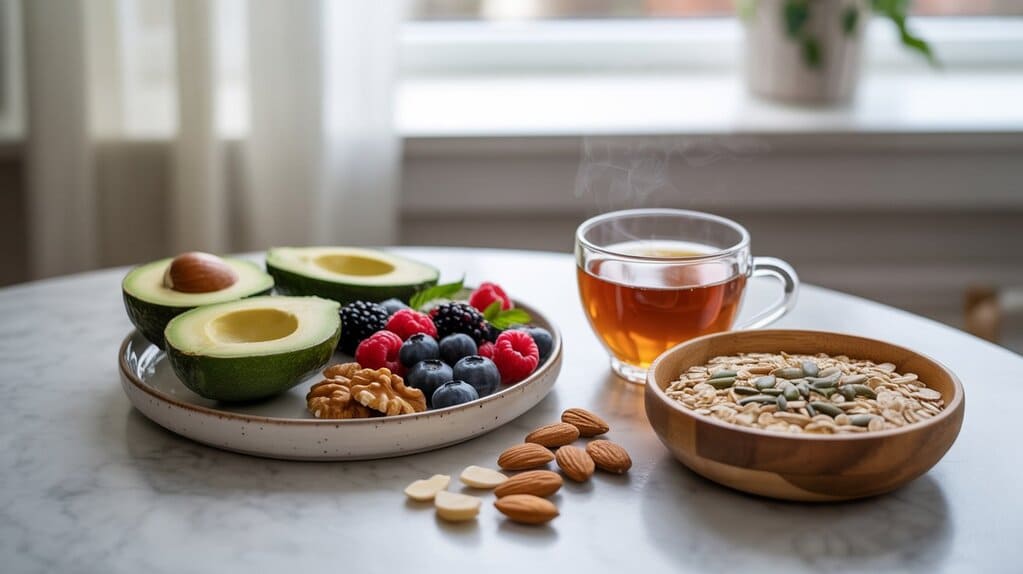
Instead of relying on a single “beauty food,” focus on a varied diet containing vegetables, fruits, whole grains, legumes, nuts, seeds, and healthy sources of protein and fats.
| Food | Nutritional Contribution |
|---|---|
| Avocado | Healthy fats and vitamin E |
| Berries | Vitamin C and antioxidant compounds |
| Nuts and seeds | Vitamin E, minerals, and healthy fats |
| Leafy greens | Folate, carotenoids, vitamin K, and other nutrients |
| Citrus fruits | Vitamin C and other beneficial plant compounds |
| Fatty fish | Omega-3 fatty acids and vitamin D |
Vitamin C is particularly important because it contributes to normal collagen formation and helps protect cells from oxidative stress.
A balanced diet is more important than relying on supplements or individual foods for better-looking skin.
5. Stay Hydrated
Adequate fluid intake supports normal body function, including skin health. However, drinking excessive amounts of water does not automatically make the skin more radiant.
Simple hydration habits include :
- Drink fluids regularly according to thirst and daily needs.
- Choose water as your main beverage.
- Include water-rich foods such as cucumbers, oranges, berries, and soups.
- Warm, unsweetened herbal teas can also contribute to daily fluid intake.
If you are not particularly thirsty during cold weather, make a habit of drinking fluids regularly throughout the day.
Lifestyle Habits That Support Healthy Skin
6. Protect Your Skin From UV Radiation
Winter does not eliminate UV exposure. UVA radiation can reach the skin throughout the year, while UVB levels vary depending on location, season, altitude, weather, and other factors.
Snow can also reflect UV radiation and increase exposure.
For exposed skin, use a broad-spectrum sunscreen with SPF 30 or higher when appropriate, especially during prolonged outdoor activities.
Sunscreen is important even when the weather feels cold or cloudy.
7. Manage Indoor Humidity
Indoor heating can make the air dry, which may worsen skin dryness.
A cool-mist humidifier can help increase indoor humidity when used and maintained properly.
Helpful tips :
- Follow the humidifier manufacturer’s cleaning instructions.
- Avoid excessive indoor humidity, which can encourage mold growth.
- Consider using a hygrometer to monitor indoor humidity.
- Keep the humidifier clean to reduce the risk of spreading microorganisms.
Houseplants and bowls of water are sometimes suggested as natural ways to humidify a room, but their effect is generally limited compared with a properly maintained humidifier.
8. Get Enough Sleep
Sleep supports normal recovery and overall health, which can influence how your skin looks and feels.
For most adults, 7–9 hours of sleep per night is recommended. Teenagers generally need more.
Consistent, good-quality sleep may help support :
- A healthier-looking complexion
- Normal skin barrier function
- Overall physical and mental well-being
Rather than focusing only on the number of hours, aim for a regular sleep schedule and good sleep quality.
Exfoliation and Natural Face Masks
9. Exfoliate Gently and Infrequently
Exfoliation can remove surface dead skin cells and temporarily improve skin texture. However, excessive exfoliation can damage the skin barrier and cause irritation, especially during winter.
Avoid aggressive scrubs if your skin is already dry, irritated, or sensitive.
If you exfoliate, choose a gentle product and use it according to the manufacturer’s directions rather than assuming that more frequent exfoliation produces better results.
Avoid harsh sugar scrubs on the face, as the particles can be abrasive and irritating.
10. Be Careful With Homemade Face Masks
Ingredients such as oatmeal may be soothing for some people, but homemade masks are not automatically safer than professionally formulated skincare products.
For example :
- Colloidal oatmeal has recognized skin-soothing properties.
- Honey can act as a moisturizing ingredient in some cosmetic formulations.
- Yogurt contains lactic acid, but homemade applications may irritate sensitive skin.
- Turmeric can stain the skin and may cause irritation or allergic reactions in some people.
Before applying any homemade ingredient to your face, perform a small patch test and discontinue use if irritation occurs.
Avoid applying kitchen ingredients to broken, inflamed, or highly sensitive skin.
Common Winter Skincare Mistakes to Avoid
Skipping Sunscreen
Cold temperatures do not protect your skin from UV radiation.
Better approach: Use a broad-spectrum sunscreen with SPF 30 or higher on exposed skin when appropriate.
Taking Very Hot Showers
Hot water may feel relaxing, but it can worsen dryness by removing some of the skin’s natural oils.
Better approach: Use lukewarm water and apply moisturizer soon after bathing.
Over-Exfoliating
Scrubbing the skin too frequently can cause irritation and compromise the skin barrier.
Better approach: Keep exfoliation gentle and limited, particularly if your skin is dry or sensitive.
Using Too Many New Products
Introducing several new skincare products at once makes it difficult to identify what is causing irritation.
Better approach: Introduce products gradually and prioritize a simple routine.
Assuming Natural Means Harmless
Natural ingredients can still cause irritation or allergic reactions.
Better approach: Patch test new products and stop using anything that causes persistent redness, burning, itching, or swelling.
A Simple Winter Skincare Routine
A consistent routine does not need to be complicated.
Morning
- Gently cleanse or rinse according to your skin type.
- Apply a hydrating moisturizer.
- Apply broad-spectrum sunscreen to exposed skin.
Evening
- Remove makeup and sunscreen.
- Cleanse gently.
- Apply a moisturizing cream.
- Add a small amount of facial oil if it works well for your skin.
The best routine is one that you can follow consistently without causing irritation.
Frequently Asked Questions
Can winter skin become healthier without harsh skincare products?
Yes. A simple routine based on gentle cleansing, regular moisturizing, sun protection, and a balanced diet can support healthy-looking skin. More products are not necessarily better.
How often should I moisturize in cold weather?
Many people benefit from moisturizing at least twice a day, particularly after cleansing or bathing. Very dry skin may require additional applications.
Are natural oils suitable for every skin type?
No. Skin responds differently to oils. Some people with dry skin may find them helpful, while others may experience irritation or clogged pores. Patch testing is recommended when trying a new product.
Does limited sunlight always cause vitamin D deficiency?
No. Vitamin D status depends on multiple factors, including diet, supplements, geography, season, age, and individual characteristics. Limited sunlight can reduce vitamin D production, but it does not automatically mean a person is deficient.
Is it safe to use homemade face masks every day?
Daily use is generally unnecessary and may increase the risk of irritation. Homemade masks containing potentially irritating ingredients should be used cautiously, and some should be avoided altogether on sensitive or damaged skin.
Should I wear sunscreen in winter?
Yes. UV radiation is present year-round. Daily sun protection is particularly important when spending significant time outdoors or when UV exposure is increased by snow, altitude, or other environmental conditions.
Evidence-Based Tips for Maintaining Skin Radiance
The most reliable approach to winter skincare is not a complicated collection of natural remedies. It is a consistent, barrier-friendly routine combined with healthy lifestyle habits.
Focus on these priorities :
- Keep the skin moisturized.
- Use gentle cleansers.
- Avoid very hot water.
- Protect exposed skin from UV radiation.
- Maintain a balanced, nutrient-rich diet.
- Drink adequate fluids.
- Manage indoor humidity when necessary.
- Get enough quality sleep.
- Avoid excessive exfoliation.
- Introduce new skincare products gradually.
These habits can help reduce winter dryness and support a smoother, healthier-looking complexion.
Key Results
Maintaining skin radiance during cold, low-sunlight months is primarily about protecting the skin barrier and reducing moisture loss.
The most effective strategy is to combine :
Gentle skincare + regular moisturizing + UV protection + balanced nutrition + adequate hydration + healthy sleep habits.
Natural ingredients can complement a skincare routine, but they should not automatically be considered safer or more effective than scientifically formulated products.
Conclusion
Cold weather and limited daylight do not have to leave your skin looking dull and feeling uncomfortable. By adapting your skincare routine to the season, moisturizing consistently, protecting your skin from UV radiation, eating a nutrient-rich diet, staying adequately hydrated, and getting enough sleep, you can support a healthier-looking complexion throughout winter.
The key is consistency rather than complexity. Start with a gentle cleanser, an effective moisturizer, and daily sun protection, then add other products only when your skin needs them.
If persistent dryness, redness, itching, cracking, or other skin problems develop, consult a qualified healthcare professional or dermatologist for personalized advice.
Disclaimer :
This article provides general educational information about skincare and healthy lifestyle habits. It is not a substitute for professional medical advice, diagnosis, or treatment. Individual skin types and conditions vary.
References and Further Reading
- American Academy of Dermatology Association — Guidance on dry skin, skin care, and sun protection.
- National Institutes of Health — Information on nutrition, vitamins, and skin health.
- Peer-reviewed dermatology literature on the skin barrier, winter environmental conditions, and topical moisturizers.
- Clinical and dermatological research on nutrition, sleep, and overall skin health.