 Bbihi L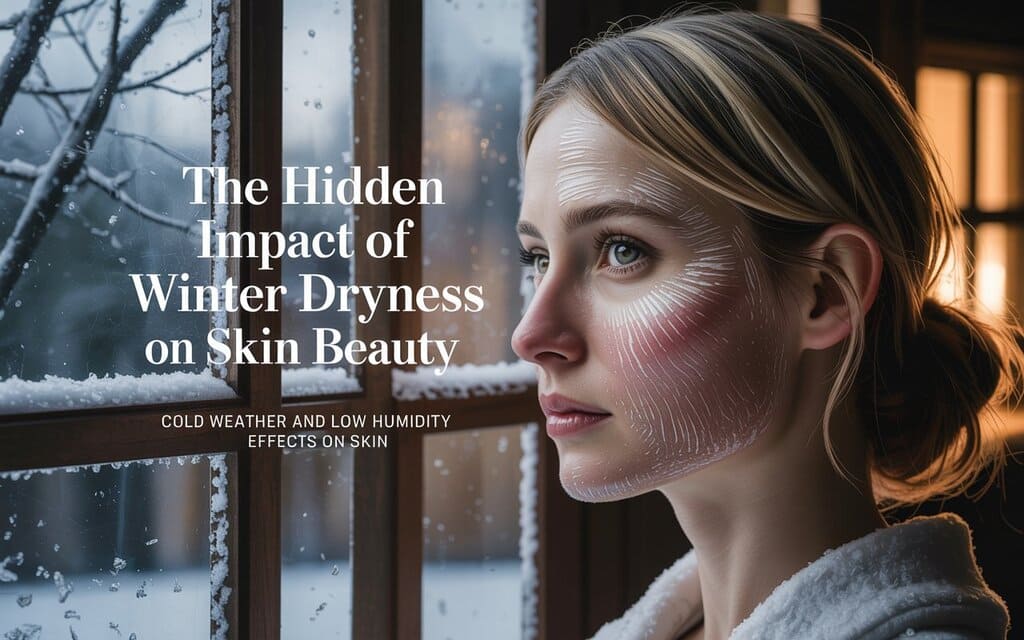
Introduction
Winter is often associated with cozy blankets, warm drinks, and crisp weather. For many people, however, the colder months also bring dry, rough, flaky, and less radiant skin.
Seasonal changes can affect the skin’s hydration, barrier function, texture, and overall appearance. Cold temperatures, low humidity, indoor heating, hot showers, and certain skincare habits can all contribute to winter skin dryness.
Winter dryness is more than a cosmetic concern. It reflects changes in the skin’s ability to retain water and protect itself from environmental irritants. Persistent dryness can contribute to itching, irritation, scaling, and worsening of certain inflammatory skin conditions. Research from Europe, North America, and Asia has documented seasonal changes in skin hydration, sebum production, roughness, and barrier-related measurements.
This guide explains the hidden causes of winter dryness, how cold and dry conditions affect the skin barrier, and why these changes can influence skin health and beauty.
Quick Facts About Winter Dry Skin
- Cold, dry air can contribute to changes in skin barrier function and moisture balance.
- Indoor heating can create a low-humidity environment that may worsen dryness.
- The stratum corneum, the outermost layer of the epidermis, plays a central role in retaining water.
- Hot showers and harsh cleansers can remove surface lipids and aggravate dry skin.
- Winter conditions may worsen eczema and atopic dermatitis in susceptible individuals.
- Dryness can make fine lines, rough texture, flaking, and dullness more noticeable.
- Research suggests that seasonal effects on skin vary according to climate, individual characteristics, and other environmental factors.
1. What Is Winter Dryness?
Winter dryness occurs when the skin becomes excessively dry and loses its ability to maintain adequate moisture.
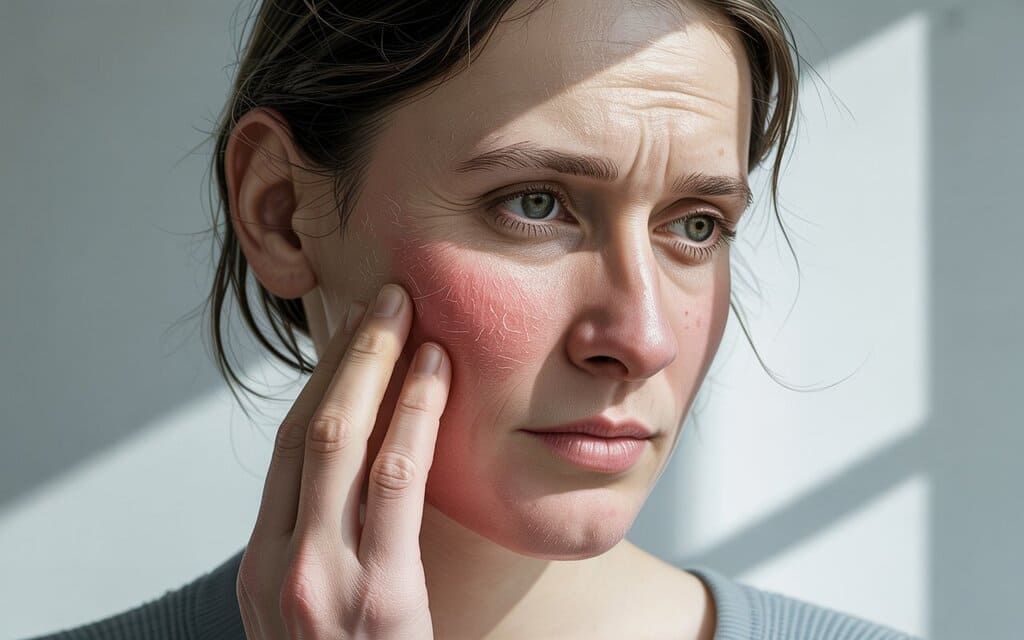
The medical term xerosis cutis is commonly used to describe abnormally dry skin. It may appear as :
- Rough or tight-feeling skin
- Flaking or scaling
- Itching
- Redness or irritation
- Cracking in more severe cases
- A dull or less supple appearance
The skin’s outer layer, particularly the stratum corneum, helps regulate water loss. It contains natural moisturizing factors, lipids, and other components that help maintain hydration and barrier integrity. When these protective mechanisms are disrupted, the skin can become more vulnerable to dryness and irritation.
Cold Outdoor Air and Low Humidity
One of the most important contributors to winter dryness is low humidity.
Cold weather is often accompanied by lower absolute humidity. When the surrounding air is dry, the skin may lose water more readily, contributing to changes in stratum corneum hydration and barrier function.
Research reviews have found that low humidity and low temperatures can negatively affect skin barrier function and increase susceptibility to irritation and dermatitis, although findings across individual studies are not completely consistent.
Indoor Heating
Central heating, radiators, and space heaters can make indoor environments considerably warmer but may also reduce relative humidity.
A Korean clinical study found measurable changes in several skin parameters after short-term exposure to a heated indoor winter environment, including increased roughness, redness, wrinkles, and forearm TEWL. The researchers also found improvements in several measured parameters when a ceramide-containing cream was applied.
This helps explain why skin can feel dry even when you are spending most of the day indoors.
Frequent Temperature Changes
Moving repeatedly between cold outdoor conditions and heated indoor environments exposes the skin to changing temperature and humidity.
Rather than describing this simply as “thermal shock,” it is more accurate to say that repeated environmental changes can place additional stress on the skin barrier, particularly when combined with low humidity, wind, and aggressive skincare practices.
3. How Winter Conditions Affect the Skin Barrier
The stratum corneum is the outermost layer of the epidermis and acts as an important protective barrier.
It helps :
- Retain water within the skin.
- Limit penetration of irritants.
- Protect against environmental stressors.
- Maintain a stable skin surface.
Its function depends partly on an organized structure of skin cells, intercellular lipids such as ceramides, cholesterol, and fatty acids, and natural moisturizing factors.
When environmental conditions disrupt this system, the skin may become drier and more reactive.
Winter conditions may be associated with :
- Changes in transepidermal water loss (TEWL)
- Reduced skin hydration
- Increased roughness or scaling
- Greater sensitivity to irritants
- Changes in sebum production
- Increased redness or discomfort in susceptible skin
Importantly, research does not show that every person experiences the same changes. Seasonal skin responses can vary according to climate, age, skin type, genetics, lifestyle, and other environmental exposures.
4. Everyday Habits That Can Make Winter Dryness Worse
Environmental conditions are only part of the picture. Daily skincare habits can also influence how dry the skin becomes.
Hot Showers
Long, very hot showers may remove some of the skin’s surface lipids and increase dryness, especially in people who already have a compromised skin barrier.
A better approach is to use lukewarm water, keep showers reasonably short, and apply moisturizer afterward.
Harsh Cleansers
Strong soaps and high-pH cleansing products can disrupt the skin barrier and worsen dryness.
Gentle, fragrance-free cleansers are generally preferable for dry or sensitive skin.
Inadequate Moisturization
Failing to moisturize regularly can make it harder for dry skin to recover.
Emollients and moisturizers can help support the skin barrier. Ingredients commonly used in dry-skin formulations include humectants, such as glycerol and urea, and occlusive ingredients, such as petrolatum.
Hydration and Fluid Intake
Adequate fluid intake is important for overall health, but the relationship between drinking extra water and correcting ordinary dry skin is more complicated than simply assuming that winter dryness is caused by internal dehydration.
For most people, the primary focus should be protecting the skin barrier and applying appropriate moisturizers, rather than relying on increased water consumption alone.
5. Winter Dryness and Existing Skin Conditions
Winter dryness can be particularly troublesome for people who already have inflammatory or sensitive skin conditions.
Xerosis and Winter Itch
Severely dry skin can cause itching, scaling, tightness, and cracking. This is often described as winter itch and may occur without an underlying chronic skin disease.
Atopic Dermatitis
Cold and dry environmental conditions can contribute to atopic dermatitis flare-ups in susceptible individuals.
A review of environmental humidity and temperature found that low humidity and low temperatures can impair skin barrier function and increase susceptibility to dermatitis. Other research has also linked temperature changes with skin barrier dysfunction and atopic dermatitis symptoms.
However, climate is only one factor in atopic dermatitis. Genetics, immune function, allergens, irritants, and individual triggers also play important roles.
6. How Winter Dryness Affects Skin Beauty
Dry skin does not only affect comfort. Changes in hydration and barrier function can also alter the way skin looks and feels.
| Effect | How Winter Dryness Can Affect Appearance |
|---|---|
| Dull complexion | Dehydrated, rough skin may appear less smooth and radiant. |
| Rough texture | Reduced hydration and scaling can make the skin feel coarse. |
| Flaking and peeling | Excessive dryness can cause visible scaling and shedding. |
| Fine lines appear more noticeable | Dehydrated skin can make existing fine lines look more prominent temporarily. |
| Redness and irritation | A compromised barrier can increase sensitivity and irritation. |
| Makeup looks less smooth | Flaking and roughness can make foundation and other makeup products appear uneven. |
It is important to distinguish temporary dehydration-related changes from permanent skin aging. Winter dryness does not necessarily cause premature aging by itself. However, dehydration and roughness can make fine lines and uneven texture more visible.
7. What Scientific Research Says About Winter Skin
Research from different regions supports the relationship between seasonal environmental conditions and measurable changes in skin properties.
Europe and North America
A review published by the European Academy of Dermatology and Venereology concluded that low humidity and low temperatures can reduce skin barrier function and increase susceptibility to mechanical stress and dermatitis. Cold, dry conditions were also associated with increased risk of atopic dermatitis flares.
Research involving Central European women also documented seasonal differences in skin hydration, sebum production, scaliness, erythema, and elasticity, although the researchers emphasized that seasonal changes are complex and that findings are not always consistent across studies.
Asian Research
Research involving women in several Asian cities—including Seoul, Shanghai, Harbin, New Delhi, and Sendai—found seasonal differences in skin hydration and transepidermal water loss, with winter conditions associated with several measurable changes in skin parameters.
- Winter dryness is primarily an environmental and skin-barrier issue, rather than simply a matter of drinking too little water.
- Cold temperatures and low humidity can influence skin hydration and barrier function.
- Indoor heating may contribute to dry-skin symptoms by creating a warmer, drier environment.
- Hot water and harsh cleansing can further aggravate already dry skin.
- Winter conditions can worsen eczema and atopic dermatitis in susceptible individuals.
- Dryness can make skin appear rougher, duller, flakier, and temporarily more lined.
- Seasonal effects differ among individuals, so skincare should be adapted to personal skin type and environmental conditions.
A separate Korean study specifically examined winter indoor conditions with heating and found changes in skin roughness, redness, wrinkles, and TEWL after exposure. The study also reported improvements in several measured parameters on areas treated with a ceramide-containing cream.
What the Evidence Really Means
The scientific evidence supports a clear connection between environmental conditions and skin function, but winter skin changes are not identical for everyone.
Humidity, temperature, indoor heating, skincare habits, age, genetics, existing skin conditions, and other environmental factors can interact to determine how the skin responds. A systematic review of TEWL studies also found inconsistencies in how seasonal and climatic conditions affect TEWL, highlighting the complexity of the subject.
8. Simple Ways to Protect Skin During Winter
A consistent winter skincare routine can help reduce dryness and protect the skin barrier.
Try These Practical Steps
- Use lukewarm rather than very hot water.
- Keep showers relatively short.
- Choose a gentle cleanser rather than a harsh soap.
- Apply moisturizer regularly, especially after bathing.
- Look for moisturizers containing ingredients such as ceramides, glycerol, urea, or petrolatum, depending on your skin’s needs.
- Protect exposed skin from cold and wind with appropriate clothing.
- Avoid excessive exfoliation when the skin is already dry or irritated.
- Consider improving indoor humidity if your home environment is particularly dry.
- Continue using appropriate sun protection, because winter does not eliminate UV exposure.
- If severe cracking, persistent itching, inflammation, or rash develops, consider consulting a dermatologist.
9. Winter Skin Care : Key Factors at a Glance
| Factor | Potential Effect on Skin | Helpful Approach |
|---|---|---|
| Cold temperatures | May impair barrier function and increase dryness | Protect exposed skin |
| Low humidity | Can contribute to moisture loss and roughness | Maintain a comfortable indoor environment |
| Indoor heating | Can create dry indoor air | Monitor indoor humidity |
| Hot showers | May remove protective surface lipids | Use lukewarm water |
| Harsh cleansers | Can aggravate barrier disruption | Choose gentle cleansers |
| Existing dermatitis | May flare during cold, dry periods | Follow an individualized skincare plan |
| Inadequate moisturization | Can allow dryness to persist | Apply moisturizer consistently |
Key Results
The evidence points to several important conclusions :
Frequently Asked Questions
Does winter weather really make skin dry?
Yes. Cold and low-humidity conditions can affect the skin barrier and hydration. Indoor heating may further contribute to dry indoor air.
Why does my skin look dull in winter?
Dryness and surface scaling can make the skin appear rough and less radiant. Dehydration can also make fine lines more noticeable temporarily.
Does drinking more water cure winter dry skin?
Adequate hydration is important for general health, but drinking extra water alone is not a complete treatment for dry skin. Protecting the skin barrier and using an appropriate moisturizer are generally more directly relevant to managing xerosis.
Can winter dryness cause wrinkles?
Winter dryness does not automatically cause permanent wrinkles. However, dehydrated skin can make existing fine lines appear more pronounced.
Is indoor heating bad for skin?
Indoor heating itself is not necessarily harmful, but heated indoor environments can have lower humidity. A Korean study found measurable changes in several skin parameters after exposure to a heated winter indoor environment.
Can winter worsen eczema?
Yes. Cold and dry environmental conditions can contribute to eczema and atopic dermatitis flare-ups in susceptible people.
Which moisturizer is best for very dry skin?
The best choice depends on your skin and the severity of dryness. Moisturizers containing humectants, emollients, and occlusive ingredients can help improve hydration and support the skin barrier. Ingredients such as glycerol, urea, and petrolatum are commonly used in dry-skin formulations.
Conclusion
Winter dryness is more than a seasonal beauty concern. Cold temperatures, low humidity, indoor heating, hot showers, harsh cleansers, and existing skin conditions can all influence the skin’s ability to retain moisture and maintain a healthy barrier.
The result may be dryness, rough texture, flaking, redness, irritation, and a temporarily duller appearance. Scientific research from Europe, North America, and Asia supports the relationship between environmental conditions and changes in skin hydration and barrier-related properties, although individual responses vary.
The good news is that winter skin does not have to remain uncomfortable or dull. A simple routine built around gentle cleansing, regular moisturization, barrier-supportive ingredients, sensible bathing habits, and protection from harsh weather can help maintain healthier-looking skin throughout the colder months.
Protect your skin barrier first, and your natural radiance will have a better chance to shine all winter long.
Sources and Further Reading
- European Academy of Dermatology and Venereology review on environmental humidity, temperature, skin barrier function, and dermatitis.
- Korean clinical research on the effects of winter indoor environments and heating on skin condition.
- Research on seasonal variations in skin hydration, sebum, scaliness, brightness, and elasticity in Korean women.
- Research on seasonal skin parameters among Central European women.
- Multicity Asian research examining seasonal changes in facial skin parameters.
- Review of environmental factors and transepidermal water loss.
- Recent review of skin hydration and barrier-supportive emollients for xerosis.