



 lbb style
- Ideal Health
- December 10, 2025
- 55 views
 lbb style
Sleep Regulation in Winter and Its Impact on General Health and Daily Energy
Introduction Winter brings shorter days, colder temperatures, and changes in daily routines that can profoundly affect sleep regulation. For many people, these seasonal changes influence circadian rhythms, sleep duration, sleep quality, and daytime energy. This article explains how winter affects sleep, why good sleep regulation is essential for general health…

- lbb style
- Ideal Health
- December 8, 2025
- 53 views
How to Support Mental Health During Times of Weather and Mood Fluctuations
Introduction Weather and seasonal changes affect many people’s mood, energy, sleep, and daily functioning. For some, these fluctuations are mild “winter blues”; for others they are a recurrent clinical problem such as seasonal affective disorder (SAD). In addition to seasonal cycles, sudden weather events (heatwaves, storms) and longer-term climate changes…

- lbb style
- Natural Beauty
- December 6, 2025
- 88 views
The Importance of Internal Hydration Through Drinking Water and Warming Herbs for Skin Beauty
Introduction Beautiful, healthy skin is not produced by face creams alone. Increasingly, research and clinical practice emphasize that internal hydration—the combined effect of adequate drinking water and supportive warm herbal beverages—plays a central role in skin hydration, barrier function, and visible skin health. Internal hydration contributes to epidermal moisture, helps…
- lbb style
- Natural Beauty
- December 4, 2025
- 58 views
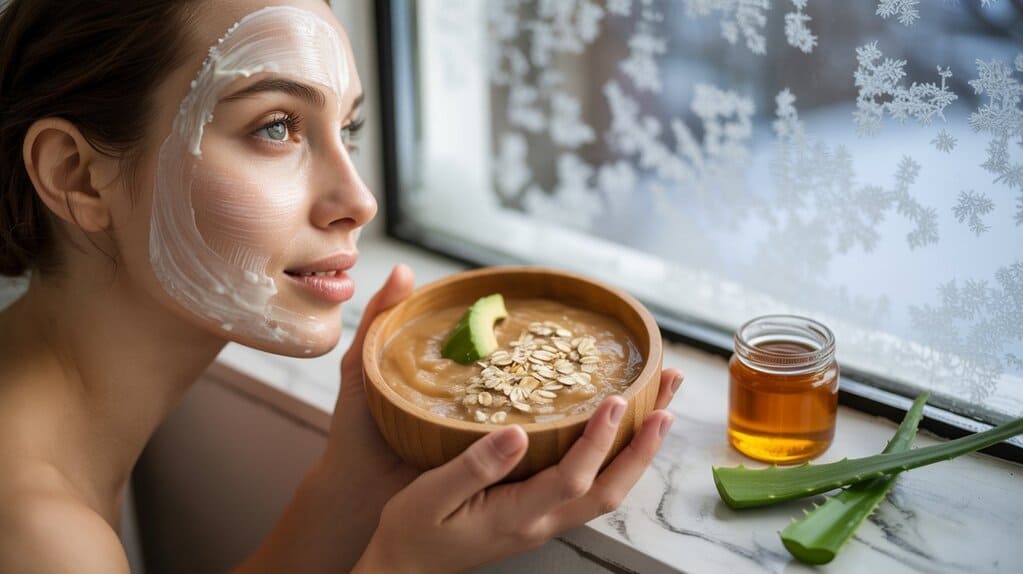
Natural Face Masks That Give Skin a Radiant Look in Cold Weather
Introduction Cold weather and low indoor humidity are one of the most common causes of dull, flaky, and irritated skin. During winter months the skin’s natural barrier becomes stressed: transepidermal water loss (TEWL) increases, lipid production slows, and inflammation-prone skin often becomes redder and rougher. Protecting and restoring the skin…

- lbb style
- Natural Beauty
- December 3, 2025
- 44 views
How to Protect Your Lips from Chapping During the Autumn and Winter Cold
Introduction Cold, dry air and wind make chapped lips one of the most common and uncomfortable seasonal complaints. The skin on the lips is thinner than the rest of the face, lacks sebaceous glands, and loses moisture rapidly — factors that leave it vulnerable to dryness, fissures, and inflammation. This…

- lbb style
- Natural Beauty
- December 1, 2025
- 47 views
The Best Natural Oils for Moisturizing Skin and Hair in Winter
Key points Introduction Winter brings cozy layers and hot drinks — and also dry indoor heat, cold winds, and a big hit to our skin’s moisture. The low humidity common in winter increases transepidermal water loss (TEWL) and can leave skin flaky, tight, and prone to irritation. Hair likewise becomes…

- lbb style
- Natural Beauty
- November 30, 2025
- 34 views
A Dry Skincare Routine in Cold Weather
Introduction Cold weather brings cozy sweaters, hot drinks, and — for many of us — dry, tight, flaky skin. As temperatures drop and indoor heating kicks on, the air’s relative humidity falls, and the skin’s ability to retain moisture weakens. This seasonal shift commonly leads to xerosis (dry skin), which…

- lbb style
- Ideal Health
- November 25, 2025
- 110 views
How to Maintain a Balanced Weight During Winter Without Deprivation or Overeating
Introduction Winter brings cozy foods, shorter days, and a natural urge to slow down. For many people, those changes lead to weight fluctuations or the fear of “losing control” around the holidays. The good news: you can maintain a balanced weight during winter without strict deprivation or bingeing. This guide…

- lbb style
- Ideal Health
- November 24, 2025
- 49 views
Tips for Strengthening the Digestive System with the Changing Seasons
Introduction The human digestive system is remarkably adaptable, yet it responds to seasonal shifts in diet, daylight, temperature, and activity. As seasons change, many people notice changes in appetite, bowel habits, bloating, or reflux—signals that your gut microbiome and digestion are adjusting. Understanding how seasonal factors influence digestion helps you…

- lbb style
- Strong Immunity
- November 23, 2025
- 56 views
The Importance of Vitamin D in Winter and How to Compensate for Its Deficiency Through Diet
Introduction Vitamin D—often called the “sunshine vitamin”—is essential for bone health, muscle function, immune support, and numerous metabolic processes. In winter months, when daylight hours are shorter, sunlight intensity is lower at higher latitudes, and people spend more time indoors, many individuals experience decreased vitamin D synthesis in the skin…