
 lbb style
- Ideal Health , Fitness and Sports
- December 28, 2025
- 72 views
 lbb style
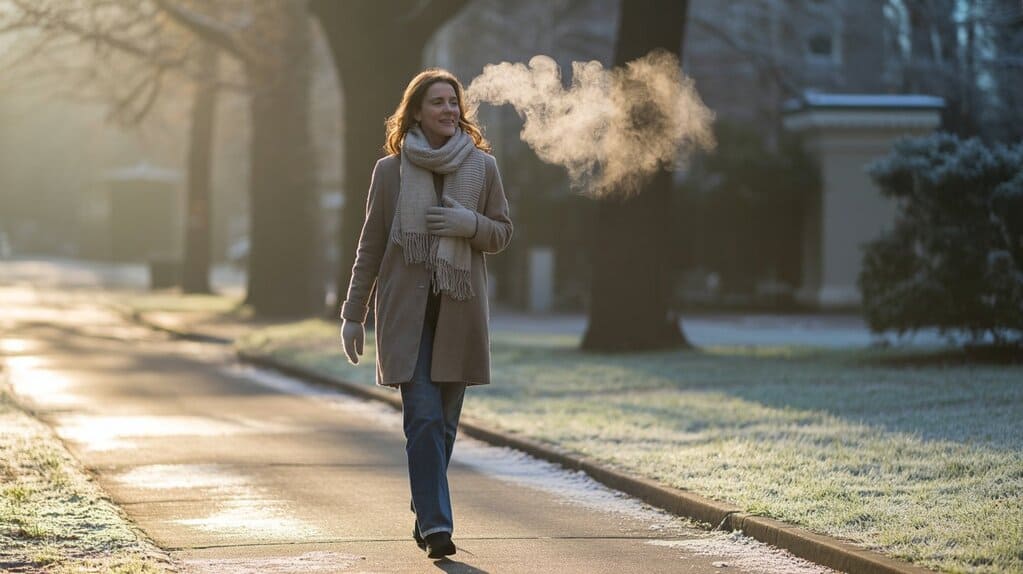
The Importance of Warming Up and Stretching in Cold Weather and Their Impact on Joint Health
Introduction In colder climates, especially during winter months or chilly mornings, our bodies undergo physiological changes that make physical activity more challenging and riskier. Cold weather causes muscles to tighten and joints to become stiffer, which can increase the risk of strains, sprains, and chronic joint discomfort if proper preparation…

- lbb style
- Fitness and Sports
- December 27, 2025
- 37 views
Smart Home Workouts : An Effective Alternative to Gyms on Cold Days
Introduction With rising interest in fitness, health, and well-being, many individuals are turning to smart home workouts as a viable and effective alternative to traditional gym routines—especially on cold days when commuting to fitness centers feels daunting. In an era where technology and wellness intersect, home fitness solutions promise convenience,…

- lbb style
- Fitness and Sports , Strong Immunity
- December 24, 2025
- 66 views
Sports and Immunity : Why is Moderate Physical Activity the First Line of Defense in Winter?
🏃♂️ Introduction As winter approaches, cold weather and seasonal viruses like influenza and common colds can take a toll on our health. While many people turn to supplements, vitamins, or vaccines for protection, one of the most scientifically supported and cost-effective strategies for strengthening the body’s defenses is moderate physical…

- lbb style
- Fitness and Sports
- December 20, 2025
- 53 views
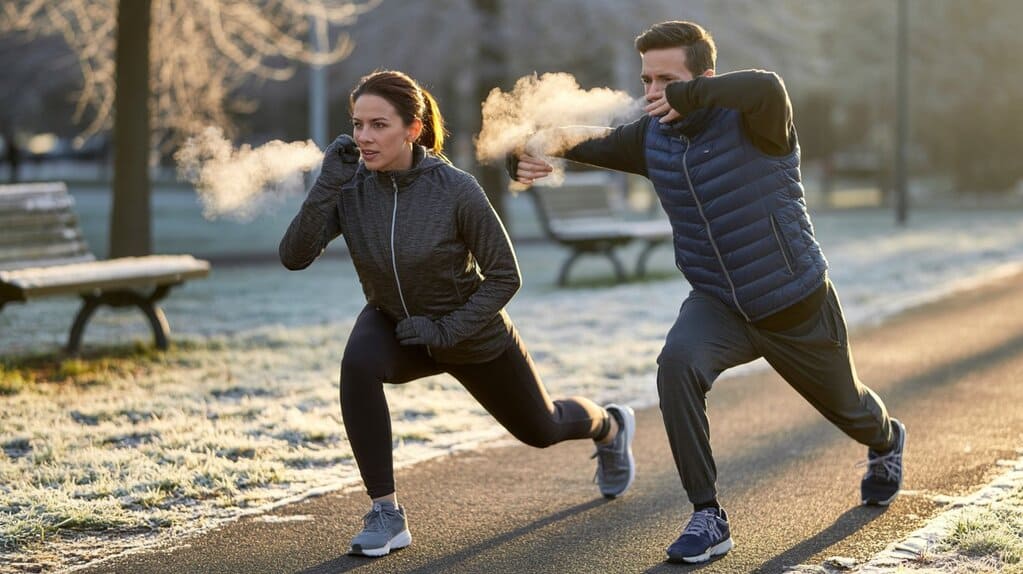
Short and Highly Effective Exercises for Very Cold Days
Introduction Staying physically active during cold weather is essential for maintaining health, boosting immunity, improving mood, and preventing the decline in physical fitness that often comes with winter’s short days and low temperatures. Cold environments can discourage many people from exercising, leading to increased sedentary behavior, weight gain, and weakened…

- lbb style
- Ideal Health
- December 19, 2025
- 58 views
The Inactivity of Winter and Its Hidden Impact on Heart and Muscle Health
Introduction Winter is a season often associated with cozy evenings, snow-covered landscapes, and daytime temperatures that deter outdoor activity. However, beneath this seasonal charm lies a silent health hazard: physical inactivity. When temperatures drop and daylight shortens, many people naturally reduce their physical activity and spend more time indoors. This…

- lbb style
- Fitness and Sports
- December 17, 2025
- 50 views
How to Maintain Muscle and Joint Strength During Extreme Cold Waves
Introduction Extreme cold waves challenge the body in many ways: muscles stiffen, joints ache more easily, and people — especially older adults and those with chronic musculoskeletal conditions — may become less active. Maintaining muscle strength, joint mobility, and overall function during prolonged cold spells is essential to prevent loss…

- lbb style
- Strong Immunity , Healthy Nutrition
- December 15, 2025
- 59 views
Seasonal Foods to Eat in Late Autumn to Boost Immunity
Introduction Late autumn is the transition season when daylight shortens, temperatures drop, and people begin spending more time indoors — all factors that increase the chance of catching respiratory infections. Eating with the season — choosing seasonal foods rich in vitamins, minerals, fiber, and immune-modulating phytochemicals — is a practical,…

- lbb style
- Ideal Health
- December 15, 2025
- 77 views
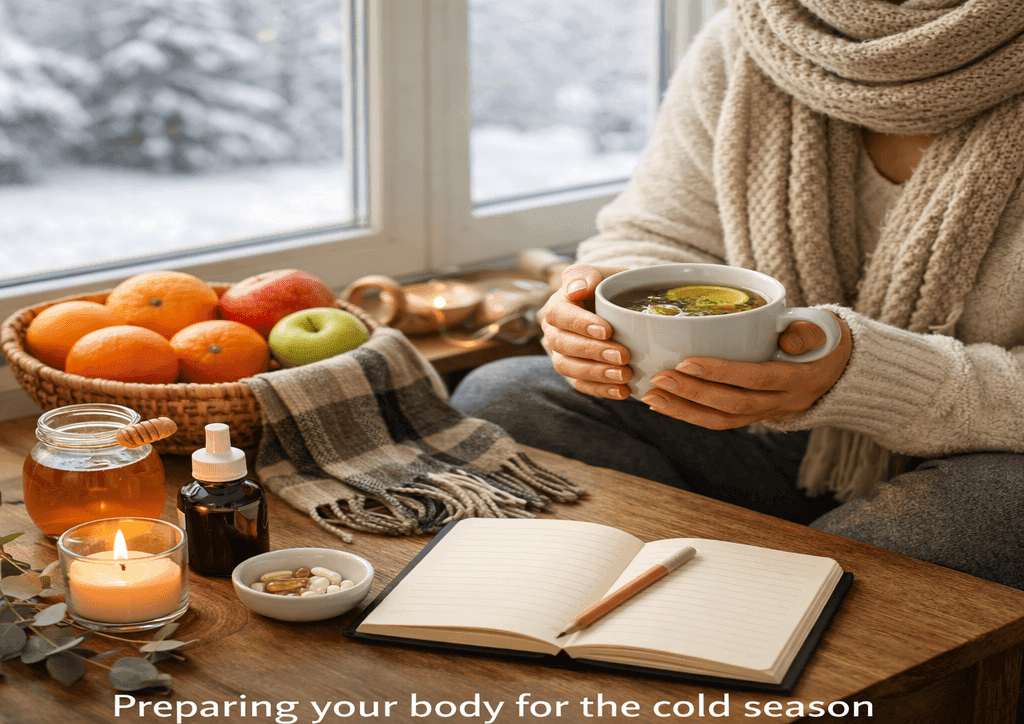
Natural Ways to Boost Immunity and Fight Colds and Flu
Introduction Every year, colds and seasonal influenza affect millions worldwide. While vaccines and medical treatments are critical, many people want natural ways to boost immunity that complement standard care. This guide explains evidence-based lifestyle strategies and supplements—backed by recent scientific studies from Asia, America, and Europe—that can help reduce your…
- lbb style
- Ideal Health
- December 13, 2025
- 60 views
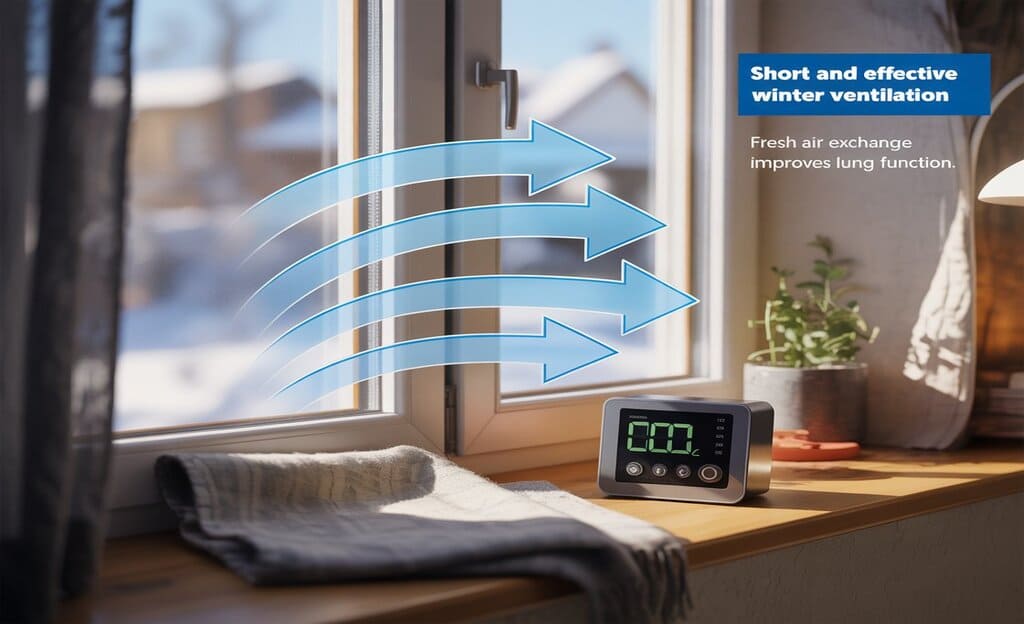
The Importance of Good Ventilation in Homes During Winter for Maintaining Lung Health
Introduction Winter brings cold weather, cozy blankets, and a tendency to keep windows and doors shut. While staying warm is important, poor indoor ventilation during winter can raise concentrations of air pollutants, allergens, and infectious aerosols, which negatively affect lung health and overall wellbeing. This article explains why good ventilation…
- lbb style
- Ideal Health
- December 12, 2025
- 55 views
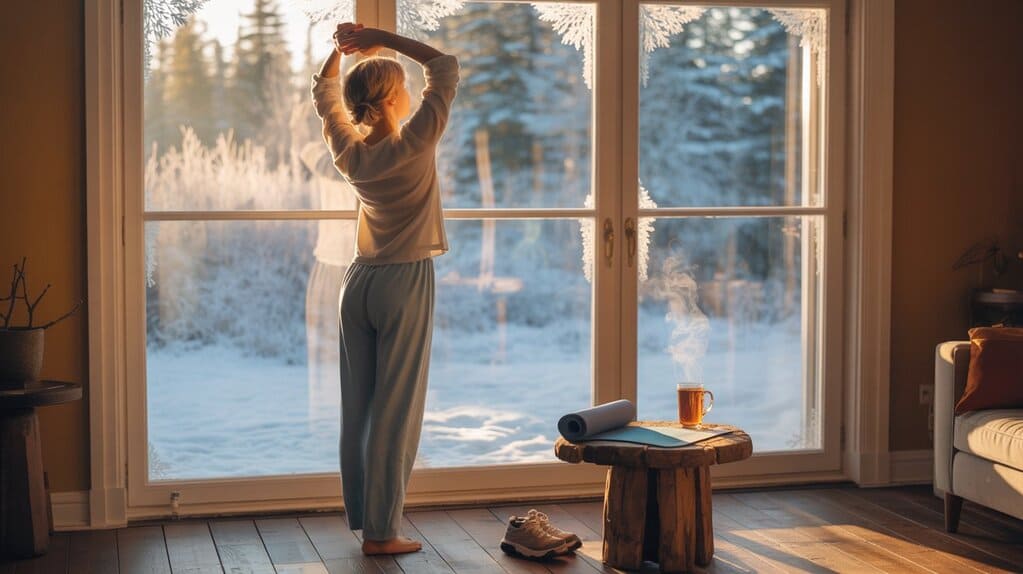
Balancing Activity and Rest to Avoid Winter Fatigue
Introduction Winter brings cozy blankets, hot drinks, and — for many people — a persistent sense of heaviness and low energy. Winter fatigue is a common experience that can range from mild sluggishness to clinically meaningful symptoms such as seasonal affective disorder (SAD). The good news: with an intentional balance…