 نمط lbb
- Ideal Health , Natural Beauty
- August 31, 2025
- 89 views
 نمط lbb
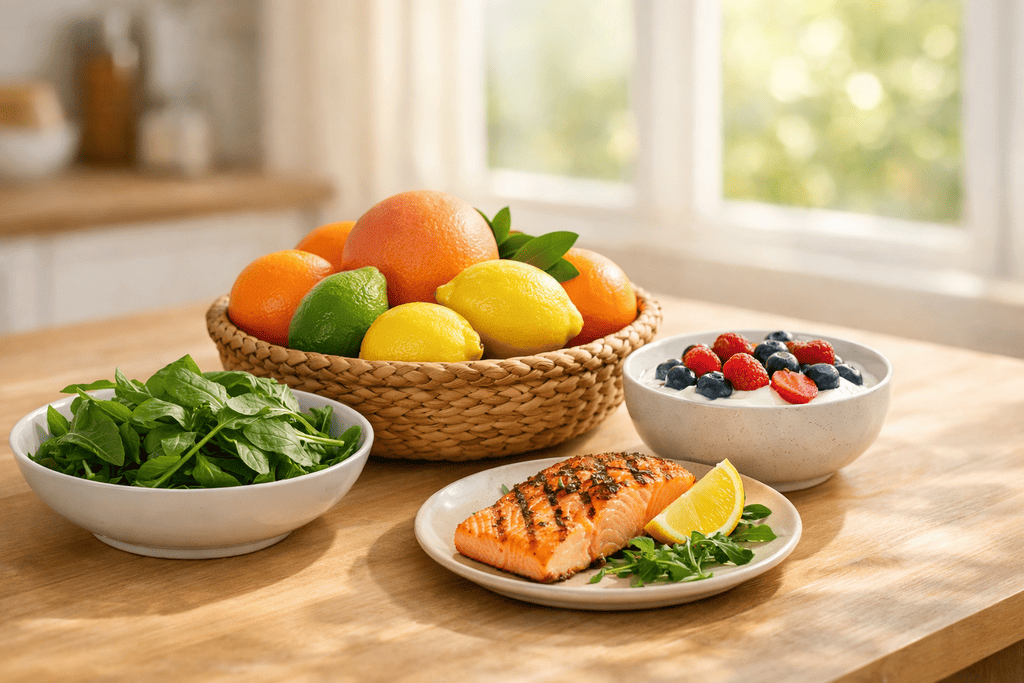
A Holistic Health Guide: Nutrition, Fitness, and Beauty in Seasonal Transitions
Introduction As daylight and temperatures shift from summer heat to autumn breezes, your body and mind adapt in dozens of subtle ways—core temperature regulation, circadian rhythm timing, skin barrier behavior, hydration needs, and even your motivation to move. A truly holistic approach to wellness through these months means aligning nutrition,…

- نمط lbb
- Ideal Health , Directions and Instructions
- August 21, 2025
- 87 views
How to Protect Our Health in Late Summer and Early Fall
Introduction The transition from late summer to early fall brings shifting temperatures, changing daylight, and new health stressors. Heat exposure and dehydration don’t disappear overnight, while ragweed pollen and other weeds surge, and respiratory viruses like influenza and RSV begin to circulate more widely. Add back-to-school routines, travel, and indoor…

- نمط lbb
- Ideal Health
- August 18, 2025
- 117 views
Late Summer and Early Autumn Effects : Prevention and Treatment
Introduction Late summer sliding into early autumn brings a distinct mix of heat, humidity shifts, airborne allergens, and respiratory viruses—all of which can nudge our bodies out of balance. The good news: most of these seasonal stressors are predictable and preventable with simple, evidence-based steps. This comprehensive guide explains the…

- نمط lbb
- Ideal Health
- August 17, 2025
- 152 views
Summer Diseases: Types, Treatment, and Prevention
Introduction Hot weather, outdoor activities, travel, and changes in food handling make summer a peak season for several communicable and environmental illnesses. Understanding the most common summer diseases, how they spread, and the evidence-based steps to treat and prevent them can keep you, your family, and your readers safe through…

- نمط lbb
- Ideal Health
- August 14, 2025
- 110 views
How to Stay Healthy During Late Summer and Fall Weather Fluctuations
Introduction Late summer and early fall bring welcome relief from peak heat for many regions, yet this transition period also creates a perfect storm of environmental changes that influence health. On the positive side, cooler evenings can improve sleep quality, outdoor exercise becomes more comfortable, and produce markets overflow with…
- نمط lbb
- Ideal Health
- August 10, 2025
- 109 views
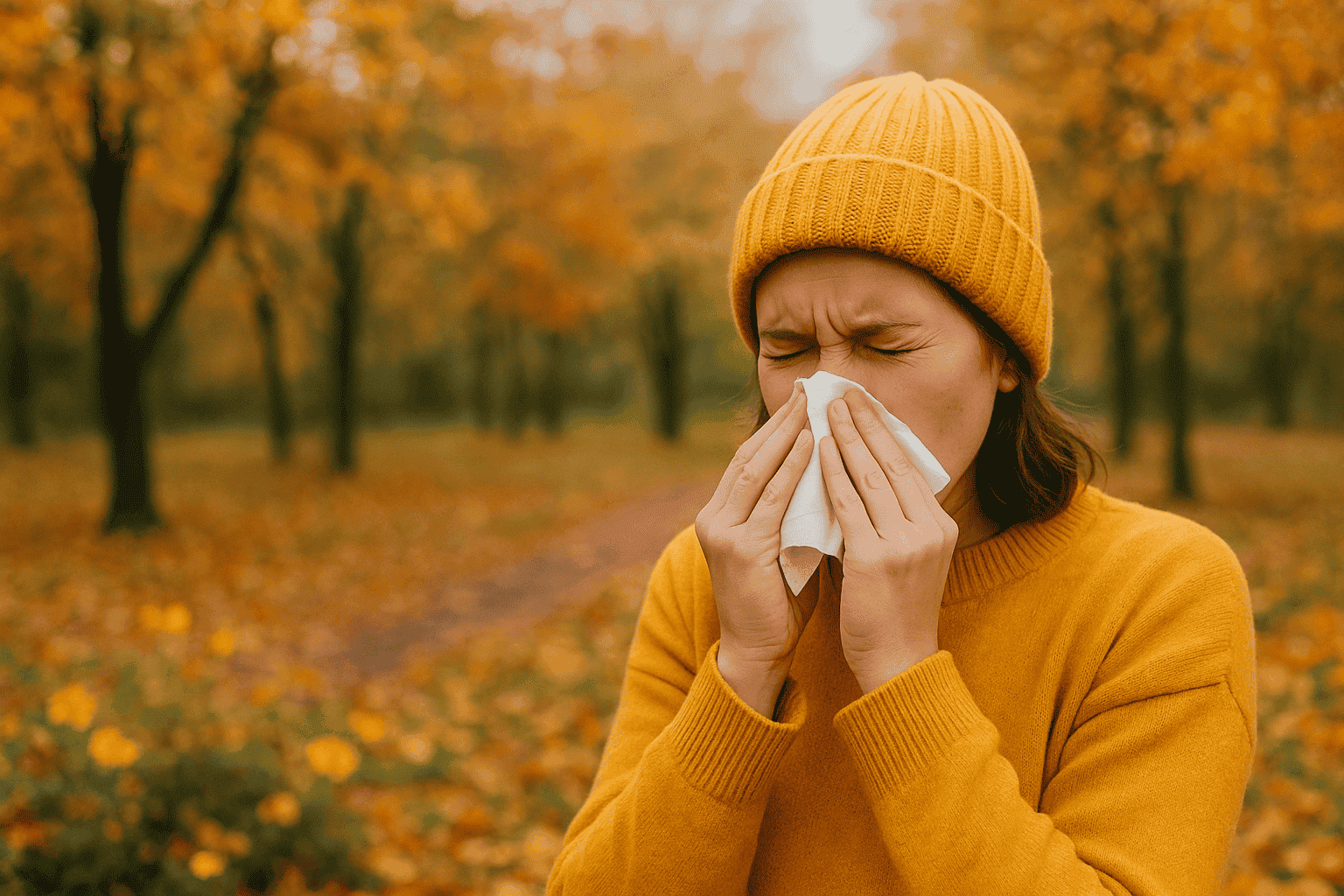
What Are the Health Effects of Climate Change Between Summer and Autumn?
Introduction Climate change is reshaping not only global temperature averages but also the timing, intensity, and duration of seasonal transitions. The shift from summer into autumn now happens under altered environmental conditions: longer and earlier heatwaves, extended droughts in some regions, more frequent and intense wildfires, altered rainfall patterns, and…
- نمط lbb
- Ideal Health
- August 3, 2025
- 108 views
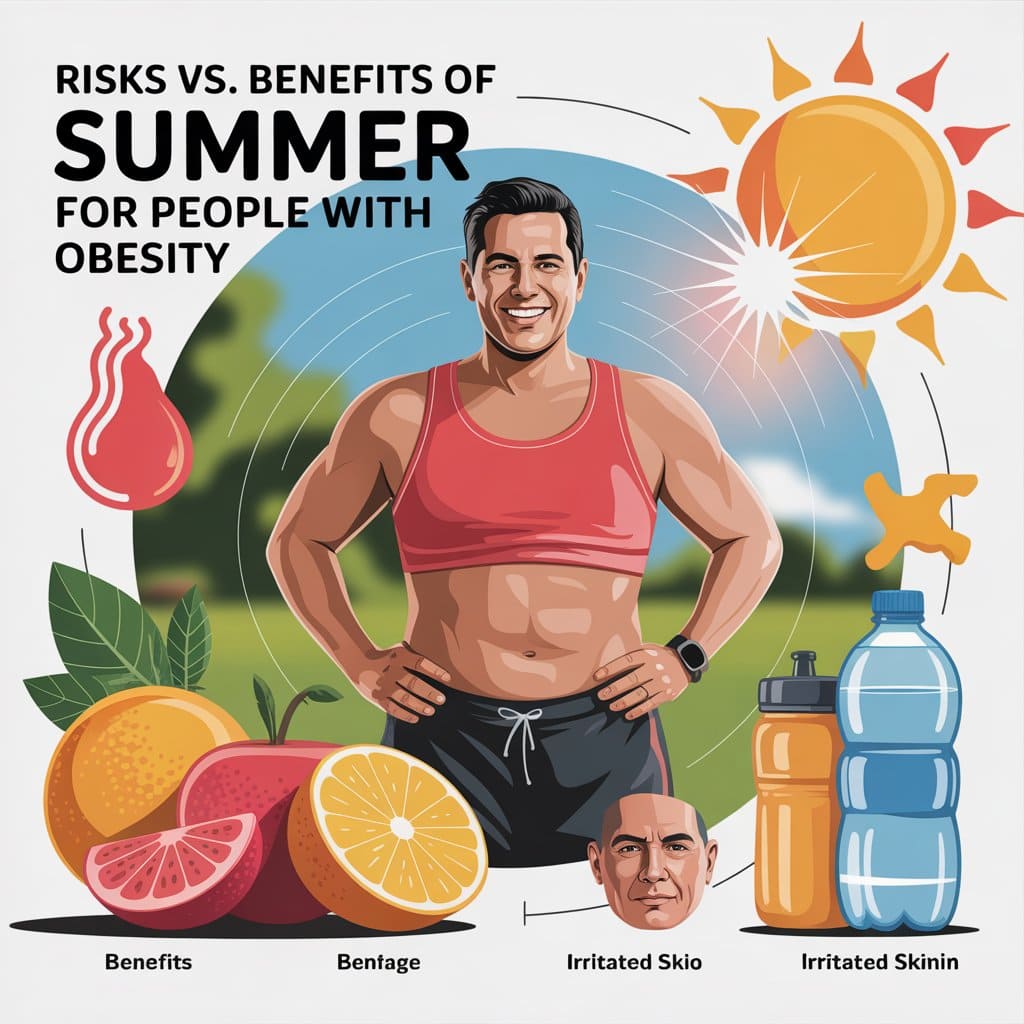
Obesity and Summer : Pros and Cons
Introduction Obesity, a complex medical condition characterized by excessive body fat, affects over 1 billion people globally, according to the World Health Organization (WHO). While obesity can impact health at any time of the year, summer introduces a unique set of advantages and disadvantages for individuals struggling with weight issues.…

- نمط lbb
- Ideal Health
- August 2, 2025
- 179 views
For People with Joint Pain: What Are the Pros and Cons of Summer Heat?
Introduction Joint pain is a widespread condition that affects millions globally, often stemming from chronic illnesses like arthritis, osteoporosis, or autoimmune disorders. As the seasons change, many people report noticeable differences in their symptoms, particularly during summer. While some individuals experience relief during warmer months, others notice their joint discomfort…
- نمط lbb
- Ideal Health
- August 1, 2025
- 189 views
How to Distinguish Between Fresh and Unripe Watermelon — And When It Becomes Harmful to Your Health
Introduction Watermelon is one of the most beloved summer fruits, known for its refreshing taste, hydrating qualities, and nutritional value. Rich in vitamins A, C, and antioxidants like lycopene, watermelon can be a healthy addition to your diet. However, not all watermelon is good for you. Consuming unripe, spoiled, or…
- نمط lbb
- Ideal Health
- July 31, 2025
- 115 views
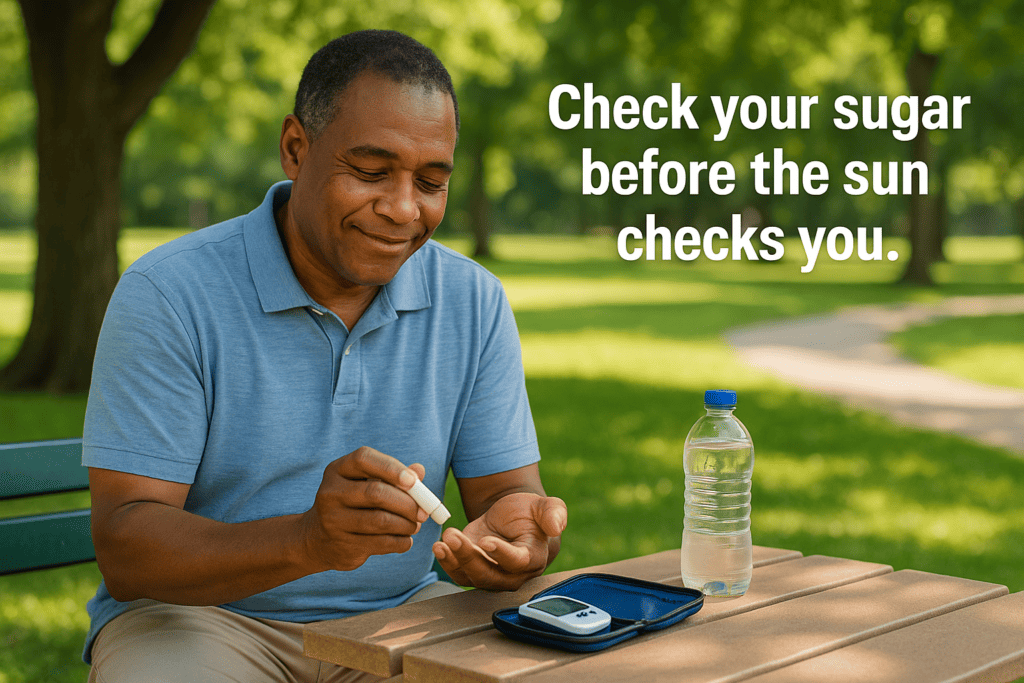
Diabetes in the Summer : Risks and Preventive Measures for a Healthy Season
Introduction As temperatures soar during the summer months, managing chronic health conditions becomes more challenging—especially for individuals living with diabetes mellitus. Heat and humidity can disrupt blood sugar levels, increase the risk of dehydration, and interfere with medications and insulin storage. According to the Centers for Disease Control and Prevention…