 Bbihi L
A strong immune system is your body’s first line of defense against infections, viruses, and harmful bacteria. While no single food can prevent illness, following a healthy, balanced diet combined with positive lifestyle habits can significantly support your immune function and overall well-being.
In this guide, you’ll discover the best immune-boosting foods, essential nutrients, healthy habits, and common mistakes to avoid for long-term health.
Why a Strong Immune System Matters
Your immune system protects your body from viruses, bacteria, fungi, and other harmful microorganisms. When it functions properly, it identifies and removes threats before they can cause serious illness.
A weakened immune system may increase your risk of frequent infections and slow recovery. Fortunately, healthy nutrition, regular exercise, quality sleep, and stress management all contribute to stronger immune function.
Best Foods to Boost Immunity
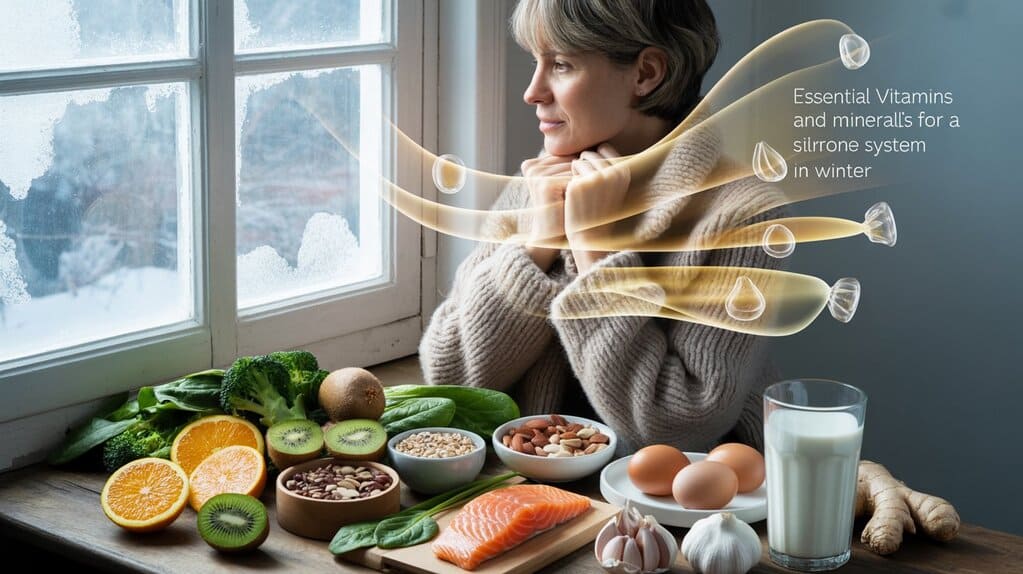
Adding nutrient-rich foods to your daily meals helps provide the vitamins and minerals your immune system needs.
Citrus Fruits
Oranges, lemons, grapefruits, and tangerines are excellent sources of vitamin C, which supports the production of white blood cells.
Garlic
Garlic contains natural compounds that may help support immune function and has long been valued for its antimicrobial properties.
Yogurt
Plain yogurt with live probiotic cultures promotes a healthy gut microbiome, an important part of immune health.
Nuts and Seeds
Almonds, sunflower seeds, pumpkin seeds, and other nuts provide zinc, vitamin E, and healthy fats that support immune function.
Leafy Green Vegetables
Spinach, kale, and broccoli are rich in vitamins, antioxidants, and fiber that help maintain overall health.
Essential Nutrients for Immune Health
| Nutrient | Benefits | Common Food Sources |
|---|---|---|
| Vitamin C | Supports white blood cell production | Citrus fruits, strawberries, bell peppers |
| Vitamin D | Helps regulate immune responses | Fatty fish, fortified dairy products, sunlight |
| Zinc | Supports wound healing and immune cell function | Meat, legumes, seeds, nuts |
| Antioxidants | Protect cells from oxidative stress | Berries, vegetables, nuts, green tea |
A balanced diet usually provides these nutrients without relying heavily on supplements.
Healthy Habits That Strengthen Immunity
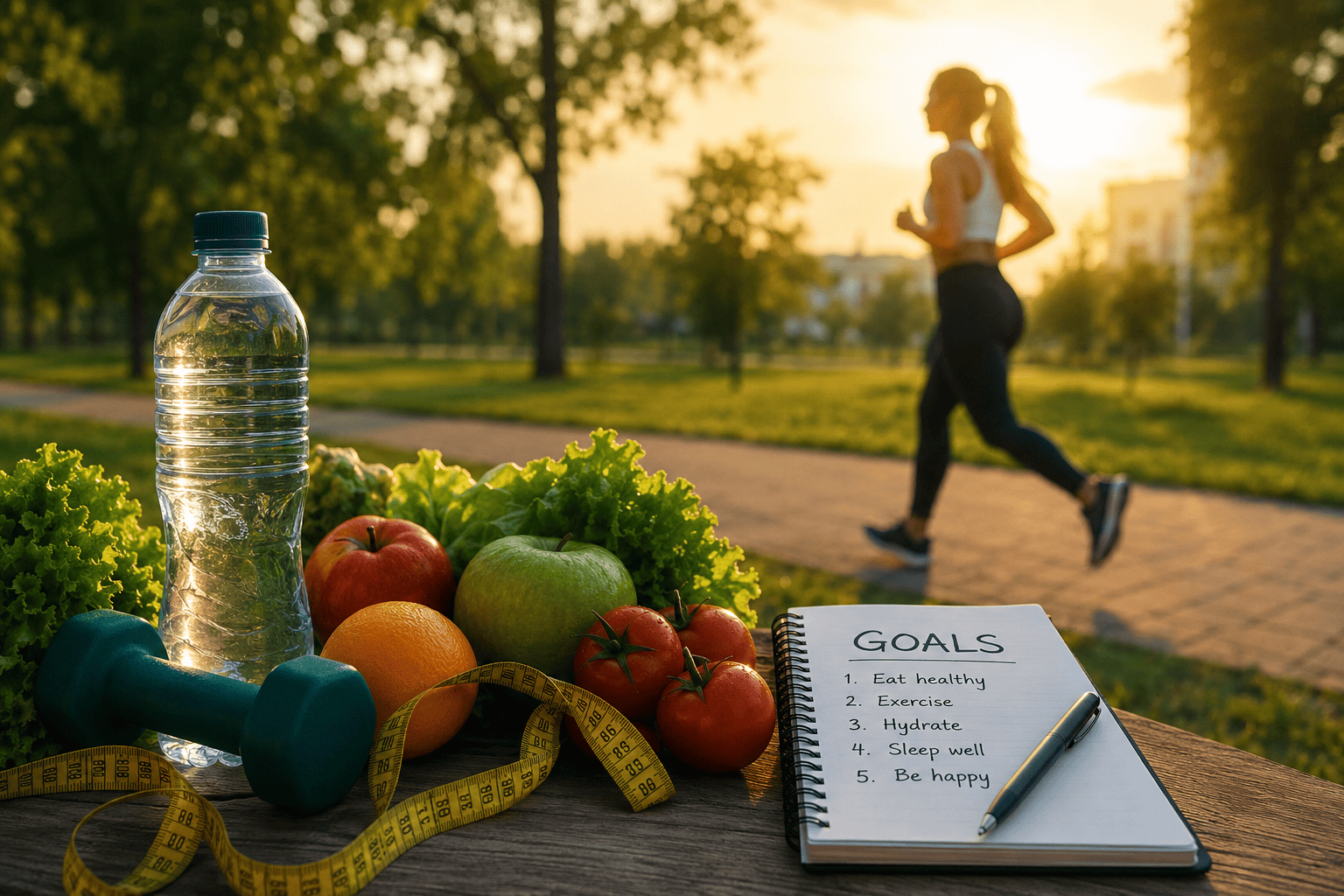
Nutrition works best when combined with healthy daily routines.
- Sleep 7–9 hours every night.
- Exercise regularly, aiming for at least 150 minutes of moderate activity each week.
- Stay hydrated throughout the day.
- Manage stress through meditation, deep breathing, or relaxing hobbies.
- Avoid smoking and limit alcohol consumption.
Together, these habits help your immune system function efficiently.
Common Mistakes That Weaken Immunity
Avoid these habits that may negatively affect your immune health :
- Eating excessive added sugars
- Frequently consuming highly processed foods
- Sleeping too little
- Living with chronic unmanaged stress
- Taking supplements without professional medical advice
Consistency in healthy habits is more beneficial than seeking quick fixes.
The Connection Between Nutrition and Overall Health
Your immune system is closely connected to your overall health. A balanced diet not only supports immunity but also contributes to :
- Higher energy levels
- Improved mental focus
- Better digestive health
- Healthier body weight
- Reduced risk of chronic disease
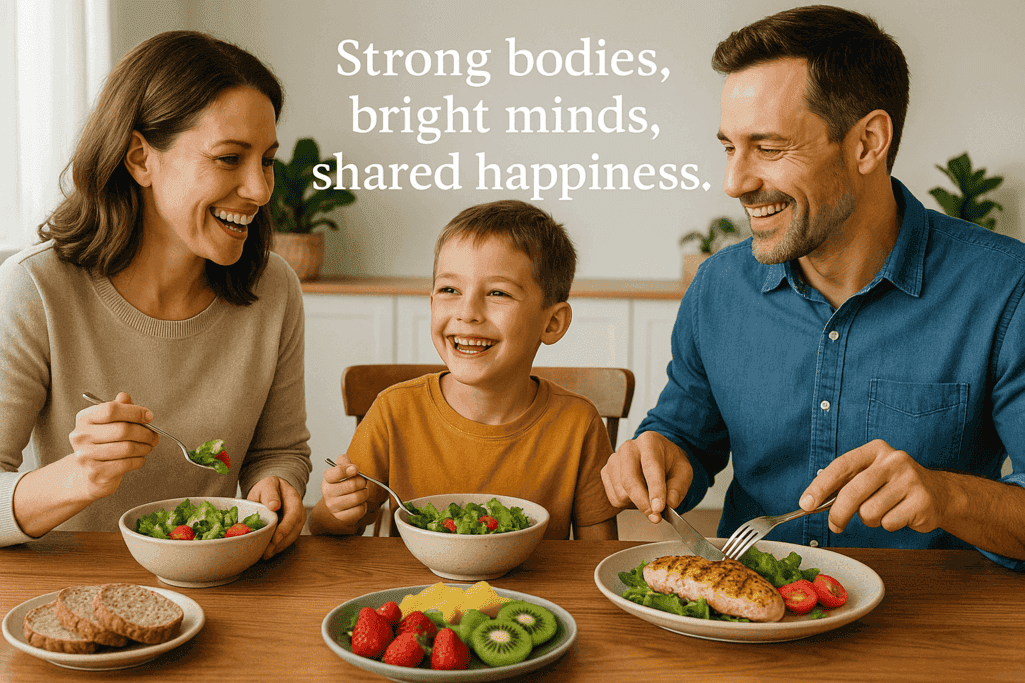
Healthy eating is one of the most effective long-term investments you can make for your well-being.
Quick Facts
- Vitamin C supports immune cell production.
- Vitamin D helps regulate immune responses.
- Probiotics support gut health, which influences immunity.
- Quality sleep is essential for immune recovery.
- A balanced diet is more effective than relying on individual “superfoods.”
Pro Tip
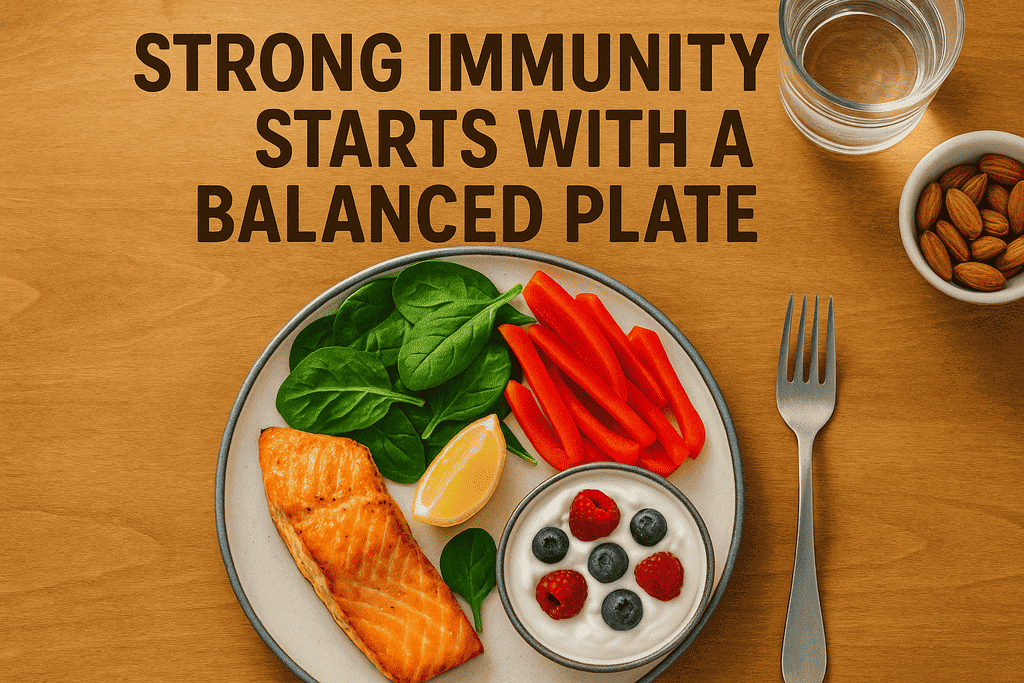
Fill at least half of your plate with colorful fruits and vegetables every day. A diverse range of plant foods provides vitamins, minerals, fiber, and antioxidants that naturally support immune health.
Top Search Results
People frequently search for :
- How to boost your immune system naturally
- Best foods for a stronger immune system
- Immune-boosting vitamins
- Healthy diet for better immunity
- Natural ways to prevent illness
- Foods rich in vitamin C and zinc
Frequently Asked Questions
Can food alone strengthen the immune system?
No. A healthy diet supports immune function, but regular exercise, quality sleep, hydration, and stress management are equally important.
What is the best vitamin for immunity?
There is no single “best” vitamin. Vitamin C, vitamin D, and zinc all play important roles in supporting normal immune function.
Are supplements necessary?
Most healthy people can obtain essential nutrients through a balanced diet. Supplements should only be used when recommended by a qualified healthcare professional.
Does drinking more water improve immunity?
Proper hydration supports many body functions, including the immune system, although water alone does not directly boost immunity.
Key Results
- Healthy nutrition is one of the most effective ways to support immune health.
- Vitamin C, vitamin D, zinc, and antioxidants play essential roles in immune function.
- Whole foods provide the best foundation for long-term wellness.
- Healthy lifestyle habits work together with good nutrition to strengthen the body’s natural defenses.
- Consistency is more important than quick solutions.
Conclusion
Building a stronger immune system naturally begins with everyday choices. Eating a balanced diet rich in fruits, vegetables, lean proteins, healthy fats, and whole grains provides your body with the nutrients it needs to function at its best. Combined with regular exercise, quality sleep, hydration, and effective stress management, these habits can help support long-term health and resilience.
Start making small improvements today. Over time, these healthy choices can lead to a stronger immune system and a healthier, more energetic life.
Medical Disclaimer : This article is for informational purposes only and should not be considered medical advice. Always consult a qualified healthcare professional before making significant changes to your diet, lifestyle, or healthcare routine.