
 Bbihi L
Introduction
Cold weather can take a serious toll on both your skin and your overall health. Low temperatures, dry air, and harsh winds strip away your skin’s natural moisture, increasing the risk of dryness, irritation, cracking, and sensitivity. At the same time, prolonged exposure to cold may affect circulation and make it more difficult for your body to maintain comfort.
This evidence-based guide explains how to protect your skin and body from cold weather using practical daily habits, proper skincare, balanced nutrition, and smart lifestyle choices. These recommendations are based on current scientific research and are suitable for most healthy adults.
Quick Facts
| Fact | Details |
|---|---|
| Primary winter skin problem | Dryness caused by low humidity and cold air |
| Best moisturizer ingredients | Ceramides, hyaluronic acid, glycerin |
| Should you wear sunscreen in winter? | Yes. UV rays remain active year-round. |
| Hydration matters? | Yes—both drinking water and moisturizing are essential. |
| Most vulnerable areas | Hands, lips, cheeks, nose, and face |

How Cold Weather Affects Your Skin and Body
Winter weather creates several challenges for the body.
Skin Effects
- Reduced humidity causes moisture loss.
- Cold wind weakens the skin’s protective barrier.
- Skin becomes dry, itchy, flaky, and more sensitive.
- Cracked skin increases the risk of irritation and infection.
Body Effects
- Blood vessels narrow to conserve heat, reducing circulation to the skin.
- Muscles and joints may become stiffer.
- Reduced sunlight can contribute to lower vitamin D levels.
- Dry indoor heating further dehydrates the skin.
Best Ways to Protect Your Skin and Body During Winter
1. Keep Your Skin Well Hydrated
Maintaining moisture is the foundation of winter skincare.
Best practices :
- Apply a thick moisturizer immediately after bathing.
- Choose products containing ceramides, hyaluronic acid, or glycerin.
- Reapply moisturizer to hands after washing.
- Avoid skincare products with high amounts of alcohol or harsh fragrances.
2. Wear Protective Clothing
Proper clothing minimizes heat loss and shields exposed skin.
Choose :
- Layered clothing
- Warm gloves
- Scarves
- Hats
- Water-resistant outerwear
- Breathable fabrics that prevent overheating
Cover exposed skin whenever temperatures are extremely low or winds are strong.
3. Adjust Your Winter Skincare Routine
Your summer skincare routine may not provide enough protection during winter.
Consider these changes :
- Use a gentle cleanser instead of harsh soaps.
- Limit showers to 5–10 minutes using warm—not hot—water.
- Apply moisturizer immediately afterward.
- Continue using broad-spectrum SPF 30 or higher, even on cloudy days.
4. Stay Hydrated from the Inside
People often drink less water during winter, but hydration remains essential.
Support healthy skin by :
- Drinking water consistently throughout the day.
- Eating water-rich fruits and vegetables.
- Limiting excessive alcohol intake, which can contribute to dehydration.
5. Eat Skin-Friendly Foods
Nutrition plays an important role in maintaining healthy skin.
Include foods rich in :
- Omega-3 fatty acids (salmon, sardines, walnuts, flaxseed)
- Vitamin C (citrus fruits, berries, peppers)
- Vitamin E (almonds, sunflower seeds)
- Antioxidants from colorful fruits and vegetables
- Lean proteins that support skin repair
6. Protect Your Lips and Hands
These areas lose moisture quickly.
Use :
- Lip balm with SPF
- Thick hand cream
- Barrier creams before going outdoors
Avoid licking your lips, as saliva evaporates quickly and worsens dryness.
7. Support Your Immune System
Winter wellness extends beyond skincare.
Healthy habits include :
- Getting 7–9 hours of quality sleep
- Exercising regularly
- Managing stress
- Eating a balanced diet
- Discussing vitamin D supplementation with a healthcare professional if appropriate
Scientific Evidence
Recent research supports these recommendations.
| Study | Key Finding |
|---|---|
| Journal of Dermatological Science (2021) | Cold exposure reduces skin barrier function and hydration. |
| Clinical, Cosmetic and Investigational Dermatology (2019) | Ceramide-based moisturizers improve winter skin hydration. |
| Nutrients (2020) | Omega-3 fatty acids support skin integrity and reduce inflammation. |
| Environmental Research (2018) | Cold temperatures reduce peripheral circulation. |
| Frontiers in Medicine (2022) | Vitamin D contributes to normal immune function, especially during periods of limited sunlight. |
Research Gap
More long-term clinical studies are needed to better understand how nutrition, skincare, and environmental protection work together to improve skin resilience during prolonged cold exposure.
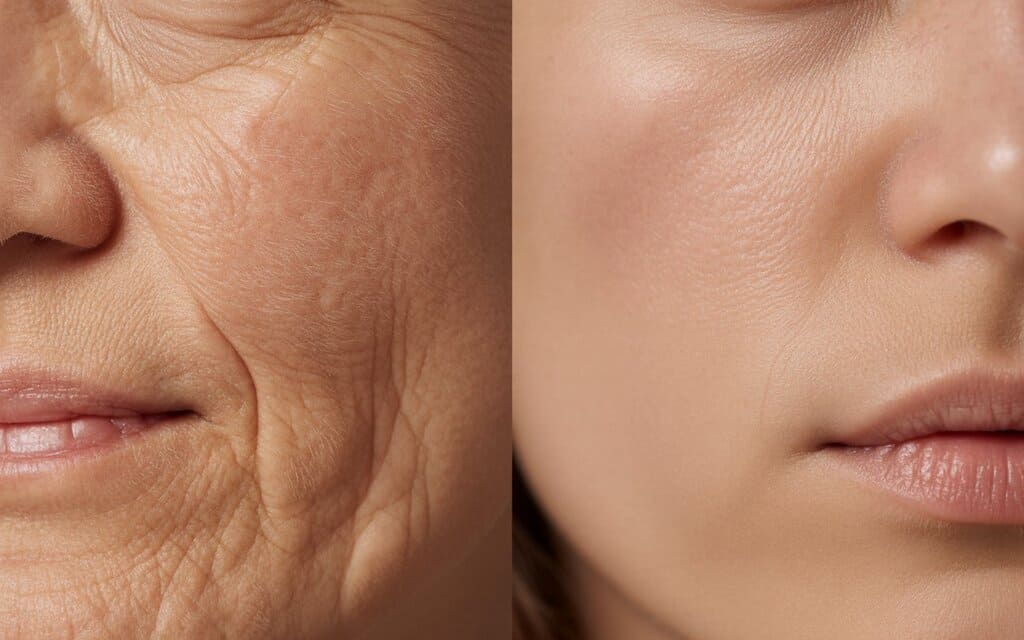
Winter Skin Protection Comparison
| Strategy | Main Benefit | Recommended Use |
|---|---|---|
| Moisturizer | Prevents dryness | Twice daily or as needed |
| Sunscreen | Protects against UV damage | Every morning |
| Hydration | Supports skin elasticity | Throughout the day |
| Protective clothing | Reduces cold and wind exposure | Whenever outdoors |
| Balanced nutrition | Supports skin repair | Daily |
Pro Tip
Apply moisturizer within three minutes after bathing. This helps lock in moisture before it evaporates, improving skin hydration throughout the day.
Top Search Results
People commonly search for :
- How to prevent dry skin in winter
- Best moisturizer for cold weather
- Winter skincare routine
- How to protect skin from cold wind
- Is sunscreen necessary in winter?
- Best foods for healthy skin during winter
- How to prevent cracked hands
Frequently Asked Questions
1. How can I prevent dry skin during winter?
Apply a rich moisturizer immediately after bathing, avoid long hot showers, and use a humidifier if indoor air is very dry.
2. Should I wear sunscreen in winter?
Yes. UV rays penetrate clouds and snow can reflect sunlight, increasing UV exposure.
3. Which foods help protect the skin in cold weather?
Foods rich in omega-3 fatty acids, vitamins C and E, antioxidants, and high-quality protein support healthy skin.
4. Why does my skin feel tight in winter?
Cold air and low humidity reduce moisture in the outer skin layer, leading to dehydration and tightness.
5. Can cold weather weaken the skin barrier?
Yes. Cold temperatures and dry air can compromise the skin barrier, making skin more prone to irritation, moisture loss, and sensitivity.
Key Results
- Cold weather weakens the skin’s protective barrier.
- Daily moisturizing is the most effective defense against winter dryness.
- Protective clothing reduces cold and wind exposure.
- Healthy nutrition supports skin repair and resilience.
- Hydration inside and out is essential.
- Sunscreen should remain part of your daily routine year-round.
- Healthy lifestyle habits also help maintain immune function during winter.
Conclusion
Protecting your skin and body from cold weather requires a combination of smart skincare, proper hydration, nutritious food, protective clothing, and healthy daily habits. Scientific evidence consistently shows that maintaining the skin barrier, preventing moisture loss, and supporting overall wellness can reduce many common winter skin problems.
By following these practical strategies, you can keep your skin healthier, more comfortable, and better protected throughout the colder months.
Call to Action : Start your winter skincare routine today by upgrading your moisturizer, staying hydrated, and protecting exposed skin whenever you head outdoors. Small daily habits can make a significant difference all season long.
Health Disclaimer
This article is intended for educational and informational purposes only and should not be considered medical advice. If you have persistent skin conditions, severe irritation, frostbite, or other health concerns, consult a qualified healthcare professional for personalized diagnosis and treatment.