نمط lbb
Introduction
Fruits are nature’s gift to human health—rich in vitamins, minerals, antioxidants, and dietary fiber. From boosting immunity to improving digestion, fruits are essential for maintaining overall well-being. Yet, a common question continues to spark debate among nutritionists and health-conscious individuals: When is the best time to eat fruits to maximize their benefits?
Some believe fruits should be eaten on an empty stomach, while others argue they can be consumed at any time. Another common concern is whether certain fruits cause side effects when eaten at the wrong time or in excess.
Recent medical studies conducted in Asia, America, and Europe have shed light on this subject, exploring how fruit timing influences digestion, metabolism, blood sugar regulation, and nutrient absorption. By understanding not only the health benefits of fruits but also the optimal timing for consumption, you can get the most out of every bite.
This article will explore the science of fruit timing, highlight the safest and healthiest fruits, discuss risks of poor fruit timing, and provide practical, healthy fruit ideas to integrate into your daily diet.
Key Points
- Eating fruits at the right time helps maximize nutrient absorption.
- The ideal time depends on the type of fruit and the time of day.
- Most fruits are safe and beneficial when consumed in appropriate portions.
- Proper fruit timing can improve digestion, energy levels, and immune function.
- Choosing fresh, seasonal fruits is key to reducing risks and maximizing health.

Why Timing Matters : The Science Behind Eating Fruits
Fruits are packed with natural sugars (fructose, glucose), enzymes, and dietary fiber, which directly affect digestion and metabolism. If eaten at the wrong time, fruits may lead to:
- Bloating and indigestion (when combined with heavy meals).
- Unwanted weight gain (especially if consumed late at night).
- Blood sugar fluctuations (if taken excessively before sleep).
On the other hand, when fruits are consumed at the right time, the body benefits from:
- Faster nutrient absorption (vitamins and antioxidants are more bioavailable).
- Better digestion and gut health (thanks to fiber and enzymes).
- Improved energy and metabolism throughout the day.
👉 A 2021 European Journal of Nutrition study confirmed that eating fruits on an empty stomach significantly improved the absorption of vitamin C and flavonoids, compared to post-meal consumption.
📊 Nutritional Table : Common Fruits and Their Benefits
| Fruit | Key Nutrients | Health Benefits |
|---|---|---|
| Orange | Vitamin C, Potassium | Strengthens immunity, reduces chronic disease risk |
| Mango | Vitamin A, Potassium | Improves vision, supports immune function |
| Strawberry | Vitamin C, Antioxidants | Fights inflammation, improves skin health |
| Apple | Fiber, Vitamin C | Aids digestion, lowers cholesterol |
| Banana | Potassium, Vitamin B6 | Boosts energy, supports heart health |

Best Times to Eat Fruits for Maximum Benefits
🕖 1. In the Morning (Empty Stomach or with Breakfast)
- Jumpstarts metabolism and energy.
- Promotes better nutrient absorption.
- Supports a healthy immune system.
✅ Example: A glass of water followed by an apple, banana, or orange with oatmeal or yogurt.
⏱️ 2. Between Meals (Mid-Morning or Afternoon Snack)
- Prevents overeating at main meals.
- Provides a natural energy boost without processed sugars.
- Helps regulate blood sugar levels.
✅ Example: Strawberries, blueberries, or sliced mango as a light snack.
🚫 3. Avoid Eating Fruits Late at Night
- Fruits contain natural sugars that may cause blood sugar spikes.
- Can lead to bloating, indigestion, or fat storage.
⚠️ A 2022 study in Nutrition Reviews revealed that eating fruits late at night increased overnight blood glucose levels, negatively impacting sleep quality and metabolic function.

Fruits with Minimal Side Effects
Some fruits are more digestive-friendly and rarely cause side effects, even when eaten regularly:
🍎 1. Apples
- Rich in soluble fiber (pectin).
- Supports gut microbiome and satiety.
- Helps regulate cholesterol.
🍓 2. Strawberries
- Low in calories, high in polyphenols.
- Reduces inflammation and supports skin health.
- Safe for people with sensitive digestion.
🍌 3. Bananas
- Easy to digest, high in potassium.
- Provides quick energy, balances stomach acidity.
- Recommended for athletes and those with weak digestion.
📢 Expert Tip: Choose fresh, seasonal fruits over canned or processed options, which often contain added sugars and preservatives.
The Downsides of Eating Fruits at the Wrong Time
While fruits are healthy, eating them incorrectly can cause:
- Weight gain due to excess sugar consumption at night.
- Digestive discomfort (gas, bloating, or fermentation in the gut).
- Reduced nutrient absorption when consumed directly after a heavy meal.
👉 Scientific Evidence: According to the Harvard T.H. Chan School of Public Health, fruit fiber and nutrients are best utilized when fruits are eaten between meals or on an empty stomach.
How to Eat Fruits for Optimal Health
To maximize the benefits of fruit intake, follow these evidence-based guidelines:
✅ Eat fruits on an empty stomach or before meals.
✅ Pair fruits with protein or healthy fats (e.g., yogurt, nuts) to improve satiety.
✅ Avoid combining acidic fruits (citrus, pineapple) with starchy meals to reduce digestion issues.
✅ Choose whole fruits instead of juices to preserve fiber content.
✅ Stick to 2–3 servings daily, ideally spread throughout the day.
🍽️ Healthy Ideas for Eating Fruits
- Breakfast Bowl: Oats topped with banana, strawberries, and chia seeds.
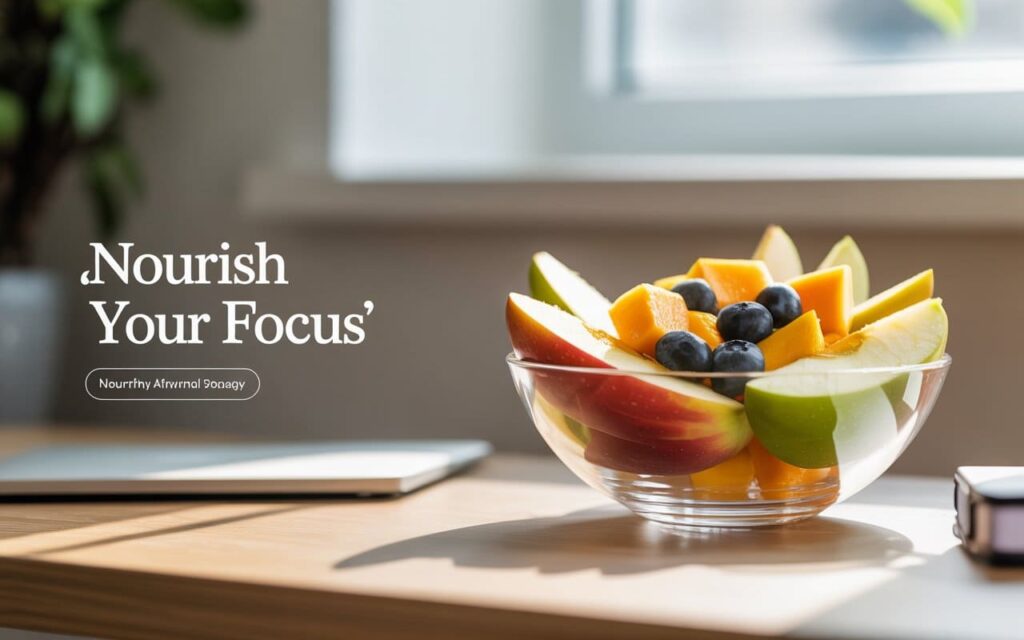
- Energy Snack: Apple slices with almond butter.
- Hydrating Salad: Watermelon, cucumber, and mint.
- Antioxidant Smoothie: Blueberries, spinach, and kefir.
- Light Dessert: Baked apples with cinnamon.
Conclusion
Fruits are indispensable to a balanced diet, but the timing of consumption makes a significant difference in how your body uses their nutrients. Eating fruits in the morning or as a midday snack ensures maximum absorption, better digestion, and stable energy levels.
Avoid consuming fruits late at night, when their natural sugars may cause indigestion, poor sleep, or weight gain. Choose fresh, seasonal fruits in moderation, and combine them with protein or healthy fats for sustained benefits.
Ultimately, the best time to eat fruit depends on your lifestyle, digestion, and health goals. Consulting with a registered dietitian or nutritionist can help personalize your fruit intake for optimal health.
By making simple adjustments in timing and choice of fruits, you can unlock their full nutritional power and improve your long-term well-being.
Frequently Asked Questions (FAQs)
1. What is the best time to eat fruits?
The best time is in the morning or between meals. Avoid eating fruits before bedtime.
2. Which fruits are safest to eat without side effects?
Apples, bananas, and strawberries are generally well-tolerated.
3. Are there risks to eating fruits at the wrong time?
Yes. Eating fruits late at night may cause digestive issues or weight gain.
4. What are the benefits of eating fruits at the right time?
Better nutrient absorption, stronger immunity, improved digestion, and weight control.
5. How many servings of fruits should I eat daily?
Aim for 2–3 servings of fresh fruits per day, spread throughout the day.
📚 References
- European Journal of Nutrition (2021) – Effects of fruit timing on nutrient absorption.
- Nutrition Reviews (2022) – Impact of late-night fruit consumption on blood glucose.
- Harvard T.H. Chan School of Public Health – Healthy eating guidelines and fruit intake recommendations.
- Wikipedia – Fruits nutritional overview.