نمط lbb
Introduction
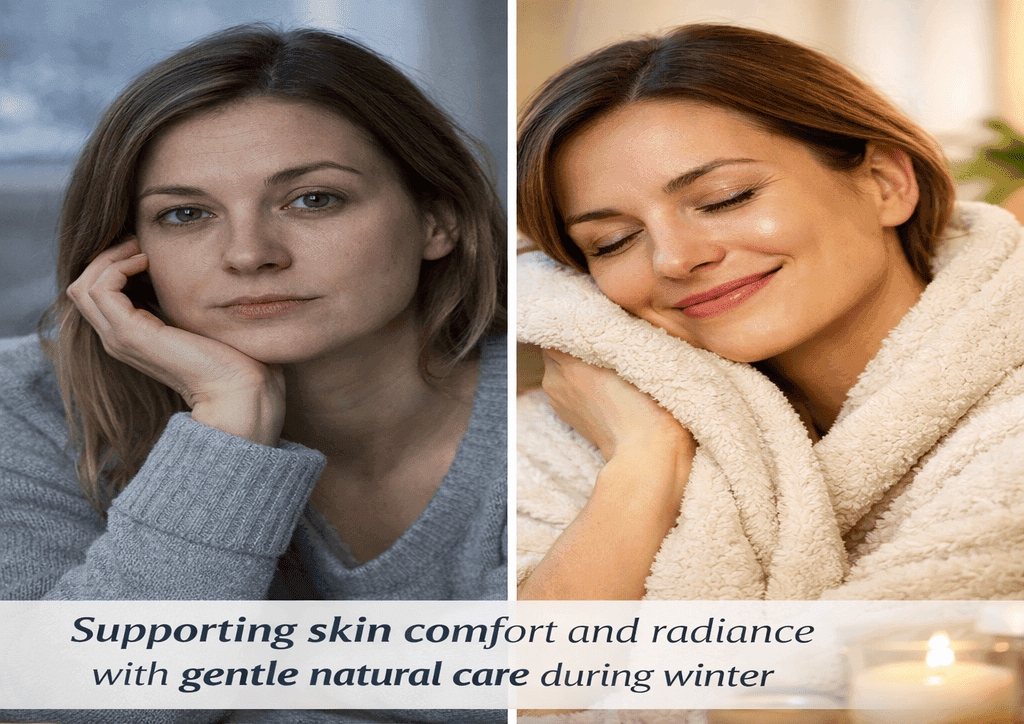
Autumn is a transitional season for both your wardrobe and your skin. As temperatures drop and indoor heating rises, humidity falls — and with those environmental shifts come predictable changes in skin hydration, barrier function, and the skin microbiome. A smart autumn skincare routine pairs targeted topical care with nutritional strategies that support skin structure and immunity from the inside out. This guide explains why skin changes in autumn, summarizes recent scientific findings from Asia, Europe, and North America, and gives an actionable, science-backed plan you can follow to keep your skin healthy, glowing, and resilient as the season changes.
Key points (at a glance)
- Autumn skin challenges: Increased transepidermal water loss (TEWL), dryness, sensitivity, and shifts in the skin microbiome. PMC+1
- Topical essentials: Emollients and occlusives with ceramides, hyaluronic acid, and gentle antioxidants help restore barrier function. Wiley Online Library+1
- Nutrition matters: Omega-3 fatty acids, carotenoids, and maintaining adequate vitamin D status support skin hydration, reduce inflammation, and contribute to photoprotection. PMC+2Wiley Online Library+2
- Microbiome care: Seasonal shifts in microbial populations correlate with skin hydration and TEWL; preserve diversity with gentle cleansing and pre/probiotic strategies when appropriate. Frontiers+1
- Practical routine: Switch to creamier moisturizers, use a humidifier if indoor air is dry, protect skin from UV when outdoors, and include anti-inflammatory nutrients in the diet. PMC+1
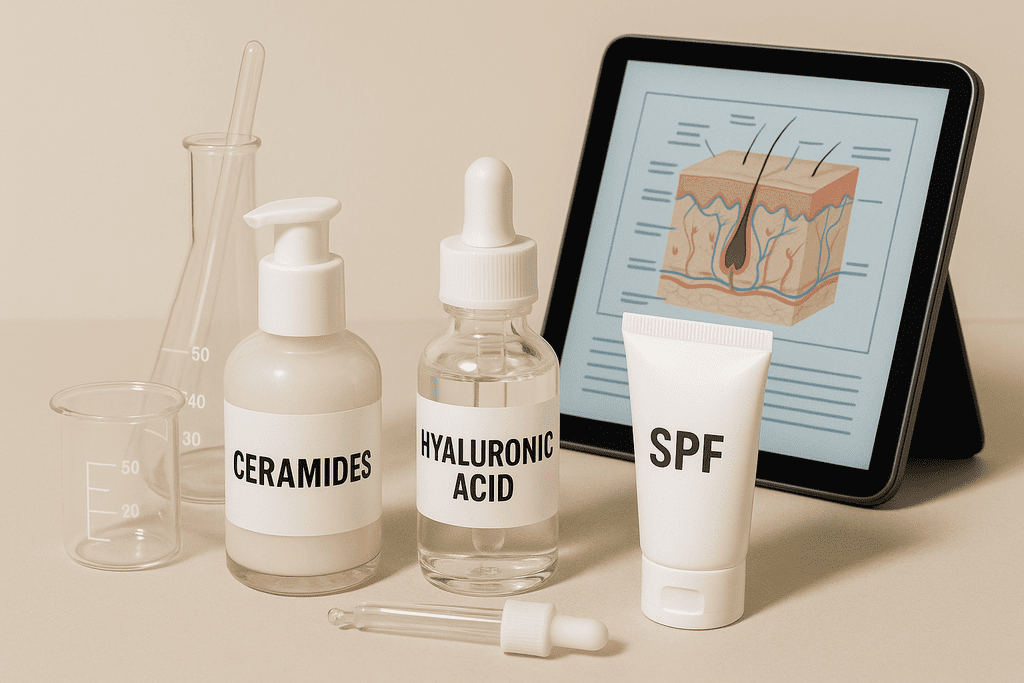
Why skin changes in autumn — the science
Autumn typically brings cooler air and lower absolute humidity outdoors plus heated, dry indoor air. These environmental changes increase transepidermal water loss (TEWL) and reduce skin surface hydration, which can compromise the epidermal barrier and increase sensitivity and flaking. Multiple recent reviews and clinical studies show that winter and transitional seasons are linked to higher TEWL and increased reports of xerosis (dry skin), particularly in elderly and atopic individuals. PMC+1
At a molecular level, ceramides (a class of epidermal lipids) and natural moisturizing factors (NMFs) decline or function less effectively in drier conditions, which reduces the barrier’s ability to hold water. Clinical trials and topical intervention studies show that ceramide-containing moisturizers improve barrier function and reduce symptoms of dryness and irritation. Wiley Online Library+1
The skin microbiome also changes seasonally: longitudinal studies demonstrate shifts in abundances of Cutibacterium, Staphylococcus, and Corynebacterium across the year, with correlations between seasonal microbial shifts and measures such as TEWL and hydration. Preserving microbial diversity helps maintain cutaneous immunity and barrier stability. Frontiers+1

Nutrition for autumn skin — evidence-based internal care
Nourishing skin from inside begins with a whole-food approach and includes specific nutrients that have clinical evidence for supporting skin hydration, elasticity, and inflammation control.
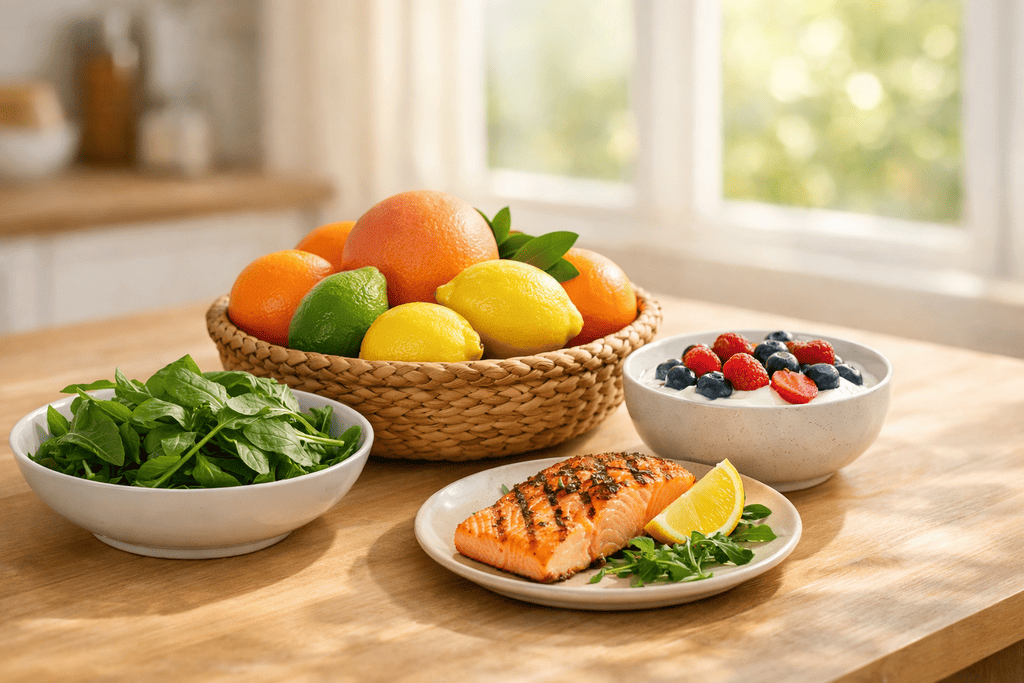
Omega-3 polyunsaturated fatty acids (PUFAs) — EPA and DHA — have anti-inflammatory effects and improve skin hydration and barrier function in several clinical trials and reviews. Both oral supplementation (fish oil, krill oil) and topical omega-3 formulations show benefit for reducing TEWL and improving skin elasticity in randomized studies. PMC+1
Carotenoids and antioxidants (beta-carotene, lycopene, lutein, vitamins C and E) provide photoprotective and anti-oxidative support. Dietary carotenoids are associated with subtle improvements in skin color and can support photoprotection when combined with sunscreen and topical antioxidants. Preprints+1
Vitamin D status often falls with reduced sun exposure in autumn and winter in many regions. Vitamin D has roles in cutaneous immunity and barrier homeostasis; population studies document seasonal dips in serum 25(OH)D and highlight the need for monitoring/supplementation according to local guidelines. PMC+1
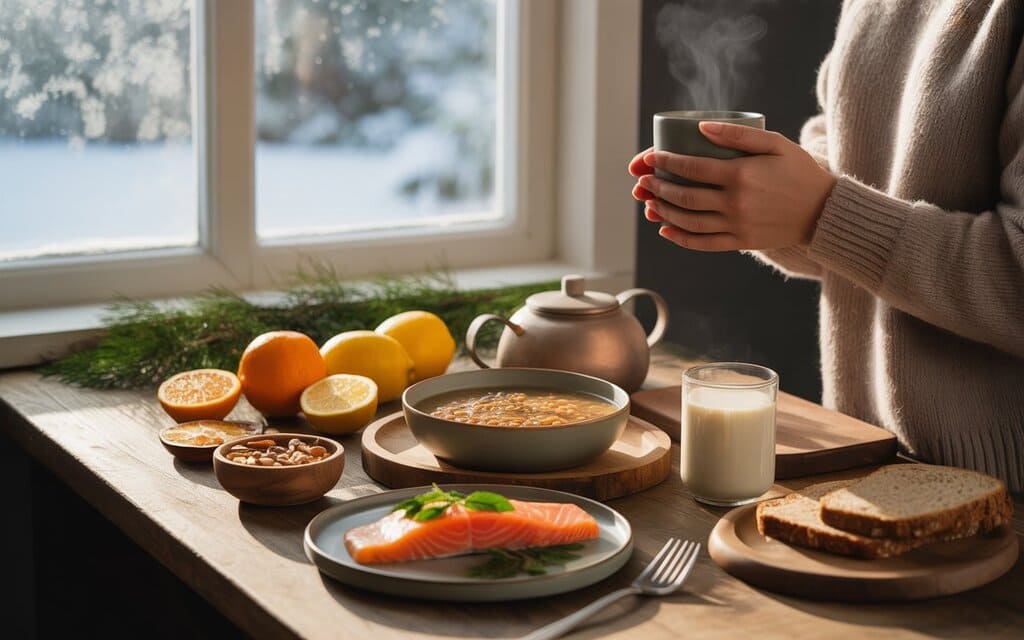
Practical nutrition checklist for autumn:
- Eat oily fish (salmon, mackerel) 2–3x/week or consider an omega-3 supplement after discussing dose with a clinician. PMC+1
- Increase colorful fruits and vegetables (sources of carotenoids and vitamin C). Preprints
- Check vitamin D status if you live at high latitude or have limited sun exposure; supplement per local/national recommendations. PMC

Topical skincare — caring from the outside
Transition your regimen to a barrier-first approach for autumn: choose products that restore lipids, hydrate deeply, and protect against oxidative stress.
1. Gentle cleansing: Use a mild, non-stripping cleanser. Avoid daily hot showers that strip NMFs and lipids. PMC
2. Hydration with humectants: Apply products containing hyaluronic acid (HA) to draw moisture into the stratum corneum. Clinical evidence supports HA serums and formulations for improved hydration and skin quality. PMC
3. Lipid replenishment: Use creams with ceramides, cholesterol, and free fatty acids to rebuild the barrier. Topical ceramide formulations reduce TEWL and soothe xerosis in controlled studies. Wiley Online Library+1
4. Occlusion at night: Apply occlusive agents (e.g., petrolatum or dimethicone-containing products) at night to lock in moisture on very dry days. Clinical guidance suggests higher lipid content in moisturizers during cold/dry seasons. jddonline.com
5. Antioxidants & sunscreen: Continue daily broad-spectrum SPF outdoors and consider topical antioxidants (vitamin C, vitamin E, niacinamide) to mitigate oxidative stress from residual UV and pollution. JCAD+1
A simple autumn skincare routine (example)
- Morning: gentle cleanser → antioxidant serum (vitamin C/niacinamide) → hyaluronic acid serum → ceramide moisturizer → SPF 30+ (if outdoors). PMC+1
- Night: gentle cleanser → targeted treatments (retinoids or actives as tolerated) → richer ceramide-containing cream → occasional occlusive layer if very dry. Wiley Online Library
Table — Inside vs Outside care (quick comparison)
| Focus | Internal (Nutrition) | External (Topical & Environmental) |
|---|---|---|
| Primary goal | Reduce inflammation, support barrier lipids, maintain vitamin D | Restore barrier lipids, increase hydration, protect surface |
| Key ingredients | Omega-3 (EPA/DHA), carotenoids, vitamin D, vitamins C/E | Ceramides, hyaluronic acid, occlusives (petrolatum), antioxidants |
| Evidence highlights | RCTs show omega-3 benefits for TEWL & hydration. Seasonal vitamin D deficits documented. PMC+1 | Clinical studies support ceramide creams and HA serums for hydration and barrier recovery. PMC+1 |
| Practical tip | Add oily fish, colorful produce; check vitamin D status | Use humidifier indoors; switch to creamier moisturizer; avoid hot showers. PMC |
The microbiome and sensitive skin : what to watch for
Seasonal shifts in microbial communities correlate with skin biophysical changes — for example, increases in Cutibacterium in colder months have been associated with TEWL changes in cohort studies. Maintaining a gentle routine (avoiding harsh surfactants and unnecessary antibiotics), plus considering topical pre-/probiotic formulations where evidence supports them, helps preserve microbial balance. Emerging reviews from dermatology researchers across regions highlight the microbiome’s role in barrier resilience and inflammation control. Frontiers+1
Practical lifestyle tips for autumn skin health
- Use a humidifier in dry indoor spaces to reduce TEWL. PMC
- Limit long, hot showers; opt for warm water and shorter durations. PMC
- Maintain consistent sleep, manage stress, and hydrate — systemic factors influence skin repair. (Stress, sleep loss and hydration impact skin recovery rates in multiple clinical observations.) PMC
- If you have chronic skin conditions (atopic dermatitis, psoriasis), consult your dermatologist early about adjusting emollients and anti-inflammatory therapies for seasonal flares. ScienceDirect
Conclusion
Autumn is an opportunity to adopt a preventive and restorative approach to beauty: combine scientific, nutrition-based internal care (omega-3s, carotenoids, and vitamin D awareness) with targeted topical interventions (hyaluronic acid, ceramides, antioxidants) and environmental adjustments (humidifiers, gentler bathing). Recent clinical studies and reviews from Asia, Europe, and North America consistently support a barrier-first regimen in drier seasons and emphasize the importance of maintaining the skin microbiome and nutritional status. By nourishing from the inside out and protecting from the outside in, you’ll keep your skin healthy, comfortable, and radiant throughout autumn and into winter. PMC+2PMC+2
References (selected)
- Bravo B. Benefits of topical hyaluronic acid for skin quality and signs of ageing. 2022. PMC article. PMC
- Park EH, et al. Effects of winter indoor environment on the skin. 2023. PMC article. PMC
- Schild J. The role of ceramides in skin barrier function and topical applications. 2024. International Cosmetic Science review. Wiley Online Library
- Seo JY, et al. Longitudinal study of skin barrier and microbiome seasonal variability. Front. Microbiol., 2023. Frontiers
- Sawada Y. Omega 3 fatty acids and skin diseases: clinical review. 2021. PMC article. PMC
- Handeland K., et al. Krill oil supplementation improves transepidermal water loss and hydration — dose dependent. 2024. Journal of Cosmetic Dermatology. Wiley Online Library
- Lips P. Trends in Vitamin D status around the world. 2021. PMC review. PMC
- Haykal D., et al. Dermatological health in light of skin microbiome — review. 2024. PMC article. PMC
- Takagi Y., et al. Efficacy of topical skin moisturizer — randomized study. 2024. PMC article. PMC
- Draelos ZD, Zeichner J. Antioxidants & hyaluronic acid in topical formulations — clinical perspectives. J Clin Aesthet Dermatol / J Drugs Dermatol. 2021–2024 commentary and trials. JCAD+1