Bbihi L.
Introduction
Staying physically active during cold weather is essential for maintaining health, boosting immunity, improving mood, and preventing the decline in physical fitness that often comes with winter’s short days and low temperatures. Cold environments can discourage many people from exercising, leading to increased sedentary behavior, weight gain, and weakened immune function. Research confirms that regular activity—even on very cold days—can help support cardiovascular health, prevent muscle loss, and may even reduce the frequency of common colds when done safely and consistently. PubMed
However, the harsh conditions of winter require special considerations. Cold air affects muscle flexibility, breathing, and cardiovascular responses. Physical exertion in cold environments can also feel more demanding on the body compared to moderate temperatures. Understanding short and effective workouts tailored for chilly days can keep you active, safe, and motivated.
In this comprehensive guide, you will learn about effective exercises for cold weather, safety tips, and scientifically backed reasons why staying active—even during freezing temperatures—is a smart choice for your health.
Why Staying Active on Very Cold Days Matters
Before diving into specific workouts, it’s important to understand the physiological and psychological benefits of exercise in cold conditions.
1. Cold Weather & Metabolism
Cold environments increase the body’s energy expenditure as it works to maintain core temperature. Some research shows that cardiovascular systems respond more dynamically when exercise occurs in cold versus neutral temperatures, which may train the heart and metabolism in unique ways. PubMed
2. Improved Immune Function
Studies suggest that regular, moderate-intensity exercise strengthens the immune response, potentially helping to prevent common illnesses such as the cold and flu during winter months. PubMed
3. Mood Enhancement & Mental Health
Winter is associated with reduced sunlight and increased rates of seasonal affective disorder (SAD). Exercise increases circulation and the release of “feel-good” neurotransmitters like endorphins and serotonin, helping to lift mood and reduce stress even on gray, chilly days. Harvard Health
4. Maintaining Strength & Mobility
Cold air can make muscles and joints feel stiff if left inactive. Targeted exercises help improve flexibility, balance, and overall physical function, especially when time outdoors is limited. Healthline

Safety Tips : How to Stay Safe While Exercising in Very Cold Weather
Cold weather exercise carries special risks, but with the right precautions, most people can exercise safely even in challenging conditions.
| Safety Category | Key Tips |
|---|---|
| Clothing & Layers | Dress in moisture-wicking base layers, insulating mid-layers, and a windproof outer layer. Protect extremities with gloves, hats, and thermal socks. Mirage News |
| Warm-Up Strategy | Spend 5–10 minutes on dynamic stretches and light activity indoors before heading outside. Mirage News |
| Hydration | Cold weather suppresses thirst; drink water before, during, and after activity. Healthline |
| Check Weather Conditions | Wind chill and precipitation dramatically increase health risks such as frostbite and hypothermia. www.heart.org |
| Know Your Limits | Avoid outdoor workouts in dangerously cold conditions; choose indoor alternatives. Tennessee État |
Effective Short Workouts for Very Cold Days
Below are simple, highly effective exercise routines you can perform either indoors or outdoors on cold days. These are designed to last between 10–30 minutes, require minimal equipment, and support strength, flexibility, and cardiovascular health.
Table : Short Workout Overview for Cold Days
| Workout Type | Duration | Benefits | Equipment Needed |
|---|---|---|---|
| Quick Warm-Up | 5–7 mins | Prepares muscles for activity | None |
| Bodyweight Circuit | 15–25 mins | Full-body strength | None |
| Indoor Cardio Blast | 10–20 mins | Heart health & calorie burn | Jump rope (optional) |
| Dynamic Stretch Routine | 10 mins | Improves mobility | Yoga mat |
| Cold Weather Outdoor Walk | 15–30 mins | Light cardio & mood boost | Warm clothing |
1. Quick Warm-Up Routine (5–7 minutes)
Warming up is essential, particularly in cold conditions when muscles are stiffer and more injury-prone. Mirage News
Warm-Up Steps:
- March in Place – 1 minute
- Arm Circles – 1 minute
- Leg Swings (forward/back) – 1 min each leg
- Hip Openers – 1 minute
- Jumping Jacks / High Knees – 2 minutes
Key Points :
- Perform this warm-up indoors before stepping outside.
- This increases blood flow and raises muscle temperature, reducing injury risk. Mirage News

2. Bodyweight Circuit (15–25 minutes)
This circuit requires no equipment and is perfect for staying active at home or in a heated indoor environment during cold weather.
Instructions : Perform each exercise for 45 seconds, rest 15 seconds between exercises. Complete 3 rounds.
- Squats – Builds lower body strength
- Push-Ups – Upper body & core activation
- Lunges (alternating) – Leg and balance work
- Glute Bridges – Hip and lower back strength
- Plank – Core stability
- Mountain Climbers – Cardio + core
Key Points :
- Works all major muscle groups.
- No gym or weights needed.
- Can maintain strength and muscle tone indoors when it’s too cold to go outside. JY EXERCISE PHYSIOLOGY
3. Indoor Cardio Blast (10–20 minutes)
When outdoor conditions are extreme, indoor cardio still offers excellent heart health benefits, calorie burning, and warm-up effects. Lifeline Fitness
Suggested Formats :
- Jump Rope Intervals : 1-minute jump, 30-seconds rest × 10
- Dance Workout : 15 minutes to favorite music
- Burpee & High-Knee Combination : Mix 30 secs burpees + 30 secs high knees × 6
Key Points :
- Quick cardio gets the heart rate up even in limited spaces.
- Increases body warmth to fight cold muscle stiffness. Lifeline Fitness
4. Dynamic Stretch Routine (10 minutes)
Cold weather can make joints feel stiff. A dynamic stretch sequence increases mobility, flexibility, and prepares you for movement. JY EXERCISE PHYSIOLOGY
Routine :
- Cat-Cow Stretch – 1 minute
- Hip Circles – 1 minute
- Shoulder Rolls – 1 minute
- Ankle Rotations – 1 minute
- Forward Fold to Reach – 2 minutes
- Torso Twists – 2 minutes
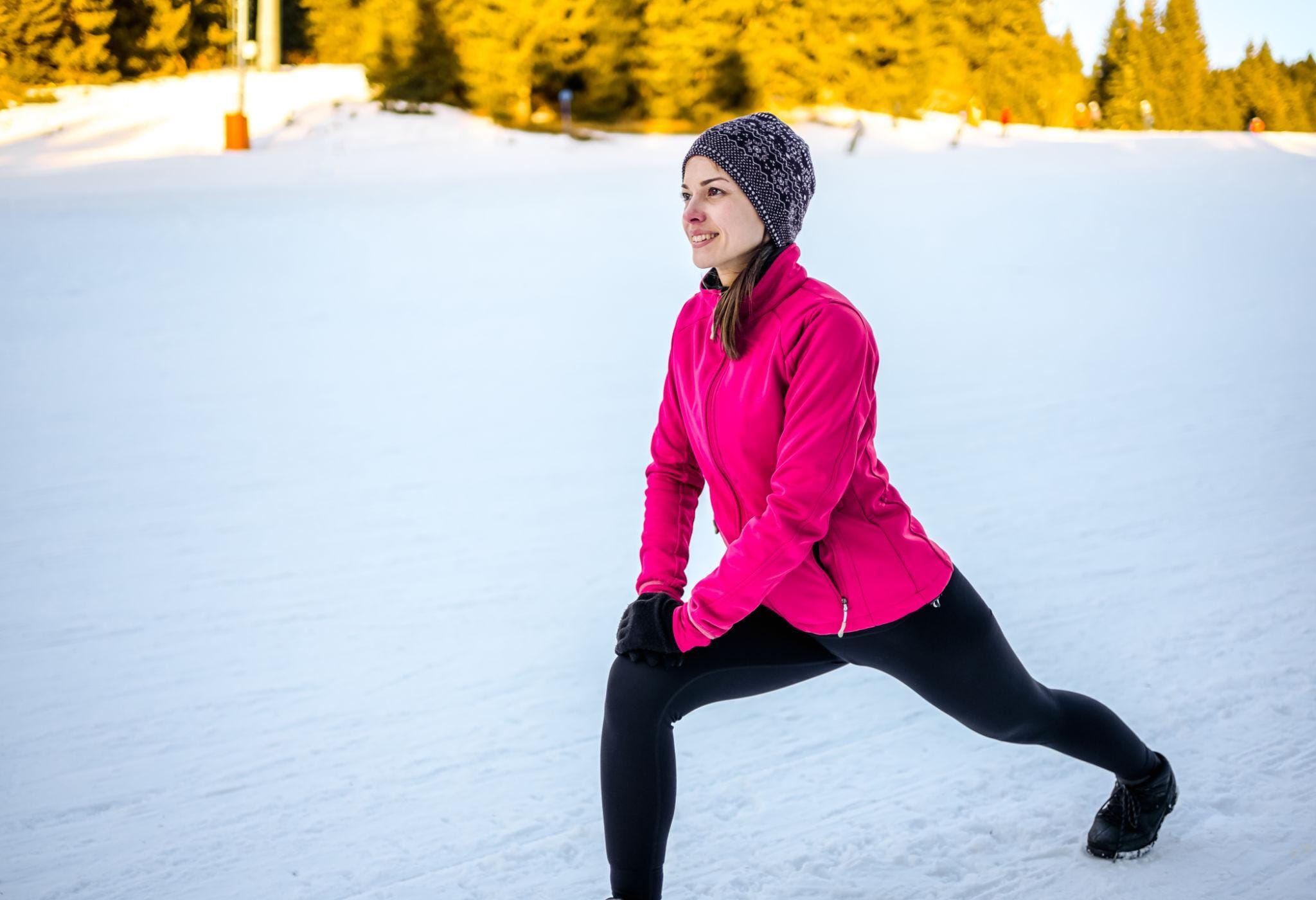
- Deep Lunge Stretch – 2 minutes
Key Points :
- Ideal before and after workouts.
- Supports joint health during colder months. JY EXERCISE PHYSIOLOGY
5. Outdoor Walk or Brisk Step Routine (15–30 minutes)
Walking in cold weather is simple yet effective for cardio, calorie burn, and mood enhancement. www.heart.org
Tips for Cold Weather Walking :
- Wear layers of moisture-wicking and insulating clothing. Mirage News
- Use traction shoes to avoid slipping on ice. Summit Physiotherapy
- Walk briskly to generate warmth and cardiovascular stimulation.
Conclusion
Cold weather doesn’t have to derail your fitness goals. With short, effective workouts, smart preparation, and safety awareness, you can maintain strength, mobility, and overall health even on the coldest days. Scientific evidence supports the benefits of staying active, including improved immunity, heart health, and metabolic function. PubMed+1
Whether you choose indoor bodyweight circuits, dynamic stretches, indoor cardio, or brisk cold-weather walks, incorporating regular movement helps you stay fit and resilient throughout winter. Prioritize warming up, dressing appropriately, and staying hydrated to get the most from your workouts while minimizing risks associated with cold-weather exercise.
Bibliography & References
- Cold Weather Activity and Exercise Tips — Healthline. Healthline
- Staying Active in Cold Weather — American Heart Association. www.heart.org
- Exercising Safely During Cold Weather — National Institute on Aging Guide. National Institute on Aging
- Winter Workout Tips — Summit Physiotherapy. Summit Physiotherapy
- Benefits and Risks of Cold-Weather Exercise — Medical News Today. Medical News Today
- Exercise in Cold: Effects on Cardiovascular Health — PubMed/ScienceDirect. PubMed+1
- Research on Exercise & Cold Weather Physical Health — PubMed Meta-Analysis. PubMed
- Harvard Health Winter Workouts Article. Harvard Health
- Wikipedia – Ice Bath (for context about cold and exercise recovery). Wikipédia