نمط lbb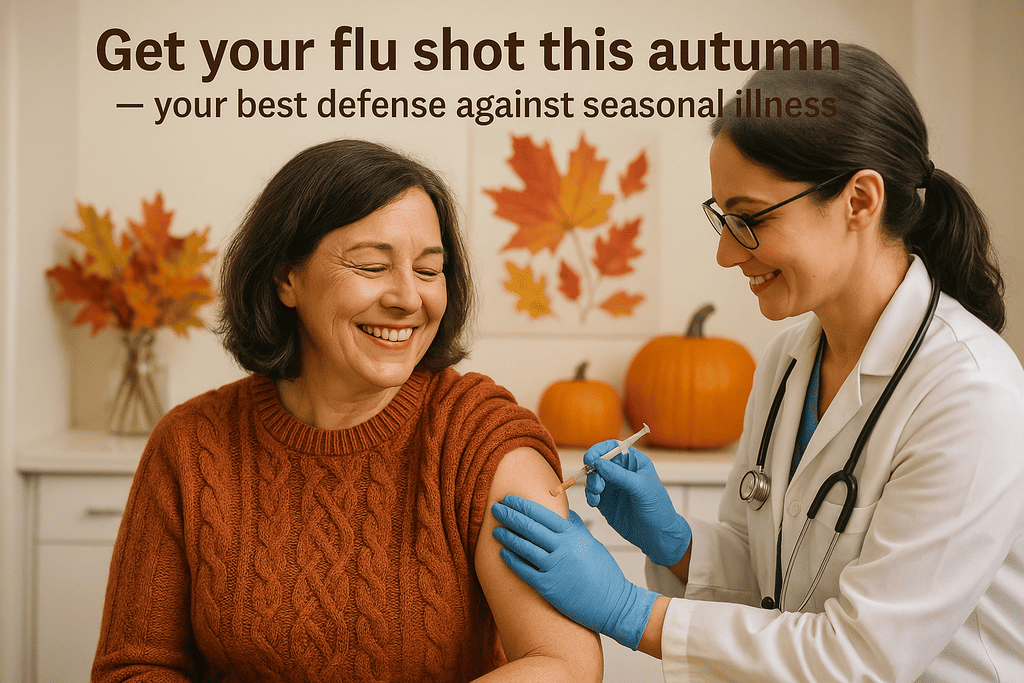
Introduction
Autumn brings crisp air, colorful leaves — and an uptick in respiratory infections. As temperatures fall and people spend more time indoors, viruses that cause the common cold, influenza (flu), and other respiratory illnesses find ideal conditions to spread. This guide explains practical, evidence-based steps you can take this autumn to reduce your risk. It blends vaccination, everyday hygiene, environmental controls, nutrition, and when to seek care, with references to recent studies and public-health guidance from North America, Europe, and Asia.
Key points
- Annual influenza vaccination remains the single best preventive measure against seasonal flu. CDC
- Hand hygiene and respiratory etiquette (covering coughs, staying home when sick) reduce spread of common respiratory viruses. The Lancet+1
- Masks and good ventilation reduce transmission risk in crowded indoor settings. PMC+1
- Vitamin D evidence is mixed; low-dose daily supplementation may offer small benefits for some groups but is not a substitute for vaccines and hygiene. The Lancet+1
- Maintain indoor humidity (around 40–60%) and increase fresh air exchange to lower viral survival and transmission. ScienceDirect
Why autumn is higher risk
Several factors converge in autumn to increase respiratory infections:
- Cooler outdoor temperatures mean more indoor crowding (schools, offices, public transport).
- Lower absolute humidity and indoor heating create conditions that can extend viral survival in droplets and aerosols. ScienceDirect
- Seasonal waning of some immune responses and overlapping circulation of multiple viruses (influenza, RSV, rhinoviruses, and — episodically — SARS-CoV-2).
Understanding these drivers helps us choose preventive measures that work with the season, not against it.
Evidence-based prevention strategies
1. Get the seasonal influenza vaccine
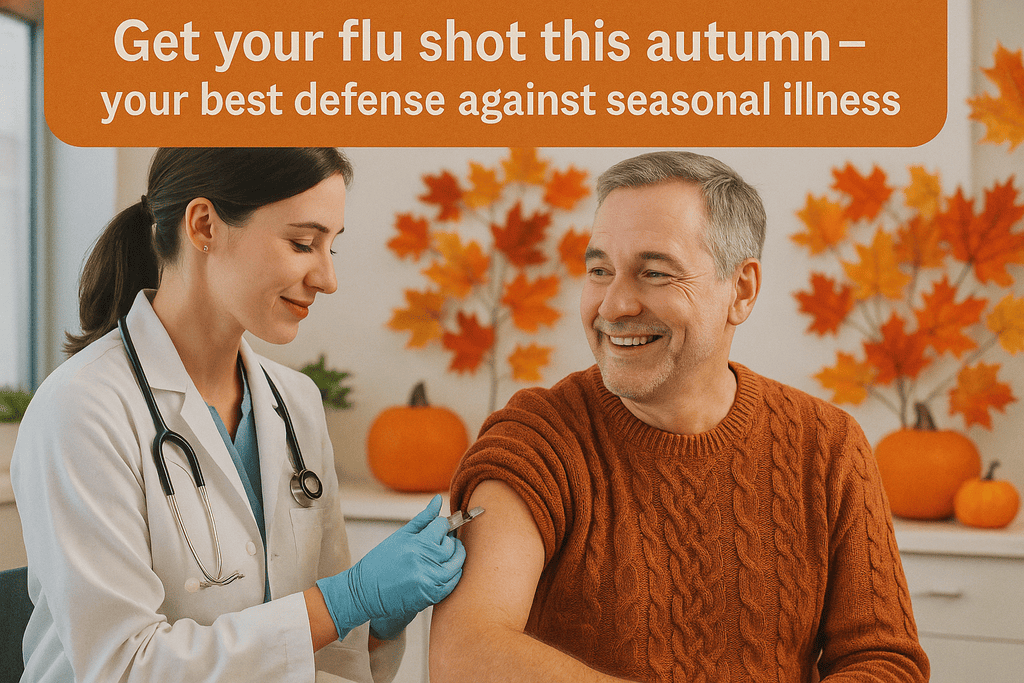
Annual flu vaccination reduces the risk of symptomatic influenza, severe illness, and hospitalization. Public health bodies (e.g., CDC and ACIP) recommend vaccination for everyone aged ≥6 months without contraindications. Recent MMWR reports from the U.S. show that seasonal vaccines for 2024–2025 and 2025–2026 substantially reduced outpatient visits and hospitalizations where vaccine-virus match was reasonable. Vaccination also reduces severe pediatric outcomes when uptake is high. CDC+2CDC+2
Practical tip: Get vaccinated early in autumn. If new strains emerge later, public-health authorities may recommend additional timing—follow local guidance.
2. Practice hand hygiene and respiratory etiquette
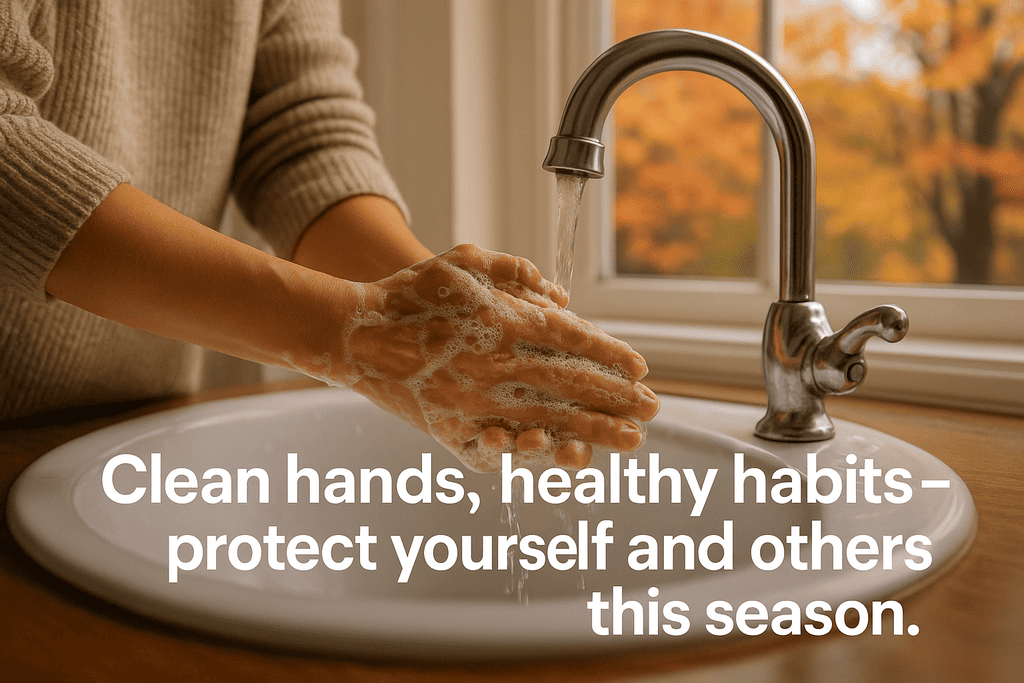
Systematic reviews show that regular handwashing with soap or using alcohol-based hand rubs reduces acute respiratory infections (ARIs). Interventions promoting handwashing reduce both community and healthcare-associated infections. Encouraging children to wash hands frequently (especially before eating and after school) is impactful. The Lancet+1
Practical tip: Wash hands for at least 20 seconds or use a ≥60% alcohol sanitizer when soap/water is not available.
3. Use masks and layered non-pharmaceutical interventions (NPIs)
Recent reviews of masks and respirators for respiratory infection prevention conclude that properly fitted respirators (e.g., N95) and well-worn surgical masks reduce transmission risk, especially in high-risk settings and during high community circulation. During epidemics or when you are caring for sick household members, masks are effective as part of a layered approach (vaccination + hygiene + ventilation). Population-level modeling and meta-analyses from Europe, Asia, and North America support mask use in crowded indoor spaces. PMC+1
Practical tip: When visiting healthcare settings, public transport at peak times, or crowded indoor events in autumn, consider wearing a high-quality mask.

4. Improve indoor ventilation and control humidity
Studies from multiple regions link better ventilation and moderate indoor humidity (about 40–60%) with reduced influenza and other respiratory virus transmission. Increasing fresh air exchange, using portable HEPA air purifiers in poorly ventilated rooms, and avoiding long periods in crowded, sealed spaces lowers airborne viral load. ScienceDirect
Practical tip: Open windows for brief cross-ventilation several times daily; use mechanical ventilation or air purifiers where possible.
5. Nutrition, sleep, and supplements (including Vitamin D)
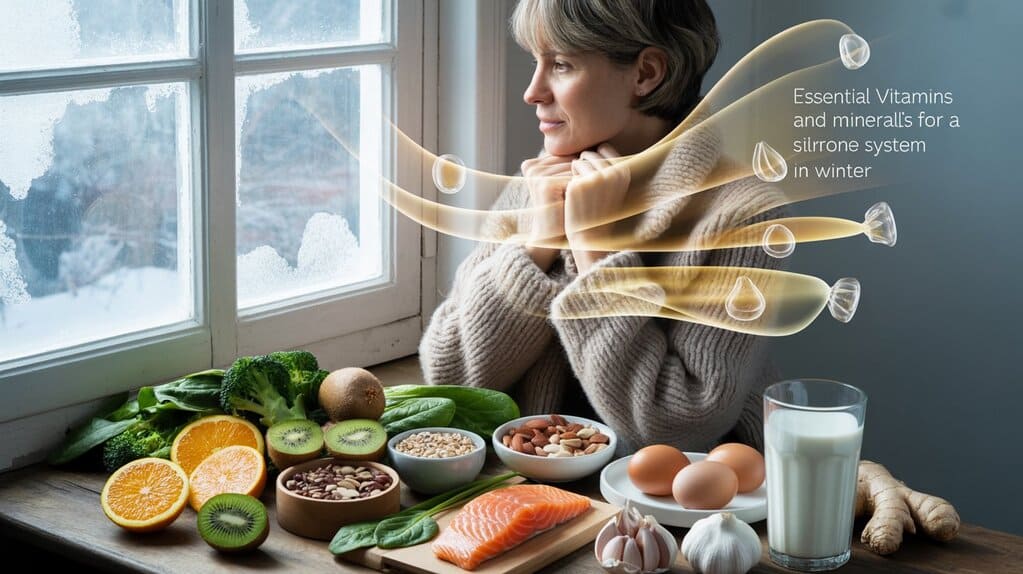
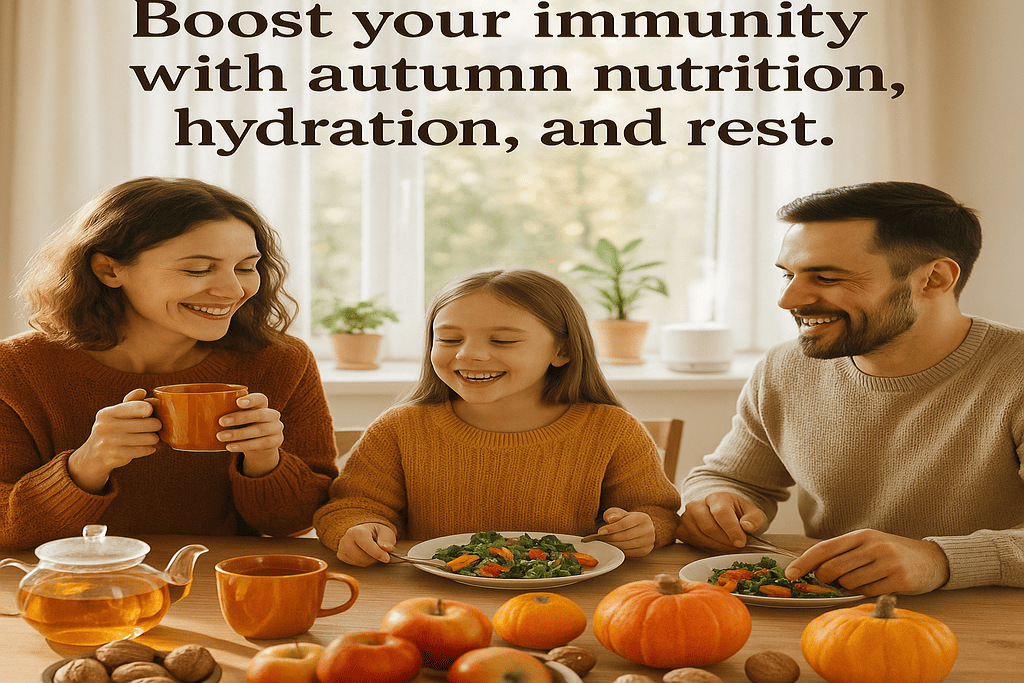
A healthy diet, adequate sleep, stress management, and regular physical activity are foundational for immune resilience. Regarding supplements, large meta-analyses show mixed evidence for vitamin D in preventing ARIs: some pooled analyses found small benefits in certain dosing regimens and populations, while large recent trials and updates temper expectations. Current guidance: correct deficiency (test if at risk), consider modest daily supplementation (e.g., 400–1,200 IU) if you have low levels or limited sun exposure — but don’t rely on supplements instead of vaccination and hygiene. The Lancet+2BioMed Central+2
Practical tip: Aim for balanced meals high in fruits, vegetables, lean protein, and whole grains; maintain 7–9 hours of sleep; discuss vitamin D testing/supplementation with your healthcare provider if you have risk factors.
6. Stay home when sick; test and treat appropriately
Staying home at the first signs of respiratory illness helps protect others. For influenza, early antiviral treatment (when indicated and started promptly) reduces complications in high-risk individuals — consult local clinical guidance. For COVID-19 or other diagnosed infections, follow testing and isolation recommendations from public-health authorities. Rapid antigen testing can help decide whether to isolate or seek medical care.
Quick preventive checklist
| Action | Why it helps | How to do it |
|---|---|---|
| Annual flu vaccine | Reduces risk of symptomatic flu & hospitalization | Get vaccinated each autumn; follow local program |
| Handwashing | Cuts ARI transmission | Wash 20s or use ≥60% sanitizer |
| Masks in crowded indoor settings | Reduces airborne spread | Use surgical/N95 when risks high |
| Improve ventilation | Lowers indoor viral load | Open windows, use ventilation systems/HEPA purifiers |
| Maintain 40–60% humidity | Reduces viral survival & mucosal dryness | Use humidifier if indoor air is very dry |
| Healthy lifestyle | Supports immune function | Sleep, balanced diet, move regularly |
| Manage vitamin D | May slightly reduce ARIs in some groups | Test if deficient; consider daily low-dose supplement |
| Stay home when ill | Protects community | Rest, isolate, seek testing/treatment if needed |
Practical scenarios
- School-aged children: Emphasize vaccination, hand hygiene, and staying home when symptomatic. Schools that promote handwashing and respiratory etiquette reduce outbreaks. The Lancet+1
- Office workers & commuters: Use masks during rush-hour transit when community respiratory illnesses are high; encourage employers to improve ventilation and permit sick leave. ScienceDirect
- Older adults & immunocompromised: Prioritize vaccination, avoid crowded indoor events during high circulation, and consult clinicians about early antiviral therapy if exposed or symptomatic. CDC
When to seek medical care
Seek urgent medical attention if you or a household member experience:
- Difficulty breathing, chest pain, severe or persistent high fever, confusion, bluish lips/face, or signs of dehydration.
- Infants, elderly people, pregnant individuals, and those with chronic illnesses should contact their healthcare provider early if they develop flu-like symptoms — early antiviral treatment may reduce complications.
Conclusion
Autumn doesn’t have to mean inevitable colds or serious flu. A layered prevention strategy — seasonal vaccination, proper hand hygiene, selective mask use, improved ventilation, sensible nutrition and sleep, and targeted use of supplements like vitamin D where appropriate — significantly reduces your risk and protects your community. Apply these practical, evidence-based steps this season to stay healthier, more productive, and better able to enjoy autumn traditions.
Recent scientific & medical studies and references
- Jolliffe, D.A., et al. Vitamin D supplementation to prevent acute respiratory infections: updated meta-analysis. The Lancet (2024). The Lancet+1
- Greenhalgh, T., et al. Masks and respirators for prevention of respiratory infections. BMJ/PMC review (2024). PMC
- J. Ross, et al. Effectiveness of handwashing interventions for preventing respiratory infections. The Lancet (2023). The Lancet
- CDC MMWR. Interim Estimates of 2024–2025 Seasonal Influenza Vaccine Effectiveness (2025). CDC
- CDC MMWR. Prevention and Control of Seasonal Influenza — ACIP recommendations (2025–26) (2025). CDC
- Zhang, N., et al. Indoor environmental factors associated with influenza transmission. (2024). ScienceDirect
- WHO. Hand hygiene. World Health Organization guidance and improvement strategy. Organisation mondiale de la santé
- Mo, Y., et al. Effect of hand hygiene frequency on acute respiratory infections. PMC article (2022). PMC
- Wang, C.H., et al. Optimal methods of vitamin D supplementation to prevent respiratory infections. Nutrition Journal (2024). BioMed Central
- Chen, C., et al. Mask-wearing and NPIs modeling study. PMC (2025). PMC