Bbihi L.
🏃♂️ Introduction
As winter approaches, cold weather and seasonal viruses like influenza and common colds can take a toll on our health. While many people turn to supplements, vitamins, or vaccines for protection, one of the most scientifically supported and cost-effective strategies for strengthening the body’s defenses is moderate physical activity. In fact, regular, moderate exercise is not just good for your muscles or heart — it plays a crucial role in enhancing your immune system’s ability to defend against infections. This relationship between physical activity and immune health has been the subject of numerous scientific and medical studies from leading researchers across Asia, America, and Europe. (PubMed)
🧠 Key Points : Moderate Physical Activity & Immune Health
Before we dive into details, here are the main ideas you should remember:
✔️ Moderate physical activity enhances immune function by increasing the circulation and activity of white blood cells and antibodies. (PubMed)
✔️ Regular exercise reduces inflammation and helps balance immune responses. (ScienceDirect)
✔️ Exercise improves vaccine effectiveness by strengthening immune system signals. (PubMed)
✔️ Too much intense exercise can temporarily suppress immunity, highlighting the importance of moderation. (PubMed)
✔️ Winter increases the risk of respiratory infections, so habits that support immunity — like exercise — are especially beneficial during this season.
🧬 How the Immune System Works (and Why Exercise Helps)
Your immune system is your body’s defence mechanism against infections — from viruses (like influenza or SARS-CoV-2) to bacteria and fungi. It includes:
- Innate immunity : first responders like natural killer (NK) cells and neutrophils.
- Adaptive immunity : B-cells and T-cells that remember specific pathogens and create antibodies. (Wikipédia)
🏃♀️ Exercise and Immune Function
Scientific research has shown that moderate physical activity activates and enhances immune surveillance — meaning immune cells circulate more efficiently and are better able to recognize and destroy pathogens. Moderate exercise leads to:
- Increased NK cell activity (these cells kill infected cells quickly). (ScienceDaily)
- Balanced inflammatory responses, reducing chronic inflammation that can weaken immune defense. (ScienceDirect)
- Enhanced antibody production, which helps vaccines work better. (PubMed)
However, intense or prolonged exercise — such as long endurance training — can temporarily suppress immune responses due to stress hormone release (like cortisol). (PubMed)

📊 Table : Effects of Different Physical Activity Levels on Immunity
| Activity Level | Impact on Immune System | Winter Suitability |
|---|---|---|
| Moderate (e.g., brisk walking, cycling) | Boosts immune cell circulation, anti-inflammatory effects | ⭐⭐⭐⭐ |
| Low-intensity (gentle stretching, light yoga) | Maintains health, improves circulation | ⭐⭐⭐ |
| High-intensity (long runs, heavy training) | May suppress immunity temporarily if excessive | ⭐★ (use with caution) |
🧪 Scientific Evidence Supporting Moderate Activity
1. Recent Global Review (China – 2025)
A recent review in exercise immunology (2025) conclusively showed that regular moderate-intensity exercise enhances immunity by improving immune surveillance and balancing cytokines — molecules that regulate immune responses — while reducing chronic inflammation. The review also confirmed that prolonged high-intensity exertion can temporarily depress immunity. (PubMed)
Key takeaways :
- Moderate exercise increases immune cell efficiency.
- Enhances resistance to viral and bacterial infections.
- Suggests individualized exercise prescriptions based on age and health. (PubMed)
2. Meta-Analyses and Immune Mechanisms
Older but foundational research in exercise immunology consistently supports moderate activity as beneficial for both innate and adaptive immunity. A comprehensive review noted that moderate exercise promotes the recirculation of immune cells like neutrophils and lymphocytes — improving pathogen detection and elimination. (PMC)
3. Natural Killer Cells & Aging (International Study)
An international study published in Scientific Reports found that individuals who engaged in endurance exercise for long periods had more efficient and adaptable natural killer cells, key to the body’s first line of defense against infected or malignant cells. This evidence comes from research funded by scientists in Brazil and international collaborators. (ScienceDaily)
🧣 Why Winter Amplifies the Need for Exercise
Winter is traditionally the season of:
❄ Cold and dry air, which can compromise mucosal barriers in the nose and throat.
😷 Higher circulation of respiratory viruses.
🏠 More time spent indoors, increasing contact with germs.
During winter, your immune defenses are challenged by environmental stressors. Regular moderate physical activity helps counteract these challenges by keeping immune mechanisms active and responsive.

🗓 What Is Moderate Physical Activity?
According to the World Health Organization (WHO), moderate activity is any physical movement that:
- Raises your heart rate noticeably (but allows conversation).
- Makes you breathe slightly harder than at rest.
- Includes brisk walking, moderate cycling, dancing, or gardening. (EMRO)
The WHO recommends:
📌 At least 150 minutes per week of moderate-intensity aerobic physical activity for adults. (EMRO)
That’s roughly 30 minutes a day, 5 days a week — a manageable routine for most people.
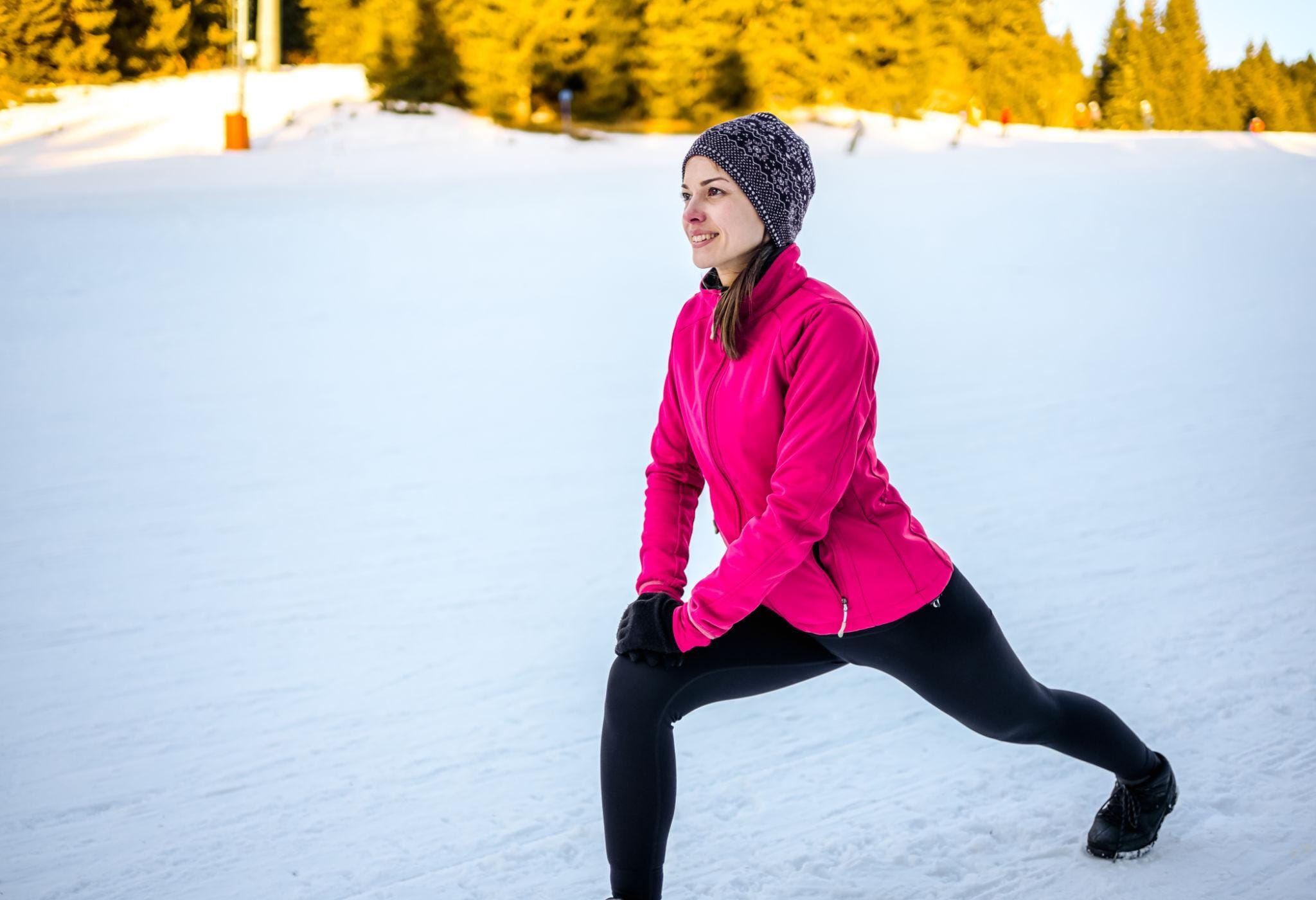
💡 Practical Tips for Winter Exercise
✔️ Warm Up before activity to prevent injury.
✔️ Stay Hydrated, even in cold weather.
✔️ Dress in layers — your body still sweats!
✔️ Mix Cardio & Strength Training for optimal immune and overall health.
✔️ Listen to Your Body — don’t overtrain or exercise when acutely sick.
🧠 The “Goldilocks Zone” of Exercise
Just like the fairy tale, your immune system benefits most when exercise isn’t too little and isn’t too much. Too much intense training — especially without adequate rest — can lead to a “J-shaped curve” where infection risk rises. Moderate, consistent activity helps your immune system stay robust and adaptive. (PMC)
🧪 Additional Benefits Beyond Immunity
Moderate physical activity doesn’t just boost immunity. It also:
- Improves cardiovascular health.
- Enhances mood and stress resilience.
- Supports metabolic health and weight management.
- Strengthens respiratory function, crucial in winter months.
These holistic benefits further reinforce why exercise is a cornerstone of preventive health. (PMC)
📌 Conclusion
In conclusion, moderate physical activity is more than a fitness habit — it is a powerful, scientifically supported first line of defense for your immune system, especially during the winter months. From improved immune surveillance to balanced inflammatory responses and enhanced vaccine effectiveness, regular moderate exercise acts as a natural, cost-effective shield against infections.
Whether you choose brisk walking, cycling, dancing, or home workouts, the key is consistency and moderation. Combined with good nutrition, sleep, and hygiene, an active lifestyle can make this winter your healthiest yet.
📚 Bibliography (Key Scientific Sources)
- The effect of physical activity on anti-infection immunity: a review. PubMed. 2025. (PubMed)
- Exercise might be the key to a younger, sharper immune system. Scientific Reports. 2025. (ScienceDaily)
- The compelling link between physical activity and the body’s immune response. PMC. (PMC)
- Exercise and the Regulation of Immune Functions. PubMed. (PubMed)
- WHO guidelines on physical activity. World Health Organization. (EMRO)
- Immune system and physical exercise. Wikipedia. (Wikipédia)