نمط lbb
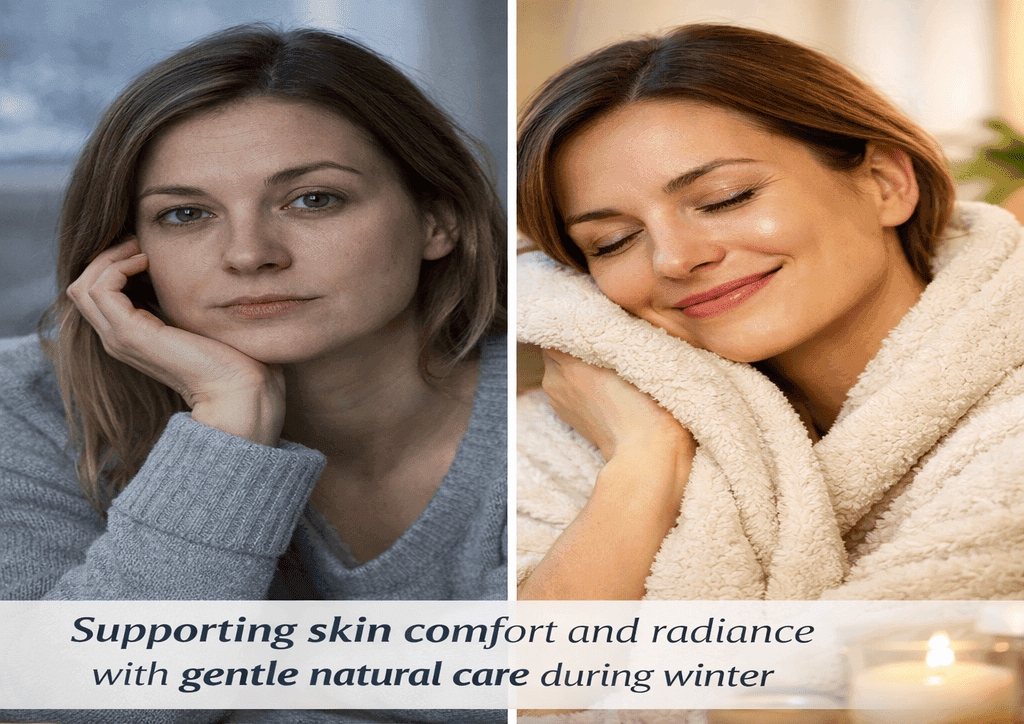
Winter and seasons with limited sunlight can take a toll on our skin, leaving it dry, dull, and lacking its natural radiance. Cold outdoor air, indoor heating, and insufficient sun exposure combined can strip skin of essential moisture and nutrients.
This article explores realistic, natural, research-based beauty habits — including skincare routines, nutrition, hydration, and lifestyle adjustments — that support healthy skin, glow, and overall appearance during darker, colder months.
Why Skin Loses Radiance in Cold Weather
Before diving into tips, it’s helpful to understand what happens:
- Reduced Sunlight decreases vitamin D synthesis and may affect the skin’s barrier support.
- Lower Humidity outdoors and indoors causes moisture loss.
- Cold Temperatures constrict blood vessels, reducing circulation and giving skin a dull appearance.
- Indoor Heating further dries skin and disrupts natural hydration.
Beauty professionals emphasize that balanced nutrition, protective routines, and gentle care help skin maintain its natural glow even without warm sunshine.
Natural Skin Care Habits for Radiance
1. Gentle Cleansing Is Key
Over-cleansing in winter can strip the skin’s natural oils.
Best Practices:
- Use a gentle, sulfate-free cleanser
- Avoid hot water — lukewarm is best
- Limit cleansing to twice daily
Gentle cleansing preserves the skin’s protective lipid barrier and supports hydration.
2. Moisturize with Purpose
Cold weather increases transepidermal water loss — meaning skin dries faster.
Recommended Products :
- Creams with hyaluronic acid
- Natural oils like jojoba or argan
- Ceramide-rich lotions
These ingredients help lock in moisture without clogging pores.
3. Use Natural, Nourishing Oils
Oils provide an additional protective layer when skin feels particularly dry.
| Oil | General Benefit |
|---|---|
| Argan Oil | Antioxidant-rich, supports moisture |
| Jojoba Oil | Mimics skin’s natural sebum |
| Rosehip Oil | Contains fatty acids to soothe dry skin |
| Sweet Almond Oil | Gentle hydration for sensitive skin |
These oils can be applied after moisturizer to lock in hydration and maintain radiance.
Nutrition and Hydration for Skin Glow
What you eat can influence your skin’s appearance.
4. Eat Skin-Friendly Foods
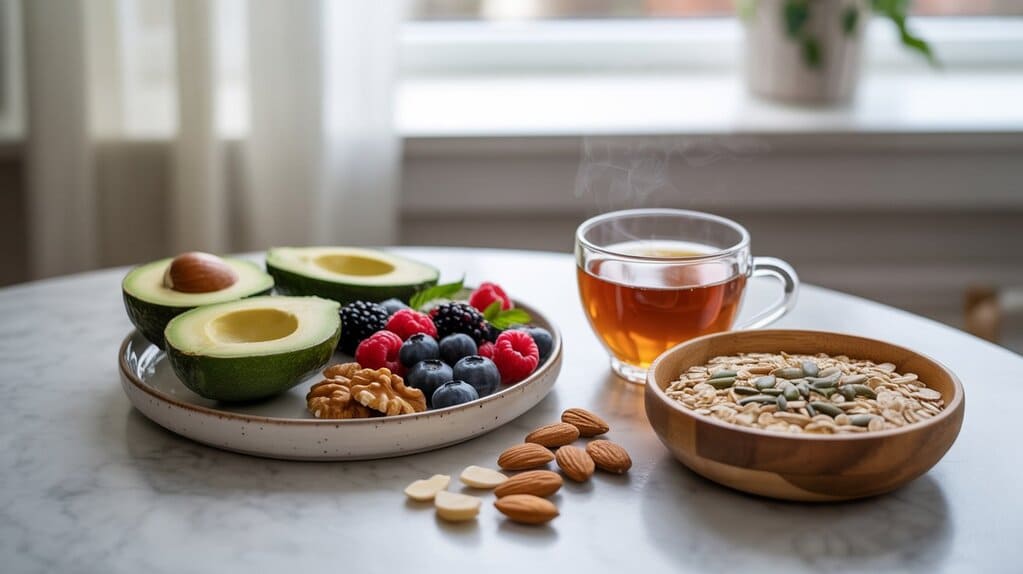
Foods rich in healthy fats, vitamins, and antioxidants support a natural glow.
| Natural Ingredient | Known Benefits for Skin Health |
|---|---|
| Avocado | Healthy fats, supports skin elasticity |
| Berries | Vitamin C, powerful antioxidant content |
| Nuts & Seeds | Vitamin E, fatty acids for moisture balance |
| Leafy Greens | Minerals and vitamins that support cellular health |
Beauty experts often highlight that antioxidants help protect skin cells and support brightness, especially when sunlight is limited.
5. Hydrate from Within
Cold weather can trick the body into feeling less thirsty.
Tips :
- Drink water regularly throughout the day
- Herbal teas can help warm the body and support hydration
- Include water-rich foods like cucumbers and citrus fruits
Proper hydration supports overall skin health and encourages a natural glow.
Lifestyle Habits to Support Skin Health
6. Light Exposure and Vitamin D
Limited sunlight can reduce natural vitamin D production, which plays a role in skin and immune function.
Because sunlight exposure may be limited:
- Spend short periods outdoors during daylight
- Consider safe indoor lighting that mimics daylight
- Eat foods naturally rich in vitamin D (e.g., mushrooms, fortified plant milks)
These practices support overall wellbeing and indirectly benefit skin vitality.
7. Adjust Indoor Humidity
Indoor heating dries air and skin.
Tips :
- Use a cool-mist humidifier
- Place water basins near heat sources
- Include houseplants that naturally increase humidity
Balanced humidity helps maintain the skin’s moisture barrier.
8. Get Adequate Sleep
Sleep supports the body’s natural repair processes.
Impact of Good Sleep on Skin:
- Reduced appearance of dullness
- Better moisture regulation
- Enhanced facial glow
Experts recommend 7–9 hours of sleep for most teens and adults to support healthy skin appearance.
Natural Enhancers for Radiant Skin
9. Exfoliation (But Not Too Often)
Gentle exfoliation removes dead skin and promotes smooth texture.
Natural Options :
- Oatmeal
- Sugar + honey scrub
- Soft washcloth
Note: Exfoliate only 1–2 times per week to avoid irritation.
10. Masks with Simple Natural Ingredients
Facial masks can nourish and brighten skin — when chosen carefully.
Examples :
- Honey + yogurt mask for moisture
- Oatmeal + banana mask for softness
- Turmeric + milk mask for glow
These ingredients are widely used in beauty routines for texture and softness without harsh chemicals.
Common Mistakes to Avoid
Skipping Sunscreen
Even in winter, UV rays can affect skin — especially in bright snow or reflective conditions.
Pro Tip : Use broad-spectrum SPF daily — it protects skin without drying it out.
Hot Showers Every Day
While comforting, hot showers can strip natural oils.
Better Approach : Use lukewarm water and moisturize immediately after bathing.
Frequently Asked Questions (FAQs)
Q1 : Can winter skin become healthier naturally without harsh products?
Yes, gentle routines that emphasize hydration, nourishment from foods, and protection from environmental stressors often support healthier skin without harsh products.
Q2 : How often should I moisturize in cold weather?
Moisturize twice daily, and consider reapplying after washing hands or showering to maintain hydration.
Q3 : Are natural oils good for all skin types?
Most natural oils are beneficial, but skin types vary. For oily or acne-prone skin, lighter oils like jojoba may be preferable; for dry skin, richer oils like argan may help.
Q4 : Does limited sunlight mean vitamin D deficiency always affects skin?
Not necessarily — it depends on diet, lifestyle, and geography. Limited sunlight may reduce vitamin D synthesis, so balanced nutrition and safe outdoor time can help.
Q5 : Is it safe to use homemade masks every day?
No — most natural masks are best used 1–2 times weekly to avoid irritation or overdrying.
Expert Insights & General Research
- Dermatologists emphasize that a balanced routine and consistent hydration support the skin’s protective barrier.
- Nutrition professionals note that vitamins A, C, and E — found in many natural foods — contribute to skin cell health.
- Lifestyle experts agree that sleep and stress management also influence the appearance of the skin.
Research into winter skin care consistently points to moisture retention, antioxidant intake, and gentle habits as key to maintaining a glowing complexion even during cold, dark months.
Appropriate Health Disclaimer
This article provides general information about natural practices for skin care. It does not offer medical advice, diagnosis, or treatment. For concerns about skin conditions or allergies, consult a qualified healthcare provider or certified dermatologist. Individual responses to skincare routines can vary.
Bibliography
Below are general reference sources used to support the content and recommendations in this article:
- American Academy of Dermatology — Information on maintaining healthy skin and hydration.
- National Institutes of Health — Data on nutrition, vitamins, and skin health.
- Journal of Cosmetic Dermatology — Review of natural skin care ingredients and their benefits.
- International Journal of Women’s Dermatology — Research on cold weather effects on skin barrier function.