Bbihi L.
Introduction
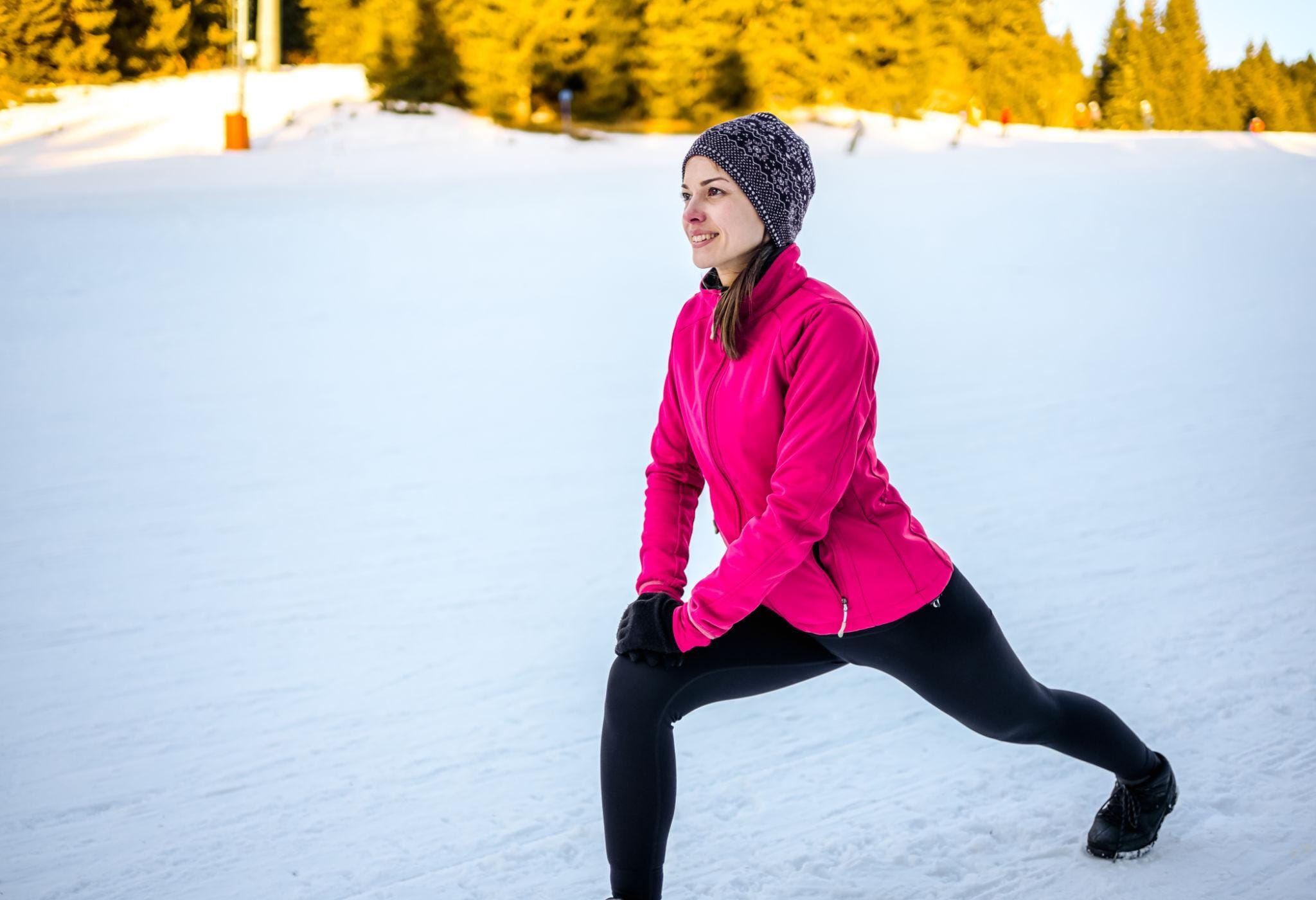
Extreme cold waves challenge the body in many ways: muscles stiffen, joints ache more easily, and people — especially older adults and those with chronic musculoskeletal conditions — may become less active. Maintaining muscle strength, joint mobility, and overall function during prolonged cold spells is essential to prevent loss of independence, reduce pain flare-ups, and preserve quality of life. This article explains practical, evidence-based strategies to protect muscle mass, reduce joint pain, and stay safe and active during extreme cold, citing recent studies and reviews from Asia, Europe, and North America.
Key points
- Stay active with a mix of resistance, balance and flexibility exercise to preserve muscle and joint function.
- Layered warmth and local heat therapy reduce stiffness and improve mobility before activity.
- Vitamin D status matters in winter — supplementation helps maintain muscle function where deficiency is common.
- Hydration, nutrition (adequate protein) and sleep support muscle maintenance.
- Safe indoor exercise options and community programs help older adults remain consistent in cold weather.
Why cold affects muscles and joints
Cold exposure can increase the perception of pain, cause muscle stiffness, and in some cases promote inflammatory changes in joint tissues. Scoping reviews and experimental studies indicate that ambient cold exposure is associated with increased risk or exacerbation of musculoskeletal symptoms, and animal models show that repeated cold exposure can enhance inflammatory pathways related to joint pain. These mechanisms help explain why many patients report worse symptoms during cold spells. PMC+1
Evidence-based strategies to maintain strength and reduce pain
1. Prioritize resistance training (strength training)
Resistance exercise is the single most effective non-pharmacologic way to preserve and rebuild muscle mass and strength across ages. Randomized trials and meta-analyses consistently show that regular resistance training — even moderate loads and home-based programs — improves strength, function, and reduces frailty risk in older adults and clinical populations. During cold waves, focus on:
- 2–3 weekly sessions targeting all major muscle groups (legs, hips, back, chest, shoulders, arms).
- Use bodyweight, resistance bands, dumbbells, or household items if gyms are closed.
- Include progressive overload (increase resistance or repetitions gradually).
Multiple reviews across international research confirm resistance training’s benefits for muscle health and functional capacity. SAGE Journals+1
2. Use heat (thermotherapy) before activity and for joint stiffness
Local heat (warm packs, warm baths, infrared wraps) improves local blood flow, reduces stiffness, and enhances range of motion — making warming up safer and more effective in cold conditions. Clinical reviews and expert opinions identify thermotherapy as a useful adjunctive treatment for knee and other joint discomfort, with modest improvements in pain and function. For acute inflammation, follow medical advice; for routine stiffness, heat before exercise is often preferable. MDPI+1

3. Address vitamin D — test and supplement when appropriate
Low sunlight exposure during prolonged winter or cold waves commonly causes reduced vitamin D levels, which are linked to impaired muscle function. Systematic reviews and randomized trials suggest vitamin D supplementation in deficient individuals can improve muscle strength and performance, particularly when baseline levels are low. Discuss testing and dosing with a clinician, but common regimens range from daily (800–2,000 IU) to clinician-guided higher loading doses where needed. PubMed+1
4. Keep moving — daily mobility and balance work
Even short bouts (10–20 minutes) of movement multiple times per day reduce stiffness and preserve neuromuscular coordination. Include:
- Gentle mobility flows (hip circles, shoulder rolls).
- Balance exercises (single-leg stands or tandem stance).
- Low-impact cardio (marching on the spot, stepping, indoor walking).
Group-based or peer-supported programs can boost adherence among older adults. MDPI
5. Nutrition: adequate protein and anti-inflammatory choices
Muscle protein synthesis requires sufficient protein intake, especially in older adults. Aim for 20–30 g of high-quality protein at each main meal, and ensure overall caloric adequacy. Anti-inflammatory foods (omega-3-rich fish, fruits, vegetables, whole grains) may help joint health; evidence suggests combined nutritional strategies plus exercise yield the best results. Frontiers
6. Hydration and sleep
Cold weather often suppresses thirst; dehydration can worsen muscle performance and increase injury risk. Maintain regular fluid intake. Prioritize sleep (7–9 hours) to support muscle recovery and repair.
7. When to use ice vs heat and other therapies
- Use heat for chronic stiffness and to prepare for activity.
- Use ice for acute inflammatory flares (recent injury) to reduce swelling and pain.
Systematic reviews indicate both modalities can modestly reduce pain; selection depends on whether the problem is an acute inflammatory episode or chronic stiffness. Consult a clinician for persistent or severe flares. ScienceDirect+1
Practical home program for cold waves (sample week)
| Goal | Activity | Frequency | Evidence level |
|---|---|---|---|
| Maintain strength | Resistance training (full-body, 30–45 min) | 2–3x/week | High (meta-analyses) SAGE Journals |
| Mobility + warm-up | 10–15 min heat application + dynamic stretches | Daily | Moderate MDPI |
| Balance + fall prevention | 10–15 min balance exercises | 3–5x/week | Moderate MDPI |
| Vitamin D | Supplement if deficient | Daily (clinician-guided) | Moderate (RCTs/meta) PubMed+1 |
| Nutrition | 20–30 g protein per meal; anti-inflammatory foods | Daily | Moderate Frontiers |
Special considerations for vulnerable groups
- Older adults: Emphasize supervised or peer-supported programs, fall prevention, and home-based resistance exercises. Community centers and telehealth physiotherapy can help maintain routine despite outdoor closures. MDPI
- People with arthritis: Gentle strengthening and targeted range-of-motion work, combined with heat therapy before activity, can reduce perceived stiffness and aid function. Monitor flares and coordinate with rheumatology care. Frontiers
- Those with recent injury or inflammatory flare: Seek clinical assessment; use ice for acute inflammation and avoid aggressive loading until cleared.
What the recent science says (summary of selected studies)
- A scoping review found that cold exposure is linked to higher risk or worsening of musculoskeletal conditions, especially in occupational and environmental settings. PMC
- Animal and experimental studies show repeated ambient cold exposure can amplify inflammatory signals in joint tissues and pain pathways, suggesting a possible biological mechanism for worse pain in cold spells. MDPI
- Multiple international meta-analyses and randomized trials demonstrate that resistance training is effective at increasing muscle strength and improving functional outcomes in older adults. SAGE Journals+1
- Systematic reviews on vitamin D and muscle health indicate supplementation benefits muscle strength in deficient individuals; clinical trials support improvement in performance metrics with corrected vitamin D status. PubMed+1
- Reviews of heat and cold therapies show both can reduce pain modestly; heat is useful for chronic stiffness and warming muscles before activity, while ice helps acute inflammatory pain. MDPI+1
Practical checklist before going outside in extreme cold
- Dress in layers, protect extremities (gloves, hat).
- Warm up indoors (5–10 minutes) and apply local heat to stiff joints if needed.
- Use traction-aware footwear on icy surfaces to reduce fall risk.
- Carry hydration and avoid prolonged outdoor exertion in dangerously low temperatures.
Conclusion
Extreme cold waves are more than a discomfort: they pose real challenges to muscle strength, joint function, and physical activity patterns. The strongest protective strategies are consistent resistance training, good nutrition (including attention to vitamin D), sensible use of heat therapy, and daily mobility work. These approaches are supported by recent international research and can be adapted to home settings during prolonged cold spells. If you or someone you care for has chronic joint disease, recent injury, or medical complexity, coordinate a winter plan with your healthcare provider or physiotherapist to tailor exercise, supplementation, and pain-management strategies safely.
Bibliography (selected sources)
- Farbu, E. H., et al. Cold exposure and musculoskeletal conditions; A scoping review. PubMed Central (PMC). 2022. PMC
- Kim, S. H., et al. Effects of Repeated Exposure to Ambient Cold on the Development of Inflammatory Pain. MDPI. 2024. MDPI
- Khodadad Kashi, S., et al. A Systematic Review and Meta-Analysis of Resistance Training Effects. (Various journals; meta-analytic evidence 2023). SAGE Journals
- Tøien, T., et al. Heavy Strength Training in Older Adults. PubMed Central (review). 2025. PMC
- Bislev, L. S., et al. Vitamin D and Muscle Health: A Systematic Review and Meta-analysis. PubMed / J Bone Miner Res. 2021. PubMed
- Houston, D. K., et al. Vitamin D Supplementation and Muscle Power, Strength and Performance: Randomized trials. AJCN / J Nutr Studies. 2023. ajcn.nutrition.org
- Yao, Y., et al. Cryotherapy and thermotherapy in the management of musculoskeletal pain — review. ScienceDirect. 2024. ScienceDirect
- Rossi, R., et al. Heat therapy for different knee diseases: expert opinion. Frontiers in Rehabilitation Sciences. 2024. Frontiers
- Burton, E., et al. Encouraging older adults to participate in resistance training: feasibility studies. MDPI. 2023. MDPI