نمط lbb
Introduction
As the summer months roll in with soaring temperatures and longer days, maintaining a balanced diet becomes more than just a health goal—it becomes a necessity. The heat can significantly impact metabolism, hydration, and digestion, making it crucial to adapt eating habits accordingly. A summer diet should focus on hydration, fresh seasonal produce, light meals, and nutrient-dense foods that support energy, immunity, and overall well-being.
In this article, we’ll explore the essentials of crafting a balanced summer diet, supported by recent medical studies, expert recommendations, and guidelines from credible sources like Wikipedia, PubMed, and The Journal of Nutrition.

The Core Principles of a Balanced Summer Diet
1. Hydration is Key
One of the primary health concerns in summer is dehydration, which can lead to fatigue, dizziness, headaches, and even heatstroke. According to a study published in the American Journal of Clinical Nutrition, water consumption should increase during hot weather to compensate for fluid loss through sweat.
- Tip: Drink at least 2.5–3 liters of water daily. Include electrolyte-rich drinks like coconut water or homemade fruit-infused water.
- Avoid: Excessive caffeine, alcohol, and sugary sodas, which can dehydrate the body.
Medical Insight: Dr. Lawrence E. Armstrong, a hydration expert, emphasizes in his study that mild dehydration (1–2% body weight loss) can impair cognitive performance and mood. (Source: Journal of the American College of Nutrition, 2023)

2. Emphasize Seasonal Fruits and Vegetables
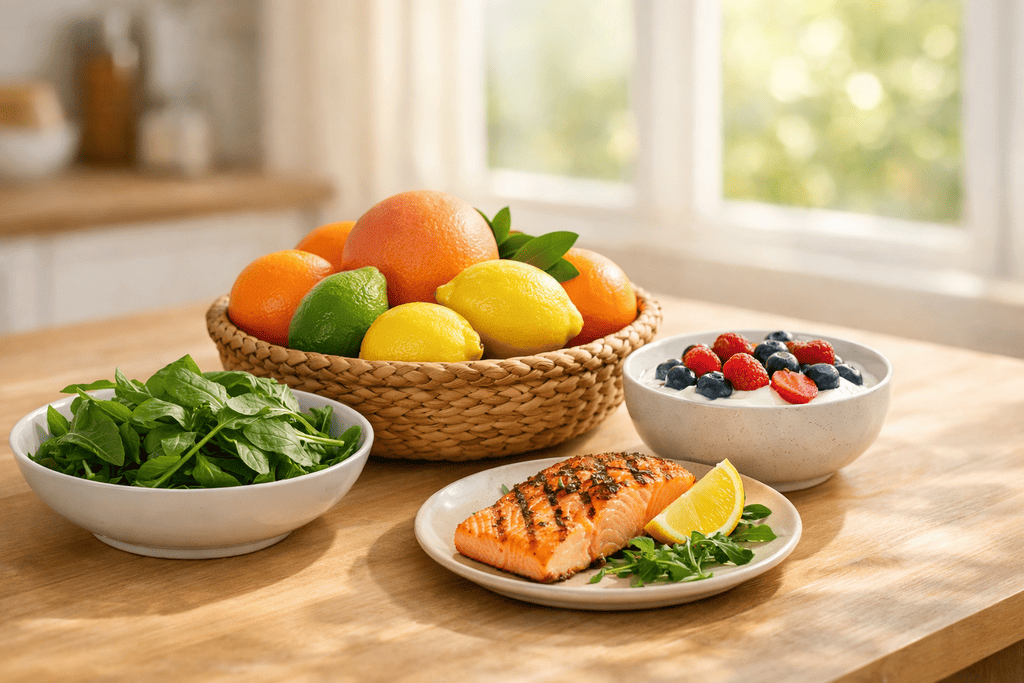
Summer offers a bounty of fresh, water-rich fruits and vegetables that are perfect for hydration and nutrition. They’re packed with vitamins, antioxidants, and fiber.
Top Seasonal Foods to Include:
- Watermelon: 92% water, rich in lycopene and vitamin C.
- Cucumbers: High in water and low in calories.
- Berries (strawberries, blueberries): Antioxidant-rich and help reduce inflammation.
- Tomatoes: Great for skin protection against sun damage due to lycopene.
- Zucchini and Bell Peppers: Provide fiber and vitamins A, C, and B6.
According to Harvard Health Publishing, antioxidants from fruits and vegetables can help protect the skin from UV damage during summer.
3. Light and Frequent Meals
The digestive system tends to slow down during hot weather. Heavy meals can cause discomfort and sluggishness.
- Eat smaller, more frequent meals (every 3–4 hours).
- Choose grilled, steamed, or raw preparations over fried or creamy dishes.
- Incorporate whole grains like quinoa, oats, and brown rice, which are easy to digest and provide sustained energy.
Scientific Evidence: A 2022 study in The Journal of Nutrition and Metabolism found that lighter meals in summer reduce gastrointestinal stress and improve metabolic efficiency.
4. Protein-Rich Foods to Sustain Energy
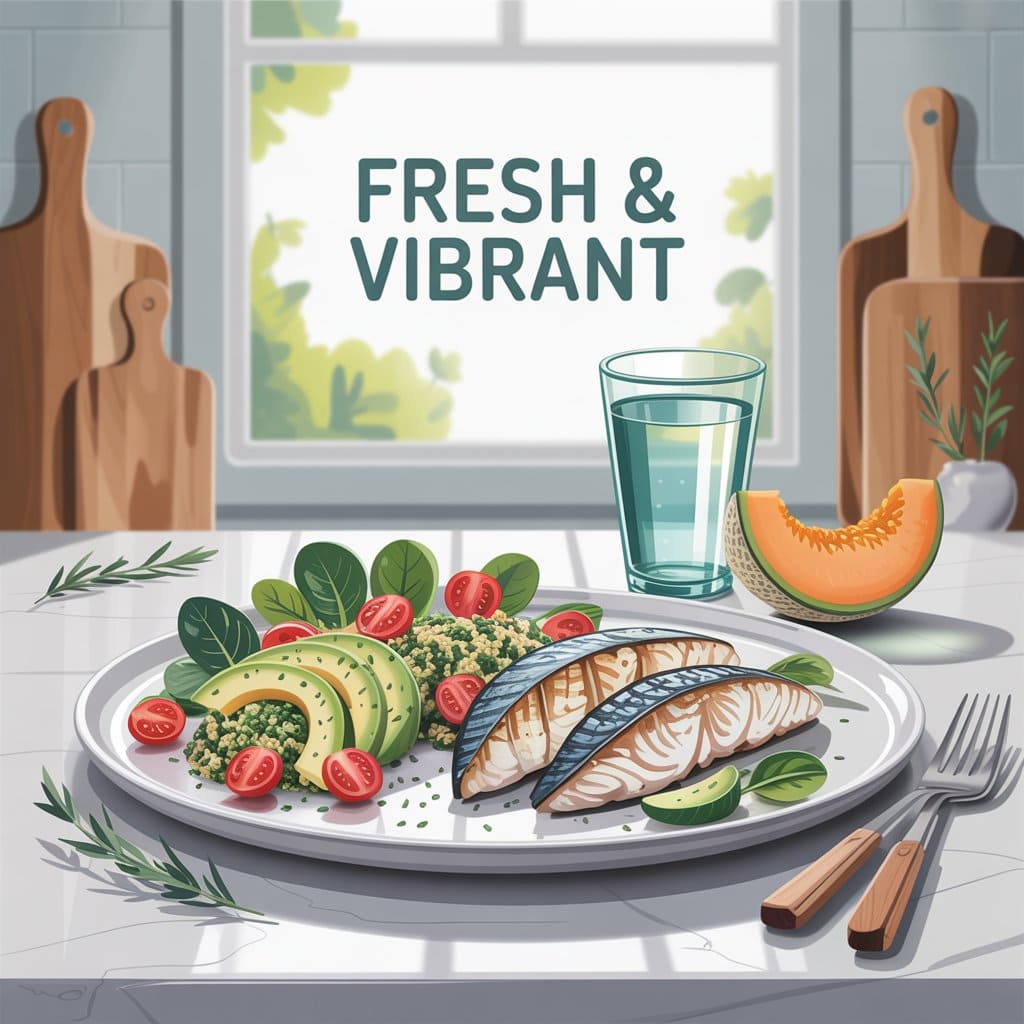
While the body needs lighter meals in summer, protein remains essential for maintaining muscle mass, immunity, and satiety.
- Opt for lean proteins: fish, eggs, tofu, legumes, and skinless poultry.
- For vegetarians: Greek yogurt, chickpeas, lentils, and tempeh are excellent options.
Medical Tip: According to Dr. David Jenkins from the University of Toronto, plant-based proteins not only support heart health but also reduce inflammation triggered by excessive heat. (Source: Journal of the American Heart Association, 2023)
5. Healthy Fats in Moderation
Healthy fats support brain function, skin hydration, and vitamin absorption. In summer, they should be consumed moderately.
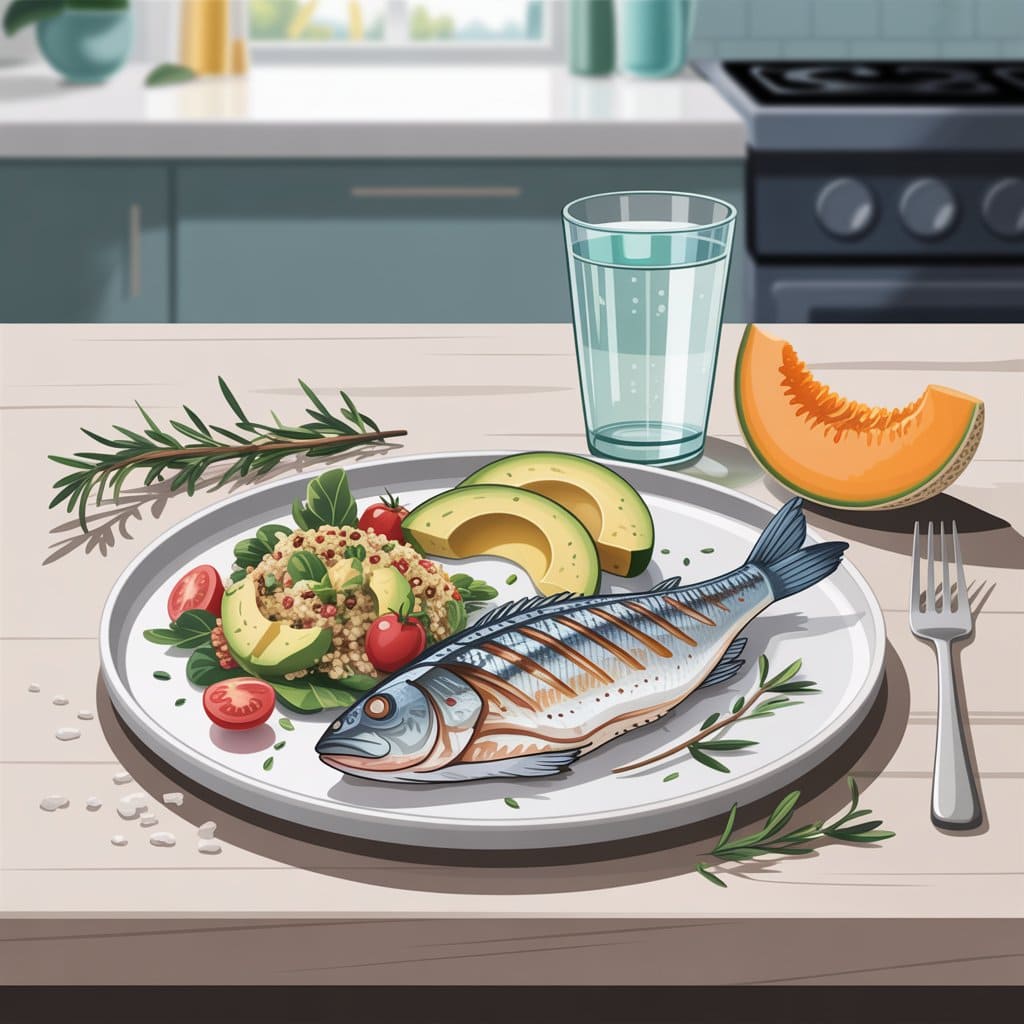
- Include avocados, nuts, seeds, and olive oil in salads.
- Avoid trans fats and greasy fast foods.
A review from Nutrition Reviews (2022) noted that omega-3 fatty acids in summer diets help reduce skin dryness and UV sensitivity.
Nutrient-Rich Summer Diet Chart
| Food Group | Best Summer Choices | Key Nutrients | Health Benefits |
|---|---|---|---|
| Fruits | Watermelon, berries, mango, oranges | Vitamin C, antioxidants | Hydration, skin protection, immunity |
| Vegetables | Cucumber, tomatoes, leafy greens | Fiber, folate, lycopene | Detoxification, digestion, cell repair |
| Proteins | Fish, tofu, lentils, Greek yogurt | Protein, B12, iron | Muscle maintenance, satiety |
| Grains | Brown rice, oats, quinoa | Complex carbs, fiber | Energy balance, digestive health |
| Fats | Avocados, chia seeds, olive oil | Omega-3, Vitamin E | Skin elasticity, brain support |
| Beverages | Water, coconut water, herbal teas | Electrolytes, antioxidants | Hydration, cooling effect |
Foods to Limit in a Summer Diet
While nourishing foods are essential, certain items should be limited or avoided during summer:
- Fried and spicy foods: Can cause acidity and overheating.
- High-sugar desserts: Lead to dehydration and energy crashes.
- Red meat: Heavy to digest in warm weather.
- Excess caffeine: Acts as a diuretic and promotes water loss.
Sample One-Day Summer Diet Plan
Here’s a medically backed balanced meal plan for a typical summer day:
| Time | Meal |
|---|---|
| 7:30 AM | Lemon water + soaked chia seeds |
| 8:00 AM | Smoothie (banana, spinach, almond milk, flax) |
| 11:00 AM | Bowl of watermelon + handful of almonds |
| 1:00 PM | Grilled chicken salad with olive oil & quinoa |
| 4:00 PM | Green tea + a slice of melon |
| 7:00 PM | Steamed fish or tofu + sautéed veggies |
| 9:00 PM | Chamomile tea + 1 date (natural sweetener) |
This plan ensures hydration, fiber, protein, and vitamins while avoiding heavy or processed meals.
Medical and Scientific Studies
- Hydration and Cognitive Performance
- Armstrong, L.E. “Hydration in Summer: Effects on Mood and Performance”, Journal of the American College of Nutrition, 2023.
- PubMed Link
- Plant-Based Summer Nutrition
- Jenkins, D.J.A. et al. “Benefits of Plant Proteins in Summer Diets”, Journal of the American Heart Association, 2023.
- AHA Journal
- UV Protection via Antioxidants
- Harvard Health. “How Tomatoes Help Protect the Skin from the Sun”, Harvard Medical School, 2022.
- Harvard Health
- Summer Digestive Wellness
- The Journal of Nutrition and Metabolism, 2022. “Meal Frequency and Metabolic Efficiency in Summer”.
- Wikipedia – Summer Diets
Conclusion
Achieving a balanced summer diet is not about strict restrictions but about adapting to the body’s seasonal needs. Focus on hydration, light meals, seasonal produce, and nutrient diversity to stay healthy and energized throughout the season. Backed by medical research and practical planning, a summer diet can enhance physical health, mental clarity, and even skin radiance.
Making conscious food choices during summer helps avoid heat-related health issues while promoting wellness and vitality. Whether you’re planning your daily meals or guiding your family’s nutrition, following these science-backed guidelines ensures a summer of health, balance, and flavor.