نمط lbb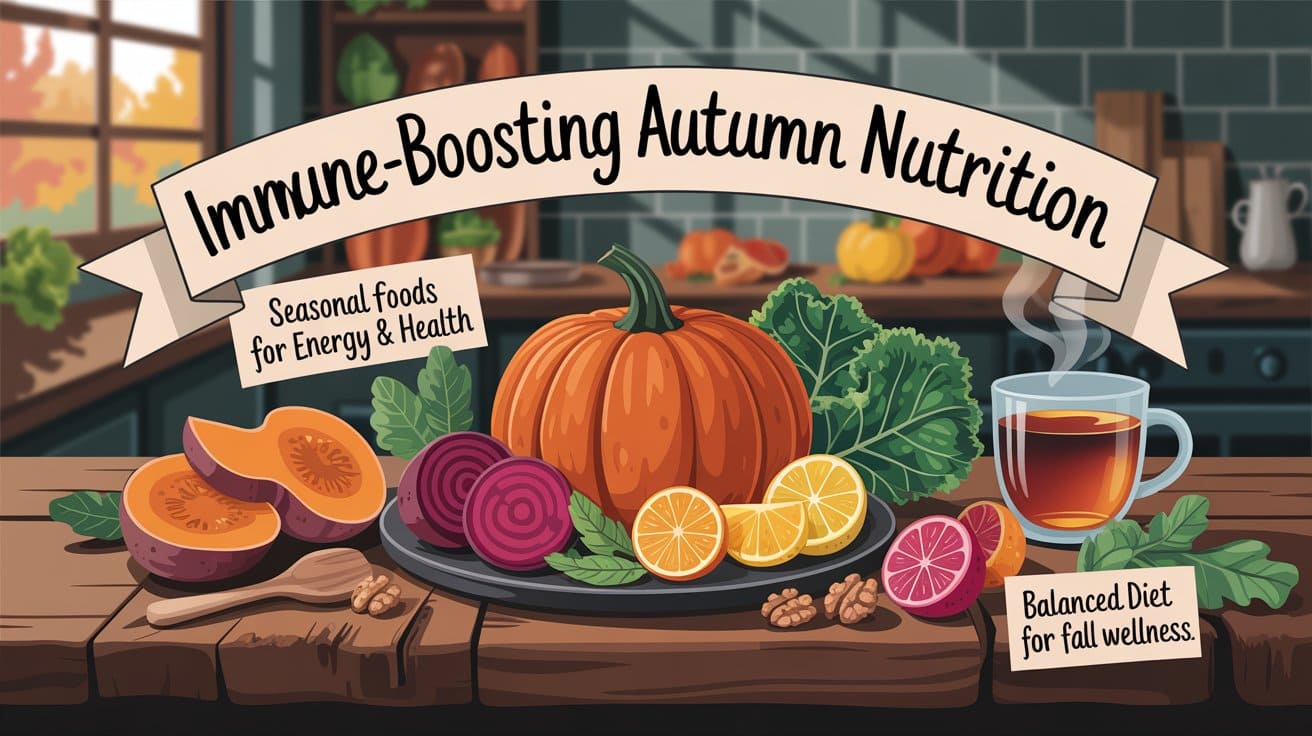
Introduction
Autumn brings cooler weather, shorter days, and the start of seasonal respiratory infections. Preparing your body with nutrient-rich, seasonal foods helps support the immune system and reduces the risk and severity of infections. This article explains which fall foods are best for immunity, the science behind key nutrients like vitamin D, vitamin C, zinc, selenium, and probiotics, and practical meal ideas. Evidence from recent studies and authoritative health sources in Asia, North America, and Europe is included to help you make sensible, science-based food choices this season. PMC+1
Key points (at a glance)
- Eat a variety of seasonal fruits and vegetables (pumpkin, apples, kale, Brussels sprouts, sweet potatoes) for vitamins and antioxidants. EatingWell
- Ensure adequate vitamin D during darker months (diet + sensible supplementation or testing when needed). PMC+1
- Maintain zinc and selenium intake to support immune-cell function and reduce inflammation. PMC+1
- Support gut immunity with probiotic-rich foods (yogurt, kefir, fermented vegetables) or targeted probiotic strains where evidence supports prevention of respiratory infections. PMC+1
- Whole-food first: prefer food sources before supplements; consult a clinician for high-risk groups (elderly, pregnant, immunocompromised). Bureau des suppléments alimentaires
The science behind seasonal nutrition and immunity
1. Why autumn nutrition matters
With reduced sunlight in fall and winter, population vitamin D levels commonly decline — and vitamin D acts as an immunomodulator affecting both innate and adaptive immunity. Recent reviews summarize how vitamin D reduces inflammatory responses and supports barrier functions. For that reason, adjusting diet and monitoring vitamin D in autumn is a practical public-health approach. PMC+1
2. Vitamin C and antioxidants : frontline nutrients
Vitamin C is abundant in many fall vegetables (Brussels sprouts, kale) and fruits (apples, citrus late in the season). Vitamin C supports leukocyte function and antioxidant protection; dietary patterns rich in fruits and vegetables are consistently linked with better immune resilience. While single-nutrient megadoses are not a guarantee against infections, achieving recommended intakes from whole foods supports overall immune health. EatingWell+1
3. Zinc: crucial for immune-cell metabolism
Zinc is essential for immune-cell development and signaling. Recent umbrella reviews and targeted meta-analyses associate zinc supplementation with improvements in immune markers and reduced duration or incidence of some respiratory infections — particularly where a deficiency exists. Older adults are a group to watch because zinc deficiency is linked to immunosenescence. PMC+1
4. Selenium and trace minerals
Selenium supports antioxidant enzymes (e.g., glutathione peroxidase) and influences antiviral defenses. Regions with low selenium soil levels may see dietary selenium gaps; using selenium-rich foods or country-specific food policy guidance can be important. Bureau des suppléments alimentaires
5. Gut health and probiotics
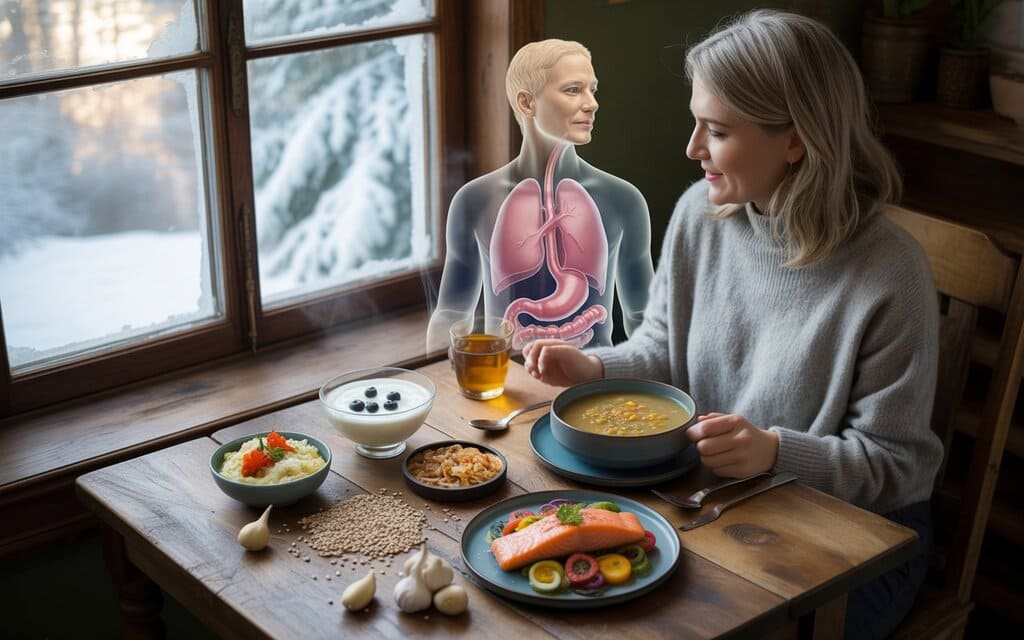
The gut-associated lymphoid tissue is a major immune organ. Specific probiotic strains have been shown in some randomized trials and meta-analyses to shorten the duration or reduce the risk of upper respiratory infections, especially in children and some adult groups. Evidence is mixed and strain-specific; foods like yogurt, kefir, kimchi, or sauerkraut provide beneficial microbes and prebiotic fibers. PMC+1
Seasonal fall foods that support immunity — a quick table
| Fall food | Key immune nutrients/benefits | How to eat |
|---|---|---|
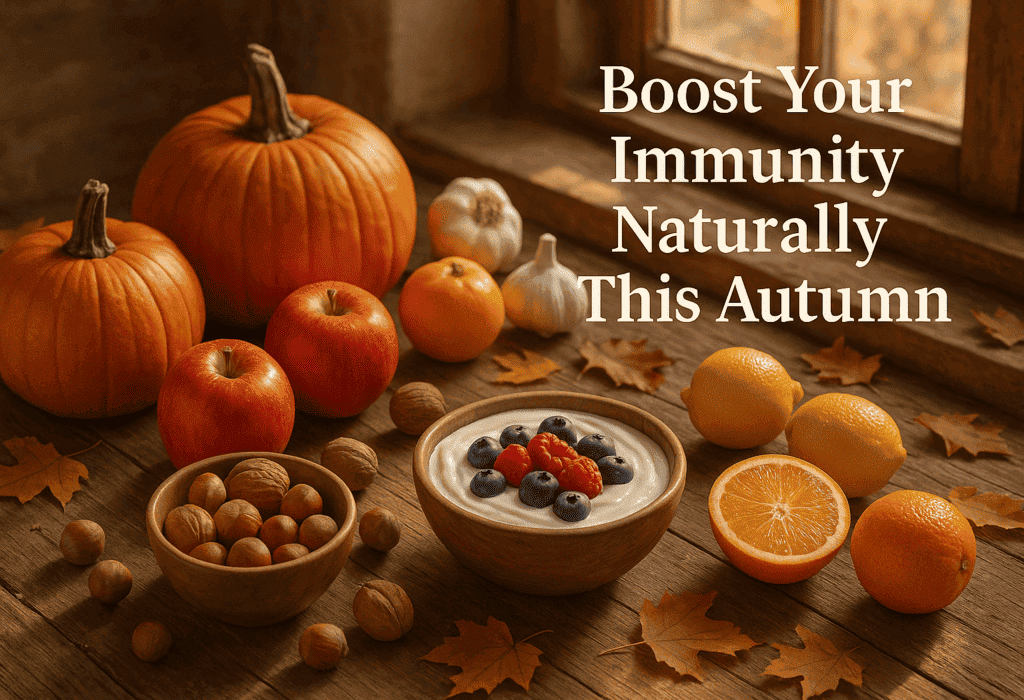
| Pumpkin / Butternut squash | Beta-carotene → vitamin A (mucosal immunity), vitamin C, potassium | Soup, roasted cubes, purees |
| Brussels sprouts / Kale | Vitamin C, vitamin K, fiber, antioxidants | Sautéed, roasted, salads |
| Apples | Polyphenols (quercetin), fiber, vitamin C | Raw, baked, in salads |
| Sweet potatoes | Beta-carotene (vitamin A), fiber | Roasted, mashed |
| Mushrooms (shiitake, maitake) | Vitamin D precursors (when UV-exposed), beta-glucans (immune support) | Sautéed, soups |
| Walnuts / Pumpkin seeds | Zinc, selenium (varies), healthy fats | Snacks, salad toppers |
| Yogurt / Kefir / Fermented vegetables | Probiotics, protein | Daily serving as snack or with meals |
| Citrus (where available) | Vitamin C | Fresh, as juice (moderation) |
(Adapted from nutrition guidance and seasonal-food reports; see references.) EatingWell+1
Practical meal and shopping tips for fall immunity
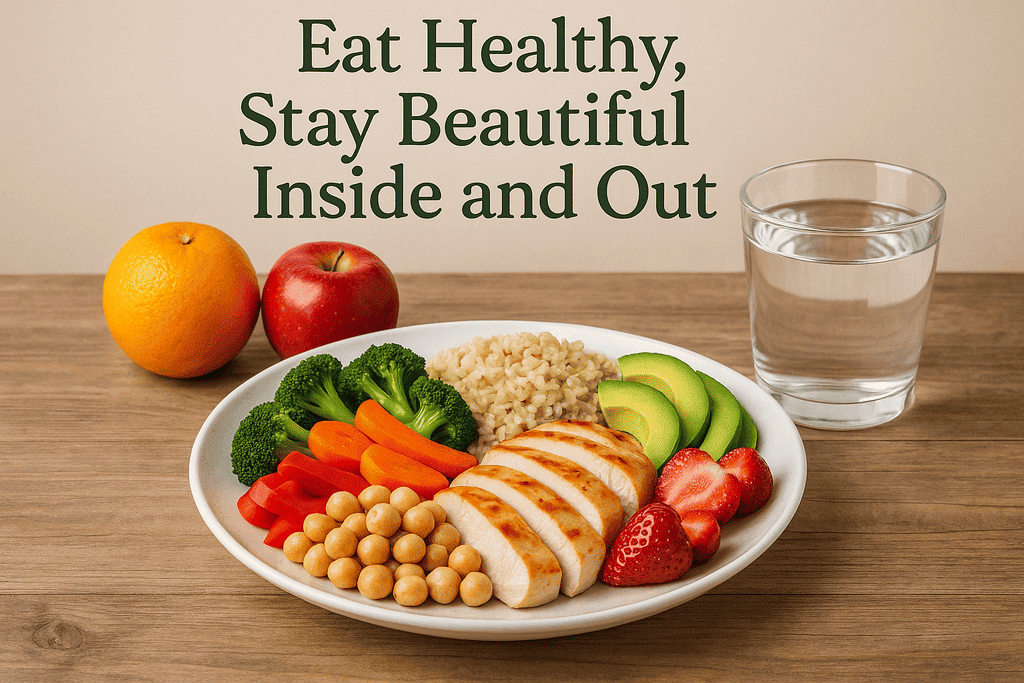
- Build a colorful plate: aim for at least 3 colors of vegetables/fruits each day — e.g., orange (pumpkin), green (kale), red (apple). Colors often reflect different antioxidants and phytonutrients. EatingWell
- Include fermented foods: have plain yogurt or kefir at breakfast and fermented vegetables a few times weekly. If using supplements, choose strains with clinical evidence for respiratory benefits. JAMA Network
- Prioritize whole grains and legumes: provide zinc, selenium (depending on soil), and consistent energy for immune cell function. Bureau des suppléments alimentaires
- Limit added sugars and ultra-processed foods: these can increase inflammation and impair immune response when consumed excessively. Whole-food patterns (Mediterranean-style) are associated with better immune markers. Bureau des suppléments alimentaires
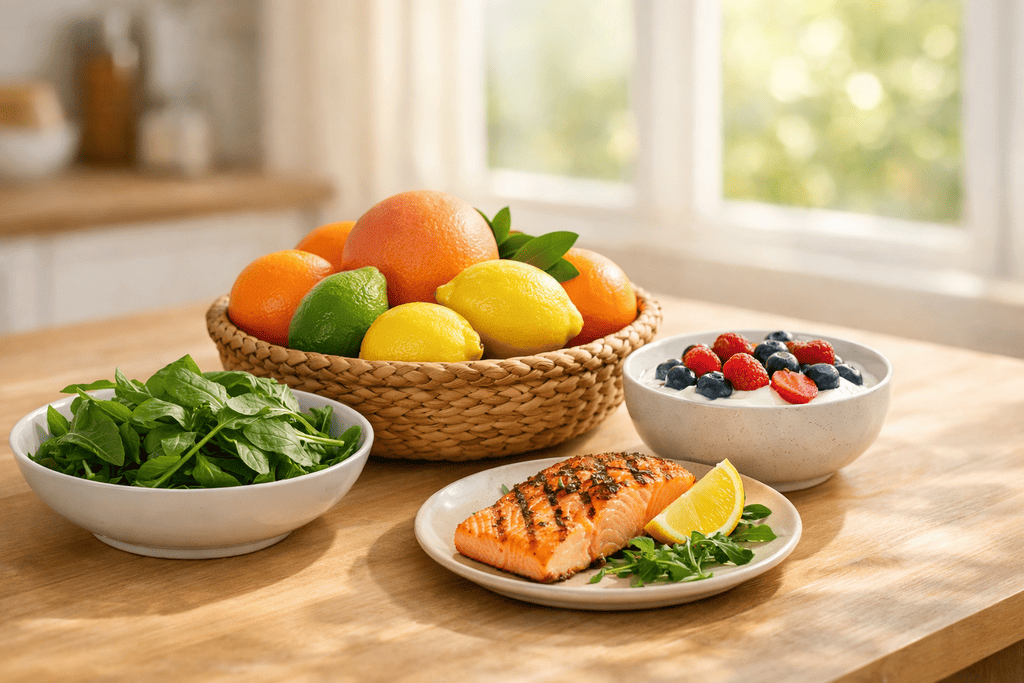
- Mind vitamin D: include oily fish, mushrooms (UV-exposed), and fortified foods; consider testing or clinician advice for supplements during low-sunlight months. PMC+1
What the recent studies say (selected findings)
- A 2023 review summarized vitamin D’s immunomodulatory roles and urged attention to deficiency in seasons with less sun, noting effects on both innate and adaptive immune cells. PMC
- Multiple umbrella reviews and meta-analyses show that zinc supplementation improves several immune biomarkers and may reduce the incidence and severity of respiratory infections where deficiency exists. This relationship is particularly important in older adults and populations with low baseline zinc. PMC+1
- Evidence on probiotics is promising but strain-specific: pooled analyses suggest some reductions in upper respiratory tract infection duration and frequency in children and adults, but the certainty varies and more high-quality trials are needed. PMC+1
- Authoritative health agencies (e.g., the NIH Office of Dietary Supplements) recommend food-first approaches and targeted supplementation only when dietary intake or clinical testing indicates deficiency or increased need. Bureau des suppléments alimentaires
Who should discuss supplements with a clinician?
- Older adults, pregnant or breastfeeding individuals, people with chronic illnesses, and those on strict diets or with absorption problems may need testing and personalized supplement guidance. Broad population-level supplementation without deficiency testing is not recommended for everyone. Bureau des suppléments alimentaires+1
Conclusion
Fall is an ideal time to recalibrate your diet to support immune resilience. Eating seasonal vegetables and fruits, including pumpkin, kale, Brussels sprouts, apples, and mushrooms, plus fermented foods for gut health, gives you a wide range of immune-supporting nutrients. Pay special attention to vitamin D (due to reduced sun exposure), zinc, and selenium, and use supplements only when indicated. The best long-term strategy is a varied, whole-food diet combined with sensible lifestyle habits — sleep, activity, stress management, and hygiene — to reduce infection risk during autumn and beyond. For personalized advice, consult a registered dietitian or your healthcare provider. PMC+2PMC+2
References and selected scientific sources
- Ghaseminejad-Raeini A, et al. Immunomodulatory actions of vitamin D in various immune-related disorders (review). PMC. 2023. PMC
- NIH Office of Dietary Supplements — Dietary Supplements for Immune Function (Health Professional Fact Sheet). (summary guidance). Bureau des suppléments alimentaires
- Frontiers in Nutrition — The nutritional roles of zinc for immune system and COVID-19 patients (2024). Frontiers
- PMC / Umbrella review — Zinc Intakes and Health Outcomes (systematic umbrella review). PMC
- Recent meta-analyses and RCTs on probiotics and respiratory infection outcomes (including JAMA Network Open 2025 study on probiotics and fever duration). JAMA Network+1
- EatingWell — 5 Fall Superfoods to Support Your Immune System (practical food guidance). EatingWell
- MDPI / Nutrients — Vitamin D: Evidence-Based Health Benefits and … (2025 review). MDPI