
 Bbihi L
Meta Description : Discover common cold weather mistakes that can affect hydration, skin health, sleep, nutrition, physical activity, and overall well-being—and learn simple ways to stay healthier during winter.
Quick Facts
- Cold weather can influence hydration, skin health, sleep, physical activity, and daily routines.
- Indoor heating can contribute to dry indoor air, which may affect the skin, eyes, and respiratory comfort.
- Feeling less thirsty in winter does not mean the body no longer needs regular fluids.
- Staying physically active during colder months can help support fitness, mobility, mood, and overall well-being.
- Consistent sleep, balanced nutrition, appropriate clothing, and good hydration are important parts of a healthy winter routine.
- Small preventive changes are generally easier to maintain than drastic lifestyle adjustments.
Introduction
When temperatures fall, many people change their daily routines without realizing how those changes can affect their health and well-being. Shorter daylight hours, colder temperatures, dry air, indoor heating, and reduced physical activity can all influence everyday habits.
The problem is not cold weather alone. In many cases, avoidable seasonal habits—such as drinking too little water, spending too much time sitting indoors, overheating the home, neglecting skin care, or disrupting sleep—can make winter less comfortable.
The good news is that many common cold weather mistakes can be addressed with simple preventive measures. By recognizing these habits early and replacing them with healthier alternatives, you can support your energy, comfort, mobility, skin health, and overall well-being throughout the colder months.
This guide provides general lifestyle information rather than medical diagnosis or treatment. It is designed to help readers make practical, informed choices for maintaining a healthy winter routine.

1. Underestimating the Effects of Cold Weather
Why This Is a Common Mistake
Cold weather affects more than physical comfort. Lower temperatures can change how people dress, exercise, travel, sleep, and spend time outdoors. Cold and dry conditions may also contribute to skin dryness and respiratory discomfort, while shorter days can make it easier to become less physically active.
Ignoring these seasonal changes may gradually affect energy levels, daily performance, and overall comfort.
A Healthier Approach
Instead of waiting until discomfort becomes a problem:
- Recognize that colder weather may require changes to your daily routine.
- Adjust outdoor activities according to weather conditions.
- Dress appropriately for the temperature and activity level.
- Maintain regular movement even when outdoor activity becomes less appealing.
- Focus on prevention rather than reacting to problems later.
Key Insight: Awareness is the first step toward better winter wellness.
2. Wearing Inappropriate or Unbalanced Clothing
The Common Error
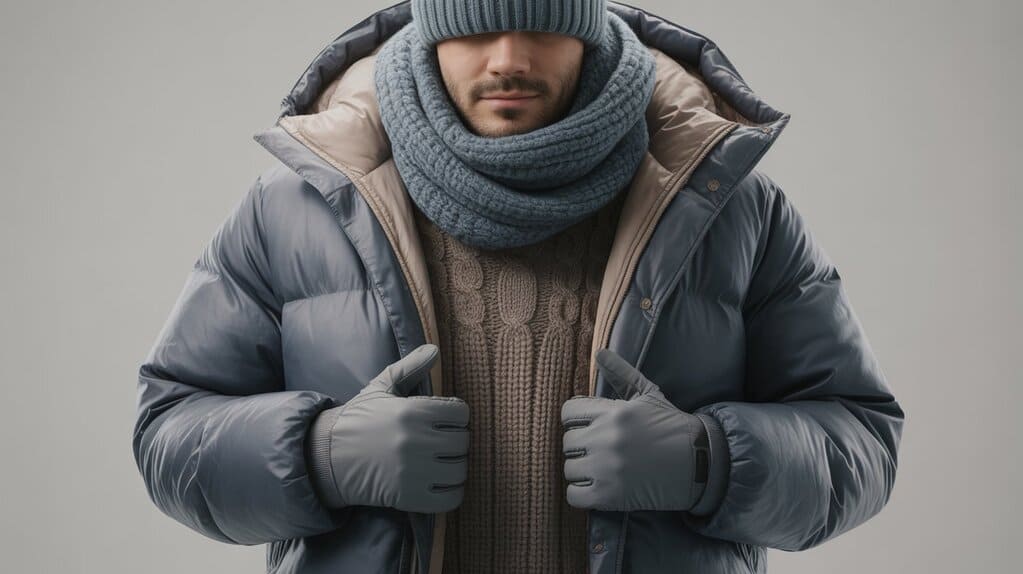
Wearing too little clothing can increase discomfort and heat loss, while excessive clothing may cause overheating and sweating during physical activity.
The goal is not simply to wear as many layers as possible. It is to dress appropriately for the temperature, wind, activity level, and length of time spent outdoors.
Better Winter Clothing Practices
- Dress in layers so you can adjust clothing as conditions change.
- Protect areas that are particularly exposed, such as the head, neck, hands, and feet.
- Choose comfortable, breathable materials that help manage moisture.
- Change damp clothing when necessary.
- Consider wind and precipitation as well as air temperature.
Balanced clothing can help maintain comfort without unnecessary overheating.
3. Drinking Too Little Water
The Misconception
Many people associate dehydration mainly with hot weather. As a result, they may drink less water during winter simply because they do not feel as thirsty.
However, the body still needs fluids throughout the year. Cold, dry air and heated indoor environments can contribute to fluid loss, while physical activity may increase fluid requirements.
Why Hydration Matters
Adequate fluid intake supports normal:
- Concentration
- Digestion
- Physical performance
- Temperature regulation
- Skin function
Simple Winter Hydration Tips
- Drink fluids regularly throughout the day.
- Do not rely exclusively on thirst as a reminder to drink.
- Include warm, unsweetened beverages if you enjoy them.
- Pay attention to signs that may suggest inadequate fluid intake, such as a dry mouth or unusually dark urine.
Pro Tip : Keep water easily accessible at home and at work so hydration becomes part of your routine rather than something you remember only when you are thirsty.
4. Overusing Indoor Heating
Why Excessive Heating Can Be a Problem
Indoor heating can make homes more comfortable during cold weather, but excessively warm or dry indoor environments may contribute to dry skin, irritated eyes, and respiratory discomfort.
The solution is not to avoid heating altogether. Instead, aim for a comfortable indoor environment while maintaining reasonable ventilation and avoiding unnecessarily dry conditions.
Healthier Indoor Habits
- Keep indoor temperatures comfortable rather than excessively high.
- Avoid directing heated air directly at your face or skin.
- Ventilate indoor spaces when practical and appropriate.
- Maintain reasonable indoor humidity when possible.
- Keep heating systems clean and properly maintained.
Key Insight : A comfortable home should provide warmth without unnecessarily compromising indoor air quality or comfort.
5. Neglecting Skin and Lip Care
Why Skin Can Become Drier in Winter
Cold outdoor air, low humidity, wind, and indoor heating can increase moisture loss from the skin. As a result, some people experience dryness, tightness, flaking, or cracking, particularly on exposed areas.
Simple Cold Weather Skin Care Tips
- Apply a moisturizer regularly, especially after bathing.
- Use gentle cleansers instead of harsh products when possible.
- Avoid very hot showers, which can worsen dryness.
- Protect exposed skin from cold wind.
- Use a suitable lip moisturizer or balm when needed.
- Pay particular attention to hands, which may be exposed to frequent washing and cold air.
Preventive skin care is usually easier than trying to restore severely dry or irritated skin later.
6. Becoming Too Sedentary
A Common Winter Trap
Cold temperatures, shorter days, and reduced outdoor activity can make people spend more time sitting indoors. Over time, this can turn into a sedentary routine.
Regular physical activity remains important during winter because it supports cardiovascular fitness, muscle strength, mobility, mood, and general health.
Practical Ways to Stay Active
You do not necessarily need a demanding workout. Try :
- Indoor stretching
- Bodyweight exercises
- Walking indoors
- Short outdoor walks when conditions are safe
- Light household activities
- Mobility exercises
- Regular movement breaks during long periods of sitting
Pro Tip: If motivation is low, aim for consistency rather than intensity. Short periods of movement performed regularly can be easier to maintain than occasional demanding workouts.
7. Relying Too Heavily on Comfort Foods
The Common Mistake
Cold weather can increase the appeal of rich, sugary, or high-fat comfort foods. Enjoying these foods occasionally is not inherently unhealthy, but relying heavily on them can make it harder to maintain a balanced diet.
Smarter Winter Nutrition Choices
Build meals around a variety of nutrient-dense foods, including:
- Vegetables and fruits
- Whole grains
- Beans and other legumes
- Nuts and seeds
- Eggs, fish, poultry, or other protein sources
- Dairy or suitable alternatives
Warm soups, stews, and other comforting meals can still be part of a healthy winter diet.
The goal is balance rather than restriction. There is no need to eliminate favorite seasonal foods completely; instead, enjoy them as part of an overall varied eating pattern.
8. Disrupting Sleep Patterns
What Can Go Wrong?
Shorter days, changes in daily activity, more time indoors, and altered routines can make it easier to develop inconsistent sleep habits.
Poor sleep can affect energy, concentration, mood, and daily performance.
Healthy Winter Sleep Habits
- Maintain a consistent sleep and wake schedule.
- Create a relaxing evening routine.
- Reduce stimulating screen use close to bedtime.
- Keep the bedroom comfortable and suitable for sleep.
- Get regular daytime light exposure when possible.
- Avoid large disruptions to your normal schedule.
Key Insight: Consistency is one of the simplest foundations of good sleep.
9. Ignoring Early Warning Signs
Commonly Overlooked Signals
Some people dismiss changes in how they feel during winter as simply being “part of the season.” However, persistent or unusual symptoms should not automatically be attributed to cold weather.
Examples can include :
- Persistent or worsening fatigue
- Significant changes in mood
- Ongoing difficulty concentrating
- Persistent skin irritation
- Breathing difficulties
- Unusual weakness or reduced ability to perform normal activities
A Better Response
If you notice a persistent change :
- Review your daily habits.
- Make reasonable lifestyle adjustments.
- Give yourself adequate rest and recovery.
- Monitor whether the problem improves.
- Seek advice from a qualified healthcare professional when symptoms persist, worsen, or cause concern.
Important :
Lifestyle advice should never replace professional medical evaluation when a health problem requires attention.
Common Cold Weather Mistakes vs. Healthier Alternatives
| Common Mistake | Possible Effect | Healthier Alternative |
|---|---|---|
| Inadequate clothing | Discomfort and excessive heat loss | Dress in adjustable layers |
| Excessive clothing during activity | Overheating and sweating | Adjust layers to activity level |
| Drinking too little | Increased risk of inadequate hydration | Drink fluids regularly |
| Excessive indoor heating | Dry indoor conditions | Maintain comfortable temperatures |
| Neglecting skin care | Dryness and cracking | Moisturize and protect exposed skin |
| Sedentary habits | Reduced daily movement | Add regular light activity |
| Unbalanced comfort foods | Excessive intake of sugar or calories | Choose a varied, balanced diet |
| Irregular sleep schedule | Fatigue and poor concentration | Maintain consistent sleep times |
Daily Winter Habits That Support Well-Being
| Habit | Potential Benefit |
|---|---|
| Regular hydration | Supports normal body functions |
| Short periods of ventilation | Helps maintain indoor air freshness |
| Warm, unsweetened drinks | Can contribute to fluid intake |
| Gentle stretching | Supports mobility and flexibility |
| Regular movement breaks | Reduces prolonged sitting |
| Moisturizing | Helps protect the skin barrier |
| Consistent sleep schedule | Supports healthy sleep habits |
| Balanced meals | Provides a range of essential nutrients |
Pro Tip : Focus on Small Changes
You do not need to completely redesign your lifestyle when winter arrives.
Start with a few practical habits:
Drink regularly → move every day → dress appropriately → moisturize → eat balanced meals → protect your sleep.
Small changes that you can maintain consistently are often more useful than extreme routines that are difficult to sustain.
Frequently Asked Questions
Is cold weather itself harmful to health?
Cold weather is not automatically harmful to everyone, but exposure to low temperatures can increase physical stress and discomfort, particularly when people are inadequately protected or have certain health conditions. Appropriate clothing, preparation, and sensible routines can help reduce avoidable problems.
Do hydration needs decrease during winter?
Not necessarily. The body continues to require fluids throughout the year. Cold, dry air, indoor heating, and physical activity can all influence fluid needs.
Is it okay to exercise less during cold weather?
Your activity routine may reasonably change during colder months, especially when outdoor conditions are unsafe. However, prolonged inactivity should be avoided when possible. Indoor movement, stretching, walking, and other suitable activities can help maintain regular physical activity.
Why does skin become drier in winter?
Cold air, low humidity, wind, frequent washing, and indoor heating can increase moisture loss from the skin. Regular moisturizing and avoiding excessively hot showers may help reduce dryness.
Should I avoid going outside in cold weather?
Not necessarily. Outdoor activity can remain part of a healthy routine when weather and environmental conditions are safe. Dress appropriately, consider wind and precipitation, and adjust the duration and intensity of activity when conditions are challenging.
How can I stay healthy during winter?
Focus on a few consistent habits : stay hydrated, eat a balanced diet, remain physically active, get adequate sleep, protect your skin, dress appropriately, and maintain a comfortable indoor environment.
Key Results
Avoiding common cold weather mistakes can help you build a healthier and more comfortable winter routine. The most useful strategies include :
- Maintaining regular hydration
- Dressing appropriately for changing conditions
- Protecting the skin and lips from dryness
- Staying physically active
- Eating a varied and balanced diet
- Maintaining consistent sleep habits
- Avoiding excessive indoor heating
- Paying attention to persistent or unusual symptoms
The goal is not to create a perfect winter routine. It is to develop simple habits that support health and well-being consistently.
General Guidance from Trusted Health Organizations
Health organizations such as the World Health Organization (WHO), Centers for Disease Control and Prevention (CDC), and National Health Service (NHS) provide public-health information relevant to seasonal health, physical activity, healthy lifestyles, environmental conditions, and winter well-being.
Readers should use official health guidance alongside advice from qualified healthcare professionals, particularly when dealing with persistent symptoms, chronic conditions, or individual health concerns.
Conclusion : Avoid These Cold Weather Mistakes Early
Cold weather does not have to compromise your health or quality of life. Many winter challenges can be reduced by recognizing common seasonal mistakes and replacing them with practical, sustainable habits.
Appropriate clothing, regular hydration, balanced nutrition, daily movement, consistent sleep, skin protection, and a comfortable indoor environment can all contribute to better winter well-being.
Most importantly, avoid trying to change everything at once. Small, consistent improvements are easier to maintain and can make a meaningful difference over time.
Start today by choosing one winter habit to improve—and build from there. Your healthiest winter routine begins with simple choices you can maintain every day.
Health Disclaimer
This article is provided for general informational and educational purposes only. It does not constitute medical advice, diagnosis, or treatment and should not replace guidance from a qualified healthcare professional. If you experience persistent, severe, or concerning symptoms, consult an appropriate healthcare professional for personalized advice.