 Bbihi L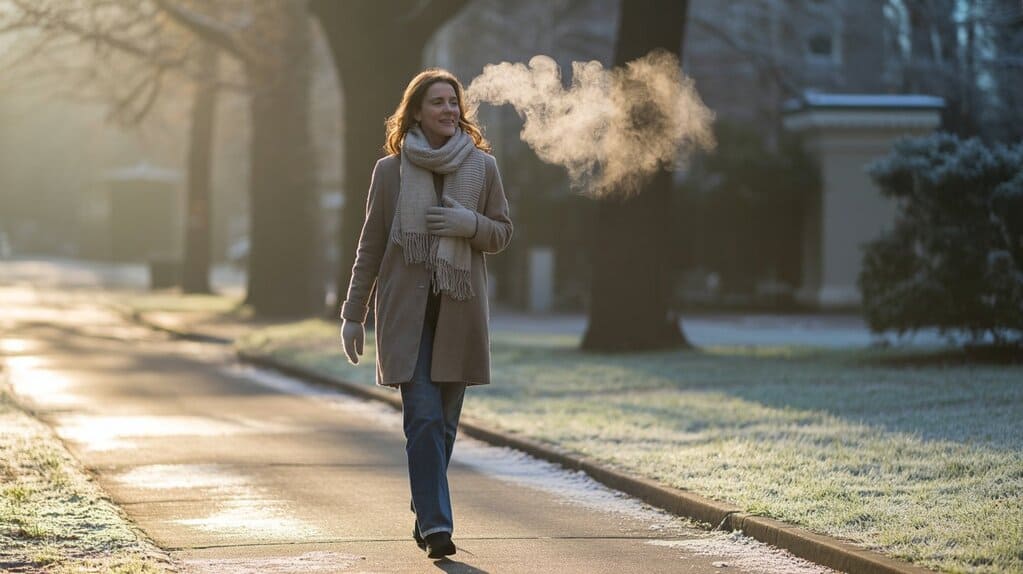
Quick Facts
- Gradual changes can make the transition into colder weather more comfortable.
- Layering clothing helps regulate body temperature while reducing the risk of overheating indoors.
- Regular physical activity supports cardiovascular health, mobility, and mood during winter.
- Adequate hydration and nutrient-dense foods remain important even when cold weather reduces thirst.
- Natural daylight, consistent sleep, and regular routines can support emotional well-being during shorter winter days.
- People with certain medical conditions may need individualized advice before exercising or spending prolonged periods outdoors in cold weather.
Introduction
Adapting to a cold-weather lifestyle involves much more than wearing heavier clothing. A healthy transition may include changes to daily routines, nutrition, physical activity, sleep, hydration, skin care, and mental well-being.
Cold temperatures can influence how comfortable we feel, how active we are, and how we organize our daily lives. Moving abruptly from mild weather to colder conditions may make outdoor activities feel more difficult, while dry indoor air can contribute to skin and respiratory discomfort.
However, winter does not have to mean abandoning healthy routines. With gradual adjustments and sensible precautions, you can remain active, comfortable, and productive throughout the colder months.
This guide explains practical ways to adapt to cold weather gradually while supporting overall health and well-being.
Why Gradual Adaptation to Cold Weather Matters
The human body continuously works to maintain a stable internal temperature. When environmental temperatures change, the body responds by adjusting blood flow, heat production, and other physiological processes.
A gradual transition can make everyday activities more comfortable and help you establish sustainable winter habits.
Cold weather may be associated with :
- Reduced outdoor activity
- Muscle and joint stiffness
- Dry skin and lips
- Increased exposure to seasonal respiratory viruses
- Changes in sleep and daily routines
- Lower exposure to natural daylight
- Changes in mood and motivation
These effects do not mean that cold weather automatically makes people unhealthy. Rather, they highlight the importance of adapting routines to seasonal conditions.
Preparing Your Body for Cold Weather
Build Cold-Weather Tolerance Gradually
There is no need to deliberately expose yourself to extreme cold to “train” your body. Instead, focus on comfortable and controlled exposure.
Useful strategies include :
- Spending reasonable amounts of time outdoors when conditions are safe.
- Dressing appropriately rather than avoiding the outdoors completely.
- Using several breathable layers that can be removed when necessary.
- Avoiding excessively heated indoor environments.
- Moving between indoor and outdoor temperatures gradually when possible.
The goal is not to become resistant to extreme cold but to maintain comfort and normal daily activity as temperatures change.
Support Your Immune System Naturally
Cold temperatures themselves do not directly cause infections. However, winter often coincides with increased circulation of respiratory viruses and more time spent in enclosed indoor spaces.
Healthy habits can support normal immune function :
- Maintain a consistent sleep schedule.
- Eat a varied diet rich in vegetables, fruits, whole grains, legumes, and other nutrient-dense foods.
- Stay adequately hydrated.
- Remain physically active.
- Wash your hands regularly and follow appropriate infection-prevention practices.
- Avoid smoking and limit exposure to indoor air pollutants.
Consistency matters more than relying on supplements or individual “immune-boosting” products.
Nutrition Adjustments for Cold Weather Living
Eat for Sustained Warmth and Energy
Cold weather can influence appetite and energy needs, but not everyone needs substantially more calories during winter. Your nutritional requirements depend on factors such as activity level, body size, environment, and individual health.
Rather than automatically increasing calorie intake, prioritize balanced, nutrient-dense meals.
Good options include :
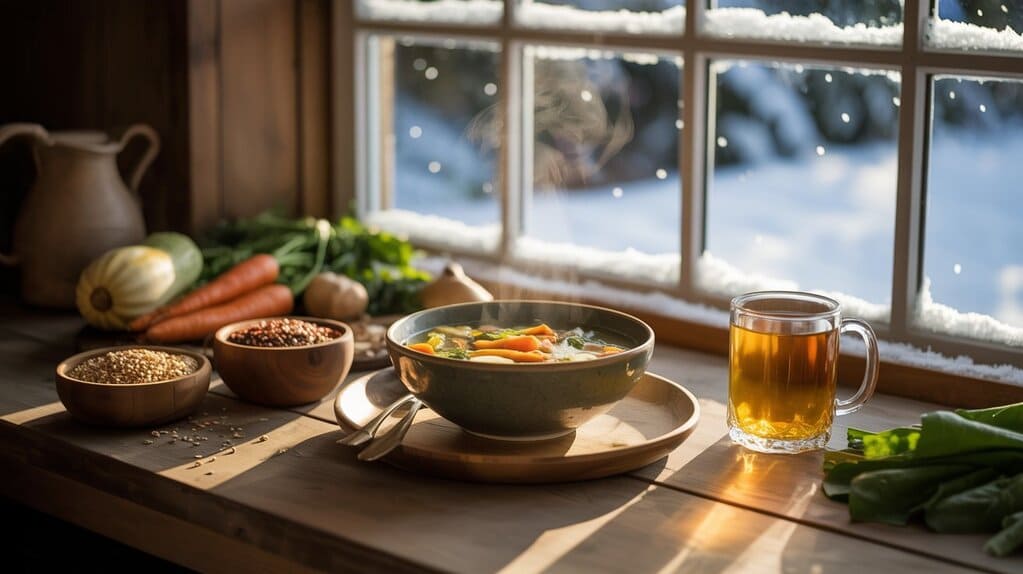
- Vegetable-based soups
- Bean and lentil stews
- Whole grains such as oats and barley
- Root vegetables
- Seasonal fruits and vegetables
- Nuts and seeds
- Fish, eggs, lean meats, or other protein-rich foods
Warm meals can also be comforting and convenient during colder months, but nutritious cold foods such as fruit, yogurt, salads, and smoothies can remain part of a healthy winter diet.
Stay Hydrated in Cold Climates
Reduced thirst during cold weather can make it easy to overlook hydration. Indoor heating may also create a dry environment that contributes to discomfort.
Practical hydration habits include :
- Drink water regularly throughout the day.
- Keep a reusable water bottle nearby.
- Include water-rich foods such as fruits and vegetables.
- Enjoy unsweetened herbal teas if you prefer warm beverages.
- Increase fluid intake appropriately during exercise or prolonged outdoor activity.
Hydration needs vary according to activity, climate, diet, and individual health conditions.
Nutritional Priorities for Cold Weather
| Body Need | Recommended Food Types | Potential Benefit |
|---|---|---|
| Energy | Whole grains, legumes, potatoes | Sustained energy |
| Protein | Beans, lentils, eggs, fish, lean meats | Muscle maintenance and recovery |
| Micronutrients | Vegetables and seasonal fruits | Supports overall nutrition |
| Healthy fats | Nuts, seeds, olive oil, oily fish | Supports a balanced diet |
| Hydration | Water, soups, broths, water-rich foods | Helps maintain fluid balance |
Clothing and Physical Comfort Strategies
Master the Layering Principle
Layering is one of the most practical approaches to dressing for changing winter conditions.
A basic layering system includes :
- Base layer: Helps manage moisture and keeps the skin more comfortable.
- Middle layer: Provides insulation, such as fleece or wool.
- Outer layer: Protects against wind, rain, and other weather conditions.
The advantage of layers is flexibility. You can add or remove clothing as your activity level and surroundings change.
Avoid wearing so many layers that you become excessively hot or sweaty, particularly when moving between outdoor and heated indoor environments.
Protect Hands, Feet, Ears, and Neck
Certain body areas can become uncomfortable quickly in cold conditions. Depending on the weather, consider protecting :
- Hands with suitable gloves or mittens
- Feet with warm, dry footwear and appropriate socks
- Ears with a hat or other suitable covering
- Neck with a scarf or insulated layer
Keeping clothing dry is equally important, especially during prolonged outdoor activities.
Physical Activity in Cold Weather
Stay Active Without Overexertion
Cold weather should not automatically end your exercise routine. Physical activity remains important for cardiovascular fitness, muscle strength, mobility, and mental well-being.
When exercising outdoors in colder conditions :
- Warm up properly before vigorous activity.
- Start with lighter movement and gradually increase intensity.
- Wear appropriate layers.
- Choose safe walking or exercise surfaces.
- Stay hydrated.
- Adjust the duration or intensity when weather conditions are severe.
- Move indoors when conditions become unsafe.
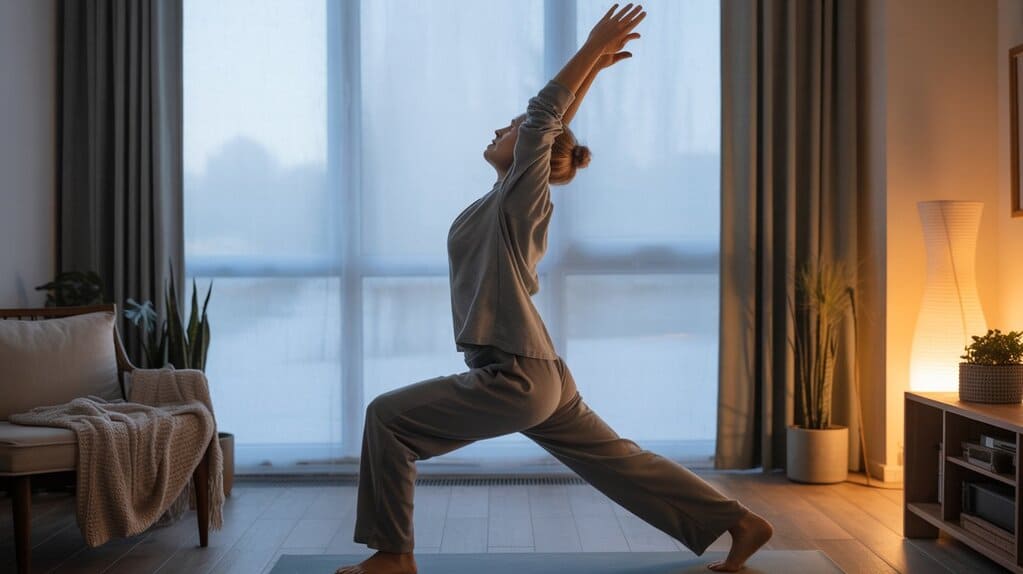
For people who prefer indoor exercise, options include walking indoors, strength training, stretching, cycling, dancing, and mobility exercises.
Cold-Weather Physical Activity Guide
| Activity | Suggested Starting Point | Main Benefit |
|---|---|---|
| Indoor stretching | 10–15 minutes | Mobility and flexibility |
| Brisk walking | 20–30 minutes | Cardiovascular activity |
| Bodyweight strength exercises | 15–20 minutes | Muscle strength |
| Indoor cycling | 20–30 minutes | Cardiovascular fitness |
| Mobility exercises | 10–15 minutes | Joint movement |
These durations are examples rather than universal prescriptions. Adjust exercise according to your fitness level, health status, and environmental conditions.
Mental and Emotional Adaptation
Adjust to Reduced Daylight
Shorter winter days can change daily routines and may affect mood, sleep patterns, and motivation for some people.
Helpful habits include :
- Get natural daylight earlier in the day when possible.
- Maintain regular waking and sleeping times.
- Continue social activities rather than becoming isolated.
- Schedule enjoyable indoor activities.
- Keep exercising regularly.
- Create a predictable daily routine.
If persistent low mood, loss of interest, severe fatigue, or other concerning symptoms interfere with daily life, seek professional medical advice rather than assuming they are simply a normal part of winter.
Create a Comfortable Home Environment
A healthy winter home should feel comfortable without becoming excessively hot or poorly ventilated.
Consider :
- Maintaining a comfortable indoor temperature.
- Ventilating rooms appropriately.
- Managing excessive indoor dryness when possible.
- Using warm lighting in the evening.
- Keeping frequently used areas organized and comfortable.
- Avoiding excessive heating that makes indoor air uncomfortably dry.
Comfort and healthy routines can coexist. A pleasant home environment can encourage relaxation without requiring complete isolation from outdoor activities or social connections.
Daily Habits That Support Cold Weather Adaptation
Small, consistent habits can make seasonal transitions easier.
Consider incorporating the following into your routine :
- Wake up and go to bed at relatively consistent times.
- Plan outdoor activities during safer and more comfortable parts of the day.
- Take warm—not excessively hot—showers to help reduce skin dryness.
- Apply moisturizer regularly, particularly after bathing.
- Drink fluids consistently.
- Eat balanced meals throughout the day.
- Keep moving even when outdoor activity is limited.
- Prepare appropriate clothing before leaving home.
- Make time for daylight exposure and social interaction.
The objective is not to create a completely different lifestyle for winter. Instead, make small adjustments that allow healthy habits to continue throughout the season.
Common Cold-Weather Mistakes to Avoid
Some winter habits can make the transition more difficult.
1. Staying Indoors All Day
Avoiding outdoor activity completely can reduce physical activity and daylight exposure. When weather conditions are safe, brief outdoor activities can be beneficial.
2. Overheating Indoor Spaces
Excessive heating can make the transition between indoor and outdoor environments uncomfortable and may contribute to dry skin and airways.
3. Forgetting to Drink Water
Feeling less thirsty does not necessarily mean your body needs less fluid.
4. Skipping Exercise
Cold temperatures can make exercise less appealing, but regular movement remains important.
5. Taking Extremely Hot Showers
Very hot water can strip natural oils from the skin and worsen dryness.
6. Relying on Supplements Instead of a Balanced Diet
Supplements may be useful in specific situations, but they should not replace a varied, nutrient-rich diet. Individual supplementation needs should be discussed with an appropriate healthcare professional.
Sudden vs. Gradual Adaptation to Cold Weather
| Approach | Typical Experience | Comfort Level |
|---|---|---|
| Sudden adaptation | Abrupt changes in clothing, activity, and routine | May feel uncomfortable |
| Gradual adaptation | Small adjustments over time | Usually easier to maintain |
| Consistent seasonal routine | Stable habits adapted to conditions | Supports long-term comfort |
Gradual adaptation does not mean deliberately exposing yourself to dangerous temperatures. It means making sensible adjustments as the season changes.
Frequently Asked Questions
Is it healthy to go outdoors every day in cold weather?
For most healthy people, outdoor activity can be part of a healthy lifestyle when weather conditions are safe and clothing is appropriate. Extremely cold, icy, windy, or otherwise hazardous conditions require additional caution.
Should calorie intake increase during winter?
Not necessarily. Although cold exposure and certain types of physical activity can increase energy expenditure, most people do not automatically need a large increase in calories. Focus on nutritional quality, adequate protein, fiber, and overall dietary balance.
Does cold weather weaken the immune system?
Cold weather itself does not simply “switch off” the immune system. Winter conditions can coincide with factors such as increased indoor crowding, reduced daylight exposure, changes in activity, and circulation of respiratory viruses. Healthy sleep, nutrition, physical activity, and hygiene remain important.
Is it better to keep indoor spaces very warm?
Not necessarily. An excessively warm environment can feel uncomfortable and may contribute to dry air and discomfort. Aim for a comfortable indoor temperature and appropriate ventilation rather than excessive heating.
Can I exercise outdoors when temperatures are very low?
It depends on the temperature, wind, precipitation, surface conditions, your clothing, your fitness level, and your health. When conditions are hazardous, choose an indoor workout instead.
Who should take extra precautions in cold weather?
Older adults, young children, people with certain cardiovascular or respiratory conditions, and individuals who have difficulty regulating body temperature may require additional precautions. Anyone with a relevant medical condition should follow individualized advice from a healthcare professional.
Pro Tip
Think adaptation, not endurance. You do not need to force your body to tolerate extreme cold. The healthier approach is to adjust clothing, activity, nutrition, hydration, and daily routines according to the weather while maintaining consistent healthy habits.
Key Results
A successful cold-weather lifestyle does not depend on one specific food, supplement, exercise, or clothing choice. Instead, it comes from combining several practical habits:
- Dress appropriately using layers.
- Stay physically active throughout the season.
- Maintain balanced nutrition and adequate hydration.
- Protect your skin from excessive dryness.
- Maintain consistent sleep and daily routines.
- Get natural daylight when possible.
- Pay attention to weather conditions and personal health needs.
- Seek professional advice when cold exposure or exercise may pose a health risk.
Conclusion
Adapting to a cold-weather lifestyle is a gradual process rather than a sudden change. By adjusting nutrition, physical activity, clothing, hydration, sleep, skin care, and daily routines, you can make colder months more comfortable while maintaining a healthy lifestyle.
The goal is not to become immune to the cold. It is to develop practical habits that help you stay active, comfortable, and resilient as temperatures fall.
Listen to your body, respect changing weather conditions, and focus on consistency rather than perfection. With the right approach, winter can be an opportunity to maintain healthy routines rather than a reason to abandon them.
Start preparing before the coldest days arrive: review your clothing layers, organize your winter routine, stock nutritious foods, and plan safe ways to stay active.
Health Disclaimer
This article is intended for general educational and lifestyle information only. It does not provide medical advice, diagnosis, or treatment. People with specific medical conditions, unusual symptoms, or concerns about exercising or spending time outdoors in cold weather should consult a qualified healthcare professional for individualized guidance.