
 Bbihi L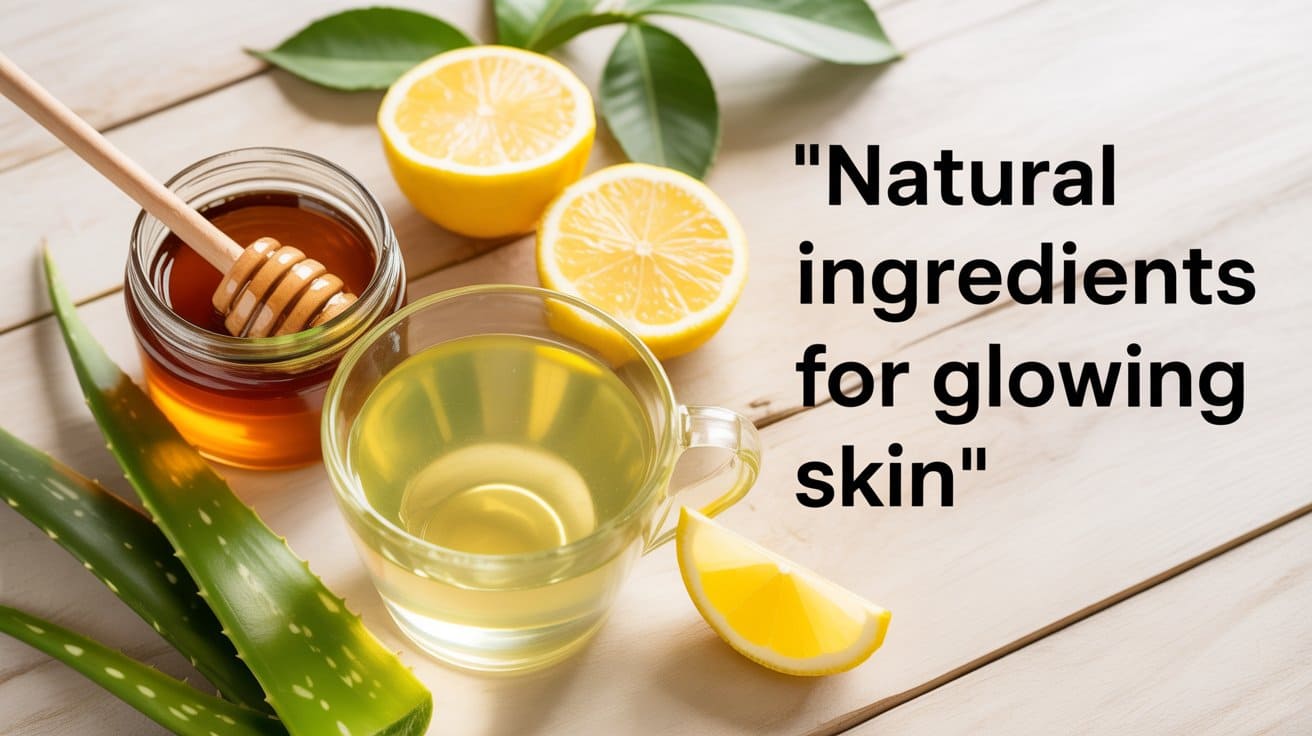
Introduction
In today’s beauty-conscious world, the desire for radiant, glowing skin is not just about aesthetics—it’s also deeply connected to overall health and wellness. The skin, our largest organ, acts as a barrier against environmental toxins, pathogens, and UV radiation while reflecting our inner health.
A healthy complexion enhances confidence and vitality, but achieving it requires more than just expensive creams. It demands scientifically proven skincare practices, a balanced lifestyle, and the use of natural ingredients that support skin function from within.
In this comprehensive guide, we will explore the importance of skincare, the best daily skincare routine, hydration and sun protection, and lifestyle habits that contribute to a natural glow. Drawing on recent studies from Asia, Europe, and America, we’ll also highlight evidence-based recommendations by dermatologists and researchers worldwide.
The Importance of Skincare
Proper skincare is essential for maintaining hydration, elasticity, and the skin’s protective barrier. Research shows that consistent routines dramatically reduce signs of premature aging and improve skin quality.
✅ A 2023 study published in the Journal of Clinical and Aesthetic Dermatology found that individuals who maintained a structured skincare routine showed significant improvements in wrinkle reduction and overall skin tone clarity compared to those with inconsistent care.
✅ A 2021 European Dermatology Review emphasized that early adoption of sunscreen and moisturizers plays a key role in preventing photoaging (wrinkles, pigmentation, and rough texture caused by sun exposure).
Key Benefits of Skincare
- Protects against environmental damage (pollution, UV rays, toxins)
- Slows down the aging process by reducing fine lines and wrinkles
- Prevents acne and breakouts by maintaining a clear barrier
- Boosts self-confidence through healthier, radiant-looking skin
💡 “Healthy skin is a reflection of overall wellness.” — Dr. Emily Grant, Dermatologist
Understand Your Skin Type
Every skincare journey begins with identifying your skin type. Using products that are mismatched can worsen problems like acne, dryness, or sensitivity.
Main Skin Types
| Skin Type | Characteristics | Best Care Approach |
|---|---|---|
| Oily | Shiny, enlarged pores, acne-prone | Lightweight gel cleansers, oil-free moisturizers |
| Dry | Flaky, tight, dull appearance | Rich creams, hydrating serums (Hyaluronic acid) |
| Combination | Oily T-zone, dry cheeks | Balanced formulas, non-comedogenic hydrators |
| Sensitive | Easily irritated, redness, burning | Fragrance-free, hypoallergenic products |
🔑 Why It Matters:
- Tailored products ensure maximum effectiveness
- Reduces irritation and allergic reactions
- Balances hydration without over-drying or clogging pores
Pro Tip: Dermatologists recommend a skin analysis every few years, as skin type can change with age, hormones, and lifestyle.

Natural Ingredients for Glowing Skin
Natural skincare is gaining popularity worldwide, supported by scientific evidence showing its effectiveness in boosting skin radiance without harsh chemicals.
Dermatologist-Approved Natural Ingredients
| Natural Ingredient | Main Benefit | How to Use |
|---|---|---|
| Honey | Moisturizes, antibacterial, promotes healing | Apply as a mask for 10–15 minutes, rinse with warm water |
| Lemon | Brightens skin, reduces acne scars | Dilute lemon juice with water; apply lightly (always use SPF afterward) |
| Green Tea | Antioxidant, anti-inflammatory, reduces redness | Use cooled green tea as a toner |
| Aloe Vera | Soothes irritation, hydrates deeply | Apply fresh aloe gel before bedtime |
| Turmeric | Anti-inflammatory, evens skin tone | Mix with yogurt for a brightening mask |
📌 According to a 2022 study from the Indian Journal of Dermatology, turmeric and honey masks significantly improved skin hydration and elasticity in participants after four weeks of use.
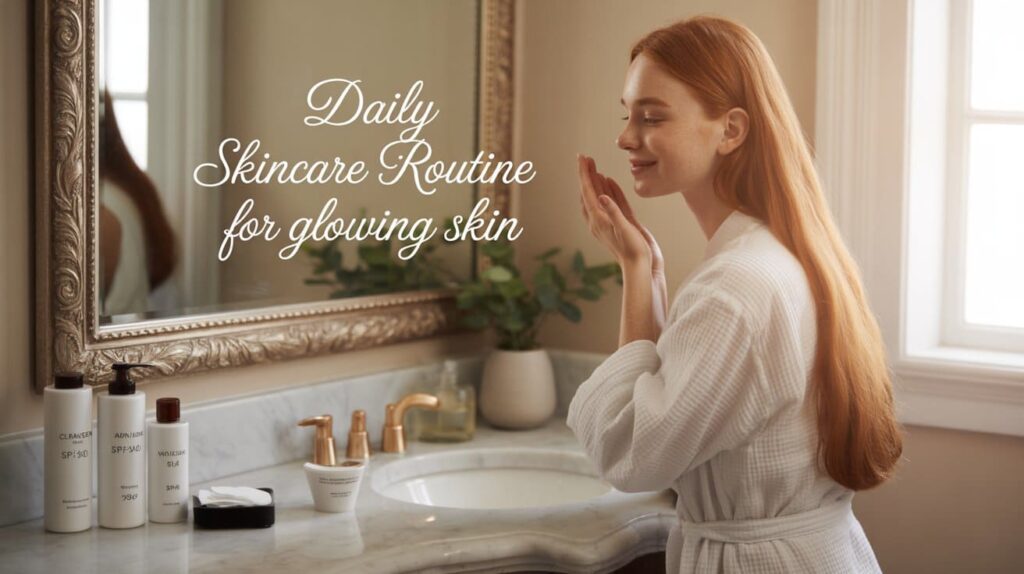
Daily Skincare Routine : Your Roadmap to Healthy Skin
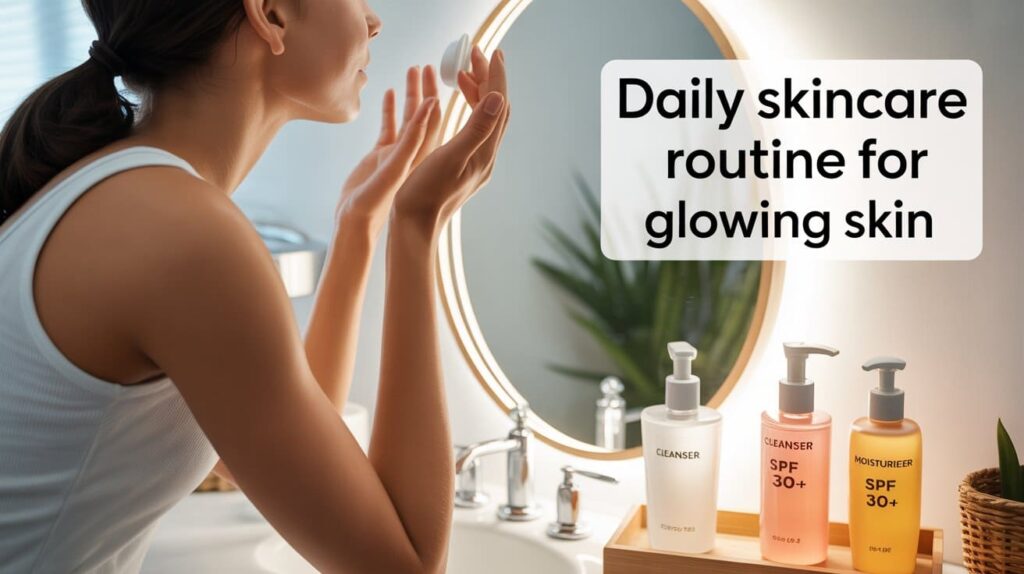
Consistency is more important than complexity. A daily skincare routine helps maintain balance and prevent long-term damage.
Morning Routine
- Gentle Cleanser – Removes overnight oil buildup.
- Hydrating Toner – Restores pH balance.
- Moisturizer – Locks in hydration.
- Sunscreen (SPF 30+) – Protects against UVA and UVB rays.
Evening Routine
- Makeup Removal – Prevents clogged pores.
- Mild Cleanser – Cleanses without stripping natural oils.
- Serum (Vitamin C or Hyaluronic Acid) – Repairs and hydrates.
- Night Cream – Nourishes and supports overnight skin repair.
The Role of Hydration
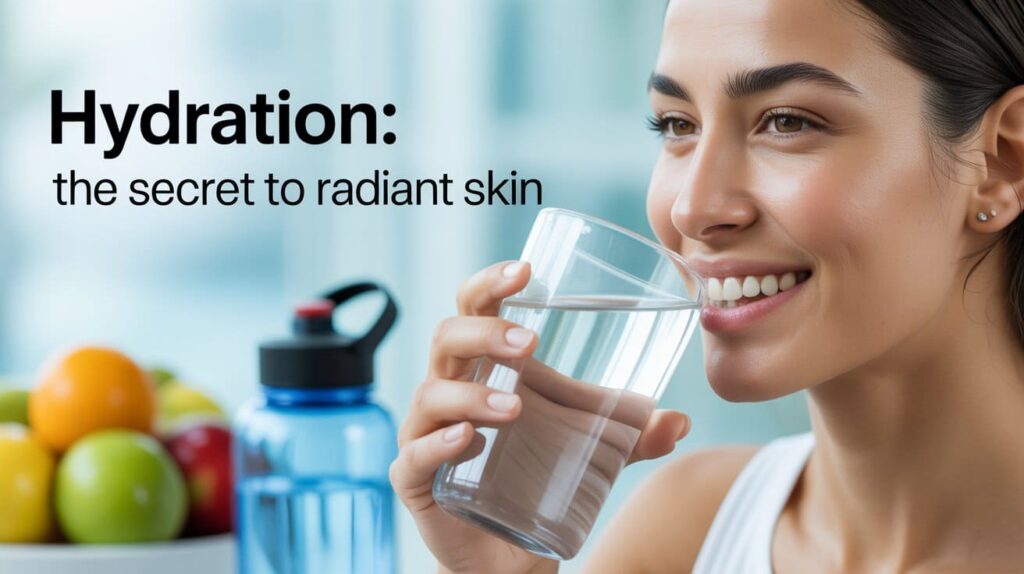
Hydration is the foundation of skin vitality. Both internal (water intake) and external (moisturizers, serums) hydration are essential.
✅ A 2022 study by the American Academy of Dermatology found that dehydrated skin shows more fine lines, roughness, and dullness, while participants who increased water intake to 2 liters daily improved their skin elasticity within four weeks.
Tips for Hydrated Skin
- Drink 8–10 glasses of water daily
- Use hyaluronic acid serums to lock in moisture
- Apply moisturizer while skin is damp for better absorption
Sun Protection : An Underrated Necessity
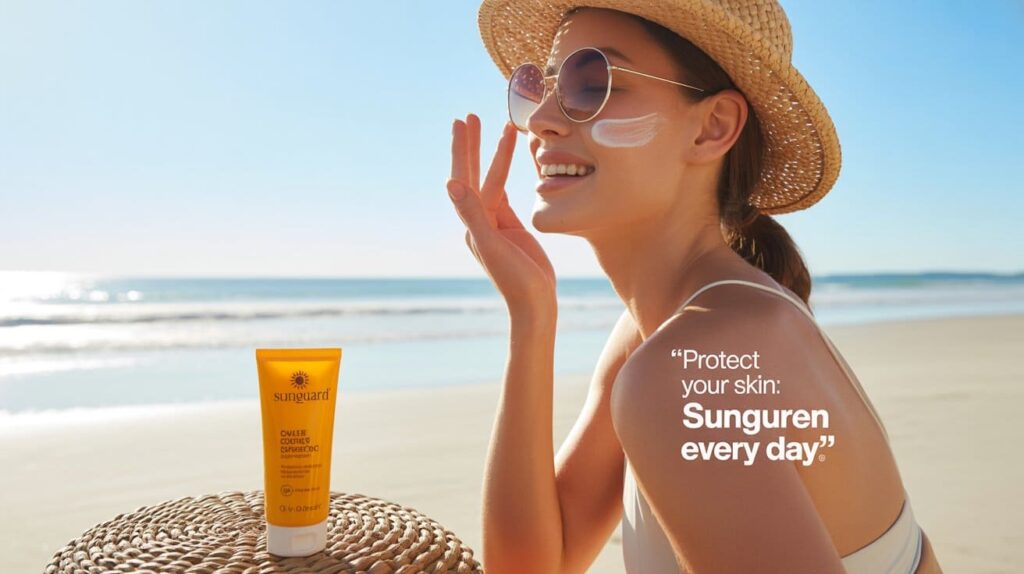
One of the most critical yet overlooked aspects of skincare is sun protection. UV radiation accelerates skin aging, causes hyperpigmentation, and is the leading cause of skin cancer.
Sun Safety Guidelines
| Action | Why It’s Important |
|---|---|
| Use SPF 30+ daily | Protects from UVA & UVB rays |
| Wear hats and sunglasses | Prevents sunspots and eye wrinkles |
| Avoid peak hours (10 AM – 4 PM) | Reduces risk of UV overexposure |
| Reapply sunscreen every 2–3 hours | Maintains protection outdoors |
📌 The World Health Organization (WHO) reports that over 80% of skin aging is caused by UV exposure.
SEO Focus Phrase : importance of sun protection for skin
Lifestyle & Nutrition for Skin Radiance
Your skin reflects your internal health. Diet, sleep, and stress management play a huge role in achieving a natural glow.
Key Lifestyle Factors
- Nutrition : Antioxidant-rich foods (berries, nuts, leafy greens) fight oxidative stress.
- Sleep: 7–9 hours of restful sleep helps cell repair.
- Stress: Chronic stress increases cortisol, leading to breakouts and dullness.
✅ A 2024 review in The International Journal of Dermatology confirmed a direct link between diet quality and skin health, showing that diets rich in antioxidants and omega-3 fatty acids improved skin clarity and reduced acne in young adults.
Common FAQs
❓ What are the basics of a healthy skincare routine?
➡ Cleansing, moisturizing, and sun protection are the three essentials.
❓ What are the best natural remedies for glowing skin?
➡ Honey, green tea, aloe vera, and turmeric are evidence-backed remedies.
❓ How can I protect my skin from the sun naturally?
➡ Use zinc oxide-based sunscreen, wear protective clothing, and avoid peak UV hours.
Conclusion
Achieving radiant, glowing skin is a holistic process—it’s not about quick fixes but about consistent skincare, hydration, sun protection, and balanced living.
From natural remedies like honey and green tea to evidence-based routines backed by dermatology research, the path to glowing skin lies in science and self-care combined.
By following these expert-approved strategies, supported by medical studies from Asia, Europe, and America, you’ll not only improve your skin’s appearance but also support long-term skin health and overall well-being.
Infographic Idea
“6 Steps to Glowing Skin Naturally”
- Identify Skin Type
- Cleanse Gently
- Hydrate Well
- Use Natural Masks (Honey, Lemon, Green Tea)
- Apply Sunscreen Daily
- Eat Antioxidant-Rich Foods & Sleep Well
🔗 References:
- Journal of Clinical and Aesthetic Dermatology (2023)
- American Academy of Dermatology (2022)
- International Journal of Dermatology (2024)
- Indian Journal of Dermatology (2022)
- World Health Organization (WHO) – UV and skin aging data
- Wikipedia: Human Skin