 Bbihi L
Introduction
Building a healthy lifestyle is not about following a perfect diet, exercising intensely every day, or making dramatic changes overnight. Long-term health is built through realistic habits that you can maintain through different stages of life.
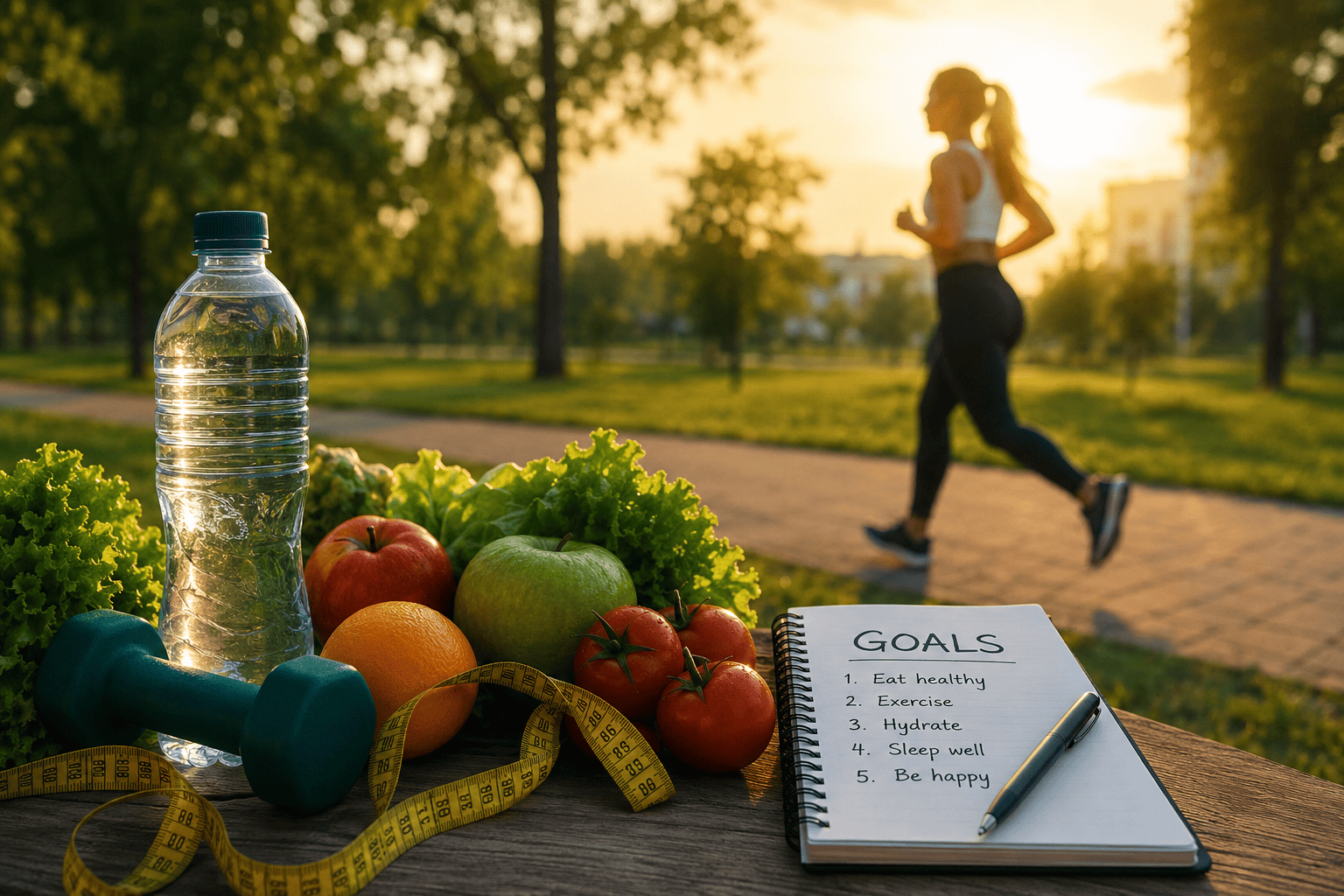
A sustainable approach focuses on the fundamentals : nutritious food, regular physical activity, sufficient sleep, stress management, healthy relationships, preventive healthcare, and avoiding harmful habits. The goal is not perfection. It is consistency.
Small improvements repeated over months and years can have a meaningful impact on physical health, mental well-being, energy, and quality of life.
The most effective healthy lifestyle is therefore one that fits your daily routine, personal circumstances, preferences, and long-term goals.
Quick Facts
- Healthy habits work best when they are sustainable, rather than extreme or restrictive.
- A balanced eating pattern should emphasize vegetables, fruits, whole grains, legumes, nuts, seeds, and other nutrient-dense foods.
- Regular physical activity supports cardiovascular health, muscle strength, mobility, and mental well-being.
- Adequate sleep is an important part of physical and psychological health.
- Managing stress can help support overall well-being and healthy daily functioning.
- Preventive healthcare can help identify potential health problems before they become more serious.
- You do not need to change everything at once. Small, consistent steps are easier to maintain.
Why a Sustainable Healthy Lifestyle Matters
A healthy lifestyle affects far more than body weight. Everyday behaviors influence cardiovascular health, metabolic health, physical fitness, emotional well-being, sleep quality, and the ability to remain independent as you age.
However, many people approach health as a short-term project. They begin restrictive diets, demanding exercise programs, or complicated routines and abandon them when they become difficult to maintain.
A better strategy is to create a system based on simple habits that can survive busy schedules, holidays, travel, stressful periods, and normal changes in motivation.
Think of healthy living as a long-term investment rather than a temporary challenge.
1. Build a Balanced and Nutritious Diet
Nutrition is one of the foundations of a healthy lifestyle. A balanced diet provides the energy and nutrients the body needs while helping support normal physiological functions.
Instead of concentrating on a single “perfect” food, build meals around a variety of nutrient-dense foods.
Focus on Whole and Minimally Processed Foods
A healthy eating pattern can regularly include :
- Vegetables and fruits in a wide variety of colors.
- Whole grains, such as oats, brown rice, and whole-grain bread.
- Legumes, including beans, lentils, and chickpeas.
- Nuts and seeds in appropriate portions.
- Protein-rich foods such as fish, eggs, poultry, dairy products, or suitable plant-based alternatives.
- Healthy sources of unsaturated fats, including olive oil, nuts, seeds, and certain fish.
- Adequate water throughout the day.
At the same time, limit excessive consumption of highly processed foods that are often high in added sugars, sodium, or unhealthy fats.
This does not mean eliminating favorite foods. Healthy eating is about the overall pattern, not occasional indulgence.
Practice Portion Awareness
Even nutritious foods can contribute excessive calorie intake when portions are consistently larger than your body’s needs.
Rather than obsessively counting every calorie, pay attention to :
- Hunger and fullness signals.
- Portion sizes.
- The nutritional quality of meals.
- Eating speed.
- Regular meal patterns.
- Snacks consumed out of habit rather than hunger.
2. Make Physical Activity Part of Everyday Life
Exercise should not be viewed only as a way to lose weight. Regular physical activity supports heart health, muscular strength, bone health, mobility, fitness, and mental well-being.
Adults generally benefit from a combination of aerobic activity and muscle-strengthening exercise, with the precise amount depending on individual circumstances and health status.
Choose Activities You Enjoy
The best exercise routine is one you can continue.
Consider activities such as :
- Brisk walking.
- Cycling.
- Swimming.
- Dancing.
- Jogging.
- Strength training.
- Recreational sports.
- Hiking.
- Mobility and flexibility exercises.
If you dislike a particular workout, forcing yourself to do it every day may make long-term consistency harder.
Reduce Sedentary Time
Exercise does not completely compensate for spending most of the day sitting.
Look for simple opportunities to move more :
- Take short walking breaks.
- Use stairs when practical.
- Walk during phone calls.
- Perform household activities.
- Stand and stretch regularly during long periods of sitting.
Movement throughout the day matters.
3. Prioritize Quality Sleep
Sleep is an essential component of long-term health. Adults generally need around 7–9 hours of sleep per night, although individual needs vary.
Poor sleep can affect concentration, mood, energy, appetite regulation, and daily performance.
Create a Consistent Sleep Routine
Helpful habits include :
- Going to bed and waking up at approximately the same time each day.
- Keeping the bedroom comfortable, dark, and quiet.
- Limiting stimulating activities close to bedtime.
- Reducing excessive caffeine intake later in the day.
- Establishing a relaxing pre-sleep routine.
- Getting regular daytime physical activity.
If persistent sleep problems interfere with daily life, discussing them with a healthcare professional is appropriate.
4. Learn to Manage Stress Effectively
Stress is a normal part of life, but persistent or poorly managed stress can affect overall well-being.
Healthy stress management does not mean eliminating every stressful situation. Instead, it means developing effective ways to respond to challenges.
Practical Stress-Management Strategies
Try incorporating :
- Regular physical activity.
- Breathing or relaxation exercises.
- Time outdoors.
- Hobbies and creative activities.
- Meaningful social connections.
- Adequate sleep.
- Realistic daily planning.
- Short breaks during demanding periods.
Do not underestimate recovery. Rest is not laziness; it is part of maintaining a sustainable lifestyle.
Health is not exclusively physical. Social relationships and emotional well-being are also important components of a balanced life.
Regular interaction with family, friends, colleagues, community groups, or other supportive people can provide companionship, encouragement, and a sense of belonging.
Simple actions can help :
- Make time for people who matter to you.
- Share meals when possible.
- Participate in community activities.
- Check in with friends and family.
- Ask for support when you need it.
- Offer support to others.
A healthy lifestyle should make room for relationships rather than treating wellness as an isolated individual project.
6. Avoid Tobacco and Limit Alcohol
Avoiding tobacco is one of the most important decisions a person can make for long-term health.
For people who drink alcohol, less is generally better for health, and some people should avoid alcohol entirely depending on their circumstances, medications, pregnancy status, or health risks.
If you currently use tobacco, quitting can provide substantial health benefits. Professional support and evidence-based cessation treatments can make quitting easier for many people.
7. Stay Hydrated
Water is essential for normal bodily functions. Individual fluid requirements vary according to factors such as climate, physical activity, diet, age, and health status.
Rather than following a rigid water target, pay attention to thirst and the demands of your environment.
You may need more fluids when :
- Exercising.
- Spending time in hot weather.
- Sweating heavily.
- Experiencing illness that causes fluid loss.
Water should generally be the primary beverage for everyday hydration.
8. Practice Preventive Healthcare
A healthy lifestyle does not replace medical care. Preventive healthcare helps people monitor their health and identify potential problems early.
Depending on age, sex, family history, risk factors, and local recommendations, preventive care may include :
- Routine medical checkups.
- Recommended vaccinations.
- Blood pressure monitoring.
- Appropriate cholesterol and diabetes screening.
- Dental care.
- Vision and hearing checks when appropriate.
- Age-appropriate cancer screening.
- Mental health discussions when needed.
Screening recommendations are not identical for everyone. Follow guidance from a qualified healthcare professional who understands your personal risk factors.
9. Make Healthy Habits Easier to Follow
One of the biggest mistakes people make is relying entirely on motivation.
Motivation changes. Systems and routines are more reliable.
Instead of asking, “How can I become healthier overnight?” ask:
“How can I make the healthy choice easier tomorrow?”
For example :
- Keep fruit and nutritious snacks readily available.
- Prepare simple meals in advance.
- Put workout clothes where you can see them.
- Schedule exercise like an appointment.
- Keep a consistent bedtime.
- Keep water accessible.
- Reduce unnecessary distractions during meals.
Your environment can either support or undermine your intentions.
10. Start Small and Build Gradually
You do not need to transform your entire life in one week.
A gradual approach might look like this :
Week 1 : Add a daily walk.
Week 2 : Improve breakfast by adding a nutrient-dense food.
Week 3 : Establish a consistent bedtime.
Week 4 : Add two strength-training sessions.
Week 5 : Reduce highly processed snacks.
Week 6 : Introduce a simple stress-management practice.
The exact schedule does not matter. What matters is creating habits you can realistically repeat.
The Habit-Stacking Approach
Connect a new habit to something you already do.
For example :
- After brushing your teeth → stretch for two minutes.
- After lunch → take a short walk.
- After waking → drink water.
- Before bed → prepare for tomorrow.
This approach reduces the need to remember a new behavior separately.

A Simple Comparison : Sustainable vs. Extreme Healthy Living
| Sustainable Approach | Extreme Approach |
|---|---|
| Focuses on consistency | Focuses on rapid results |
| Allows flexibility | Often relies on strict rules |
| Includes a variety of foods | May unnecessarily eliminate foods |
| Encourages gradual progress | Demands immediate transformation |
| Can adapt to real life | Can be difficult during busy periods |
| Treats setbacks as normal | May encourage an all-or-nothing mindset |
| Emphasizes long-term health | Often emphasizes short-term outcomes |
The goal is not to live perfectly. The goal is to live well consistently.
Professional Tip
Build your lifestyle around your real life, not an imaginary perfect schedule.
If you have only 20 minutes available for exercise, use those 20 minutes. If you cannot prepare elaborate meals, choose simple nutritious options. If you miss a workout, return to your routine instead of abandoning it.
Consistency does not require perfection.
Top Search Results : What High-Quality Health Guidance Emphasizes
When evaluating information about healthy living, the most reliable guidance tends to focus on the same fundamental principles :
- Balanced nutrition rather than fad diets.
- Regular physical activity rather than short-term exercise challenges.
- Adequate sleep and recovery.
- Tobacco avoidance and responsible alcohol choices.
- Stress management and social well-being.
- Preventive healthcare and appropriate screening.
- Sustainable behavior changes that can be maintained over time.
Be cautious of health content that promises instant results, promotes extreme restriction, or claims that a single food, supplement, or routine can prevent or cure multiple diseases.
How to Stay Consistent When Motivation Disappears
Motivation is useful when starting a new habit, but it cannot be expected to remain high every day.
When motivation drops, reduce the barrier to action.
For example :
- Walk for 10 minutes instead of skipping movement completely.
- Prepare a simple healthy meal instead of abandoning your eating plan.
- Go to bed on time even if the rest of your day was unproductive.
- Resume your routine after a setback instead of waiting for Monday.
- Focus on the next healthy decision rather than worrying about previous mistakes.
One imperfect day does not erase months of progress.
What to Do After a Setback
Setbacks are normal.
Travel, illness, holidays, work pressure, family responsibilities, and changes in mood can temporarily disrupt healthy habits.
When this happens :
- Identify what interrupted your routine.
- Avoid unnecessary self-criticism.
- Restart with one manageable habit.
- Adjust your routine if the previous approach was unrealistic.
- Focus on consistency over the long term.
The ability to return to healthy behaviors is itself an important lifestyle skill.
Key Results
A sustainable healthy lifestyle can help you :
- Maintain better physical fitness.
- Support cardiovascular and metabolic health.
- Improve daily energy and physical function.
- Support healthy sleep.
- Strengthen healthy eating patterns.
- Improve resilience to everyday stress.
- Maintain mobility and independence as you age.
- Build greater confidence in managing your health.
- Reduce reliance on short-term diets and unsustainable wellness trends.
These benefits do not come from one habit alone. They develop through the combined effect of many healthy behaviors practiced consistently.
Frequently Asked Questions
What is the most important healthy habit?
There is no single habit that is universally the most important. A strong foundation includes balanced nutrition, regular physical activity, sufficient sleep, stress management, avoiding tobacco, and preventive healthcare.
How long does it take to build a healthy lifestyle?
There is no fixed timeline. Some behaviors can become easier within weeks, while others take much longer. The priority should be creating routines that can be maintained rather than trying to reach a specific deadline.
Can I live healthily without following a strict diet?
Yes. Healthy eating does not require extreme restriction. A balanced dietary pattern can include a wide variety of foods while emphasizing nutrient-dense choices and reasonable portions.
Do I need to exercise every day?
Not necessarily. The ideal activity pattern depends on your fitness level, health status, schedule, and goals. Regular movement throughout the week is more important than demanding daily workouts.
What should I do if I have no motivation?
Make the habit smaller. A short walk, a simple nutritious meal, or going to bed on time can be enough to maintain momentum. Action often comes before motivation.
Is it too late to start living healthier?
No. Healthy behaviors can be valuable at different stages of life. Even small changes can contribute to better health and well-being.
How can I make healthy habits last?
Choose habits that fit your lifestyle, introduce changes gradually, create supportive environments, track progress when useful, and learn to recover from setbacks.
Conclusion : Make Health a Lifelong Practice
Building a healthy lifestyle that lasts a lifetime does not require perfection, expensive programs, or extreme discipline. It requires a practical approach built around habits that you can continue year after year.
Start with the fundamentals: eat a balanced diet, move regularly, sleep well, manage stress, maintain meaningful relationships, avoid tobacco, limit alcohol, stay hydrated, and keep up with preventive healthcare.
Most importantly, start small.
Choose one healthy habit today and make it easier to repeat tomorrow. Over time, individual choices become routines, routines become lifestyle patterns, and those patterns can support better health throughout your life.
Your goal is not to become perfect. Your goal is to become consistently healthier. Start with one change today—and keep building from there.