 Bbihi L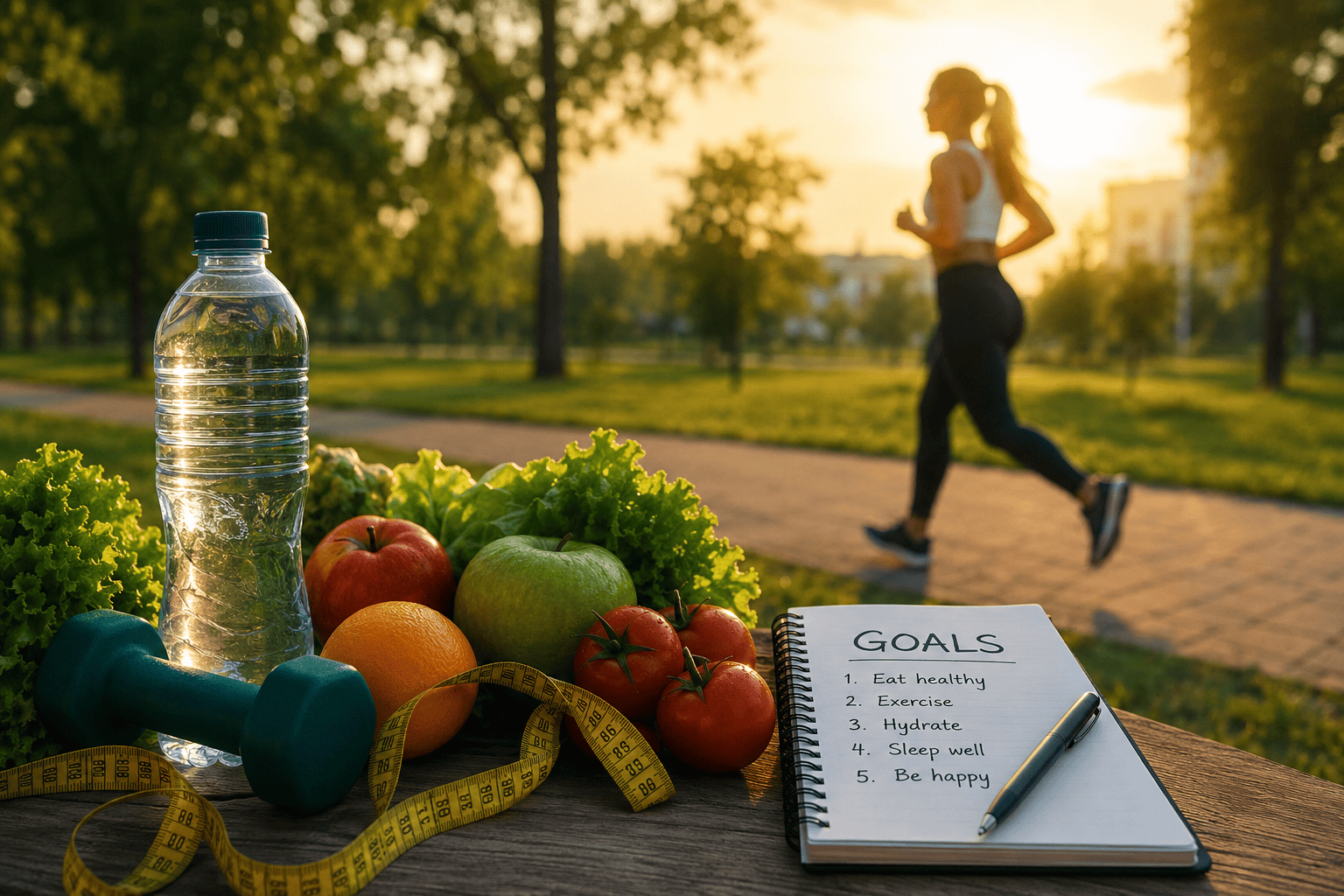
Maintaining overall health has become more achievable than ever thanks to scientific research, digital health technology, and a growing understanding of preventive medicine. In 2026, the focus is no longer just on treating illness—it’s about preventing disease, improving quality of life, and building sustainable healthy habits.
This comprehensive guide explores the latest evidence-based strategies for improving physical, mental, and emotional well-being while helping you create a healthier lifestyle that lasts.
Quick Facts
| Topic | Key Information |
|---|---|
| Primary Goal | Disease prevention and long-term wellness |
| Best Approach | Balanced nutrition, regular exercise, quality sleep, stress management |
| Recommended Activity | At least 150 minutes of moderate exercise weekly |
| Sleep Target | 7–9 hours every night |
| Hydration | Drink enough water based on your activity level and climate |
| Health Checkups | Schedule regular preventive screenings |
Why Overall Health Matters More Than Ever
Modern lifestyles expose people to chronic stress, processed foods, sedentary behavior, environmental pollution, and sleep deprivation. These factors increase the risk of :
- Heart disease
- Type 2 diabetes
- Obesity
- High blood pressure
- Mental health disorders
- Weakened immunity
Fortunately, many of these risks can be reduced through consistent healthy lifestyle choices.
1. Personalized Nutrition Is Leading the Future
One of the biggest health trends in 2026 is personalized nutrition.
Instead of following one-size-fits-all diets, people increasingly tailor their eating habits based on :
- Age
- Lifestyle
- Physical activity
- Medical history
- Food intolerances
- Individual health goals
Focus on Whole Foods
Prioritize foods rich in nutrients, including :
- Fresh vegetables
- Seasonal fruits
- Whole grains
- Lean proteins
- Legumes
- Nuts and seeds
- Healthy fats such as olive oil and avocados
Reducing highly processed foods and added sugars remains one of the most effective ways to improve long-term health.
2. Exercise for Longevity Instead of Weight Loss
Fitness trends have shifted toward healthy aging rather than simply burning calories.
A balanced weekly routine should include :
Cardiovascular Exercise
Examples include :
- Walking
- Cycling
- Swimming
- Jogging
Benefits :
- Supports heart health
- Improves circulation
- Increases endurance
Strength Training
Perform strength exercises at least two times per week to :
- Preserve muscle mass
- Improve bone density
- Enhance metabolism
- Reduce injury risk
Mobility and Flexibility
Activities such as :
- Stretching
- Yoga
- Pilates
can improve posture, balance, and joint function.
3. Sleep Is Now Considered Essential Medicine
Research continues to demonstrate that quality sleep influences nearly every aspect of health.
Healthy sleep supports :
- Immune function
- Brain performance
- Hormone regulation
- Memory
- Recovery
- Emotional well-being
Better Sleep Habits
- Maintain a consistent bedtime.
- Reduce screen exposure before sleeping.
- Keep the bedroom cool, dark, and quiet.
- Limit caffeine late in the day.
4. Mental Wellness Is Part of Overall Health
Mental health is now recognized as an essential component of total well-being.
Healthy habits include :
- Daily mindfulness
- Meditation
- Deep breathing
- Journaling
- Spending time outdoors
- Building strong social relationships
Managing stress effectively can lower inflammation and improve overall quality of life.
5. Preventive Healthcare Is Becoming the Standard
Rather than waiting for illness to appear, preventive healthcare focuses on early detection.
Regular preventive care includes :
- Annual physical examinations
- Blood pressure monitoring
- Blood sugar testing
- Cholesterol screening
- Cancer screenings when appropriate
- Dental examinations
- Eye examinations
Early detection often leads to better treatment outcomes.
6. Wearable Health Technology Supports Better Decisions
Smart health devices continue to improve in 2026.
Many wearable devices now monitor :
- Heart rate
- Sleep quality
- Daily activity
- Blood oxygen levels
- Stress indicators
- Exercise recovery
These insights help people make informed lifestyle adjustments while supporting discussions with healthcare professionals.
7. Gut Health Continues to Gain Attention
Scientific research increasingly highlights the importance of the gut microbiome.
A healthy digestive system may support :
- Better immunity
- Improved digestion
- Mental well-being
- Nutrient absorption
Support gut health by consuming :
- Fiber-rich vegetables
- Fruits
- Whole grains
- Beans
- Fermented foods such as yogurt, kefir, kimchi, and sauerkraut
8. Hydration Is More Than Drinking Water
Proper hydration affects :
- Brain performance
- Physical endurance
- Digestion
- Kidney function
- Skin health
- Body temperature regulation
Increase fluid intake during :
- Hot weather
- Exercise
- Illness
- Extended outdoor activities
9. Reduce Sedentary Time
Long periods of sitting are associated with increased health risks.
Simple strategies include :
- Standing every hour
- Walking during phone calls
- Using stairs
- Stretching throughout the day
- Taking short movement breaks
Small changes throughout the day can have meaningful long-term benefits.
10. Build Sustainable Healthy Habits
Healthy living is not about perfection.
Instead, focus on habits that are realistic and consistent :
- Eat balanced meals.
- Exercise regularly.
- Sleep sufficiently.
- Stay hydrated.
- Manage stress.
- Avoid smoking.
- Limit alcohol consumption.
- Maintain social connections.
- Continue learning about health.
- Schedule preventive checkups.
Consistency is more valuable than short-term perfection.
Comparison Table : Traditional vs. Modern Health Approaches
| Traditional Approach | Modern 2026 Approach |
|---|---|
| Treat illness after symptoms | Prevent disease early |
| Generic diet plans | Personalized nutrition |
| Exercise mainly for weight loss | Exercise for longevity and strength |
| Limited health monitoring | Continuous wearable tracking |
| Physical health only | Physical, mental, and emotional wellness |
| Reactive medical care | Preventive healthcare |
Pro Tip
Small daily improvements produce significant long-term results. Rather than attempting a complete lifestyle overhaul overnight, focus on one healthy habit at a time. Sustainable routines are far more effective than short-lived intensive efforts.
Frequently Asked Questions
What is the fastest way to improve overall health?
There is no instant solution. Combining balanced nutrition, regular physical activity, quality sleep, stress management, and preventive healthcare provides the most effective long-term results.
Is walking enough exercise?
Walking is an excellent form of physical activity, especially when performed consistently. For optimal health, combine walking with strength training and flexibility exercises.
How much water should adults drink daily?
Hydration needs vary depending on age, climate, body size, and activity level. Drink enough fluids to stay well hydrated and increase intake during exercise or hot weather.
Why is preventive healthcare important?
Preventive healthcare helps identify potential health issues early, often before symptoms develop, allowing for more effective treatment and better long-term outcomes.
Can technology improve health?
Yes. Wearable devices and health apps can encourage healthy behaviors by tracking activity, sleep, heart rate, and other wellness indicators.
Key Takeaways
- Preventive healthcare is becoming the foundation of long-term wellness.
- Personalized nutrition helps people make smarter dietary choices.
- Strength training, cardiovascular exercise, and mobility work should all be part of a balanced fitness routine.
- Quality sleep is essential for immune function, recovery, and brain health.
- Mental wellness deserves the same attention as physical health.
- Wearable technology supports healthier daily decisions.
- Healthy habits practiced consistently deliver the greatest long-term benefits.
Conclusion
Improving your health in 2026 is no longer about following extreme diets or temporary fitness trends. Instead, it involves embracing science-backed lifestyle habits that support the entire body and mind. By prioritizing balanced nutrition, regular physical activity, restorative sleep, stress management, preventive healthcare, and consistent daily routines, you can build a healthier future with lasting results.
Call to Action
Start your health journey today by choosing one positive habit to implement this week. Whether it’s taking a daily walk, improving your sleep schedule, eating more whole foods, or scheduling a preventive health checkup, every small step contributes to a stronger, healthier, and more resilient life. Share this guide with family and friends to inspire healthier living together.