 Bbihi L
What Does Optimal Health Really Mean?
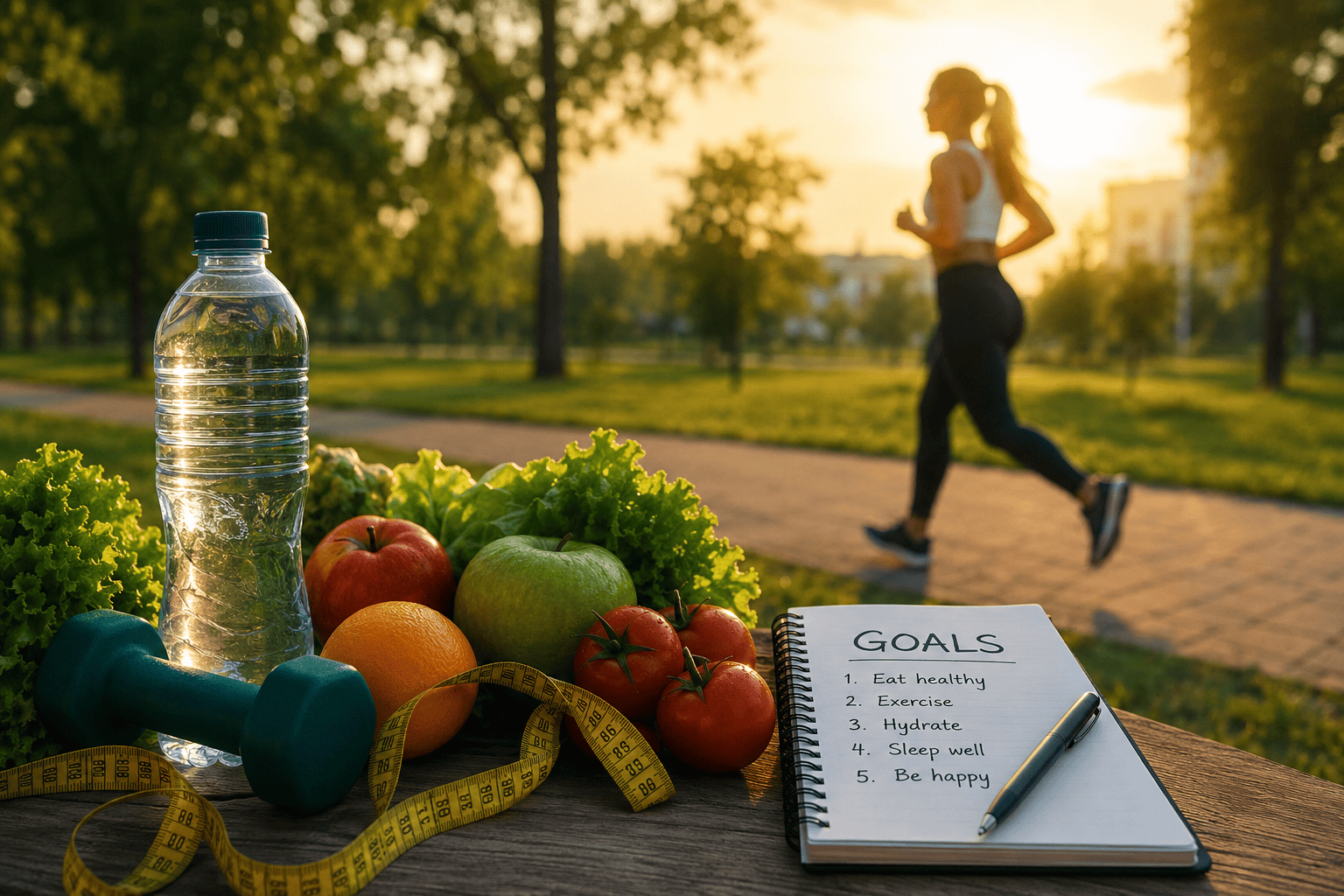
Achieving optimal health is not about following extreme diets, exhausting workout programs, or searching for quick solutions. True health is the result of creating a balanced lifestyle that supports your body, mind, and emotional well-being.
In today’s fast-paced world, many people struggle to maintain healthy routines because of stress, busy schedules, poor eating habits, and insufficient rest. However, scientific research and real-life experience show that small, consistent improvements can create powerful long-term benefits.
Optimal health means feeling energetic, physically strong, mentally balanced, and capable of enjoying life while reducing the risk of disease.
This complete guide explains the essential pillars of a healthy lifestyle and how you can gradually build habits that support lifelong wellness.
The Five Essential Pillars of Optimal Health
A healthy lifestyle depends on several interconnected areas. Neglecting one area can affect the others.
| Health Pillar | Main Benefits |
|---|---|
| Balanced Nutrition | Provides energy, supports immunity, and improves body functions |
| Regular Exercise | Builds strength, improves heart health, and reduces disease risk |
| Mental Wellness | Enhances emotional balance and stress management |
| Quality Sleep | Supports recovery, memory, and immune function |
| Healthy Daily Habits | Creates sustainable long-term improvements |
A successful wellness journey is based on consistency rather than perfection.
1. Healthy Nutrition : Fueling Your Body Correctly
Nutrition is the foundation of optimal health. The foods you consume directly influence your energy levels, physical performance, immune system, and mental clarity.
A healthy diet does not mean restricting yourself completely. Instead, it means choosing nutrient-rich foods that provide your body with the essential vitamins, minerals, proteins, and healthy fats it needs.
Essential Components of a Balanced Diet
A nutritious eating pattern should include :
1. Fruits and Vegetables
Fruits and vegetables are rich in :
- Vitamins
- Minerals
- Antioxidants
- Dietary fiber
These nutrients help protect cells from damage and support a strong immune system.
2. Whole Grains
Whole grains such as oats, brown rice, and whole wheat provide :
- Long-lasting energy
- Better digestion
- Stable blood sugar levels
3. Lean Proteins
Protein supports :
- Muscle growth
- Tissue repair
- Hormone production
Healthy sources include fish, eggs, legumes, poultry, and nuts.
4. Healthy Fats
Healthy fats are essential for :
- Brain function
- Hormonal balance
- Heart health
Examples include olive oil, avocados, walnuts, and fatty fish.
Foods to Limit
For better long-term health, reduce :
- Highly processed foods
- Excess added sugar
- Artificial ingredients
- Trans fats
- Excessive salt consumption
A balanced diet is one of the strongest investments you can make in your future health.
👉 Learn more about creating a nutritious lifestyle :
https://flawlesscare71.com/how-to-build-a-strong-body-and-mind/
2. Regular Physical Activity : Building a Stronger Body
Exercise is one of the most effective tools for improving physical and mental health.
Regular movement strengthens the heart, improves circulation, supports healthy weight management, and increases energy levels.
According to health experts, adults should aim for at least 150 minutes of moderate physical activity per week, combined with strength exercises.
Effective Ways to Stay Active
You do not need expensive equipment or a gym membership to improve your fitness.
Simple activities include :
- Walking daily
- Jogging or cycling
- Strength training exercises
- Yoga and stretching
- Swimming
- Outdoor activities
Benefits of Regular Exercise
| Physical Benefits | Mental Benefits |
|---|---|
| Stronger muscles | Reduced stress |
| Better cardiovascular health | Improved mood |
| Increased flexibility | Better concentration |
| Healthy body weight | Enhanced confidence |
The most important factor is choosing activities you enjoy so that exercise becomes a natural part of your lifestyle.
3. Mental and Emotional Wellness : Caring for Your Mind
Physical health cannot be separated from mental wellness. Your thoughts, emotions, and stress levels influence your overall quality of life.
Chronic stress may negatively affect sleep, immunity, digestion, and emotional balance.
Ways to Improve Mental Health Naturally
Develop habits that support emotional well-being :
- Practice mindfulness or meditation
- Spend time in nature
- Maintain meaningful relationships
- Write down your thoughts and goals
- Practice gratitude
- Take regular breaks from technology
The Connection Between Body and Mind
A healthy mind helps you :
- Make better lifestyle decisions
- Manage challenges effectively
- Maintain motivation
- Build resilience
Taking care of your mental health is not a luxury; it is an essential part of achieving complete wellness.
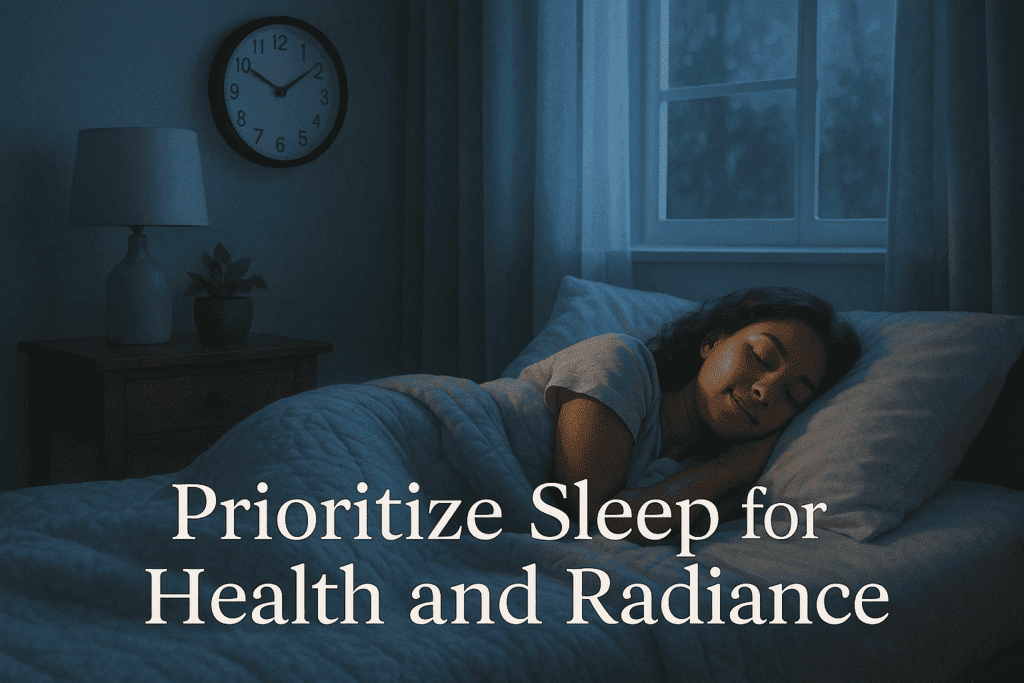
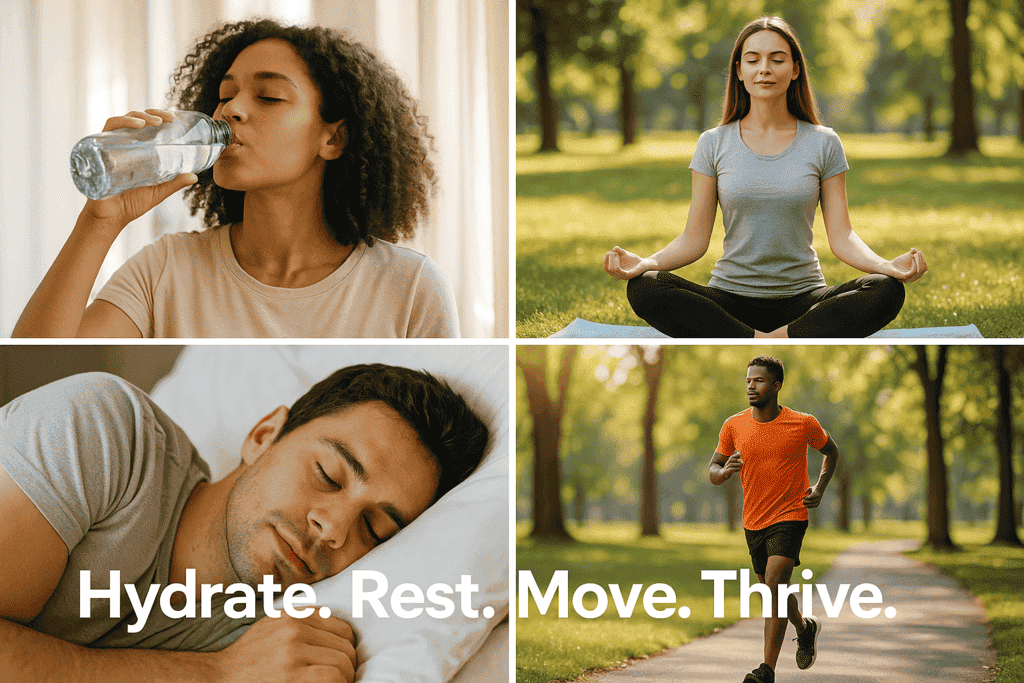
Sleep is one of the most important yet neglected elements of a healthy lifestyle.
During sleep, your body performs essential functions such as :
- Repairing tissues
- Strengthening immunity
- Regulating hormones
- Consolidating memory
Adults generally need around 7–9 hours of quality sleep per night.
Tips for Better Sleep Quality
Improve your sleep by :
- Keeping a consistent bedtime schedule
- Avoiding screens before sleeping
- Creating a comfortable bedroom environment
- Limiting caffeine late in the day
- Practicing relaxation techniques
Poor sleep can reduce energy, concentration, and immune protection.
5. Daily Healthy Habits That Transform Your Life
Small daily actions create powerful results over time.
Focus on these simple but effective habits :
Stay Hydrated
Water supports :
- Digestion
- Temperature regulation
- Energy production
- Healthy skin
Eat Mindfully
Healthy eating habits include :
- Eating slowly
- Listening to hunger signals
- Preparing balanced meals
Avoid Harmful Behaviors
For better health :
- Avoid smoking
- Limit alcohol consumption
- Reduce excessive stress
- Maintain regular movement
Build Consistency
A healthy lifestyle is created through repeated actions, not temporary motivation.
👉 Discover ways to support your immunity naturally :
https://flawlesscare71.com/boosting-the-immune-system-with-healthy-nutrition/
6. Preventive Care and Health Awareness
Prevention is better than treatment.
Taking responsibility for your health means identifying potential problems before they become serious.
Important Preventive Actions
Make sure to :
- Schedule regular medical check-ups
- Monitor important health indicators
- Maintain healthy blood pressure and cholesterol levels
- Stay informed about health recommendations
Preventive healthcare allows you to make better decisions and protect your future well-being.
Quick Facts About Optimal Health
✅ Healthy eating patterns can improve energy, immunity, and disease prevention.
✅ Regular exercise supports both physical strength and emotional stability.
✅ Quality sleep plays a major role in recovery and brain function.
✅ Small lifestyle changes often create bigger results than short-term extreme plans.
Pro Tip
Do not try to change everything at once.
Start with one realistic habit, such as :
- Walking 20 minutes daily
- Drinking more water
- Sleeping 30 minutes earlier
- Adding vegetables to one meal
Small improvements become powerful when repeated consistently.
Research Highlights
Modern health research continues to emphasize the importance of a holistic approach to wellness.
Studies from international health organizations and medical research institutions highlight that:
- Regular physical activity is associated with lower risks of cardiovascular disease.
- Balanced nutrition supports immune function and metabolic health.
- Stress management techniques contribute to better emotional well-being.
- Adequate sleep improves cognitive performance and overall recovery.
Researchers increasingly recognize that physical health, mental health, nutrition, and lifestyle habits work together as one interconnected system.
Frequently Asked Questions (FAQ)
What is the best way to achieve optimal health?
The best approach is creating a balanced routine that includes healthy nutrition, exercise, quality sleep, stress management, and preventive care.
How long does it take to improve your health?
Results vary depending on your starting point, but consistent healthy habits can create noticeable improvements within weeks or months.
Can small lifestyle changes really make a difference?
Yes. Small daily improvements accumulate over time and can significantly influence your overall health.
Is exercise enough to maintain good health?
No. Exercise is important, but optimal health also requires proper nutrition, recovery, mental wellness, and healthy habits.
How can I maintain motivation?
Set realistic goals, track your progress, and focus on long-term improvements rather than perfection.
Key Takeaways
- Optimal health requires balance between body and mind.
- Nutrition provides the foundation for wellness.
- Regular physical activity strengthens your body and improves mood.
- Mental health is an essential part of overall well-being.
- Sleep and recovery allow your body to function properly.
- Consistent small habits create lasting health improvements.
Conclusion : Start Your Journey Toward Optimal Health Today
Achieving optimal health is a lifelong journey rather than a temporary goal. A healthier life does not require unrealistic changes or perfection. Instead, it requires commitment, awareness, and small daily choices.
By focusing on balanced nutrition, regular exercise, mental wellness, quality sleep, and preventive care, you can create a lifestyle that supports greater energy, confidence, and happiness.
Remember: consistency is more powerful than perfection.
Start today with one positive change, continue building healthy habits, and invest in the most valuable asset you have — your health.
Your journey toward a healthier and more balanced life begins now.
Medical Disclaimer
This article is intended for informational purposes only and does not replace professional medical advice, diagnosis, or treatment. Always consult a qualified healthcare professional before making significant changes to your diet, exercise routine, or lifestyle.