 Bbihi L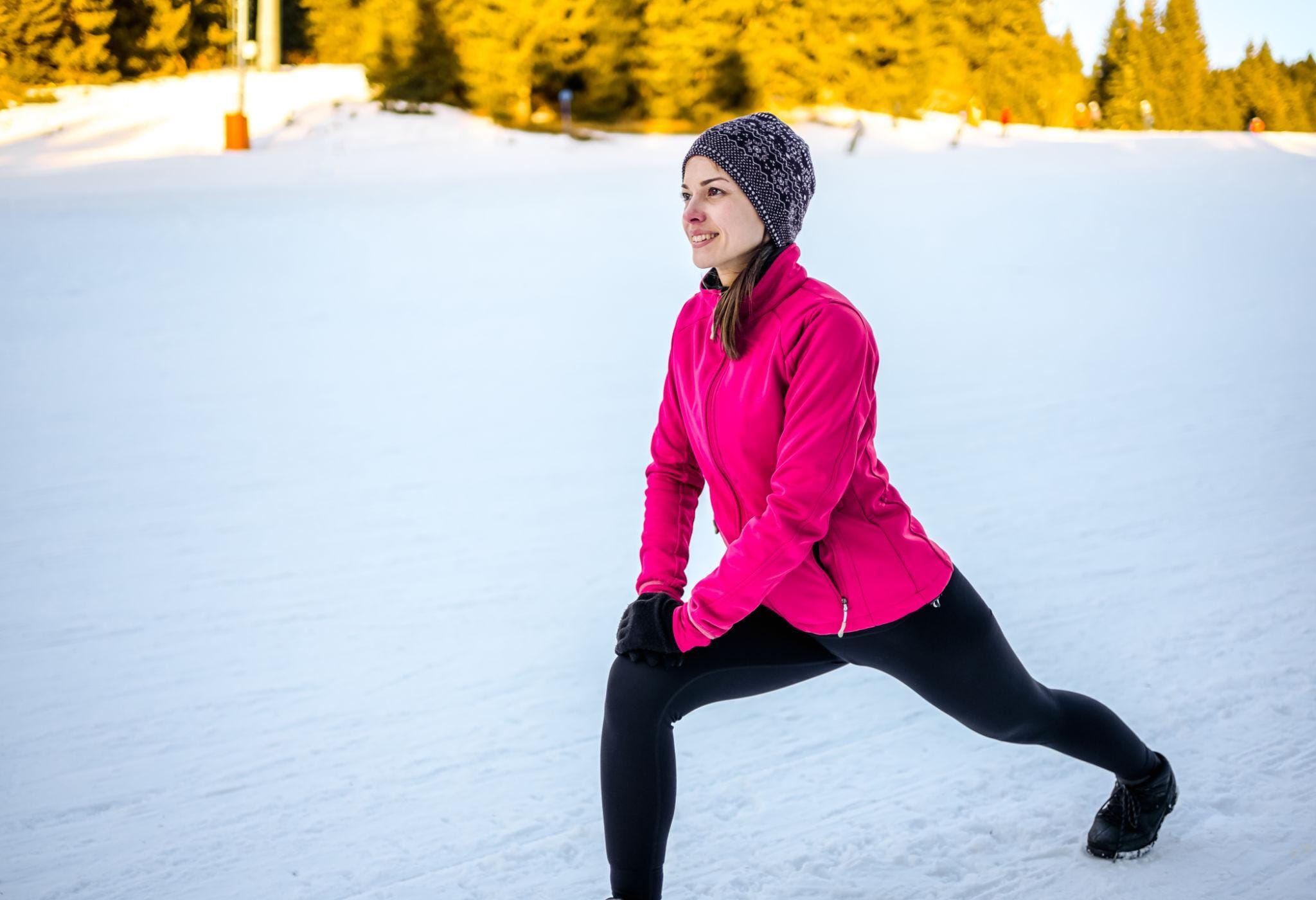
Quick Facts
| Feature | Details |
|---|---|
| Primary Keyword | Training in Cold Weather |
| Best For | Runners, walkers, cyclists, outdoor fitness enthusiasts |
| Main Benefits | Improved endurance, increased calorie burn, better mental resilience |
| Potential Risks | Hypothermia, frostbite, dehydration, slips and falls |
| Essential Gear | Moisture-wicking base layer, insulating mid-layer, windproof outer layer |
Introduction
Training in cold weather can be challenging, but it doesn’t have to stop your fitness routine. Low temperatures, icy conditions, and dry air often discourage people from exercising outdoors. However, with the right preparation, winter workouts can be safe, enjoyable, and highly effective.
This guide explains how cold weather affects your body, the benefits and risks of outdoor exercise, and the best strategies to stay active throughout the winter. Whether you enjoy running, walking, hiking, cycling, or outdoor fitness training, you’ll find practical advice to exercise safely while protecting your health and skin.

What Is Training in Cold Weather?
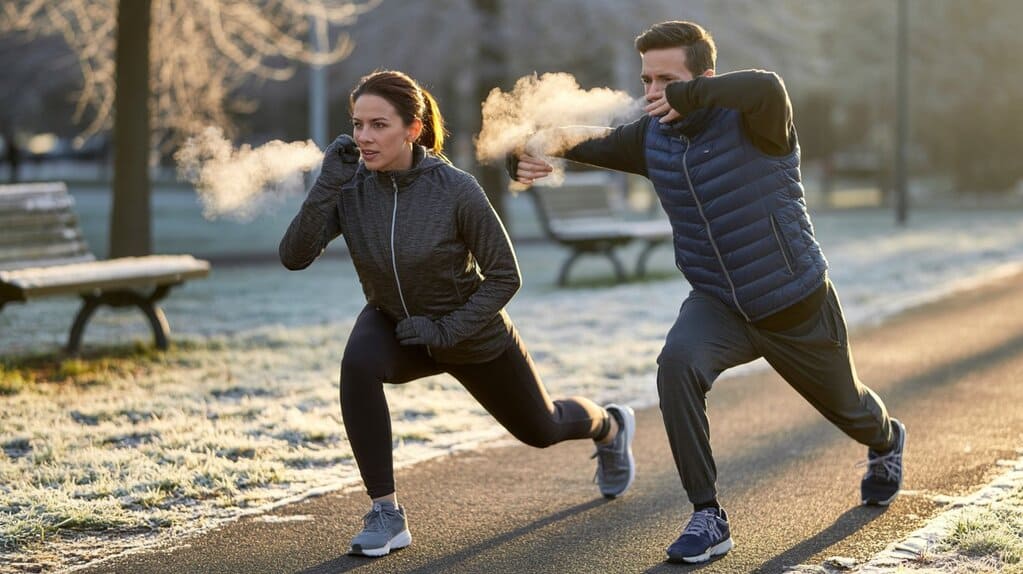
Training in cold weather refers to exercising outdoors in low temperatures, typically during winter or in cold climates.
Popular cold-weather activities include :
- Running and jogging
- Walking and hiking
- Outdoor strength training
- Cycling
- Winter sports and fitness activities
Cold-weather workouts require additional preparation because low temperatures, wind, and moisture increase physical demands.

How Cold Weather Affects Your Body and Skin
Effects on the Body
Cold temperatures can change how your body performs during exercise :
- Muscles become tighter and less flexible
- Longer warm-ups are necessary
- Your body burns more calories to stay warm
- Performance may decline without proper clothing
- Breathing cold, dry air can irritate the airways
Effects on the Skin
Winter weather can also affect your skin.
Common problems include:
- Dryness
- Dehydration
- Cracked lips
- Windburn
- Increased skin sensitivity
Using a moisturizer before exercising and applying lip balm afterward can help reduce these issues.
Benefits and Risks of Training in Cold Weather
| Benefits | Risks |
|---|---|
| Higher calorie expenditure | Hypothermia |
| Improved mental toughness | Frostbite |
| Better cardiovascular fitness | Slippery surfaces |
| Greater exercise consistency | Dry, irritated skin |
| Enhanced endurance | Cold-related muscle stiffness |
The key is balancing these benefits with proper safety precautions.
Best Ways to Train Safely in Cold Weather
1. Dress in Layers
Layering helps regulate body temperature.
- Base layer: Moisture-wicking fabric
- Middle layer: Insulating fleece or wool
- Outer layer: Windproof and water-resistant jacket
Avoid cotton because it traps moisture and increases heat loss.
2. Warm Up Thoroughly
Cold muscles are more prone to injury.
Start with:
- Dynamic stretches
- Light indoor cardio
- Gradually increasing workout intensity
3. Stay Hydrated
People often drink less water during winter, but dehydration still occurs.
Drink water:
- Before exercise
- During longer workouts
- After finishing
4. Protect Your Skin
Before heading outside:
- Apply moisturizer
- Use lip balm
- Wear sunscreen, even on cloudy days
- Cover exposed skin when temperatures are extremely low
5. Choose Safe Routes
Exercise in areas that are:
- Well lit
- Cleared of ice and snow
- Familiar and safe
Avoid slippery sidewalks and poorly maintained trails.

Daily Routine for Winter Workouts
Before Your Workout
- Warm up indoors for 5–10 minutes
- Apply moisturizer and sunscreen
- Wear layered clothing
- Check the weather forecast
During Your Workout
- Start slowly
- Maintain a steady pace
- Keep moving to stay warm
- Watch for icy surfaces
After Your Workout
- Change out of wet clothing immediately
- Take a warm—not hot—shower
- Rehydrate
- Apply body lotion to restore skin moisture
Common Mistakes to Avoid
Avoid these common winter workout mistakes :
- Skipping your warm-up
- Wearing cotton clothing
- Ignoring hydration
- Exercising in dangerously cold conditions
- Forgetting to protect exposed skin
- Wearing shoes with poor traction
Correcting these mistakes significantly improves both safety and performance.
Pro Tip
💡 Dress for the first 10 minutes, not the entire workout. If you feel slightly cool when you step outside, you’re probably dressed appropriately. You’ll warm up quickly once you begin exercising.
Who Should Follow This Guide?
This guide is ideal for :
- Beginners starting a fitness routine
- People living in cold climates
- Outdoor runners and walkers
- Cyclists
- Hikers
- Anyone wanting to stay active during winter
- People with dry or sensitive skin
Frequently Asked Questions
Is it safe to exercise in cold weather?
Yes. With appropriate clothing, a proper warm-up, and attention to weather conditions, cold-weather exercise is generally safe for healthy individuals.
What should I wear?
Wear three layers:
- Moisture-wicking base layer
- Insulating middle layer
- Windproof outer layer
Does cold weather damage the skin?
Cold air and wind can dry and irritate the skin. Moisturizer, lip balm, and sunscreen help protect against winter conditions.
Should I drink water during winter workouts?
Absolutely. Hydration is essential year-round, even when you don’t feel thirsty.
What is the best time to exercise in winter?
Late morning or early afternoon is usually the safest and most comfortable time because temperatures are warmer and daylight is better.
Top Search Results
People searching for training in cold weather also look for :
- How to exercise safely in winter
- Best winter workout clothing
- Cold-weather running tips
- How to prevent frostbite while exercising
- Winter hydration strategies
- How to protect your skin during outdoor workouts
Key Results
- Cold-weather exercise is safe with proper preparation.
- Layered clothing helps regulate body temperature.
- A thorough warm-up reduces injury risk.
- Hydration remains essential during winter.
- Skin protection prevents dryness and irritation.
- Consistency matters more than workout intensity during extremely cold conditions.
Conclusion
Training in cold weather offers unique physical and mental benefits when approached correctly. By dressing in layers, warming up properly, staying hydrated, and protecting your skin, you can continue exercising safely throughout the winter season.
Rather than letting cold temperatures interrupt your fitness goals, use them as an opportunity to build consistency, resilience, and long-term health. Start with shorter outdoor sessions, follow these safety tips, and gradually increase your training as your body adapts to winter conditions.