
 Bbihi L
Introduction
Weather fluctuations—including sudden changes in temperature, humidity, and air quality—can significantly affect respiratory health. These environmental changes may irritate the airways, trigger allergic reactions, or worsen existing respiratory conditions such as asthma and bronchitis.
Research suggests that the respiratory system is highly sensitive to environmental stressors, including cold air, dry conditions, and air pollution. Children, older adults, and people with chronic respiratory diseases may be especially vulnerable during seasonal transitions.
Following practical respiratory health guidelines during weather fluctuations can help protect the lungs, support immune function, and maintain overall respiratory well-being. Healthy lifestyle habits—such as improving indoor air quality, staying hydrated, eating a balanced diet, and minimizing exposure to pollutants—may help reduce the risk of respiratory irritation and infections associated with changing weather.
This article outlines evidence-based strategies to help protect your respiratory health during periods of unpredictable weather.
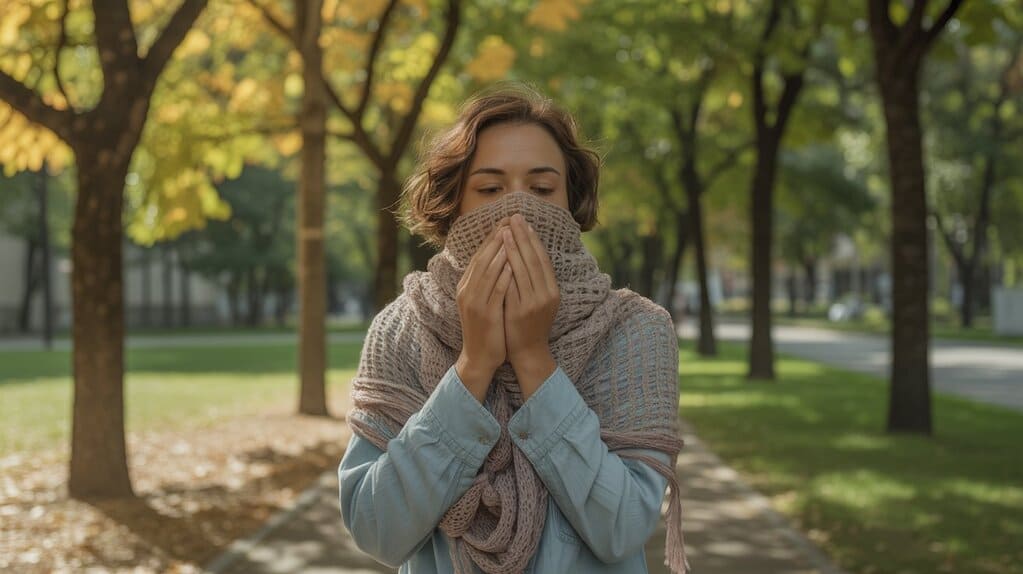
Why Weather Fluctuations Affect Respiratory Health
Sudden weather changes can affect the respiratory system in several ways :
- Cold air can narrow the airways, causing coughing or wheezing.
- Dry air may dry out the airway lining, reducing its natural protective function.
- Changes in humidity can encourage mold growth and increase dust mite populations.
- Air pollution often becomes more concentrated during temperature inversions.
Research indicates that these environmental factors can worsen respiratory symptoms, particularly in people with pre-existing lung conditions.

Essential Respiratory Health Guidelines During Weather Fluctuations
1. Maintain Good Indoor Air Quality
Indoor air quality plays a vital role in respiratory health.
Recommended practices :
- Ventilate your home regularly.
- Use a HEPA air purifier when appropriate.
- Avoid smoking indoors.
- Clean regularly to reduce dust buildup.
Studies suggest that improving indoor air quality may significantly reduce respiratory irritation and allergy symptoms.
2. Protect Your Airways from Cold Air
Cold air can irritate sensitive airways and trigger respiratory symptoms.
Helpful tips :
- Wear a scarf or face covering outdoors in cold weather.
- Breathe through your nose instead of your mouth.
- Avoid intense outdoor exercise in very cold temperatures.
These measures help warm and humidify the air before it reaches your lungs.
3. Stay Well Hydrated
Proper hydration helps keep mucus thin and supports normal airway function.
Benefits of staying hydrated :
- Promotes efficient mucus clearance.
- Reduces airway dryness.
- Supports the body’s natural respiratory defenses.
Water, herbal teas, and nutrient-rich broths are excellent choices, particularly during dry or rapidly changing weather.

4. Support Your Immune System with a Balanced Diet
A nutritious diet helps maintain a healthy immune system.
Important nutrients include :
- Vitamin C
- Vitamin D
- Zinc
- Omega-3 fatty acids
Foods such as citrus fruits, leafy greens, fatty fish, nuts, and seeds provide nutrients that support immune and respiratory health.
5. Stay Physically Active
Regular moderate exercise supports lung function and overall health.
Suitable activities include:
- Walking
- Cycling
- Yoga
- Breathing exercises
Adjust outdoor activities according to weather conditions and local air quality.
6. Reduce Exposure to Allergens and Irritants
Weather changes can increase exposure to respiratory irritants.
Common triggers include :
- Pollen
- Dust mites
- Mold spores
- Smoke
- Air pollution
Reducing exposure may help prevent airway irritation and allergy flare-ups.
7. Get Enough Sleep
Quality sleep is essential for immune function and respiratory recovery.
Most adults should aim for 7–9 hours of sleep each night, as adequate sleep supports immune defenses and may reduce the risk of respiratory infections.
Environmental Factors and Their Respiratory Effects
| Environmental Factor | Potential Respiratory Impact | Preventive Measure |
|---|---|---|
| Cold Air | Airway constriction | Wear a scarf or face covering |
| Low Humidity | Dry airways | Use a humidifier if needed |
| High Humidity | Mold growth | Improve ventilation |
| Air Pollution | Lung irritation | Monitor air quality and limit exposure |
| Rapid Temperature Changes | Increased respiratory stress | Maintain healthy lifestyle habits |
Scientific Evidence
Recent research supports the relationship between environmental conditions and respiratory health :
- World Health Organization (2021): Air pollution is associated with an increased risk of respiratory disease and reduced lung function.
- Journal of Allergy and Clinical Immunology (2019): Temperature fluctuations may contribute to asthma symptoms and airway inflammation.
- Environmental Health Perspectives (2020): Rapid weather changes are associated with a higher incidence of respiratory infections.
- European Respiratory Journal (2018): Improvements in indoor air quality may reduce respiratory symptoms, particularly in vulnerable individuals.
- Frontiers in Public Health (2022): Adequate ventilation and reducing pollution exposure contribute to better respiratory health.
Overall, current evidence suggests that environmental awareness and preventive habits play an important role in protecting respiratory health.
Key Takeaways
- Weather fluctuations can affect airway function and breathing comfort.
- Maintaining good indoor air quality may reduce respiratory irritation.
- Protecting your airways from cold and polluted air supports lung health.
- Staying hydrated and eating a balanced diet help maintain immune function.
- Managing allergens may reduce respiratory symptoms.
- Regular exercise and adequate sleep support respiratory resilience.
- Monitoring weather and air quality can help you take appropriate preventive measures.
Frequently Asked Questions
How do weather changes affect respiratory health?
Weather changes can irritate the airways, alter humidity levels, and increase exposure to allergens and air pollution, potentially worsening respiratory symptoms.
Who is most vulnerable during weather fluctuations?
Children, older adults, and individuals with asthma, allergies, chronic obstructive pulmonary disease (COPD), or other chronic respiratory conditions are generally more susceptible.
Can staying hydrated improve respiratory health?
Yes. Adequate hydration helps maintain healthy mucus consistency and supports the respiratory system’s natural defense mechanisms.
Is cold air harmful to the lungs?
Cold air can irritate sensitive airways and may trigger coughing, wheezing, or bronchospasm, particularly in people with asthma.
How can I improve indoor air quality?
Improve ventilation, use HEPA air purifiers when appropriate, minimize indoor pollutants, and clean regularly to reduce dust and allergens.
References
- World Health Organization. (2021). Air Pollution and Respiratory Health.
- D’Amato, G., et al. (2019). Climate Change, Air Pollution, and Respiratory Diseases. Journal of Allergy and Clinical Immunology.
- Environmental Health Perspectives. (2020). Temperature Variability and Respiratory Infections.
- European Respiratory Journal. (2018). Indoor Air Quality and Respiratory Health Outcomes.
- Frontiers in Public Health. (2022). Environmental Determinants of Respiratory Health.
Conclusion
Weather fluctuations can influence respiratory comfort and increase susceptibility to airway irritation or respiratory infections. Evidence suggests that maintaining good indoor air quality, protecting the airways from cold air, supporting immune health through proper nutrition, staying hydrated, and limiting exposure to pollutants can help reduce these risks.
Although individual responses to environmental changes vary, adopting these practical preventive measures can support healthier lung function throughout seasonal transitions and periods of unpredictable weather.
Brief Overview
Rapid changes in temperature, humidity, and air quality can affect respiratory health. Following evidence-based respiratory health guidelines—including maintaining clean indoor air, staying hydrated, eating a balanced diet, exercising regularly, and protecting yourself from environmental irritants—can help reduce respiratory discomfort and support overall lung health.
Health Disclaimer
This article is intended for informational purposes only and should not be considered a substitute for professional medical advice, diagnosis, or treatment. Always consult a qualified healthcare professional regarding any medical concerns or persistent respiratory symptoms.