
 Bbihi L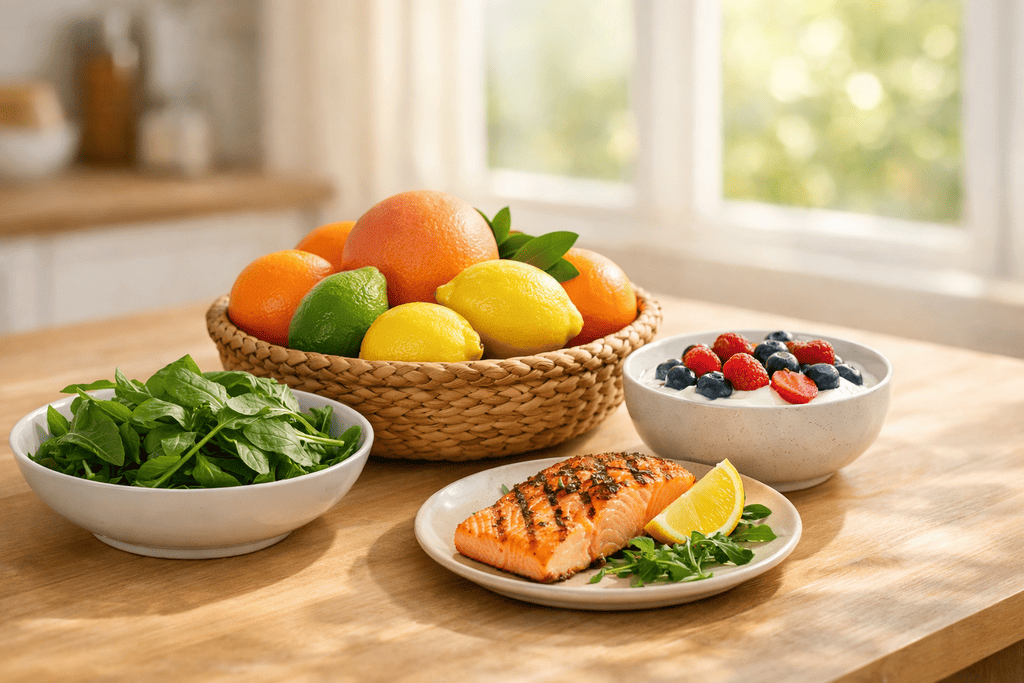
Seasonal changes can place additional demands on your body. As winter transitions into spring, fluctuating temperatures, changing daylight hours, and increased pollen exposure may influence immune function, energy levels, and inflammation. Choosing the best seasonal foods to support your body between winter and spring can help maintain overall wellness and improve your body’s ability to adapt.
Rather than relying solely on supplements, research suggests that a balanced diet rich in fruits, vegetables, healthy fats, probiotics, and other nutrient-dense foods provides a wide range of health benefits. This guide explores the best seasonal foods, explains why they matter, and highlights the scientific evidence supporting their role in seasonal health.
Why Your Body Needs Extra Nutritional Support During Seasonal Changes
Immune System Adjustments
Cold weather is often associated with a higher incidence of respiratory infections, while spring introduces increased exposure to allergens such as pollen. Adequate nutrition supports normal immune function by supplying essential vitamins, minerals, antioxidants, and healthy fats.
Increased Inflammation and Oxidative Stress
Rapid weather changes and environmental allergens may contribute to mild inflammation and oxidative stress in some individuals. Foods rich in antioxidants help protect cells from oxidative damage and support overall health.
Energy and Mood Changes
Longer daylight hours gradually influence circadian rhythms and hormone production. Nutrient-rich foods can help maintain stable energy levels, support brain function, and contribute to a balanced mood.

Best Seasonal Foods to Support the Body Between Winter and Spring
1. Citrus Fruits (Oranges, Lemons, Grapefruit)
Citrus fruits are at their peak during late winter and remain widely available in early spring.
Health Benefits
- Rich in vitamin C
- Contain antioxidant flavonoids
- Support collagen production
- Help maintain normal immune function
Research published in Nutrients suggests that vitamin C may modestly reduce the duration of common cold symptoms in certain populations, although it does not prevent most colds.
Practical Tip : Add fresh lemon to water or enjoy one orange as a daily snack.

2. Leafy Green Vegetables (Spinach, Kale, Arugula)
Fresh leafy greens become more abundant as spring approaches.
Nutritional Highlights
- Folate
- Iron
- Vitamin K
- Magnesium
- Polyphenols
Studies have linked higher vegetable intake with lower levels of inflammatory biomarkers and improved overall health.
How to Enjoy : Add leafy greens to salads, soups, smoothies, omelets, or lightly sauté them as a side dish.
3. Berries (Strawberries and Blueberries)
Early spring brings the arrival of delicious fresh berries in many regions.
Why They’re Beneficial
- High in anthocyanins
- Excellent source of antioxidants
- Support heart and blood vessel health
- May reduce oxidative stress
Research has associated regular berry consumption with improved cardiovascular health and healthier inflammatory markers.
4. Fatty Fish (Salmon, Sardines, Mackerel)
Fatty fish provide one of the richest natural sources of omega-3 fatty acids.
Benefits of Omega-3s
- Support normal immune function
- Help regulate inflammatory processes
- Promote heart health
- May contribute to healthy brain function and mood
Experts generally recommend eating fatty fish twice per week as part of a balanced diet.

5. Fermented Foods (Yogurt, Kefir, Sauerkraut)
A healthy gut microbiome plays an important role in immune health.
Benefits
- Provide beneficial probiotics
- Support gut barrier function
- Help maintain microbial diversity
- May influence immune responses
Including fermented foods regularly may contribute to digestive and immune health when consumed as part of a varied diet.
Nutritional Comparison Table
| Food | Key Nutrients | Primary Health Benefit | Suggested Intake |
|---|---|---|---|
| Citrus fruits | Vitamin C, flavonoids | Immune support | 1 serving daily |
| Leafy greens | Folate, iron, vitamin K | Inflammation support | 1–2 cups daily |
| Berries | Anthocyanins, vitamin C | Antioxidant protection | ½–1 cup daily |
| Fatty fish | Omega-3 fatty acids | Heart and immune health | 2 servings weekly |
| Fermented foods | Probiotics | Gut health | 1 serving daily |
Tips to Maximize Nutrient Absorption
- Pair vitamin C-rich foods with plant-based iron sources to improve iron absorption.
- Add healthy fats such as olive oil, avocado, or nuts to salads to enhance the absorption of fat-soluble vitamins.
- Eat a wide variety of colorful fruits and vegetables to increase nutrient diversity.
- Choose whole foods over highly processed alternatives whenever possible.
Scientific Evidence
Current research supports the health benefits of these nutrient-rich foods:
- Vitamin C may reduce the duration of common cold symptoms in some individuals.
- Higher vegetable intake has been associated with lower inflammatory markers.
- Berry consumption is linked to improved cardiovascular health and antioxidant status.
- Omega-3 fatty acids help regulate immune and inflammatory responses.
- A healthy gut microbiome contributes to immune function and overall well-being.
Although evidence continues to grow, more long-term studies are needed to better understand how seasonal dietary patterns affect different populations.
Key Takeaways
- Seasonal transitions can influence immunity, inflammation, and energy.
- Eating a variety of nutrient-rich whole foods supports overall health.
- Citrus fruits, leafy greens, berries, fatty fish, and fermented foods are among the best seasonal choices.
- A diverse diet provides benefits beyond individual nutrients.
- Healthy eating works best alongside regular exercise, quality sleep, hydration, and stress management.
Frequently Asked Questions
Do seasonal foods really help support immunity?
Yes. Nutrient-rich whole foods provide vitamins, minerals, antioxidants, and other compounds that support normal immune function as part of a healthy lifestyle.
Can vitamin C prevent colds?
Current evidence indicates that vitamin C does not prevent most colds, but it may slightly reduce the duration and severity of symptoms in some people.
How often should I eat fatty fish?
Most dietary guidelines recommend eating fatty fish twice per week to obtain beneficial omega-3 fatty acids.
Should everyone eat probiotic foods?
Not necessarily, but fermented foods can be a healthy addition to most balanced diets. Individual needs may vary depending on personal health conditions.
References
- Hemilä H. (2020). Vitamin C and Respiratory Infections. Nutrients.
- Boeing H., et al. (2019). Vegetable Intake and Inflammatory Biomarkers. Journal of Clinical Medicine.
- Wallace T.C. (2021). Berries and Cardiovascular Health. Advances in Nutrition.
- Calder P.C. (2020). Omega-3 Fatty Acids and Immune Function. Frontiers in Immunology.
- Valdes A.M., et al. (2018). Role of the Gut Microbiota in Nutrition and Health. Nature Reviews Gastroenterology & Hepatology.
Conclusion
The transition from winter to spring presents unique challenges for the body as it adapts to changing temperatures, daylight patterns, and environmental allergens. Eating the best seasonal foods to support your body between winter and spring can help maintain immune function, support healthy inflammatory responses, and promote steady energy levels.
A balanced diet centered on whole foods—including citrus fruits, leafy greens, berries, fatty fish, and fermented foods—provides a wide range of nutrients that work together to support overall health. Combined with regular physical activity, quality sleep, hydration, and stress management, these dietary choices can help your body navigate seasonal changes more effectively.
Health Disclaimer
This article is intended for informational purposes only and should not be considered medical advice. It does not replace consultation with a qualified healthcare professional for diagnosis, treatment, or individualized nutritional guidance.