
 Bbihi L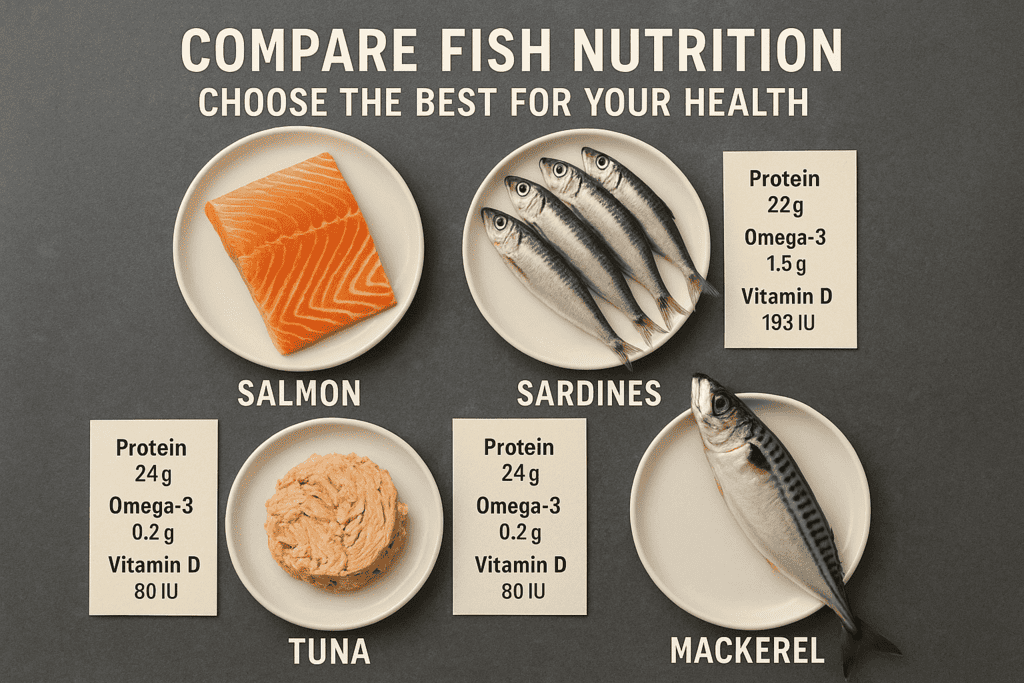
Introduction
Fish are one of nature’s most nutrient-dense foods. Regular consumption of fatty fish such as salmon, mackerel, and sardines supplies concentrated omega-3 fatty acids (EPA and DHA), high-quality protein, vitamin D, and key minerals like selenium and iodine — all of which support heart, brain, bone, and immune health. This long-form article explains why fish are beneficial, which fish are best, how often to eat them, and what recent scientific and clinical evidence — from leading researchers in Asia, North America, and Europe — tells us about risks and practical recommendations. The content is SEO-optimized for keywords such as fish benefits, omega-3 fish, heart health, brain health, best fish to eat, and how often to eat fish.
Key Points
- Eat fish 2–3 times per week to obtain protective levels of long-chain omega-3 fatty acids. (AHA recommendation). www.heart.org
- Omega-3s (EPA/DHA) are linked to lower cardiovascular risk and improved markers of inflammation and brain health. PMC+1
- Whole-food fish is generally preferable to high-dose over-the-counter supplements for most people; high-dose supplements may carry specific risks (e.g., atrial fibrillation in some studies). BMJ Medicine
- Older-adult cognitive protection and reduced risk of cognitive decline have been associated with regular fish intake in multiple cohort and meta-analysis studies. PMC+1
- Choose low-mercury options, prioritize fresh or frozen fish, and avoid heavy frying to preserve nutrients.
The Nutrition of Fish : What Makes Fish a “Superfood”?
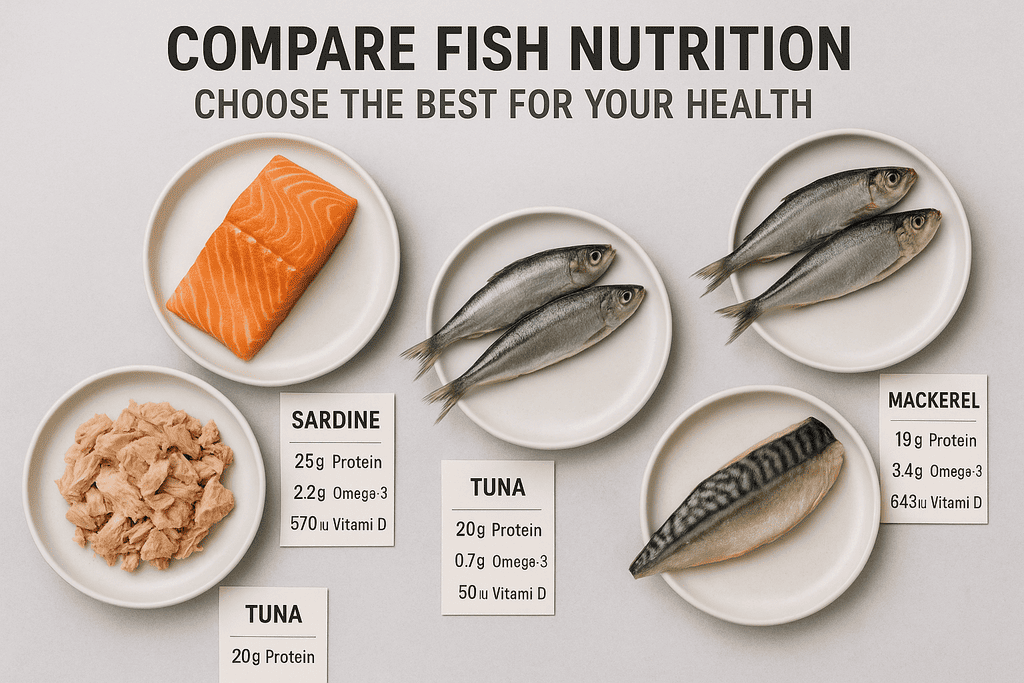
Fish combine several health-promoting nutrients in one food matrix:
- Long-chain omega-3 fatty acids (EPA, DHA) : anti-inflammatory, cardioprotective, neuroprotective. Mechanisms include modulation of membrane fluidity, reduction of pro-inflammatory signaling, and production of pro-resolving lipid mediators. (See work by Prof. Philip C. Calder and colleagues.) PubMed
- High-quality protein : complete amino-acid profile for tissue repair and muscle maintenance.
- Vitamin D : especially in fatty fish — essential for bone health and immune regulation.
- Minerals : selenium (antioxidant cofactor), iodine (thyroid function), calcium in small bone-eating fishes (e.g., sardines).
Many health agencies recommend fish as a regular part of a balanced diet because of this nutrient synergy. For cardiac protection in particular, observational evidence and randomized studies have repeatedly emphasized the importance of dietary fish intake. JAMA Network+1
Which Fish Give You the Most Benefit? (Practical Guide + Table)
Below are commonly eaten, nutrient-dense fish and a concise nutritional snapshot per 100 g (typical values — see USDA / FoodData Central and clinical nutrition sources for exact numbers). FDC+1
| Fish | Typical calories (per 100 g) | Protein (g) | Fat (g) | Typical EPA+DHA (g) | Notable micronutrients |
|---|---|---|---|---|---|
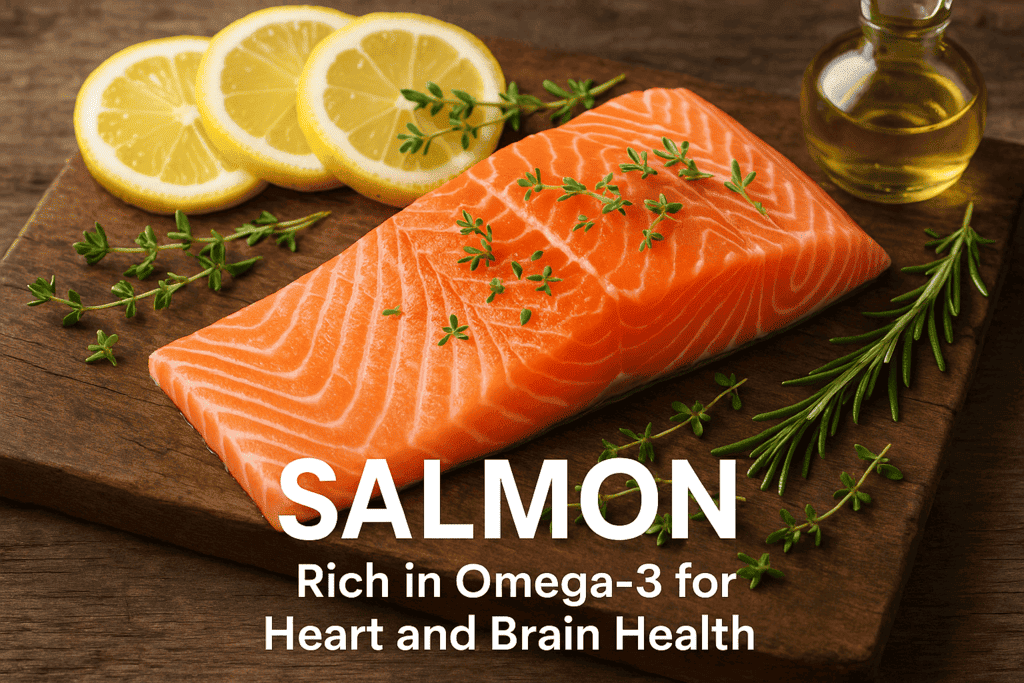
| Salmon (Atlantic) | ~200 kcal | ~20 g | ~13 g | ~1.5–2.5 g | Vitamin D, B12 |
| Mackerel (Atlantic) | ~205 kcal | ~18–20 g | ~13–14 g | ~2.5–3.0 g | Selenium, B12 |
| Sardines (canned, with bones) | ~208 kcal | ~24 g | ~11–12 g | ~1.0–1.5 g | Calcium, Vitamin D |
| Tuna (fresh) | ~130–160 kcal | ~23–26 g | ~1–5 g | Lower than oily fish | Good protein; watch mercury |
| Halibut | ~140–160 kcal | ~20 g | ~3–4 g | Lower than oily fish | Selenium, Niacin |
Table sources: USDA FoodData Central; clinical nutrition summaries. FDC+1
Evidence from Leading Researchers and Recent Studies
Cardiovascular health
Multiple meta-analyses and large cohort studies have linked regular fish intake to reduced cardiovascular events, with especially strong evidence for secondary prevention (people with prior cardiovascular disease) and improvement in multiple surrogate markers. Notably, a pooled analysis of cohorts and randomized trials has shown reductions in cardiovascular mortality associated with omega-3 intake and fish consumption. Prominent investigators such as Dariush Mozaffarian (USA) and teams in Europe have been central to this body of work. PubMed+1
Neurocognitive protection
Systematic reviews and cohort studies spanning Asia, Europe, and North America report that higher fish consumption is associated with slower cognitive decline and lower incidence of cognitive impairment. Recent large prospective studies from Japan and meta-analyses published in 2023–2024 reinforce that fish intake (and associated PUFAs) appears protective in older adults. Researchers across continents (including teams in Japan and Europe) have contributed to this evidence base. PMC+1
Inflammation and immune effects
Work from Professor Philip C. Calder (UK) and collaborators has detailed the anti-inflammatory mechanisms of EPA and DHA and their relevance to metabolic, immune, and inflammatory disorders. These mechanistic insights underpin many of the clinical benefits attributed to oily fish. PubMed
Supplements vs. whole food
Recent publications highlight nuance : while some high-quality trials show benefit from prescription-strength EPA formulations in selected cardiac populations, other analyses and safety signals (including an association between high-dose fish oil supplements and increased atrial fibrillation risk in some studies) underscore that whole-food fish consumption is generally preferred for broad public health recommendations. Clinicians increasingly recommend dietary fish first and individualized supplement decisions for patients with specific indications. BMJ Medicine+1
Practical Recommendations — How Often and How to Cook
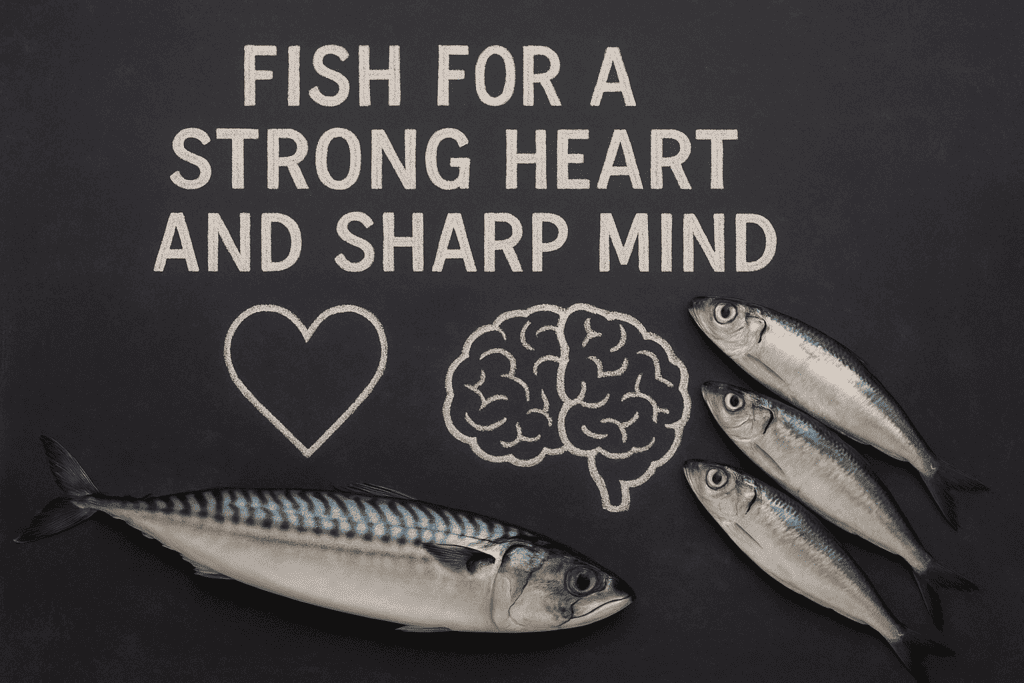
- Aim for 2–3 servings of fish per week, prioritizing oily, low-mercury species (salmon, mackerel, sardines, herring). (AHA / EPA-FDA guidance). www.heart.org+1
- Cooking tips : grill, bake, roast, or steam rather than deep-frying. Use lemon, garlic, herbs, and light olive oil to preserve nutrients and flavor. Avoid overcooking to retain omega-3 and vitamin content.
- Children & pregnant women : follow local advisories to limit high-mercury fish (e.g., shark, swordfish, king mackerel) while ensuring adequate low-mercury fish are included for fetal brain development.
Risks and Safety Considerations
- Mercury & contaminants : some large predatory fish contain mercury — choose smaller oily fish for frequent consumption. Check regional advisories. US EPA
- Supplements : while beneficial in specific clinical contexts, over-the-counter high-dose fish oil can increase atrial fibrillation risk in some studies and should be taken only after medical consultation. For most people, dietary fish is a safer first option. BMJ Medicine
Practical Meal Ideas
- Grilled salmon with lemon and herbs — quick, high-Omega-3 dinner.
- Sardine & avocado toast — calcium + healthy fats for breakfast.
- Mackerel salad with mixed greens and a citrus dressing — protein + anti-inflammatory fats.
- Tuna & white-bean salad — lean protein, easy post-workout meal.
Conclusion
Eating fish regularly is an evidence-based dietary strategy to promote cardiovascular health, support brain function, strengthen bones, and supply high-quality protein and essential micronutrients. Leading public-health bodies recommend two or more servings weekly, emphasizing oily fish as primary sources of EPA and DHA. Recent international research — from teams in Asia, North America, and Europe — confirms cognitive and cardiac benefits, while also clarifying that high-dose supplements are not a universal substitute for whole-food fish and require medical guidance. Make fish a thoughtful, regular part of your balanced diet for measurable gains in heart, brain, and overall wellness.
Selected Recent References (representative — read original papers for clinical decisions)
- American Heart Association — Fish and Omega-3 Fatty Acids (recommendation to eat 2 servings/week). www.heart.org
- Khan SU, et al., Effect of omega-3 fatty acids on cardiovascular outcomes (meta-analysis / review). 2021. PMC
- Chen G, et al., Regular use of fish oil supplements and course of cardiovascular disease — BMJ Medicine, 2024 (safety signals and nuanced benefits). BMJ Medicine
- Godos J., et al., Fish consumption, cognitive impairment and dementia — systematic review (2024). PMC
- Mohan D., et al., Fish Consumption and Risk of Cardiovascular Disease or Mortality — JAMA Internal Medicine, 2021 (secondary prevention signal). JAMA Network
- Philip C. Calder — Nutritional immunology and mechanisms of EPA/DHA (reviews and mechanistic studies). PubMed+1
- USDA FoodData Central — nutrient composition database (useful for precise nutrient lookups). FDC
- Santos HO, et al., Eating more sardines instead of fish oil supplementation — review (2023) on whole-food vs. supplement benefits. PMC