 Bbihi L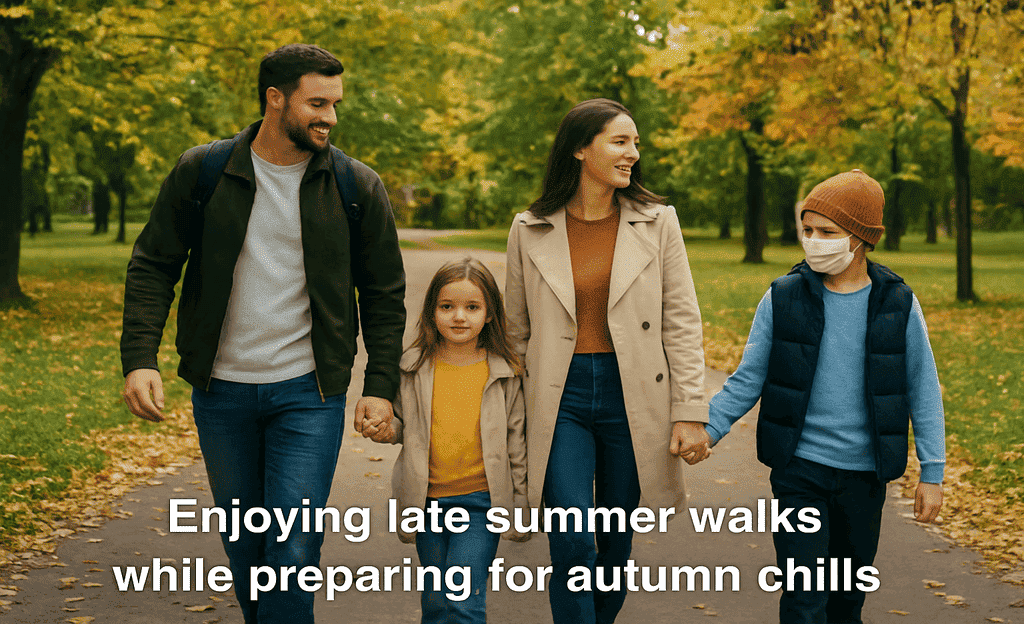
Introduction
The transition between late summer and early autumn is a unique period marked by fluctuating temperatures, shortened daylight hours, and increased environmental changes. While many people welcome the cooler breeze after the intense summer heat, this seasonal shift can also pose health challenges. From allergies and respiratory illnesses to weakened immunity and skin dryness, the body requires special attention and preventive care during this time.
In this article, we will explore the precautions and health measures recommended by experts to stay well during the seasonal transition. We will also highlight findings from recent medical studies, provide a chart on pollen allergy trends, and share practical tips supported by scientific journals and authoritative websites like Wikipedia, The Lancet, and the National Institutes of Health (NIH).
Key Challenges in Late Summer and Early Autumn
- Temperature fluctuations – Sudden shifts between hot afternoons and chilly evenings can strain the body, leading to colds, flu, and fatigue.
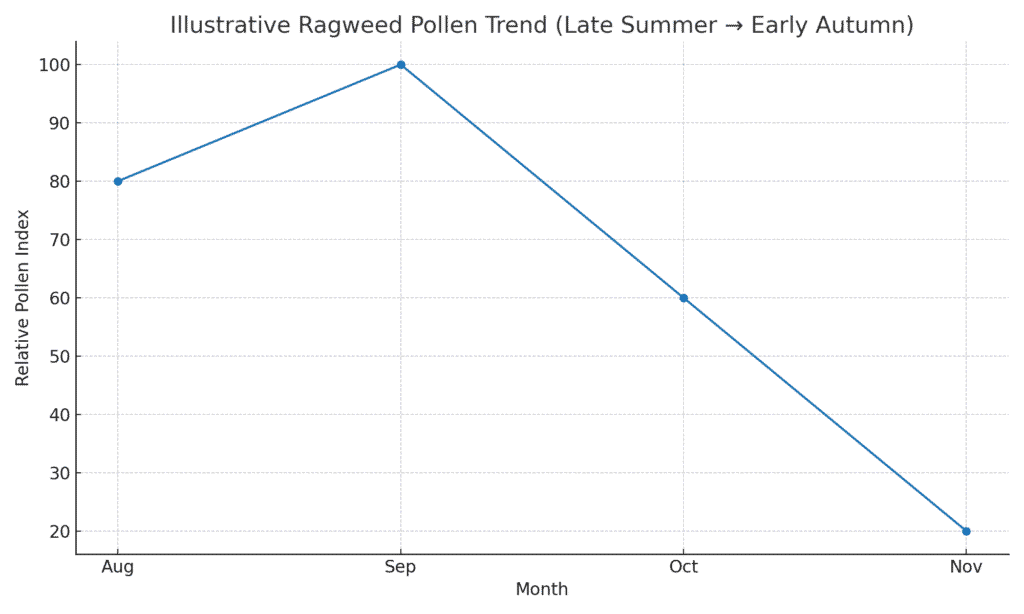
- Pollen and allergies – Ragweed pollen levels peak in late summer, causing hay fever and worsening asthma symptoms.
- Weakened immunity – As vitamin D exposure decreases with shorter days, immunity can decline, increasing vulnerability to infections.
- Skin dryness – Cooler winds and lower humidity levels may cause dehydrated skin and irritation.
- Digestive changes – People often shift their diets in autumn, which may affect gut health and energy balance.

Medical Studies and Expert Opinions
- A study published in the Journal of Allergy and Clinical Immunology (2023) confirmed that ragweed pollen exposure is the primary trigger for allergic rhinitis in late summer and early autumn, affecting nearly 23 million Americans annually.
- According to the NIH, seasonal changes contribute to fluctuations in vitamin D levels, which are strongly linked to immune function.
- A recent article in The Lancet (2022) emphasized that temperature variability during seasonal transitions increases the risk of respiratory infections, especially among children and the elderly.
- Wikipedia notes that autumn is traditionally associated with higher incidences of viral infections, partly due to closer indoor interactions and reduced sunlight.
Practical Precautions for Better Health
1. Strengthening Immunity
- Consume foods rich in vitamin C (citrus fruits, bell peppers, kiwi).
- Maintain balanced nutrition with adequate proteins and omega-3 fatty acids.
- Take vitamin D supplements if recommended by a doctor.
2. Managing Allergies
- Monitor local pollen counts and avoid outdoor activities in peak hours (morning).
- Use air purifiers at home to reduce allergens.
- Consider antihistamines or nasal sprays prescribed by specialists.

3. Protecting Respiratory Health
- Wear lightweight layers to avoid sudden temperature-related stress.
- Practice deep breathing exercises and stay physically active.
- Stay hydrated to keep airways moist.
4. Skin and Hair Care
- Use moisturizers to combat dryness.
- Apply sunscreen, as UV rays remain harmful even in early autumn.
- Drink at least 2 liters of water daily.
5. Mental Well-being
- Shorter days may cause autumn blues or mild depression.
- Engage in outdoor walks, meditation, or yoga.
- Maintain a consistent sleep schedule to regulate circadian rhythms.

Chart: Ragweed Pollen Levels in Late Summer and Early Autumn
Here is a visual representation of ragweed pollen concentration in late summer through early autumn (data adapted from allergy studies):
Table: Common Seasonal Issues and Preventive Measures
| Health Issue | Causes | Preventive Measures |
|---|---|---|
| Allergies | Ragweed pollen, mold spores | Air purifiers, antihistamines, avoid peak pollen exposure |
| Cold & Flu | Sudden weather changes, weakened immunity | Vaccinations, layered clothing, vitamin-rich diet |
| Skin Dryness | Low humidity, cooler winds | Moisturizers, hydration, mild skincare products |
| Low Energy & Fatigue | Reduced sunlight, vitamin D deficiency | Outdoor activities, vitamin D supplements, balanced meals |
| Digestive Discomfort | Dietary changes, heavier autumn foods | High-fiber diet, probiotics, herbal teas |

Conclusion
The shift from late summer to early autumn is a delicate period that requires careful attention to health, nutrition, and lifestyle habits. By understanding seasonal risks and following preventive measures, individuals can reduce their chances of illnesses, allergies, and fatigue.
Recent medical research strongly supports the importance of maintaining strong immunity, managing environmental triggers, and caring for both physical and mental health during this transitional season. Whether through dietary adjustments, skin protection, or respiratory care, simple lifestyle changes can make this period healthier and more enjoyable.
Ultimately, prevention is better than cure, and staying informed is the first step toward a safe transition between seasons.
References
- CDC – Heat Safety, Pollen and Allergies, Influenza, West Nile Virus, Food Safety
- EPA – Ragweed Pollen Reports
- WHO/WMO – Worker Heat Stress Guidance (2025)
- NEJM / Lancet – Heat-related Illness Reviews
- Harvard Health – Seasonal Affective Disorder and Light Therapy
- Wikipedia – Equinox, Ragweed, Pollen