
 Bbihi L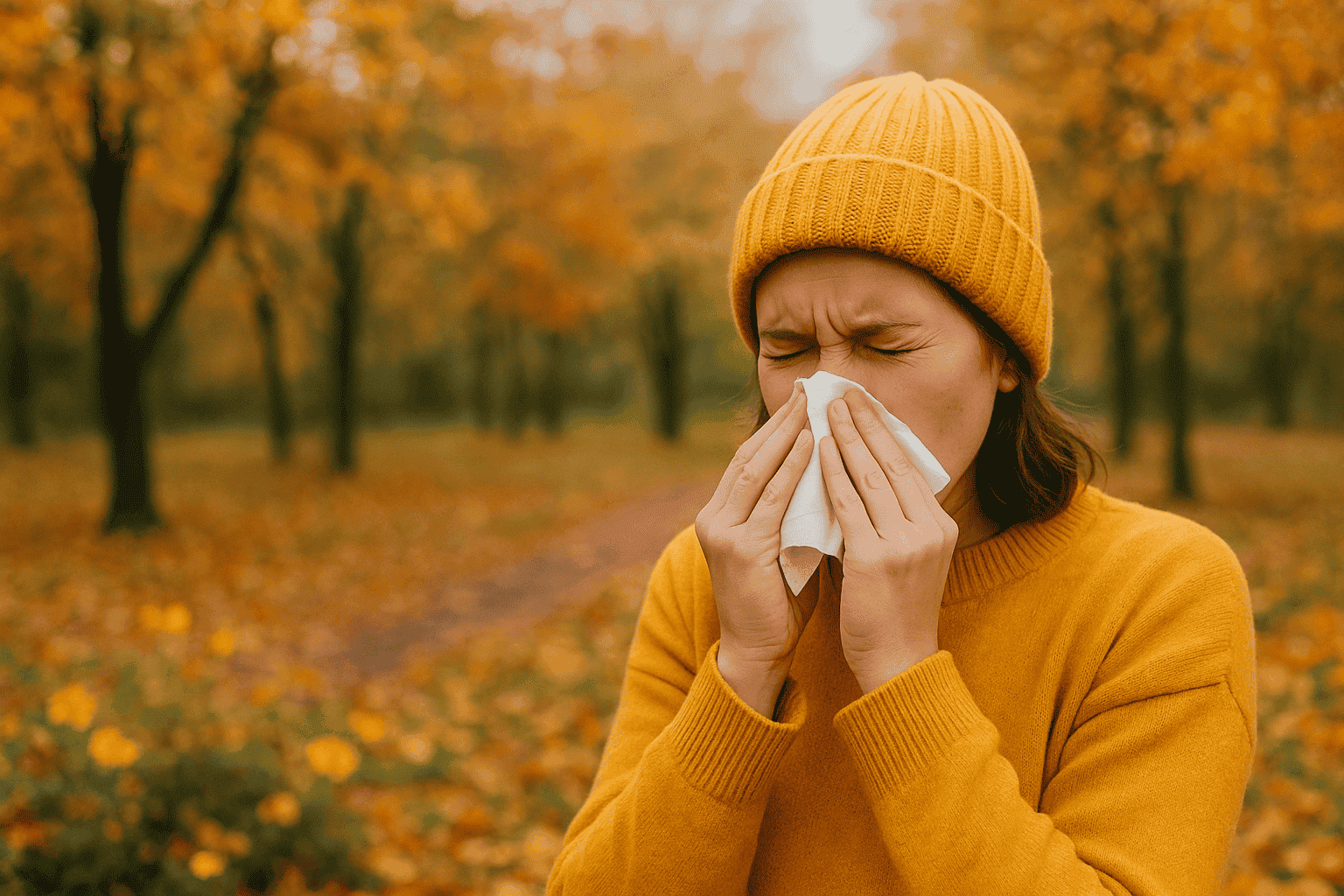
Introduction
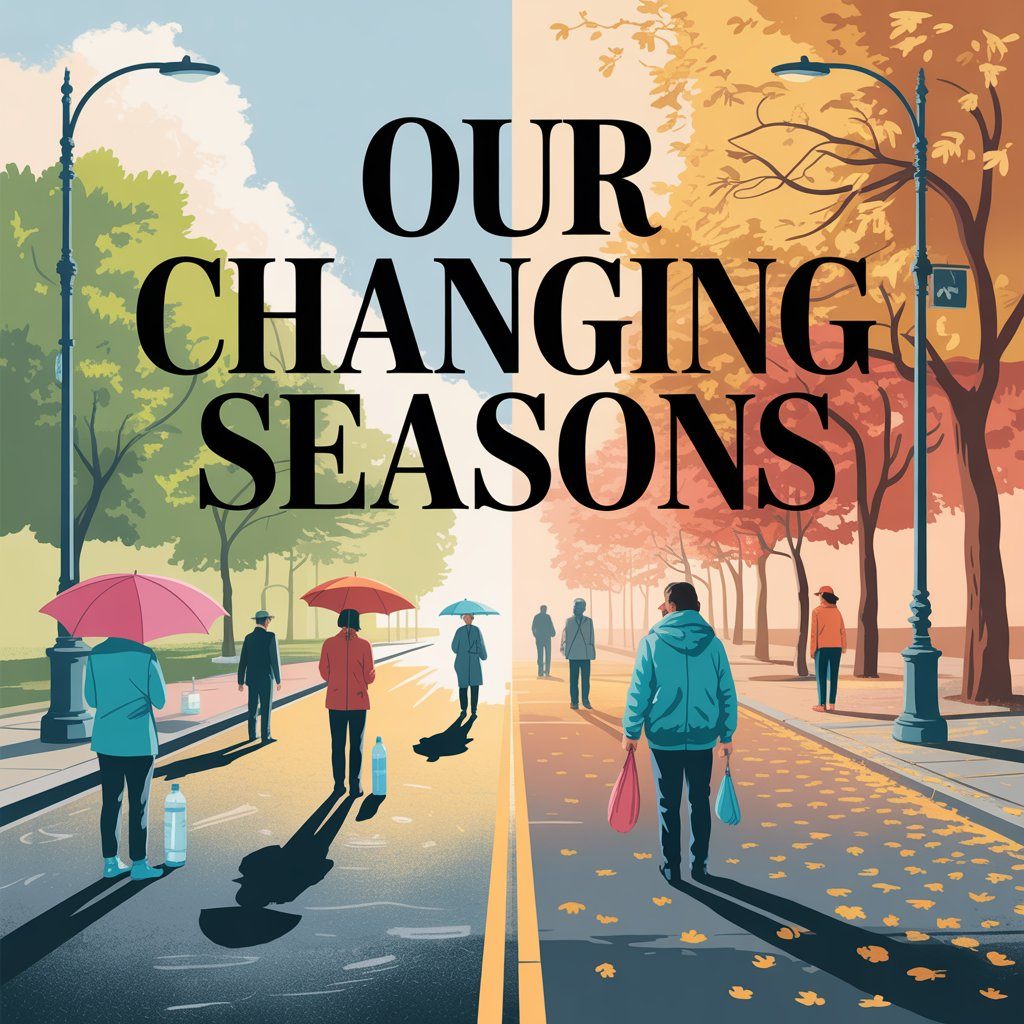
Climate change is reshaping not only global temperature averages but also the timing, intensity, and duration of seasonal transitions. The shift from summer into autumn now happens under altered environmental conditions: longer and earlier heatwaves, extended droughts in some regions, more frequent and intense wildfires, altered rainfall patterns, and shifting pollen and vector seasons. These changes create complex, intersecting threats to human health — from heat-related illness, worsened air quality, and seasonal allergies, to altered patterns of infectious disease and mental health stress. Understanding how the summer → autumn transition has changed, and how those changes affect people, is essential for clinicians, public health planners, and the public. Below we synthesize the best available evidence, spotlighting major studies and authoritative sources, and offer practical takeaways.
The Big Picture : What’s Changing?
- Longer heatwave seasons and more frequent extreme heat: Observational and modeled data show heatwaves are occurring more often and lasting longer globally; in the U.S. the average heatwave season across 50 cities is now about 46 days longer compared to the 1960s. US EPA
- More wildfire smoke and degraded air quality in late summer and autumn: Warmer, drier conditions extend the fire season into autumn, causing large smoke exposures that affect respiratory and cardiovascular health. PMCSpringerOpen
- Shifts in allergen timing and intensity: Rising temperatures and changes in precipitation modify plant phenology, often extending pollen seasons or shifting peak pollen into late summer and autumn. GIEC
- Altered infectious disease seasonality: Vector-borne diseases (e.g., West Nile virus, Lyme) and food- and water-borne infections can shift in timing and geographic range, changing autumn risk profiles in some regions. Lancet CountdownGIEC
- Compound and cascading risks: Simultaneous exposures (heat + smoke + power outages) during seasonal transition periods increase vulnerability, especially for older adults, children, pregnant people, outdoor workers, and people with chronic disease. GIECOrganisation mondiale de la santé
Heatwaves and prolonged heat remain a primary driver of excess mortality and morbidity. Warmer late summers and “hot autumns” can catch communities unprepared when cooling systems are down or people assume cooler weather is coming. The World Health Organization (WHO) highlights that heatwaves are increasing in frequency, duration and intensity and can cause heatstroke, dehydration, renal damage, and exacerbate cardiovascular and respiratory illnesses. Vulnerable groups — older adults, infants, outdoor workers, and people with chronic conditions — are at highest risk. Organisation mondiale de la santé+1
Clinical consequences include:
- Heat exhaustion, heat stroke, and acute kidney injury (from dehydration).
- Worsening heart disease: heat stress strains the cardiovascular system and can trigger events.
- Increased emergency visits and hospitalizations during late-summer heat spikes.
Policy implications: heat-health early warning systems, access to cooling centers, and electrical grid resilience are critical as the “heat season” extends into months previously considered safe. The Lancet Countdown describes record levels of climate-related health threats in recent years, linking extreme heat to rising health burdens globally. Lancet CountdownThe Lancet
Air Quality, Wildfire Smoke, and Respiratory/Cardiovascular Health
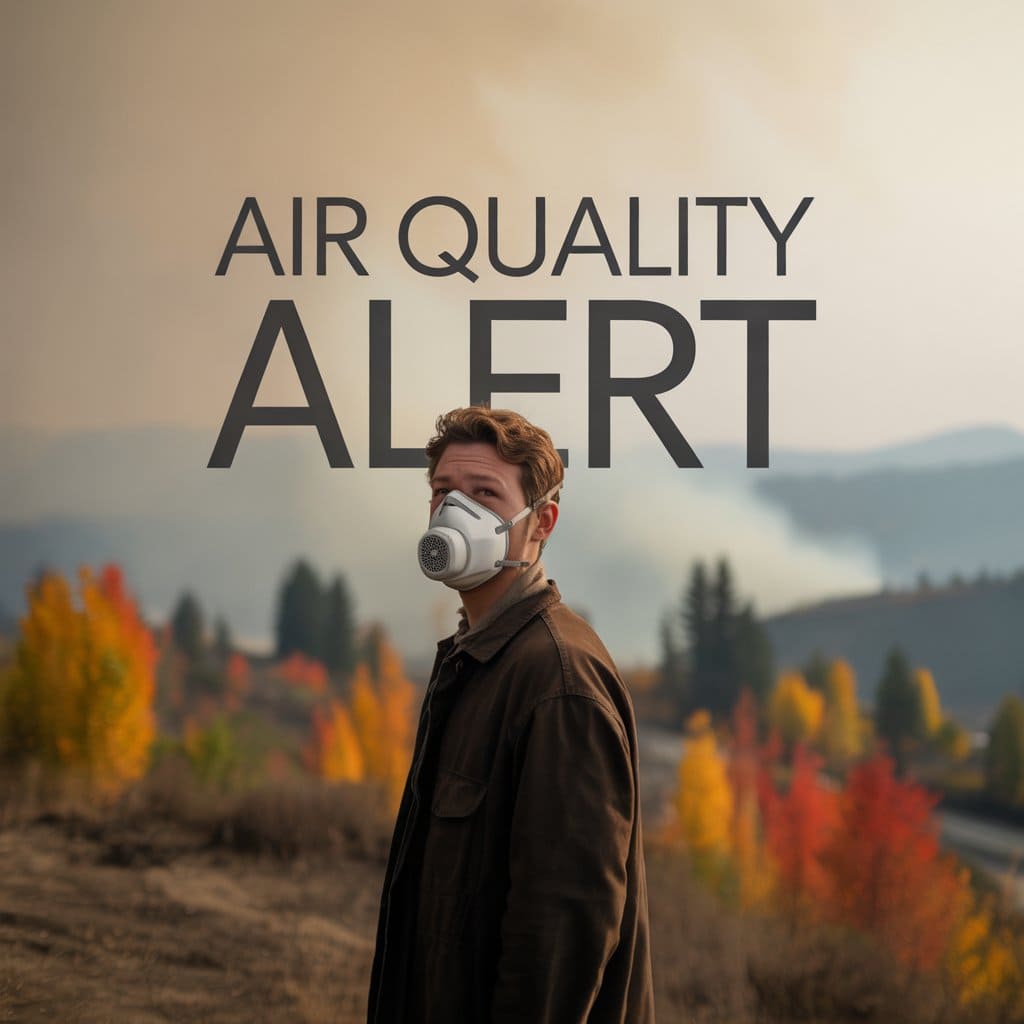
Climate change has lengthened and intensified wildfire seasons in many regions. Late-summer droughts and warmer autumns can increase fire risk, producing PM2.5 and ozone spikes that travel far beyond burn areas. The evidence associates wildfire smoke with worsened asthma and COPD, increased respiratory infections, cardiovascular events, and excess mortality, and emerging studies indicate effects on mental health and cognition from repeated intense exposures. PMCEnvironmental Health PerspectivesScienceDirect
Health-system and public-health responses should include:
- Real-time air-quality alerts and protective guidance (stay indoors, use HEPA purifiers).
- Clear clinical guidance for high-risk patients (asthma/COPD management plans).
- Community planning for smoke seasons that now extend into and through autumn. SpringerOpen
Allergies and Respiratory Burden : Pollen Season Shifts
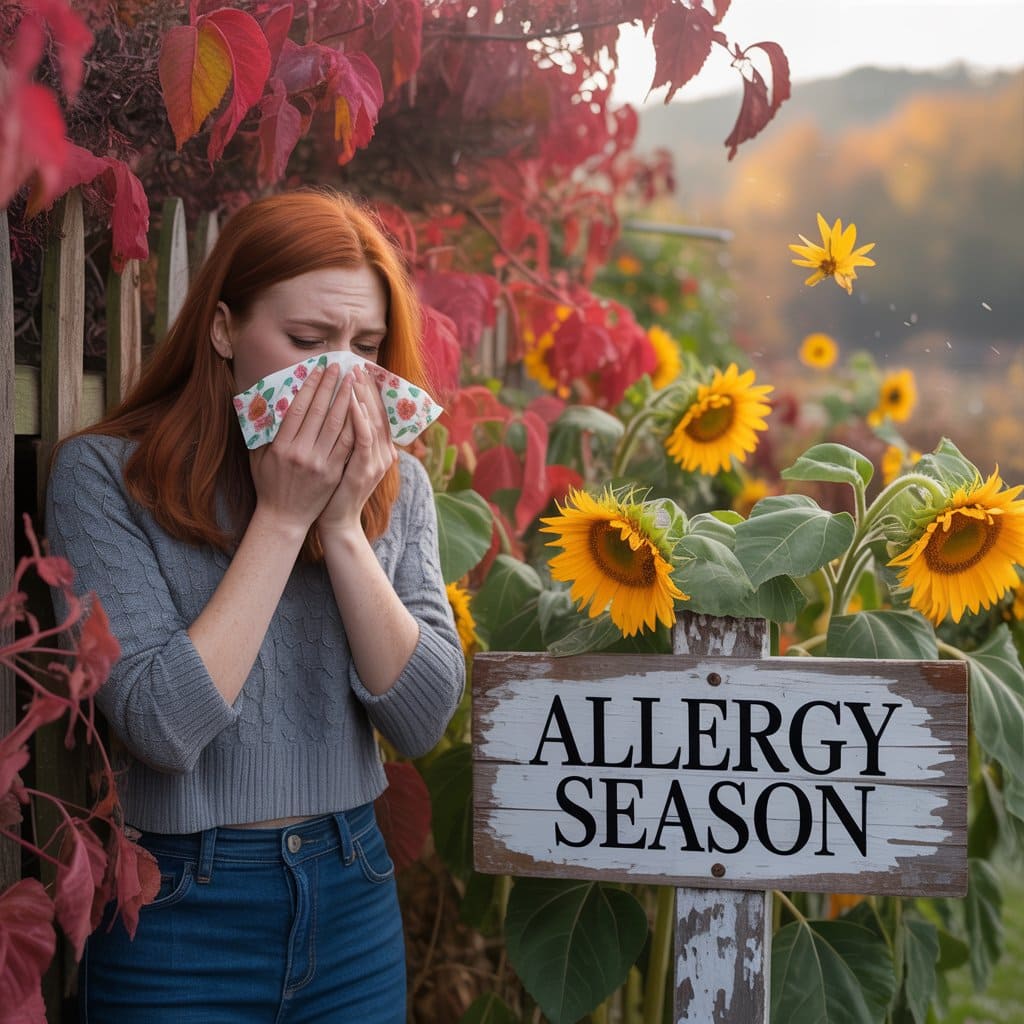
Climate-driven changes in plant phenology (the timing of flowering/pollen release) are causing many regions to experience earlier starts and longer durations of pollen seasons, and in some cases, secondary late-summer/early-autumn peaks. This means allergy sufferers may face longer symptom windows, more severe allergic rhinitis, and increased asthma exacerbations during the seasonal transition. Health services should anticipate extended demand for allergy care and inhaler use in late summer and autumn. GIEC
Infectious Diseases : Vectors, Water and Food Safety
Seasonal timing affects mosquito and tick life cycles and the transmission windows for diseases like West Nile virus, dengue, and Lyme disease. Warmer late summers and mild autumns can prolong vector activity, increasing infection risks later into the year in some regions. Additionally, extreme-weather events (heavy rains after droughts, flooding) can increase food- and waterborne disease risks during transitional seasons by contaminating water supplies and food chains. The IPCC and Lancet Countdown stress that climate change is altering the geographic range and seasonality of many pathogens. GIECLancet Countdown
Practical measures include sustained vector surveillance through autumn, public education on tick checks and mosquito avoidance, and water-safety infrastructure resilience.
The psychosocial effects of changing seasonal extremes — prolonged heat, repeated smoke events, loss of crops, evacuations — are significant. Studies show links between extreme weather and increased anxiety, depression, PTSD, and general distress. The cumulative nature of warming and environmental loss (sometimes called solastalgia) can create chronic mental-health needs that spike around seasons with repeated disruptive events. The GuardianPMC
Social vulnerability compounds these effects: economic insecurity, displacement, and disrupted social services during or following extreme late-summer/autumn events can magnify mental health impacts.
Vulnerable Populations : Who Is Most at Risk?
- Older adults: reduced thermoregulation, comorbidities, isolation.
- Children and infants: developing physiology, dependence on caregivers.
- Pregnant people: heat and infection risks can affect pregnancy outcomes.
- Outdoor workers and agricultural communities: prolonged heat exposure and smoke.
- Low-income communities: less access to cooling, healthcare, and resilient housing.
Public policies must prioritize these groups with targeted adaptation and social protection measures. Organisation mondiale de la santéGIEC
Adaptation and Clinical/Public-Health Actions
Key adaptation strategies for the summer → autumn transition include:
- Heat-health early warning systems and community cooling plans (including backup power and social outreach). Organisation mondiale de la santé
- Air-quality monitoring and actionable smoke guidance (air purifiers, masks for vulnerable people, temporary indoor shelters). PMC
- Extended surveillance of vectors and allergens to detect and respond to shifting seasonality. GIEC
- Strengthening health systems to manage surges in heat illness, respiratory disease, and mental health needs. Lancet Countdown
- Long-term climate mitigation — reducing greenhouse gas emissions remains essential for preventing the worst health impacts. The Lancet and IPCC reports emphasize that climate action is fundamentally health action. The LancetGIEC
Main Points
- Heatwaves are longer and more intense; late-summer heat can persist into autumn and cause heat-related illness. Organisation mondiale de la santéUS EPA
- Wildfire smoke now affects more people later in the year, worsening respiratory and cardiovascular outcomes. PMCSpringerOpen
- Allergy seasons are shifting and often longer, increasing respiratory burdens from late summer into autumn. GIEC
- Vector-borne disease and water/foodborne risks may extend into autumn in some regions. GIECLancet Countdown
- Mental health impacts and social vulnerabilities grow with repeated seasonal extremes and disruptions. The GuardianPMC
Illustrative Chart
I created an illustrative chart above showing an upward trend in the average heatwave season length from the 1960s to 2020. The plot is meant to visualize the pattern described by EPA and other agencies — namely that the heatwave season has grown substantially (EPA: ~46 days longer across the 50 cities indicator since the 1960s) — and to help readers grasp how the “heat season” is encroaching on months that used to be cooler. (Chart is illustrative and uses synthetic data to represent the trend; see EPA citation below for the original indicator.) US EPA
Conclusion
The transition from summer into autumn is no longer a simple seasonal handoff for many regions. Climate change has extended the heat season, intensified wildfire and air-quality risks, altered allergen and infectious disease timing, and increased the likelihood of compound exposures. The result is a heavier burden on health systems and a higher risk for vulnerable populations. Effective response requires both immediate public-health measures (early warning systems, air-quality protections, surveillance) and long-term strategies (emissions reductions and resilient infrastructure). Clinicians and public-health practitioners should anticipate changing seasonal windows of risk and ensure readiness for a longer, more volatile period spanning late summer and autumn.
- WHO — Heat and health (fact sheet / heatwaves). Organisation mondiale de la santé+1
- Lancet Countdown 2024 — Global report on health and climate change (record levels of impact). Lancet CountdownThe Lancet
- IPCC AR6 (WGII) — Climate Change 2022: Impacts, Adaptation and Vulnerability (Chapters on health and extreme events). GIEC+1
- U.S. EPA — Climate Change Indicators: Heat Waves (heatwave season length indicator; ~46-day increase). US EPA
- Peer-reviewed reviews on wildfire smoke health effects (PubMed Central review; Environmental Health Perspectives). PMCEnvironmental Health Perspectives