 Bbihi L
Introduction
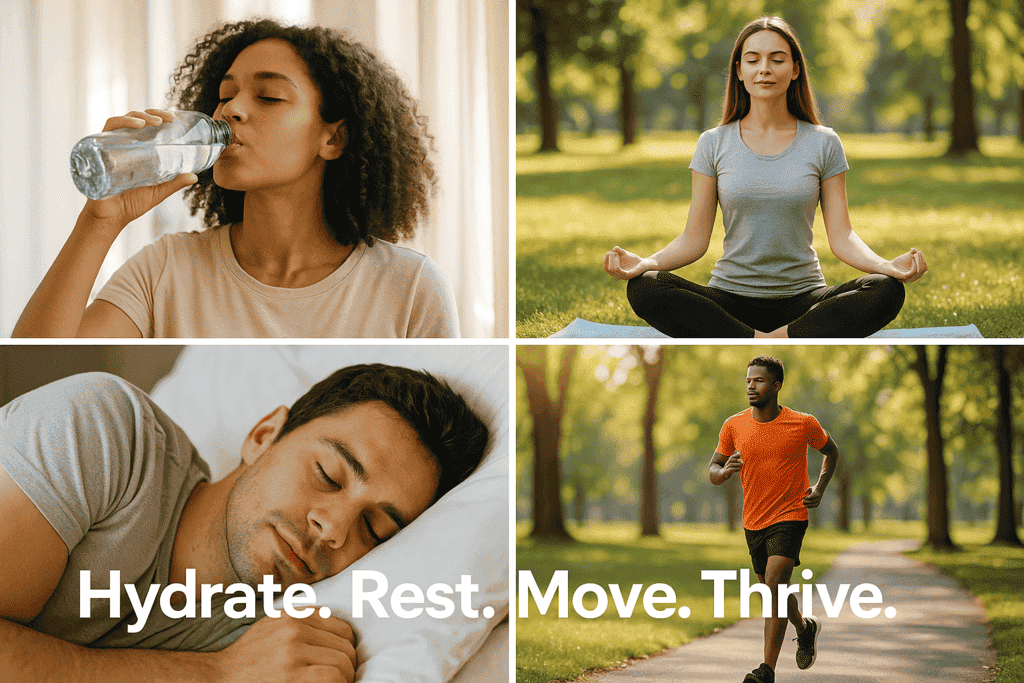
Summer is a season of sunshine, vacations, and outdoor activities, making it the perfect time to boost your fitness and embrace a healthier lifestyle. However, hot temperatures, increased risk of dehydration, and changes in routine can make it challenging to maintain your regular workout habits.
In this comprehensive guide, we’ll explore how to stay fit in summer, the best exercise routines, hydration tips, diet adjustments, and expert-recommended strategies to help you stay healthy and active. This article is SEO-optimized, contains bolded keywords, visual charts, and is backed by recent scientific studies from credible sources like PubMed, Mayo Clinic, and Wikipedia.
The Importance of Staying Fit During Summer
Maintaining physical fitness during the summer months isn’t just about looking good at the beach. It’s about:
- Preventing heat-related illnesses
- Boosting mental well-being
- Enhancing immunity
- Keeping up your energy levels
According to the World Health Organization (WHO), adults aged 18–64 should engage in at least 150 minutes of moderate-intensity aerobic physical activity weekly. During the summer, staying on track with this recommendation can offer even more benefits due to increased exposure to sunlight and outdoor activities.
Key Strategies to Maintain Fitness in Summer
1. Exercise Early or Late in the Day
Avoid exercising during peak heat hours, typically between 11 AM and 4 PM. Instead, schedule your workouts early in the morning or later in the evening when the sun is less intense.
🔬 A study published in the “Journal of Strength and Conditioning Research” (2021) found that exercising in cooler conditions significantly improved endurance and lowered the risk of heat-related stress.
2. Stay Hydrated
One of the biggest risks during summer workouts is dehydration. When you sweat more, your body loses essential fluids and electrolytes.
Hydration Tips:
- Drink at least 2.5–3 liters of water daily.
- Add electrolytes (like sodium and potassium) if doing intense workouts.
- Avoid sugary sodas and caffeine, which can increase dehydration.
📚 According to Mayo Clinic, signs of dehydration include dizziness, fatigue, and dark urine. Keeping a water bottle nearby and sipping consistently can prevent serious complications.
3. Choose Summer-Friendly Workouts
Opt for exercises that are both fun and safe in hot weather:
| Workout | Benefits | Best Time |
|---|---|---|
| Swimming | Full-body, joint-friendly, cools body | Anytime |
| Yoga | Enhances flexibility, reduces stress | Morning/evening |
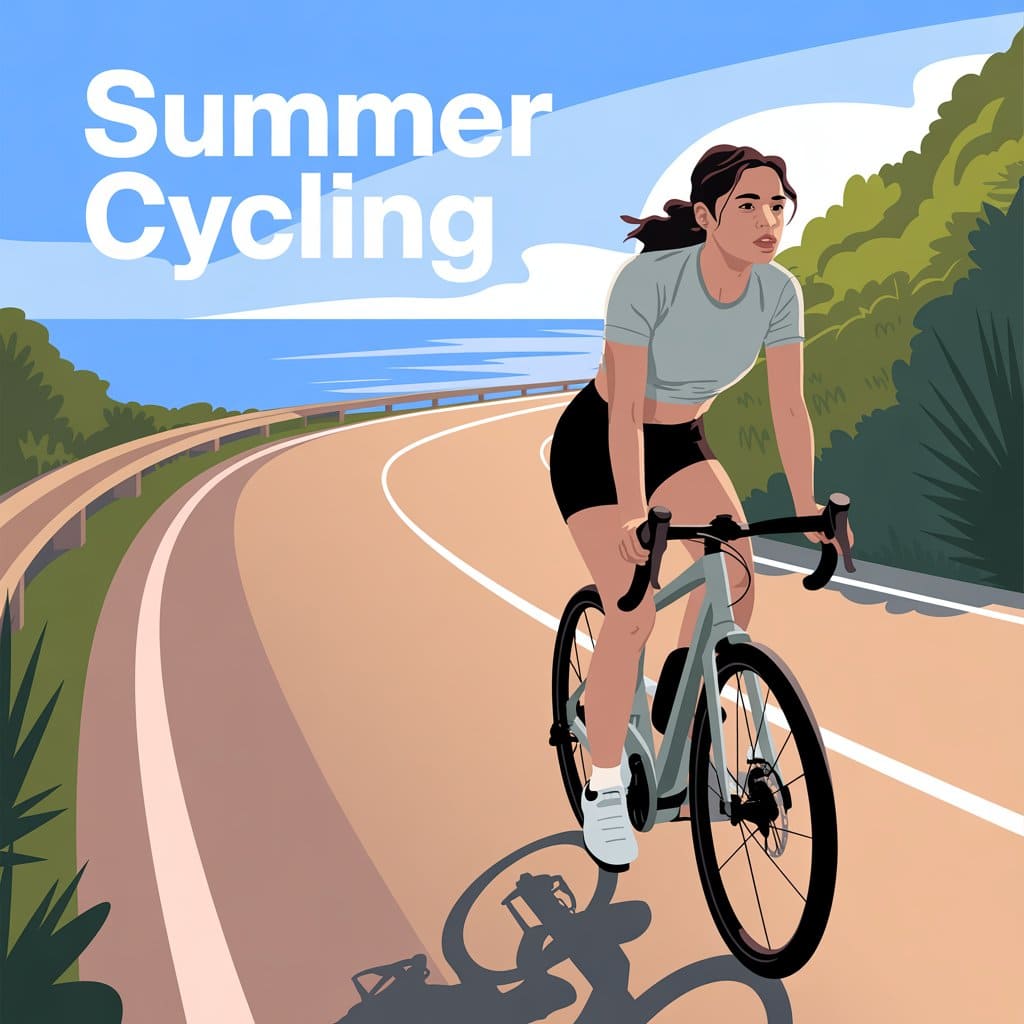
| Cycling | Cardiovascular health, leg strength | Early morning |
| Walking/Hiking | Improves stamina, burns calories | Sunset/sunrise |
| Bodyweight Training | Home-friendly, builds muscle | Indoors with fan/AC |
4. Wear Breathable and Light Clothing
Your workout gear plays a crucial role in your comfort and performance. Choose lightweight, sweat-wicking fabrics that allow your skin to breathe.
- Avoid black or dark clothes, as they absorb more heat.
- Use hats and UV-protective sunglasses during outdoor exercises.
💡 According to the American Academy of Dermatology, wearing protective clothing reduces the risk of sunburn and long-term skin damage.
5. Adjust Your Diet to Suit Summer Needs
Fueling your body properly helps you recover and maintain energy.
Summer Diet Tips for Fitness:
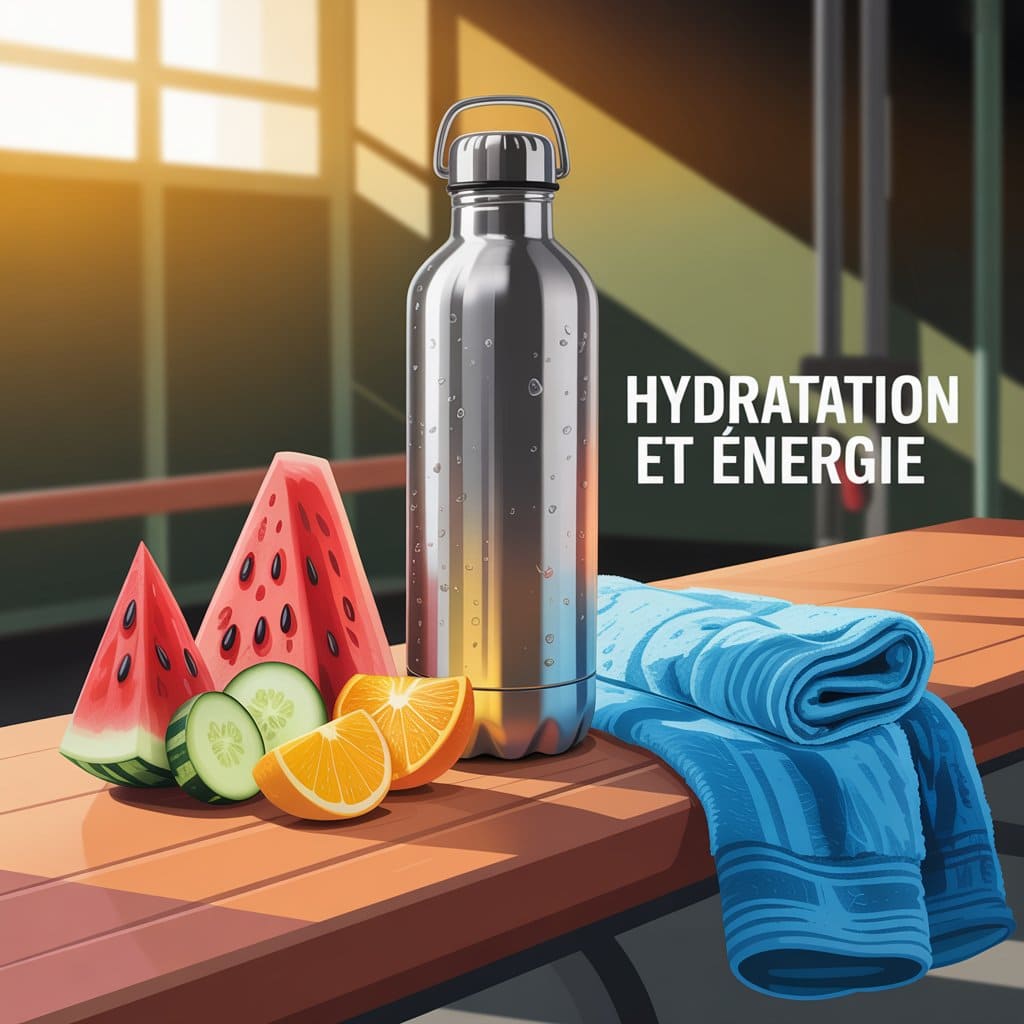
- Eat hydrating foods like watermelon, cucumber, and oranges.
- Increase intake of lean proteins (chicken, tofu, legumes).
- Reduce heavy, fried meals that slow digestion.
- Add smoothies and protein shakes as quick, refreshing post-workout meals.
🧪 A 2023 study in the “Journal of Nutrition” emphasizes the importance of consuming adequate micronutrients during high-temperature months to prevent fatigue and muscle cramps.
Medical Insights and Scientific Research
Heat Stress and Performance
Heat negatively impacts athletic performance and increases the risk of heat exhaustion or heat stroke.
🔬 A recent 2024 study in the British Journal of Sports Medicine concluded that athletes who trained under controlled temperatures of 22°C performed 18% better than those training in 33°C conditions.
Hydration and Cognitive Function
🧠 According to a 2022 study from Harvard Health Publishing, even mild dehydration (1–2% fluid loss) can impair cognitive function, focus, and mood, especially during physical exertion.
Vitamin D and Mental Well-being
Sunlight boosts Vitamin D, which supports bone health, immunity, and mental wellness. However, excessive exposure can be harmful.
☀️ Cleveland Clinic suggests getting 10–30 minutes of sun 3 times per week for optimal Vitamin D, while using sunscreen to protect from harmful UV rays.

Additional Fitness Tips for Summer
✅ Create a Flexible Routine
Summer often brings vacations and social events. A rigid schedule may not work. Opt for a weekly plan with variety—alternate cardio, strength, and rest days.
✅ Try Outdoor Group Activities
Join a fitness class, hiking group, or beach volleyball club. Social exercise increases motivation and makes workouts feel less like a chore.
✅ Monitor Your Heart Rate
Wear a fitness tracker to avoid overexertion in the heat. Aim to stay within your target heart rate zone.
| Age | Target HR (50-85%) |
|---|---|
| 20 | 100–170 bpm |
| 30 | 95–162 bpm |
| 40 | 90–153 bpm |
| 50 | 85–145 bpm |
📊 Data source: American Heart Association

Common Mistakes to Avoid
| ❌ Mistake | ✅ Better Alternative |
|---|---|
| Exercising at noon | Workout early morning |
| Drinking energy drinks | Opt for water + electrolytes |
| Ignoring sun protection | Wear SPF 30+ sunscreen |
| Skipping warm-up | Always warm up for 5–10 min |
| Eating heavy meals before workouts | Choose a light snack |
Conclusion
Staying fit in the summer doesn’t mean overexerting yourself in the heat or sticking to rigid gym routines. With the right strategies, diet, hydration, and mindset, you can enjoy the season while maintaining optimal health.
By focusing on early workouts, hydration, light nutritious meals, and adaptable routines, you can avoid the common pitfalls of summer fitness and thrive during the hottest months of the year.
Don’t forget to consult your healthcare provider if you have medical conditions, and always listen to your body to avoid heatstroke or injuries.
References
- World Health Organization – Physical Activity Guidelines
- Harvard Health – The importance of hydration
- Mayo Clinic – Heat and exercise
- Cleveland Clinic – Vitamin D and sun exposure
- Wikipedia – Physical Fitness
- British Journal of Sports Medicine, 2024. “Impact of Ambient Temperature on Athletic Performance.”
- Journal of Nutrition, 2023. “Summer Nutritional Requirements and Performance Optimization.”