
 Bbihi L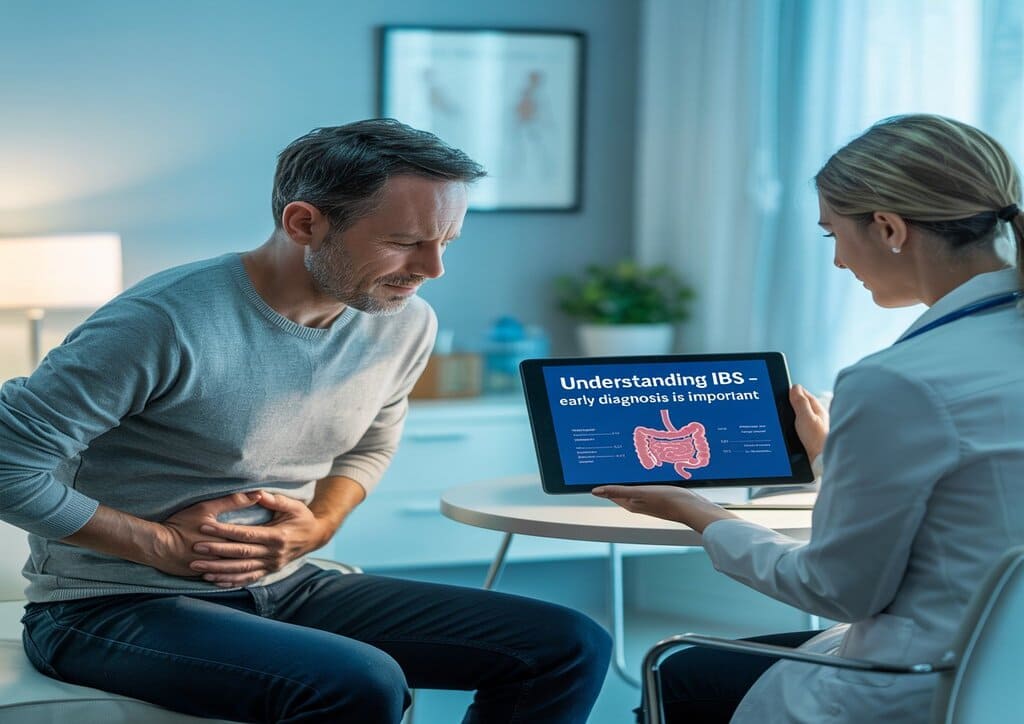
Introduction
Irritable Bowel Syndrome (IBS) is one of the most common functional gastrointestinal disorders affecting millions worldwide. Characterized by abdominal pain, bloating, diarrhea, constipation, or alternating bowel habits, IBS significantly impacts patients’ quality of life. According to the World Gastroenterology Organisation (WGO), IBS affects approximately 10–15% of the global population, with a higher prevalence among women than men.
Although IBS does not cause permanent damage to the intestines or increase the risk of colorectal cancer, its chronic and recurrent symptoms can interfere with work, social activities, and mental well-being. Recent studies from Harvard Medical School (USA), King’s College London (UK), and Kyoto University (Japan) highlight the complex interaction of gut microbiota, stress, diet, and genetics in the development of IBS.
This article provides a comprehensive understanding of IBS, exploring its causes, symptoms, diagnostic methods, and treatment options, with a focus on both medical and lifestyle-based approaches.
What Is Irritable Bowel Syndrome?
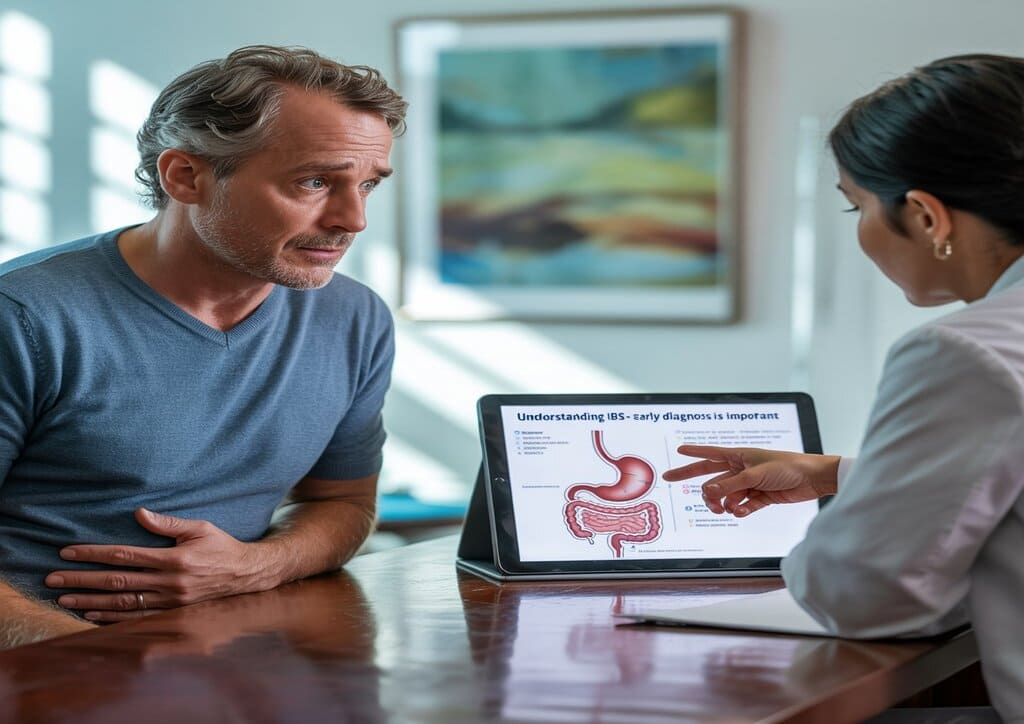
IBS is classified as a chronic disorder of the large intestine in which the gut-brain axis plays a major role. Unlike inflammatory bowel diseases such as Crohn’s disease or ulcerative colitis, IBS does not cause visible inflammation or tissue damage. Instead, it is linked to hypersensitivity of the intestines and irregular intestinal motility.
Key Features of IBS :
- Chronic abdominal pain and discomfort
- Altered bowel habits (diarrhea, constipation, or both)
- Bloating and excess gas
- Absence of structural damage in the digestive tract

Global Prevalence and Risk Factors
IBS is a global disorder, but its prevalence varies:
- In North America, IBS affects around 12% of adults (National Institute of Diabetes and Digestive and Kidney Diseases, USA).
- In Europe, studies show prevalence between 10–20% (British Medical Journal, 2021).
- In Asia, rates are slightly lower, ranging from 5–10%, but symptoms are often underdiagnosed due to cultural stigma (Journal of Neurogastroenterology and Motility, 2019).
Risk Factors Include :
- Gender: Women are more likely to develop IBS, possibly due to hormonal influences.
- Age: Most patients are diagnosed before age 50.
- Psychological stress and anxiety: Strongly correlated with flare-ups.
- Dietary triggers: High-fat, high-sugar foods and poorly absorbed carbohydrates.
- Family history: Genetic and environmental factors contribute to susceptibility.
Symptoms and Subtypes of IBS
Doctors classify IBS into four main subtypes, based on the predominant bowel habit:
| IBS Subtype | Main Symptom | Example Case |
|---|---|---|
| IBS-C | Constipation-predominant | Infrequent stools, hard or lumpy stools |
| IBS-D | Diarrhea-predominant | Frequent, loose stools, urgency |
| IBS-M | Mixed type | Alternating constipation and diarrhea |
| IBS-U | Unclassified | Symptoms that don’t fit into categories |
Associated symptoms may include nausea, fatigue, and sleep disturbances. Studies by the Mayo Clinic (USA) and European Society of Neurogastroenterology show that stress, gut microbiome imbalance, and diet strongly influence the severity of symptoms.

Causes and Pathophysiology
The exact cause of IBS remains unknown, but research suggests it is multifactorial:
- Gut-brain axis dysfunction: Miscommunication between the central nervous system and the intestines.
- Visceral hypersensitivity: Increased sensitivity to pain and bloating.
- Altered gut microbiota: Reduced diversity of beneficial bacteria (Harvard School of Public Health, 2022).
- Post-infectious IBS: Some patients develop IBS after severe gastrointestinal infections.
- Dietary intolerances: Sensitivity to gluten, lactose, or fermentable carbohydrates.
- Psychological factors: Anxiety, depression, and chronic stress play a major role.
Diagnosis of IBS
There is no single test for IBS; diagnosis is usually made based on Rome IV criteria, which include:
- Recurrent abdominal pain, on average at least one day per week in the last three months.
- Symptoms associated with two or more of the following:
- Related to defecation
- Change in stool frequency
- Change in stool form or appearance
Doctors may also perform tests such as:
- Blood tests (to rule out anemia, inflammation, or celiac disease)
- Stool analysis (to exclude infections)
- Colonoscopy (if alarm symptoms such as bleeding or weight loss are present)

Treatment Options for IBS
1. Dietary Management
- Low-FODMAP diet : Developed by researchers at Monash University (Australia), this diet restricts fermentable carbohydrates that cause bloating and gas.
- Fiber supplementation : Soluble fiber (psyllium) helps IBS-C patients.
- Avoiding trigger foods : Spicy, fatty, or processed foods often worsen symptoms.
2. Medications
- Antispasmodics (e.g., hyoscine, peppermint oil capsules) for cramping.
- Laxatives for constipation-predominant IBS.
- Antidiarrheal agents (e.g., loperamide) for IBS-D.
- Antidepressants (SSRIs, tricyclic antidepressants) in cases linked to mood disorders.
3. Probiotics and Prebiotics
Studies from Johns Hopkins University (USA) and European Journal of Clinical Nutrition show that specific probiotic strains (e.g., Bifidobacterium infantis) can reduce bloating and stool irregularities.
4. Stress Management and Alternative Medicine
- Cognitive-behavioral therapy (CBT) and gut-directed hypnotherapy have shown promising results (Lancet Gastroenterology, 2020).
- Yoga, meditation, and mindfulness reduce stress and improve bowel regularity.
- Acupuncture and traditional Chinese medicine have been explored, with mixed but encouraging results in Asian clinical studies.
Living with IBS : Lifestyle Strategies
- Eat smaller, more frequent meals to reduce intestinal overload.
- Stay hydrated to support digestion.
- Exercise regularly (walking, swimming, yoga) to regulate bowel movements.
- Keep a food and symptom diary to identify personal triggers.
- Seek professional support from gastroenterologists and dietitians.
Key Points
- IBS is a functional gastrointestinal disorder with no structural damage but significant lifestyle impact.
- Global prevalence ranges from 5–20%, with women more affected.
- Symptoms include abdominal pain, bloating, diarrhea, and constipation.
- Diagnosis relies on Rome IV criteria and exclusion of other diseases.
- Treatment includes dietary changes, medications, probiotics, and stress management.
- Recent studies emphasize the role of gut microbiota and the gut-brain axis.
Conclusion
Irritable Bowel Syndrome (IBS) is a chronic but manageable condition. While it does not cause long-term intestinal damage, it can severely disrupt daily life. The combination of medical treatments, dietary strategies, psychological therapies, and natural approaches offers the best chance of symptom control.
With growing scientific evidence from institutions in Asia, America, and Europe, understanding IBS is shifting toward a more holistic view that integrates the gut, brain, microbiota, and lifestyle factors. Patients who adopt a personalized treatment plan can experience significant improvements in both physical and mental well-being.
References
- World Gastroenterology Organisation (WGO). Global Guidelines for IBS.
- Harvard Medical School. Gut Microbiota and IBS Research. 2022.
- King’s College London. Dietary Management in IBS. BMJ, 2021.
- Kyoto University, Japan. Gut-brain Axis Studies. Journal of Gastroenterology, 2020.
- Monash University. Low-FODMAP Diet Guidelines. 2019.
- Mayo Clinic. IBS Symptoms and Diagnosis. 2022.
- Johns Hopkins University. Probiotics and Digestive Health. 2021.
- Lancet Gastroenterology. Psychological Therapies in IBS. 2020.
- Wikipedia. Irritable Bowel Syndrome. Retrieved 2025.
- Journal of Neurogastroenterology and Motility. Epidemiology of IBS in Asia. 2019.