lbb style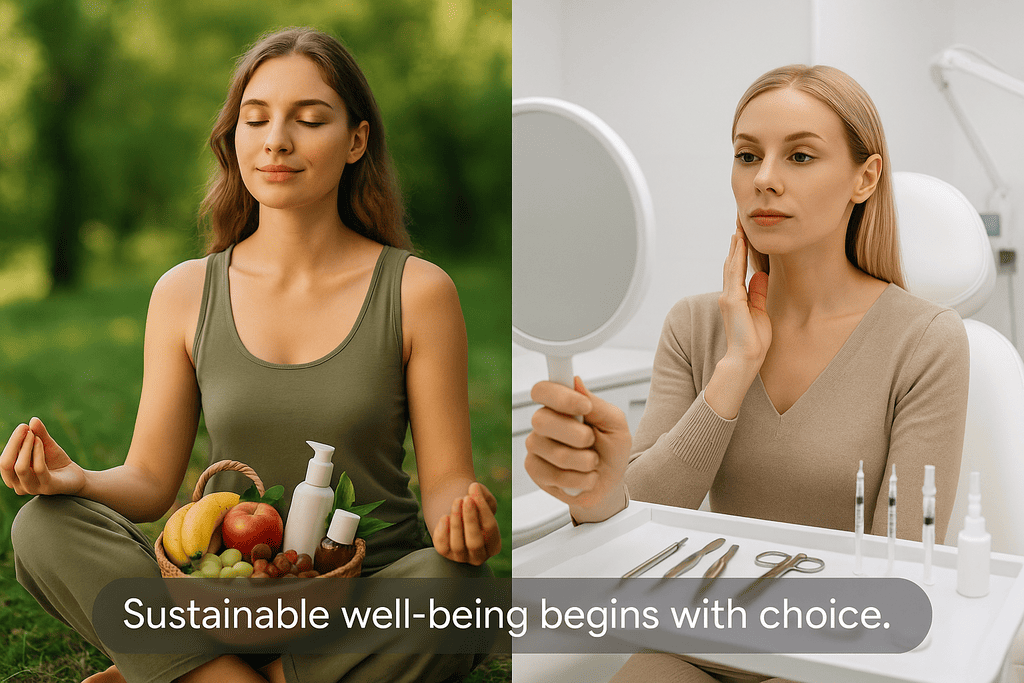
Introduction
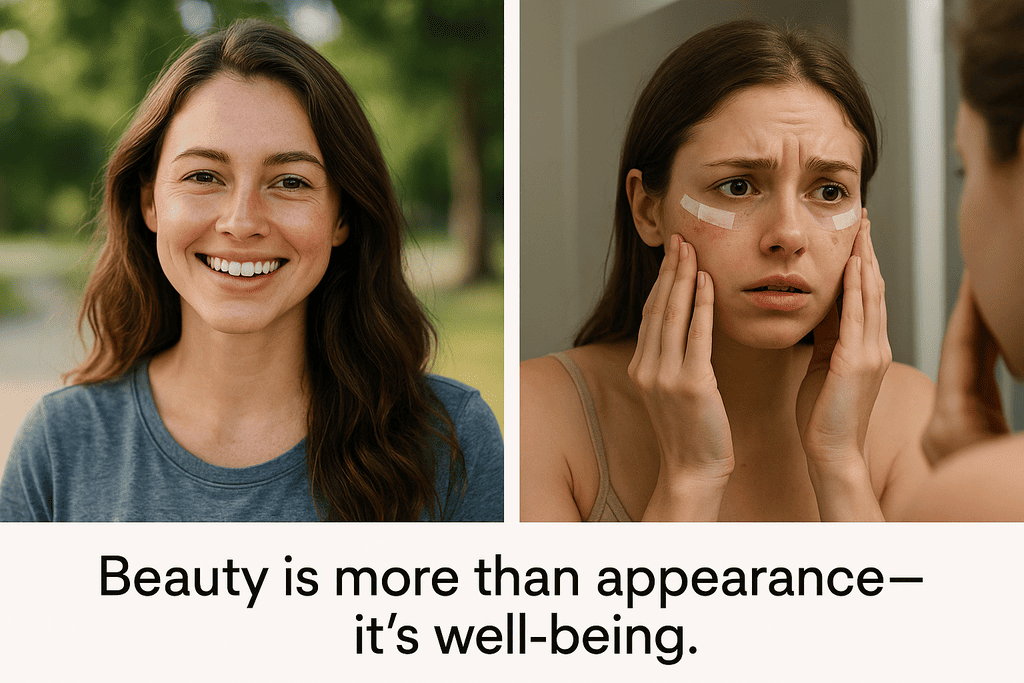
In a world where appearance matters in social and professional contexts, many people choose between natural beauty practices and artificial (cosmetic) enhancements. Both approaches aim to improve appearance and confidence, but they differ in methods, risks, costs, and long-term effects. This article offers an evidence-based, SEO-friendly examination of natural vs. artificial beauty, summarizing key points, recent scientific findings from leading researchers in Asia, Europe, and North America, and practical guidance for safe, sustainable choices.
Keywords (SEO): natural beauty, artificial beauty, cosmetic risks, skin health, Botox safety, plant-based skincare, cosmetic surgery complications, sustainable beauty.
Body
1. What We Mean by Natural and Artificial Beauty
- Natural beauty: routines and products that use minimal processing and emphasize plant-derived ingredients, whole-food nutrition, lifestyle habits (sleep, hydration, exercise), and gentle topical care (oils, extracts, sunscreens).
- Artificial beauty: medical and non-medical interventions such as Botox and dermal fillers, chemical peels, laser resurfacing, and cosmetic surgery, plus heavily formulated cosmetics with synthetic additives.
Both paths can improve appearance, but they differ in immediacy, cost, and risk profile.
2. Health and Safety : What the Science Shows
Plant-derived and lifestyle approaches : benefits
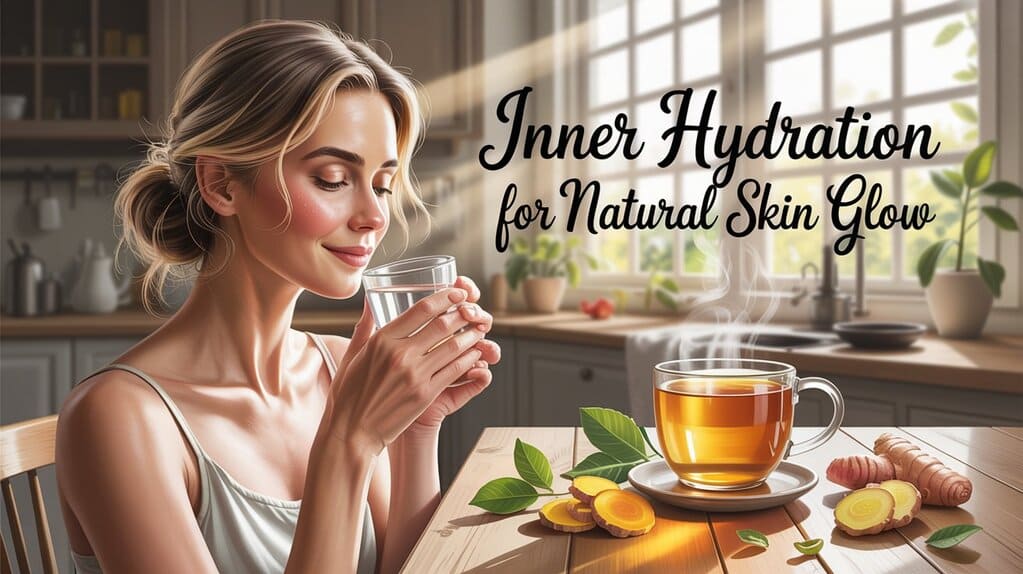
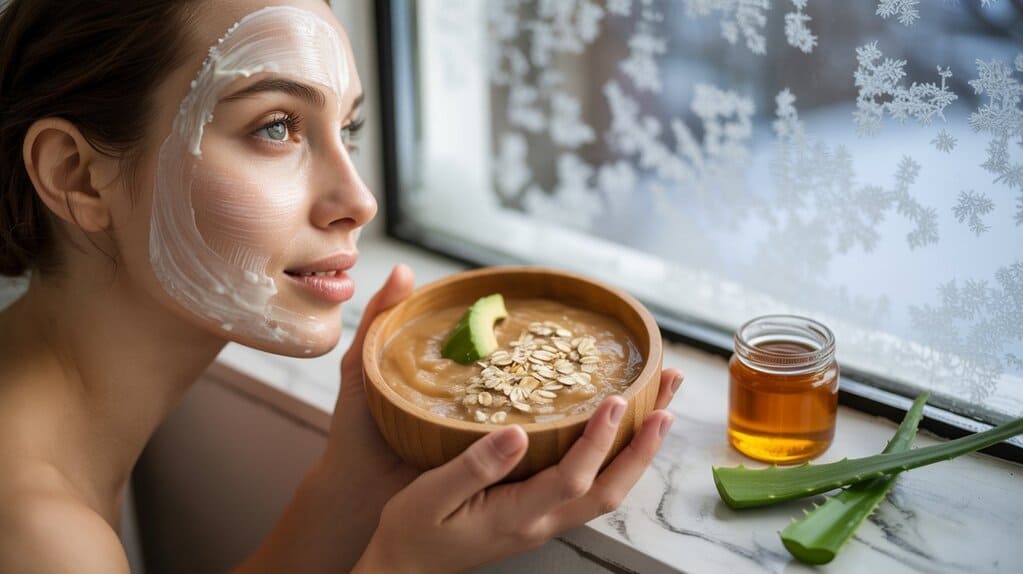
Recent reviews of plant-based phytochemicals and dietary antioxidants describe measurable benefits for skin elasticity, photoprotection, and repair mechanisms when used as part of oral or topical regimens. These reviews—drawing on laboratory and clinical studies across Asia and Europe—conclude that phytochemicals can support skin structure and reduce oxidative damage when used appropriately. BioMed Central+1
Key point : A routine that combines sun protection, antioxidant-rich diet, and well-tested botanical topicals can slow visible aging and improve skin health without invasive procedures. PubMed+1
Injectables (Botulinum toxin / fillers) : effectiveness and cautions
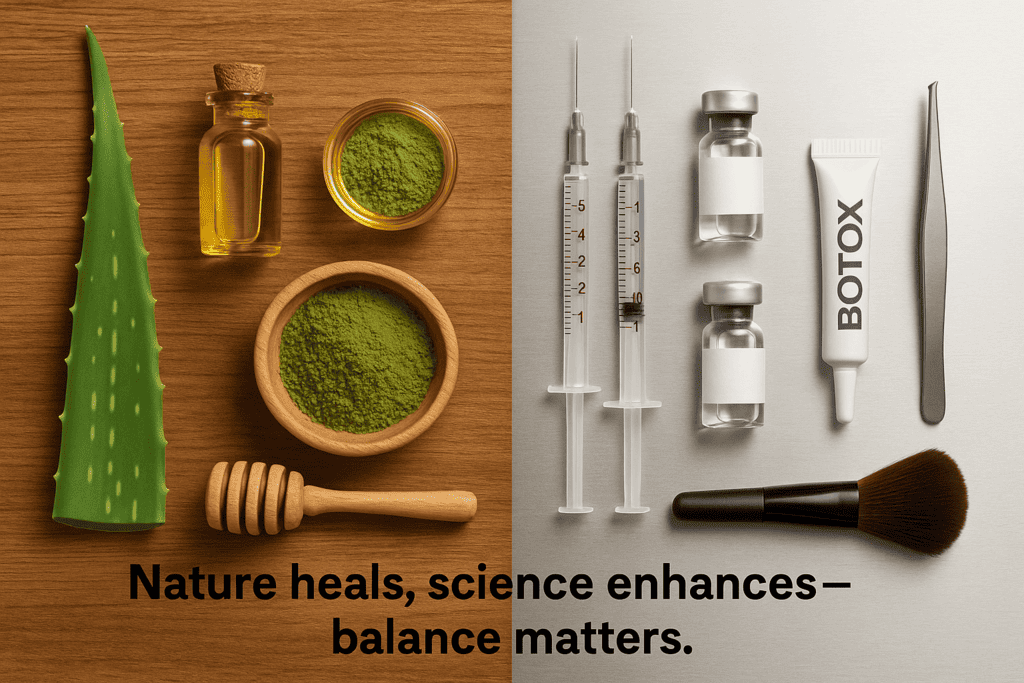
Botox (botulinum toxin) and fillers are widely used to reduce dynamic wrinkles and restore facial volume. Clinical reviews and lab studies indicate that repeated botulinum injections, especially at high doses or with improper technique, can cause muscle atrophy and reduce facial expressiveness over time. Clinicians in Europe and North America emphasize conservative dosing and interval spacing to reduce long-term adverse effects. PMC+1
Key point : Injectables are effective for short- to medium-term cosmetic goals but require qualified clinicians, informed consent, and attention to cumulative dosing. PMC
Chemical agents (e.g., hydroquinone): benefits and risks
Topical agents such as hydroquinone are effective for hyperpigmentation but carry documented risks—irritation, ochronosis with long-term misuse, and regulatory scrutiny in several countries. Dermatology reviews recommend supervised, time-limited use and alternatives when appropriate. PMC+1
Key point: Use potent topical chemistries only under dermatologist guidance and monitor for adverse effects.
Surgical cosmetic procedures : outcomes and complications
Surgical interventions can provide dramatic, durable changes but also carry risks: infection, scarring, need for revision, and psychological adjustment. Large surgical registries and hospital reviews highlight the importance of surgeon credentials and postoperative care; complication rates vary by procedure and practitioner. PMC+1
Key point : When surgery is considered, choose board-certified providers, review complication data, and set realistic expectations. American Society of Plastic Surgeons
3. Psychological and Social Considerations
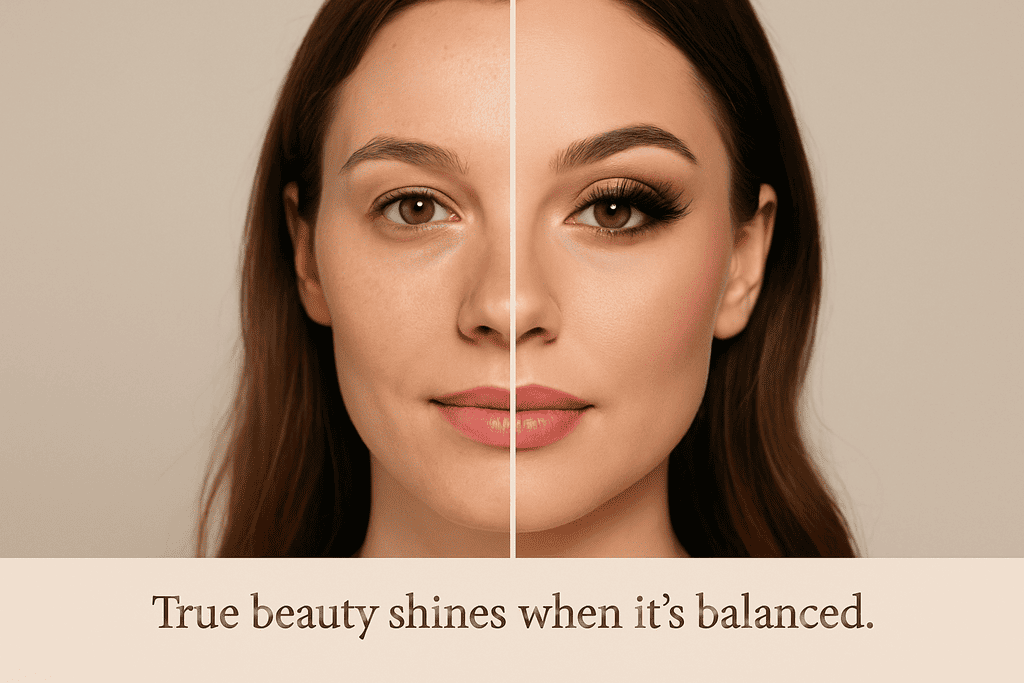
Clinical studies across Europe and North America show mixed psychosocial outcomes: many patients report improved satisfaction with targeted body areas, but some experience persistent body-image concerns or mood changes—especially those with preexisting vulnerability to anxiety or body dysmorphic disorder. Preoperative psychological screening and realistic counseling improve outcomes. PMC+1
Key point : Cosmetic procedures may help self-image for some, but psychological screening and counseling reduce risk of regret or worsening mental health.
4. Practical Comparison (Table)
| Feature | Natural Beauty | Artificial Beauty |
|---|---|---|
| Speed of results | Gradual, cumulative | Immediate to short-term |
| Cost | Low–moderate | Moderate–high, recurring |
| Health risks | Low (when evidence-based) | Moderate–high (procedure-dependent) |
| Longevity | Sustainable with lifestyle | Often requires maintenance |
| Environmental impact | Usually lower | Higher (some treatments/packaging) |
| Best use case | Preventive care, mild concerns | Targeted corrections, medical indications |
5. Evidence-based Recommendations for a Balanced Approach
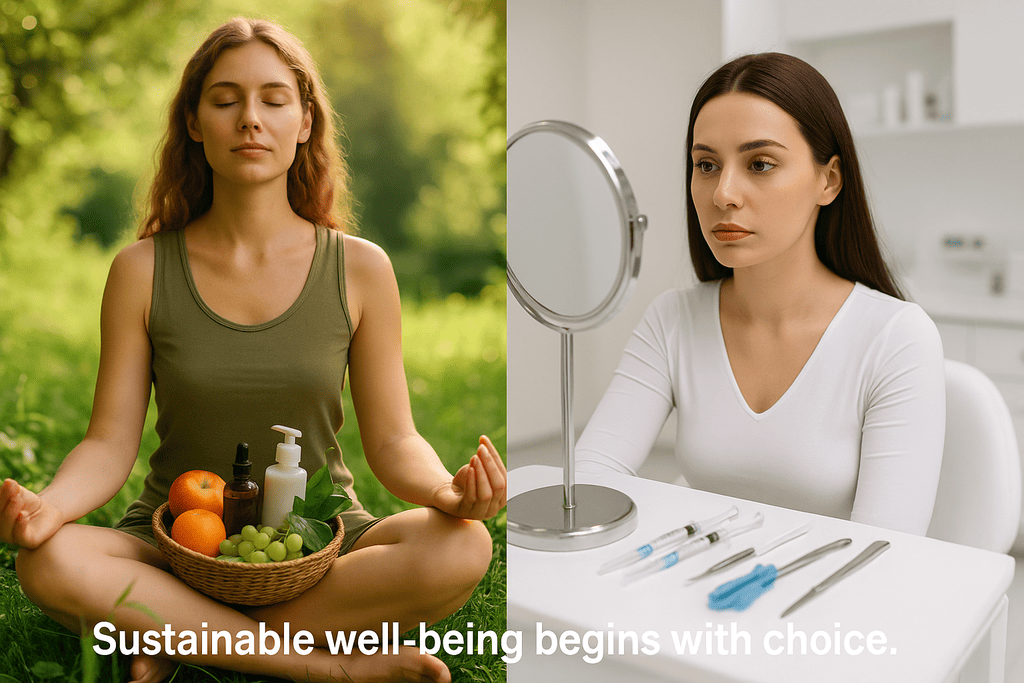
- Prioritize prevention. Sun protection, a balanced diet, hydration, sleep, and stress management are foundational. These choices yield long-term skin and systemic benefits supported by nutritional and dermatological literature. BioMed Central
- Use plant-based topicals supported by evidence. Choose formulations with clinical data (vitamin C, vitamin E, niacinamide, selected botanical extracts). PubMed
- Reserve medical procedures for clear goals. When considering injectables or surgery, seek board-certified specialists, ask for complication statistics, and follow pre- and post-procedure guidance. American Society of Plastic Surgeons+1
- Limit cumulative exposures. Avoid excessive frequency of powerful interventions (e.g., repeated high-dose botulinum treatments) to minimize long-term tissue effects. MDPI+1
- Monitor mental health. Screen for body-image disorders and seek psychological support if anxiety or depression emerge. PMC
6. Short Case Summaries from Recent Studies
- Plant phytochemicals: A 2025 review identified multiple phytochemicals that help maintain skin elasticity and may reduce visible signs of aging when used topically or as supplements. Prominent authors and institutions across Europe and Asia contributed to the dataset. BioMed Central
- Botulinum toxin effects: Clinical literature (2021–2023) has described muscle atrophy and functional weakening after repeated injections in animal models and clinical observations—supporting cautious long-term planning. MDPI+1
- Surgical complications: Tertiary-center analyses (2023–2024) document avoidable complications linked to non-standardized practices; structured follow-up programs reduce morbidity. PMC
Conclusion
Natural beauty and artificial beauty are not mutually exclusive; the safest, most sustainable strategy combines preventive, evidence-based natural care with judicious, professional use of medical enhancements when needed. Recent international research—from Asia, Europe, and North America—supports plant-based preventative measures, highlights real risks with repeated or unsupervised medical interventions, and emphasizes the psychological dimensions of cosmetic choices. Make decisions based on peer-reviewed evidence, credentialed practitioners, and a clear assessment of personal goals and health priorities.
Takeaway (SEO): Prioritize natural, science-backed skin health, consult qualified professionals for cosmetic procedures, and balance aesthetic goals with long-term health and well-being.
References (selected)
- Tomas M., et al. (2025). “The state of the art in anti-aging: plant-based phytochemicals.” Immunity & Ageing. BioMed Central
- Abdelnour A., et al. (2023). “Effects of plant-derived dietary supplements on skin health.” PubMed / Nutritional Dermatology Review. PubMed
- Punga A.R., et al. (2023). “Don’t frown upon the effects of botulinum toxin injections.” Dermatology Reviews. PMC
- Ioannou C.I., et al. (2023). “Long-Term Muscular Atrophy and Weakness Following Botulinum Toxin.” Toxins (Basel). MDPI
- Fabian I.M., et al. (2023). “Topical Hydroquinone for Hyperpigmentation: A Narrative Review.” Dermatology Journal (PMC). PMC
- Belza C.C., et al. (2024). “Management of Plastic Surgery Complications at a Tertiary Center.” Plastic Surgery Reports (PMC). PMC
- American Society of Plastic Surgeons – Plastic Surgery Statistics (2024). American Society of Plastic Surgeons
- Lane M.M., et al. (2024). “Ultra-processed food exposure and adverse health outcomes.” BMJ (systematic review). BMJ+1
- Jones H.E., et al. (2022). “The Psychological Impact of Aesthetic Surgery: A Mini-Review.” Plastic and Reconstructive Surgery Global Open (PMC). PMC