نمط lbb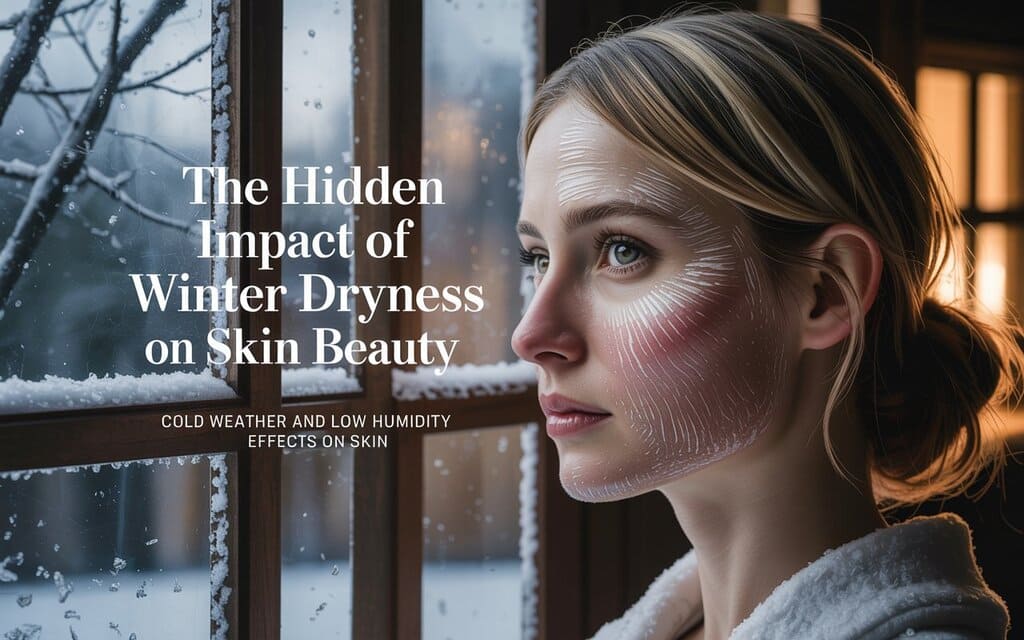
Introduction
Winter is often associated with cozy blankets, hot drinks, and sparkling snowfall — but for many people around the world, the colder months also bring skin dryness and a decline in skin beauty. Seasonal changes may seem subtle, but they can have a profound effect on the skin’s structure, moisture balance, and overall appearance. In this comprehensive article, we explore the hidden causes of winter dryness, how it affects the skin’s natural barrier, and the real impact on skin health and beauty backed by scientific and medical research from Asia, America, and Europe. You’ll also find actionable insights and a clear table summarizing key factors involved.
Winter dryness isn’t just a cosmetic nuisance — it’s a physiological response of the skin to environmental stressors like low humidity, cold temperatures, and indoor heating systems. Understanding these forces is essential not only for managing seasonal skincare but also for preventing long-term issues such as xerosis, inflammation, and sensitive skin flare-ups.
Body
1. What Is Winter Dryness?
Winter dryness refers to the condition where the skin loses moisture faster than it can retain it, leading to dehydration, rough texture, dull appearance, and even irritation. In medical terms, this condition is often called xerosis — a state of abnormally dry skin commonly observed during the winter months.
2. The Hidden Environmental Causes
Cold Outdoor Air and Low Humidity
Cold winter air naturally contains less moisture (lower humidity), which accelerates the loss of water from the skin’s outer layer — the epidermis. As humidity drops, trans-epidermal water loss (TEWL) increases, meaning water evaporates from the skin more rapidly than it can be replaced.
Indoor Heating Systems
Central heating, radiators, and space heaters remove moisture from indoor environments, creating very dry air that further strips the skin of its natural oils and hydration. This indoor dryness often feels worse than the outdoor cold because it continues even when you’re inside warming up.
Temperature Fluctuations
Going from icy outdoor air to heated indoor air creates thermal shock, which stresses the skin’s barrier and disrupts its ability to retain moisture.

3. How Winter Dryness Affects the Skin Barrier
The skin’s outermost layer, the stratum corneum, acts like a protective wall that keeps moisture in and harmful irritants out. It relies on a complex mix of lipids, ceramides, and natural moisturizing factors (NMFs) to stay healthy.
Barrier Breakdown Mechanisms
When winter conditions reduce humidity and temperature, the skin’s lipid layer becomes compromised, resulting in:
- Increased TEWL
- Reduced sebum production
- Weakened barrier function
- Higher sensitivity to irritants
Without sufficient lipids like ceramides and fatty acids, the skin loses its ability to lock in moisture, leading to dryness and visible signs of aging such as fine lines and dullness.
4. Internal and Behavioral Contributors
Winter dryness isn’t caused only by the environment — internal and personal habits play a significant role as well.
Reduced Water Intake
People often drink less water in winter because they feel less thirsty, but this can lead to internal dehydration, which affects skin hydration levels.
Hot Showers and Harsh Cleansers
Long, hot showers, while comforting in cold weather, strip away the skin’s natural oils and aggravate dryness. Soaps with harsh surfactants and high alcohol content further weaken the barrier.
Stress and Cortisol
Higher stress levels — common in winter due to shorter days and seasonal demands — increase cortisol production, which can interfere with barrier repair and hydration.
5. Clinical Conditions Exacerbated by Winter Dryness
Winter dryness doesn’t just make your skin feel uncomfortable — it can trigger or worsen existing conditions.
Xerotic Eczema (Winter Itch)
This condition involves excessively dry, itchy, cracked skin and often flares in winter. It’s a form of dermatitis aggravated by low humidity and compromised barrier function.
Atopic Dermatitis and Seasonal Flare-Ups
Studies show that colder, dry conditions can increase the severity of atopic dermatitis and other chronic skin inflammations due to heightened skin reactivity.
6. The Impact on Skin Beauty
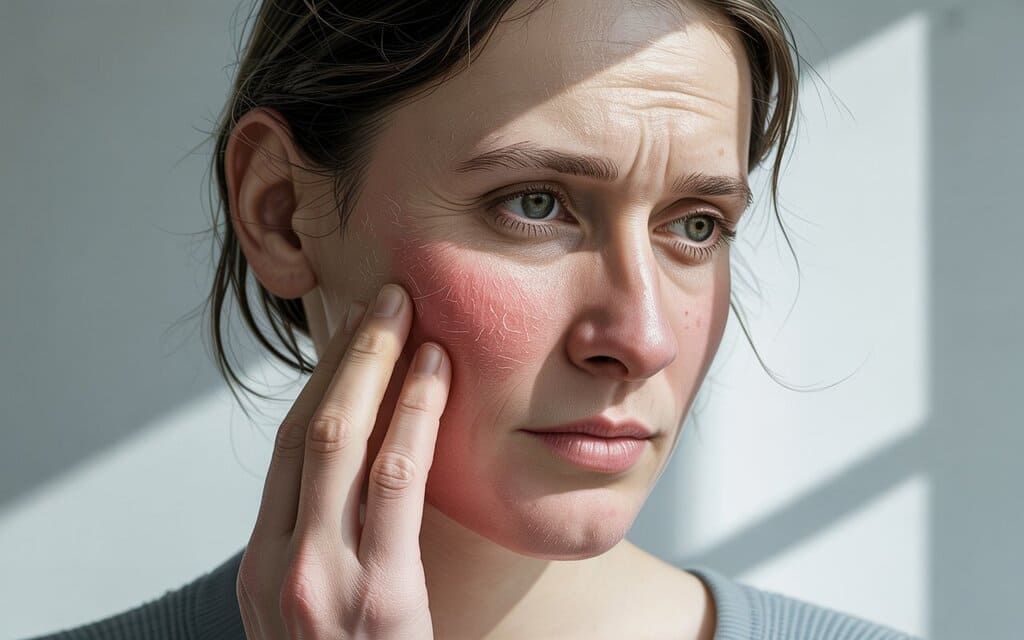
Winter dryness doesn’t only affect comfort — it alters how the skin looks and ages. Below is a summary of the most common visual and tactile effects.
| Impact on Skin Beauty | Explanation |
|---|---|
| Dull complexion | Loss of hydration and slowed cell turnover makes skin look less radiant. |
| Rough texture | Reduced moisture and barrier damage create a coarse surface. |
| Flaking and peeling | Dry, cracked skin sheds more dead cells. |
| Increased lines and wrinkles | Hydration loss makes fine lines more noticeable. |
| Redness and irritation | Barrier disruption leads to inflammatory responses. |
When skin loses its moisture and barrier integrity, the natural glow and elasticity diminish — both key components of what we consider skin beauty. Frequent dryness accelerates signs of aging and makes makeup less smooth.
7. Scientific Studies from Around the World
Research conducted internationally confirms the biological impact of winter dryness.
Europe and North America
A review found that low humidity, low temperatures, and seasonal changes significantly reduce skin barrier function and increase dermatitis risk.
Asia (Korean Clinical Research)
A study in Korea showed that indoor winter environments with heaters significantly impacted skin hydration, elasticity, and irritation levels, underscoring the need for targeted skincare practices.
Dermatological Reviews
Scientific literature emphasizes that the stratum corneum’s barrier dysfunction is central to dry skin and sensitivity, with hydration essential to prevent pathologies.
These findings from diverse regions highlight the universal nature of winter’s effects on skin biology.
Conclusion
Winter dryness is not just a seasonal inconvenience — it’s a complex physiological response involving environmental stressors, internal hydration levels, barrier function breakdown, and even behavioral patterns like shower habits and indoor heating use. The combination of cold air, low humidity, and indoor warmth significantly reduces the skin’s ability to retain moisture, leading to visible effects such as dullness, rough texture, flaking, and premature signs of aging. Scientific studies from Europe, Asia, and the Americas consistently show that protecting and restoring the skin barrier is essential for maintaining skin health and beauty in winter.
Taking a holistic approach — including balanced hydration, gentle skincare habits, properly formulated moisturizers, and a supportive indoor environment — can help mitigate the harsh effects of winter dryness. Your skin doesn’t have to suffer quietly during the cold months; with the right knowledge and practices, you can preserve its natural radiance year-round.
Bibliography
- Low humidity and temperature effects on skin barrier function, European Academy of Dermatology and Venereology.
- Dry winter skin: causes, symptoms, and hydration strategies, Bioderma Expert Advice.
- Effects of winter indoor environment on the skin: Korean clinical study, Skin Res Technol.
- Medical overview of winter dryness and xerosis, Medical News Today.
- Skin barrier function and sensitive skin review, PubMed.
- Impact of winter conditions on skin lipids, Typology skin science.
- Temperature impact on skin barrier and inflammatory responses, ScienceDirect review.