نمط lbb
Introduction
Achieving a fit and toned body is a common goal for many women — but true fitness means far more than just appearance. It’s about long-term health, strength, and confidence. This guide offers an evidence-based, SEO-friendly roadmap to help women build and maintain a healthy, athletic, and sustainable physique through balanced nutrition, strategic exercise, and daily lifestyle habits. The recommendations below are grounded in recent scientific and medical studies from Asia, North America, and Europe, and reference guidance from major public health organizations.
Key Points
- Women’s fitness improves physical and mental health, lowers chronic disease risk, and increases self-confidence. Organisation mondiale de la santé
- Aim for 150–300 minutes of moderate-intensity aerobic activity per week plus muscle-strengthening activities at least twice weekly (WHO recommendation). PMC
- Strength (resistance) training is essential for a toned body — it builds muscle, increases resting metabolic rate, and supports bone health. Harvard HealthBioMed Central
- Small, consistent daily habits (sleep, hydration, movement) compound into big results. The Lancet
- Tailor programs to life stage — premenopausal, perimenopausal, and postmenopausal women respond differently to training volumes. BioMed Central
Body
What “Fit and Toned” Really Means
A fit, toned body is characterized by healthy body composition (reasonable fat mass and preserved lean mass), good cardiovascular endurance, functional strength, and mobility. It’s not about being as light as possible — it’s about being strong, energetic, and resilient. This mindset shift (from “weight loss only” to “health and performance”) improves adherence and long-term outcomes.
Why Exercise Matters — The Evidence
Large cohort and meta-analytic studies show consistent links between higher physical activity and lower rates of chronic disease and mortality. For example, recent research analyzing physical activity and mortality found benefits across age groups and activity levels — even modest increases lower risk. JAMA NetworkThe Lancet
The World Health Organization’s updated guidance recommends adults do 150–300 minutes of moderate-intensity aerobic activity weekly, or the vigorous-equivalent, plus muscle-strengthening activities on 2+ days/week. These targets are set to reduce chronic disease risk and improve overall wellbeing. PMC
Nutrition : The Foundation of a Lean, Healthy Body
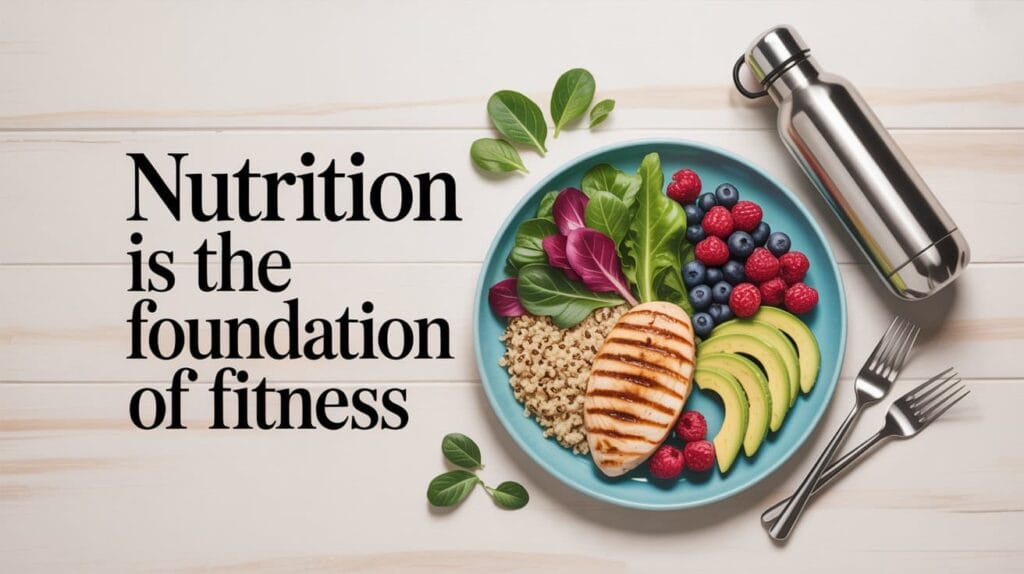
A balanced diet supports workouts, recovery, hormonal balance, and body composition. Key principles:
- Protein : Prioritize adequate protein to build and maintain lean mass (e.g., poultry, fish, legumes, dairy, tofu).
- Complex carbohydrates : Whole grains and starchy vegetables supply sustained energy for training.
- Healthy fats : Nuts, seeds, olive oil, and fatty fish support hormones and brain function.
- Micronutrients : Fruits and vegetables supply vitamins, minerals, and fiber crucial for recovery and immunity.
- Hydration : Aim for regular water intake; needs vary with activity and climate.
A recent review from Asia (Chen et al., 2025) reinforced that regular physical activity combined with balanced diet patterns lowers the incidence of type 2 diabetes and improves metabolic markers — a reminder that nutrition and movement work together. PMC
Quick Nutrition Table (Practical guide)
| Goal | Daily focus | Example foods |
|---|---|---|
| Muscle maintenance | Protein 1.2–1.6 g/kg/day (active women) | Chicken, fish, legumes, Greek yogurt |
| Energy for training | Complex carbs around workouts | Oats, quinoa, sweet potato |
| Hormone & brain support | Healthy fats | Avocado, olive oil, fatty fish |
| Recovery & immunity | Vitamins & minerals | Leafy greens, berries, citrus fruits |
| Hydration | Water, electrolytes if heavy sweat loss | 1.5–3 L/day (adjust) |
(Note: personalize with a registered dietitian, especially during pregnancy, lactation, or medical conditions.)
Strength Training: Non-Negotiable for a Toned Body
Resistance training builds lean mass and increases resting energy expenditure; it also protects bone health — crucial across the lifespan. Clinical and applied studies from Europe show that structured free-weight or resistance programs are safe and effective for middle-aged women, and that training adaptations can differ by menopausal status (hypertrophy more pronounced in premenopausal women; postmenopausal women may need higher volume). BioMed CentralSpringerLink
Practical resistance-training recipe:
- Frequency: 2–4 sessions/week
- Focus: Compound movements (squat, deadlift, push, pull) + single-joint work
- Sets/reps: 2–4 sets of 6–15 reps per exercise, adjusted by goals
- Progression: Gradually increase load or volume every 2–4 weeks
High-intensity interval training (HIIT) and mixed cardio sessions accelerate fat loss and improve cardiovascular fitness in time-efficient formats, which is ideal for busy women. Evidence shows even short “exercise snacks” during the day can improve muscle mass and metabolic outcomes. Frontiers
Flexibility, Mobility, and Recovery
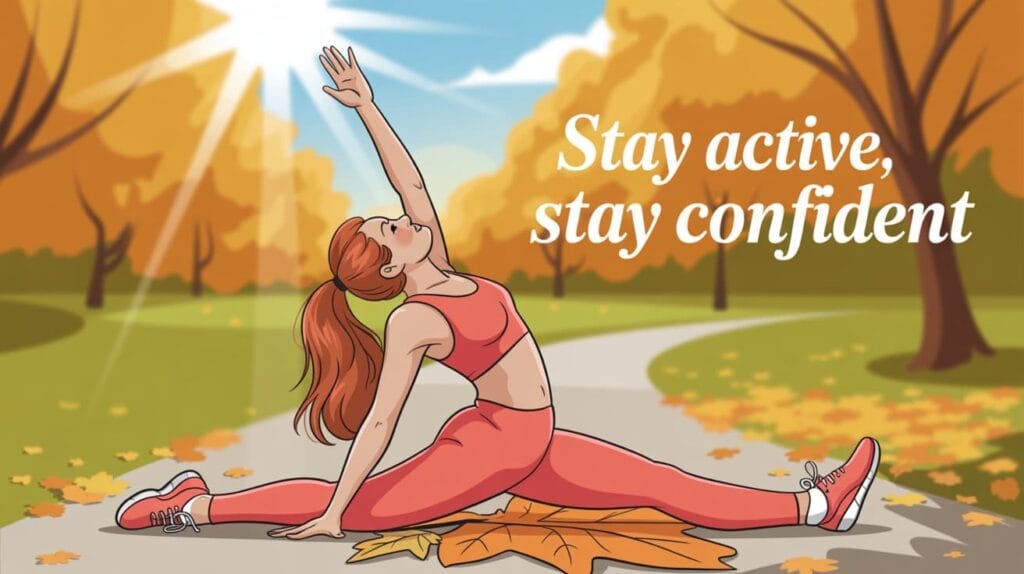
Flexibility (e.g., yoga, Pilates) improves posture and decreases injury risk while aiding stress management and sleep quality. Sleep remains a pillar of recovery; aim for 7–9 hours nightly to support muscle repair and hormonal balance. Harvard Health and public health guidance emphasize that sleep and recovery are essential complements to training. Harvard HealthOrganisation mondiale de la santé
Habit Design: Small Daily Wins
- Move daily: Build NEAT (non-exercise activity thermogenesis) by walking, stairs, and active commuting. Recent research shows step counts correlate with improved mortality and health outcomes — even moderate daily step totals are beneficial. The Lancet
- Prioritize protein at meals to support muscle protein synthesis.
- Schedule workouts like appointments — consistency beats perfection.
- Track progress with strength gains, energy levels, and functional markers, not just the scale. Behavioral science experts recommend celebrating micro-goals to sustain motivation.
Common Challenges & Solutions
| Challenge | Practical fix |
|---|---|
| Lack of time | 20–30 minute HIIT or resistance sessions; combine strength+cardio |
| Little motivation | Workout buddy, coach, or group classes; SMART goals |
| Plateaus | Vary program variables (load, reps, tempo); diet reassessment |
| Menopause-related changes | Increase protein, adjust training volume; consider medical advice |
European and American behavior-research work highlights that goal-setting, accountability, and small habit loops are more predictive of long-term adherence than short-term intensity spikes. British Journal of Sports MedicineJAMA Network
Figures & Suggested Graphs
- Weekly Activity Pyramid — Visual showing 150–300 min aerobic + 2× strength sessions + daily movement and sleep. (Data basis: WHO recommendations.) PMC
- Protein & Training Relationship Chart — Simple line graph illustrating how adequate protein intake combined with progressive resistance training preserves or increases lean mass (based on resistance training reviews and trials). BioMed CentralSpringerLink
(If you’d like, I can produce downloadable infographic files with these charts optimized for blog or social posting.)
Conclusion
A fit and toned body for women is an achievable, sustainable outcome when guided by sound nutrition, structured strength and cardio training, and consistent daily habits (sleep, hydration, movement). Recent international studies from Asia, Europe, and North America reinforce that the combination of regular physical activity and balanced diet reduces chronic disease risk and supports mental wellbeing. Tailor your program to your life stage and priorities — focus on strength, progressive overload, whole foods, and recovery — and approach fitness as a lifelong practice rather than a short-term fix.
Frequently Asked Questions (Short)
Q: How much strength training do I need?
A: At least 2 sessions per week for general health; 3–4 weekly sessions are ideal for faster body-composition changes. PMCBioMed Central
Q: Can women build large bulky muscles from lifting?
A: No — hormonal differences make extreme hypertrophy unlikely for most women unless training and nutrition are deliberately aimed at maximal mass gain. Resistance training primarily yields strength and tone. SpringerLink
Q: Are short workouts effective?
A: Yes — short high-quality sessions (e.g., 20–30 minutes HIIT or targeted resistance work) can deliver real gains when consistent. Frontiers
References & Further Reading
- World Health Organization. WHO Guidelines on Physical Activity and Sedentary Behaviour (2020). WHO / PubMed Central. PMC
- WHO. Nearly 1.8 billion adults at risk of disease from not doing enough physical activity (News release, 26 June 2024). Organisation mondiale de la santé
- Martinez-Gomez D., et al. Physical Activity and All-Cause Mortality by Age in 4 Cohorts (JAMA Network Open, 2024). JAMA Network
- Isenmann E., et al. Resistance training alters body composition in middle-aged women depending on menopause – A 20-week control trial (BMC Women’s Health, 2023). BioMed Central
- Harvard Health Publishing. Can you increase your metabolism? (2024). Harvard Health
- Paluch AE., et al. Daily steps and all-cause mortality: a meta-analysis (The Lancet Public Health, 2022). The Lancet
- Brandt T., et al. Resistance exercise snacks improve muscle mass in sedentary workers (Frontiers in Public Health, 2024). Frontiers
- Chen Y., et al. Association between physical activity and diabetes mellitus (2025). PMC
- Currier BS., et al. Network meta-analysis on resistance training prescriptions (British Journal of Sports Medicine, 2023). British Journal of Sports Medicine