نمط lbb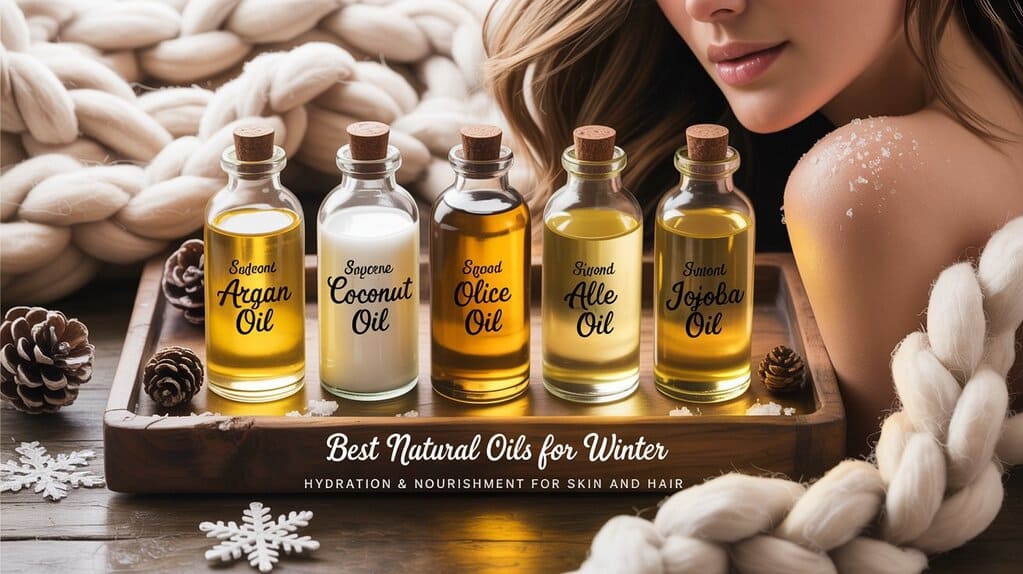
Key points
- Winter air strips skin and hair of moisture; using the right natural oils can restore the barrier and reduce water loss.
- Not all oils behave the same: some (like coconut oil) penetrate hair and reduce protein loss, while others (like olive oil) may damage the skin barrier in some people. PubMed+1
- Choose oils by skin type, comedogenicity, and intended use (daily moisturizer, overnight barrier, scalp treatment, hair pre-wash).
- Patch-test any new oil; look for cold-pressed, unrefined products and avoid additives if you want pure oil benefits.
- Several randomized and controlled studies show measurable benefits for specific oils on skin hydration, barrier function, and hair protein loss. PubMed+1
Introduction
Winter brings cozy layers and hot drinks — and also dry indoor heat, cold winds, and a big hit to our skin’s moisture. The low humidity common in winter increases transepidermal water loss (TEWL) and can leave skin flaky, tight, and prone to irritation. Hair likewise becomes brittle, static-prone, and dull. Natural plant oils have been used for centuries to protect, hydrate, and nourish skin and hair. But modern science shows that different oils work in different ways: some are excellent emollients, some penetrate and reduce protein loss in hair, and others help repair the lipid barrier. This article explains the best natural oils to use in winter, how they work, what the science says, and practical tips for safe, effective use. Throughout the text you’ll find SEO-friendly keywords in bold to make this content easy to find and translate.
Body
Why natural oils help in winter : mechanism in plain language
Natural oils work mainly by:
- Occlusion — forming a thin layer that slows water loss (e.g., mineral oils and heavier plant oils).
- Emollience — smoothing the skin’s surface and restoring suppleness.
- Barrier repair — supplying essential lipids (fatty acids) the skin needs to rebuild its protective layer.
- Penetration into hair — certain oils (notably coconut oil) penetrate the hair shaft and reduce protein loss. PubMed
Top natural oils for skin and hair — quick reference table
| Oil | Best for | Key properties | Evidence highlights |
|---|---|---|---|
| Coconut oil (virgin) | Dry skin, hair pre-wash/post-wash | Medium-chain fatty acids (lauric acid), penetrates hair, antimicrobial potential | RCTs show improved skin hydration and reduced AD severity; reduces hair protein loss. PubMed+2PubMed+2 |
| Jojoba oil | Sensitive/all skin types, scalp | Wax ester similar to human sebum, anti-inflammatory, non-comedogenic for many | Recent comprehensive review notes anti-inflammatory and skin-compatible properties. PMC |
| Argan oil | Aging/dry skin, hair shine | Rich in vitamin E and fatty acids, improves elasticity | Small clinical studies show improved skin biomechanical properties and hair conditioning. dovepress.com |
| Avocado oil | Very dry, wound-prone skin, hair mask | High oleic acid and vitamins A/E, promotes collagen in wounds | Studies show collagen synthesis and wound-healing benefits in models and formulations. PMC |
| Rosehip oil | Scars, photo-damage, dry skin | Rich in linoleic acid, vitamin A precursors; supports regeneration | Clinical formulations improved hydration and skin appearance in trials. MDPI+1 |
| Sunflower seed oil | Infant/adult dry skin (barrier-friendly) | High linoleic acid, supports ceramide synthesis | Shown to be gentle and barrier-supportive compared to olive oil. PubMed |
| Squalane (plant-derived) | All skin types (including acne-prone) | Lightweight, non-greasy emollient that mimics skin lipids | Widely recommended by dermatologists and formulators; stable derivative of squalene. Byrdie |
| Avoid (for routine winter face use): Olive oil | — | High oleic acid but can disrupt skin barrier in some | RCTs indicate topical olive oil can damage barrier and worsen TEWL. PubMed |
(Notes : “Best for” is a general guideline; individual reactions vary. Always patch-test.)
Deep dive : coconut oil — why dermatologists often recommend it (with nuance)
Virgin coconut oil is among the most-studied plant oils for skin and hair. Clinical trials have shown that when used as a topical moisturizer, virgin coconut oil can improve skin hydration and reduce xerosis (dry skin) signs, sometimes performing better than mineral oil comparators in controlled trials. In atopic dermatitis (AD), randomized studies have shown reductions in SCORAD (a standard severity score) and improvements in TEWL and skin capacitance after topical use. For hair, classic laboratory studies demonstrated that coconut oil — because of its medium-chain triglyceride composition — penetrates the hair shaft and reduces protein loss during washing and grooming, protecting hair structure. PubMed+2PubMed+2
Practical tip : Use virgin, cold-pressed coconut oil as a pre-wash treatment for hair (leave 15–60 minutes), or as a thin nightly layer on very dry skin. Avoid heavy application on oily/acne-prone facial skin.
Jojoba and squalane — lightweight barrier support
Jojoba oil is technically a liquid wax that closely resembles human sebum. This similarity allows it to sit comfortably on skin without feeling greasy, making it ideal for sensitive or acne-prone skin that still needs hydration. A comprehensive review summarizes jojoba’s antioxidant and anti-inflammatory actions, supporting its widespread cosmetic use. Squalane, a hydrogenated form of squalene derived from plants (olive, sugarcane), is another lightweight emollient that mimics skin lipids and helps reduce irritation when layered beneath creams or actives. These two are excellent winter daily options for those who dislike heavy oils. PMC+1
Argan, avocado, and rosehip — targeted benefits
- Argan oil : contains vitamin E and polyunsaturated fatty acids; small clinical studies report improvements in skin elasticity and hair conditioning when applied topically. Ideal for mature or dry skin needing antioxidant support. dovepress.com
- Avocado oil : rich in oleic acid and fat-soluble vitamins; lab and clinical formulations demonstrate wound-healing and collagen-stimulating properties — useful for very dry, chapped areas or as a rich hair mask. PMC
- Rosehip oil : high in linoleic acid and carotenoids; studies and reviews show benefits for hydration and skin renewal — helpful for winter skin that’s rough or has photo-damage. MDPI+1
What to avoid or be cautious with
The word “natural” doesn’t automatically mean “safe for everyone.” Notably, topical olive oil has been shown in clinical studies to disrupt the skin barrier and increase TEWL in adults when used repeatedly. That means it may be a poor choice as a daily facial moisturizer in winter — especially for people with eczema or sensitive skin. Sunflower seed oil, by contrast, has barrier-supportive properties due to its high linoleic acid content. PubMed
Practical winter routines (skin + hair)
- Face (dry to normal skin) : Cleanse gently; while skin is still damp, apply 2–3 drops of jojoba or squalane, then follow with a cream. For extra barrier repair at night, apply a thin layer of virgin coconut oil or rosehip oil to very dry patches.
- Face (oily/combination) : Avoid heavy coconut or avocado oil on the T-zone. Prefer squalane or light jojoba, and use occlusives (like a petrolatum-based balm) only on flakey spots.
- Body : After showering, while skin is damp, apply sunflower oil or light coconut oil to arms and legs; for very dry areas (elbows, heels), use avocado or argan oil or a richer balm.
- Hair : For protein protection and shine, use coconut oil as a pre-wash mask 30–60 minutes before shampooing. For conditioning and frizz control, apply a few drops of argan oil or jojoba to mid-lengths and ends after washing. PubMed+1
Safety and product quality
- Patch test any new oil on inner forearm for 24–48 hours.
- Prefer cold-pressed and unrefined oils for maximum phytochemical content.
- Beware of adulterated products; look for third-party testing or reputable brands.
- If you have a history of eczema, rosacea, or severe acne, consult a dermatologist before introducing active botanical oils.
Conclusion
Winter dryness can be managed effectively with thoughtfully chosen natural oils. The science supports certain oils — notably virgin coconut oil (for skin hydration and hair protein protection), jojoba and squalane (for lightweight and barrier-friendly daily use), and argan, avocado, and rosehip oils (for targeted nourishment and repair). Conversely, some widely used natural oils (for example, olive oil) may harm the skin barrier in some people and should be used cautiously. The best choice depends on skin type, application method, and product quality. Use oils as part of a routine (apply to damp skin, choose the right oil for your needs, patch-test) and you’ll beat winter dryness while keeping skin and hair glowing.
Short Action Plan (Winter-ready)
- Choose one light oil (jojoba/squalane) for daytime and one rich oil (coconut/avocado/argan) for night/weekend masks.
- Use oils on damp skin to lock in moisture.
- For hair, apply coconut oil as a pre-wash mask once weekly; use argan or jojoba as leave-in conditioners.
- Patch-test and track results for 2–4 weeks.
Bibliography / Selected Scientific References
- Agero ALC, Verallo-Rowell VM. “A randomized double-blind controlled trial comparing extra virgin coconut oil with mineral oil as a moisturizer for mild to moderate xerosis.” (Dermatitis / related randomized trials). PubMed+1
- Evangelista MTP et al. “The effect of topical virgin coconut oil on SCORAD index in pediatric atopic dermatitis” (randomized trial). PubMed
- Rele AS, Mohile RB. “Effect of mineral oil, sunflower oil, and coconut oil on hair protein loss.” Journal of Cosmetic Science (2003). — Demonstrated coconut oil’s ability to reduce hair protein loss. PubMed
- Danby SG et al. “Effect of olive and sunflower seed oil on the adult skin barrier.” British Journal of Dermatology (2013) — showed olive oil may damage the skin barrier while sunflower oil supports it. PubMed
- Gad HA et al. “Jojoba Oil: An Updated Comprehensive Review on Chemistry, Pharmaceutical Uses and Toxicity.” Pharmaceuticals / PMC review (2021). PMC
- Boucetta KQ et al. “Effect of dietary and/or cosmetic argan oil on postmenopausal skin” and related argan studies (clinical findings). dovepress.com
- de Oliveira AP et al. “Effect of Semisolid Formulation of Persea Americana (Avocado) on wound healing” — avocado oil supports collagen synthesis and healing. PMC
- Belkhelladi M. “Rosehip extract and wound healing: A review.” Journal of Cosmetic Dermatology (2024) and recent Rosehip clinical reports (2025). Wiley Online Library+1
- Squalane summaries and dermatologist guidance (review articles and expert commentary). Byrdie