نمط lbb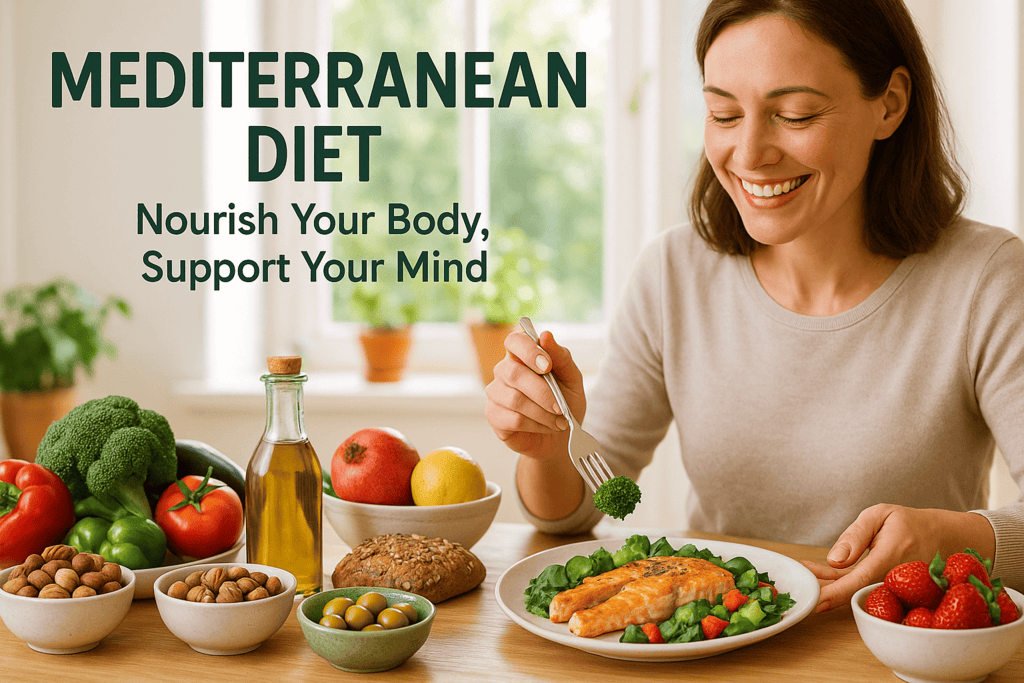
Introduction
What you eat does more than fuel your body — it helps shape your brain, your moods, and your resilience to stress. Over the last decade the field of nutritional psychiatry has produced growing evidence that diet quality is linked to anxiety, depression, cognition, and overall mental well-being. While nutrition is not a magic bullet that replaces psychotherapy or medication where those are needed, improving dietary patterns is an accessible, low-risk strategy that can support mental health across populations. In this article we summarize the science, explain plausible biological mechanisms, and give practical, evidence-based recommendations you can use today.
Key points
- Dietary improvement can reduce symptoms of depression in clinical and non-clinical populations. PMC
- Randomized trials (notably the SMILES trial) showed clinically meaningful benefits from structured dietary interventions for people with moderate-to-severe depression. PubMed
- Long-term observational studies associate Mediterranean-style diets and other healthy dietary indices with lower risk of developing depression. BioMed Central+1
- Biological pathways include inflammation, the gut-brain (microbiome) axis, neurotransmitter precursors (B-vitamins, tryptophan), and omega-3 fatty acids. Physiology Journals+1
- Small, sustained changes (more plants, whole grains, fish; fewer ultra-processed foods) are usually more realistic and effective than extreme diets.
The evidence : trials, meta-analyses, and large cohorts
Large systematic reviews and meta-analyses now conclude that dietary interventions hold promise as tools to reduce depressive symptoms. A 2019 meta-analysis of randomized controlled trials found a small but statistically significant effect of dietary improvement on depressive symptoms (overall effect size g ≈ 0.28). This analysis included diverse populations and control conditions, and supports the idea that changing diet can help mood at the group level. PMC
Beyond meta-analyses, the SMILES randomized controlled trial (2017) is a landmark study: adults with moderate-to-severe depression who received a structured dietary program (delivered by dietitians, focused on whole foods and Mediterranean-style eating) experienced significantly larger improvements in depressive symptoms than those receiving social support. The trial demonstrated that a carefully designed nutritional intervention can be clinically meaningful for people with diagnosed depression. PubMed
Observational and cohort studies also reinforce this picture. Several prospective cohort studies and pooled analyses report that higher adherence to healthful dietary patterns (especially Mediterranean-style diets rich in vegetables, fruit, legumes, whole grains, fish, and olive oil) is associated with lower incidence of depressive disorders over time. While observational research cannot prove causation, its consistency across Europe, North America, and Asia strengthens the case for diet-mental health links. BioMed Central+1
How food affects the brain : plausible mechanisms
Scientists propose multiple, complementary pathways that connect diet to mood and cognition:
- Inflammation. Diets high in refined sugars, ultra-processed foods, and trans fats tend to increase systemic inflammation; elevated inflammatory cytokines are associated with depressive symptoms. Anti-inflammatory dietary patterns (Mediterranean, plant-forward) may lower inflammation and improve mood.
- Gut-brain (microbiome) axis. Gut bacteria produce metabolites (short-chain fatty acids, neurotransmitter precursors) and signal the brain via the vagus nerve, immune system, and metabolic pathways. Disrupted microbiomes have been linked to depression in human and animal studies, and dietary fiber, fermented foods, and prebiotics can beneficially reshape the microbiome. Physiology Journals+1
- Neurotransmitter synthesis and nutrient cofactors. Key neurotransmitters (serotonin, dopamine, GABA) depend on dietary amino acids and on B-vitamins (B6, B9/folate, B12) and minerals (iron, zinc, magnesium) as cofactors. Poor diet can impair neurotransmitter production and brain function.
- Omega-3 fatty acids and membrane biology. Long-chain omega-3 fatty acids (EPA, DHA) affect neuronal membrane fluidity, receptor signalling, and anti-inflammatory pathways. Multiple meta-analyses report beneficial effects of omega-3 supplementation for depressive symptoms, particularly EPA-dominant formulations. PMC+1
- Metabolic health & brain energetics. Diets that worsen insulin resistance, dyslipidemia, or obesity increase risk for mood disorders; conversely, diets that improve metabolic markers can support cognitive and emotional resilience.
Practical table : nutrients, food sources, and mental-health roles
| Nutrient / Pattern | Food sources | Mental-health role |
|---|---|---|
| Mediterranean-style pattern | Vegetables, fruits, legumes, nuts, whole grains, fish, olive oil | Associated with lower depression risk, improved mood and quality of life. BioMed Central+1 |
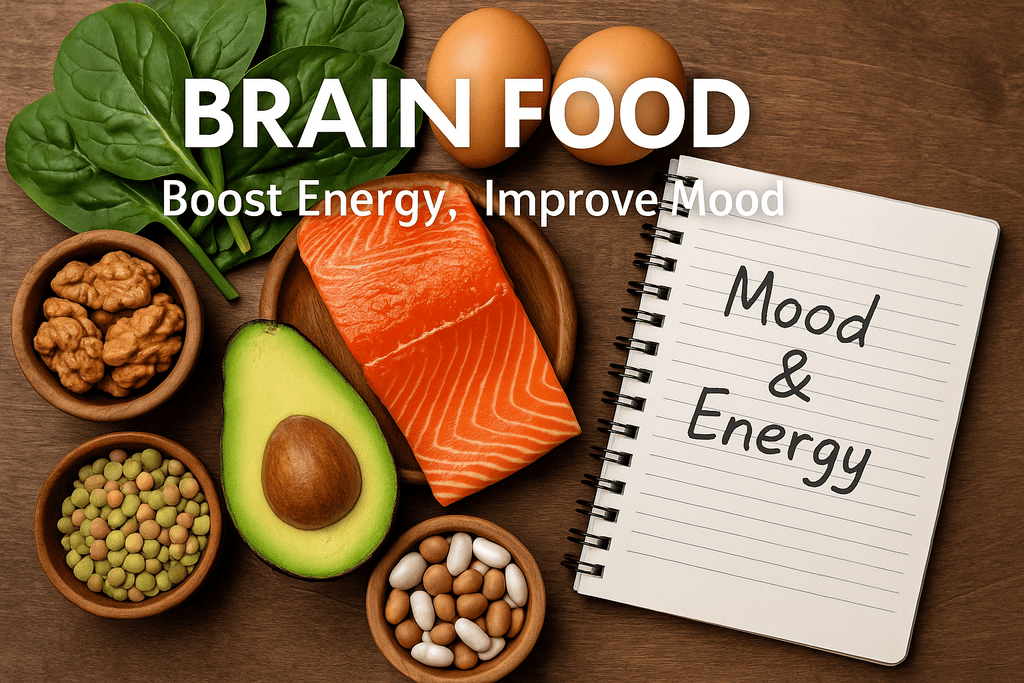
| Omega-3 (EPA/DHA) | Fatty fish (salmon, mackerel), algae, supplements | Supports anti-inflammatory pathways, membrane function; meta-analyses show benefit in depression. PMC |
| B-vitamins (B6, B9, B12) | Leafy greens, legumes, fortified cereals, lean meat | Cofactors for neurotransmitter synthesis; low levels linked to depressive symptoms. |
| Dietary fiber & fermented foods (pre/probiotics) | Whole grains, beans, yogurt, kimchi, kefir | Feed healthy microbiome; linked to improved gut–brain signalling. PMC |
| Ultra-processed foods (reduce) | Packaged snacks, sugary drinks, fast food | Associated with increased depression risk in observational studies. PubMed |
Translating evidence into action : realistic dietary steps to support mood
- Increase whole plant foods. Aim for a colorful plate: vegetables, fruit, legumes, and whole grains supply fiber, micronutrients, and polyphenols that support the microbiome and reduce inflammation.
- Choose quality fats. Replace processed seed oils and trans fats with extra-virgin olive oil, olives, nuts, and fatty fish rich in omega-3s.
- Limit ultra-processed foods and added sugars. These items are repeatedly associated with worse mood outcomes.
- Pay attention to B-vitamin status. Especially important for older adults and people following restrictive diets; discuss supplements with a clinician if levels are low.
- Consider structured dietary support when appropriate. For people with moderate-to-severe depression, supervised dietary programs delivered by trained dietitians (as in the SMILES trial) show promise beyond self-help changes. PubMed
Who benefits most — and what we still don’t know
Meta-analyses show small to moderate benefits of dietary interventions on depressive symptoms overall, with some evidence that effects can be larger in women and in those with poor baseline diet. PMC However, many open questions remain: Which specific diet components matter most? How long do benefits last? What is the optimal way to deliver dietary interventions (apps, group programs, one-on-one counselling)? Researchers are actively studying mechanisms (microbiome, inflammation) and are running larger, multi-site randomized trials to answer these questions. An umbrella review and recent clinical trials continue to strengthen the evidence base. Nature+1
Caveats and safety
- Diet is a complementary approach — people with clinical depression or anxiety should continue evidence-based psychiatric care (psychotherapy, medication) unless advised otherwise by their clinician.
- Supplements (omega-3s, B-vitamins, probiotics) can help for some people, but quality and dosing vary; consult a clinician before starting high-dose supplements, especially if pregnant, breastfeeding, or on blood thinners.
- Social determinants (poverty, food access), sleep, exercise, and chronic illness play large roles in mental health — dietary advice should be integrated into a holistic plan.
Conclusion
Nutrition is not a cure-all, but a growing body of high-quality research shows that what we eat matters for our minds. Randomized trials and meta-analyses suggest that shifting toward a whole-food, Mediterranean-style pattern — increasing plants, fiber, fish, and healthy fats while reducing ultra-processed foods and added sugars — can reduce depressive symptoms and support long-term mental resilience. Mechanistic research (inflammation, gut-brain signalling, neurotransmitter cofactor supply, omega-3 biology) helps explain these links and points to targeted strategies such as omega-3s, fiber, and micronutrient support. For many people, small, sustainable dietary changes combined with standard mental-health care offer a pragmatic path to feeling better — body and mind.
Selected recent studies & sources (key citations)
- Jacka FN et al., A randomized controlled trial of dietary improvement for adults with major depression (the SMILES trial), BMC Medicine, 2017. PubMed
- Firth J et al., The effects of dietary improvement on symptoms of depression and anxiety: a meta-analysis of randomized controlled trials, Psychosomatic Medicine, 2019. PMC
- Sánchez-Villegas A et al., Mediterranean dietary pattern and depression, BMC Medicine, 2013 (and follow-up PREDI-DEP work). BioMed Central+1
- Lassale C et al., Healthy dietary indices and risk of depressive outcomes: a systematic review and meta-analysis, Molecular Psychiatry, 2019. PubMed
- Cryan JF et al., The Microbiota–Gut–Brain Axis (review of mechanisms), Physiol Rev / multiple review articles (2018–2019). Physiology Journals
- Liao Y et al., Meta-analysis on omega-3 PUFAs and depression, 2019. PMC