نمط lbb
Introduction
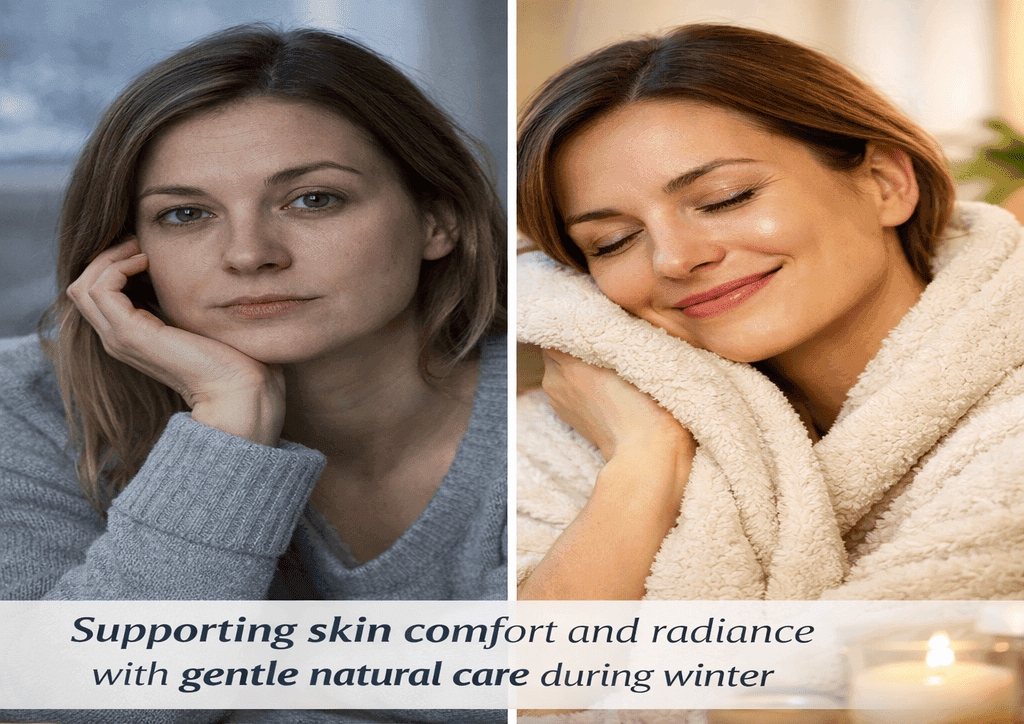
Cold weather and low indoor humidity are one of the most common causes of dull, flaky, and irritated skin. During winter months the skin’s natural barrier becomes stressed: transepidermal water loss (TEWL) increases, lipid production slows, and inflammation-prone skin often becomes redder and rougher. Protecting and restoring the skin barrier is therefore the first step to achieving a healthy, radiant complexion in cold weather. Scientific studies show that simple, natural ingredients—honey, aloe vera, colloidal oatmeal, certain plant oils and fermented dairy products—can safely support hydration, reduce inflammation, and gently exfoliate to reveal brighter skin. This article explains how to use natural face masks for winter radiance, provides practical DIY recipes, includes key research backing, and ends with a short bibliography of reputable clinical sources. PMC+1
Key Points
- Cold, dry air increases TEWL and impairs barrier function—target barrier repair first. Wiley Online Library
- Colloidal oatmeal and honey have clinically demonstrated anti-inflammatory and wound-healing properties and can soothe dry, irritated skin. PMC+1
- Aloe vera and low-molecular-weight hyaluronic acid help restore hydration; lactic-acid–containing ingredients (yogurt, kefir) offer mild, safe chemical exfoliation when used carefully. PMC
- For best results, use occlusion (apply a thin oil or balm after a hydrating mask) to lock in moisture. Dermatologists recommend balms/ointments in very cold conditions. Vogue
Why Cold Weather Makes Skin Look Dull (Short Science)
Multiple clinical and laboratory studies show that low ambient humidity and lower temperatures reduce skin barrier function and increase TEWL, which makes skin dry, scaly, and less luminous. Indoor heating compounds the problem by further lowering relative humidity. Repairing the lipid barrier (ceramides, fatty acids, cholesterol) and restoring surface hydration are essential for improving texture and radiance. PMC+1
Natural Ingredients With Scientific Support (What Works & Why)
1. Colloidal Oatmeal
- What it does : Anti-inflammatory, pH buffering, soothes itch, supports barrier recovery.
- Evidence : Randomized and clinical studies and mechanistic work demonstrate that colloidal oatmeal reduces inflammation and improves symptoms of dry, irritated skin and dermatitis. It also upregulates genes involved in epidermal differentiation. PMC+1
2. Honey (including Manuka / Medical-grade honey)
- What it does : Humectant (draws and holds moisture), antioxidant, antimicrobial, promotes repair.
- Evidence : Multiple reviews and clinical trials document honey’s ability to reduce inflammation and improve wound healing and tissue repair; research supports its topical benefit for damaged or compromised skin. Use raw or medical-grade honey for best and safest results. PMC+1
3. Aloe Vera
- What it does : Soothing, moisturizing, may support wound healing and collagen synthesis.
- Evidence : Systematic reviews and clinical trials show aloe vera’s efficacy for burns, wound healing, and improving superficial hydration; oral aloe sterol studies also show benefits for skin hydration (additive routes beyond topical). PMC+1
4. Oils & Butters (Avocado, Olive, Shea, Sweet Almond)
- What they do : Provide occlusion, replenish lipids and fatty acids, reduce TEWL.
- Notes : Not all oils are equally non-comedogenic—choose per skin type and patch-test first.
5. Dairy-derived Acids (Yogurt, Kefir – Lactic Acid)
- What they do : Gentle chemical exfoliation to remove dull surface cells and brighten tone.
- Notes : Use low concentrations and short contact times in winter; over-exfoliation worsens barrier damage.
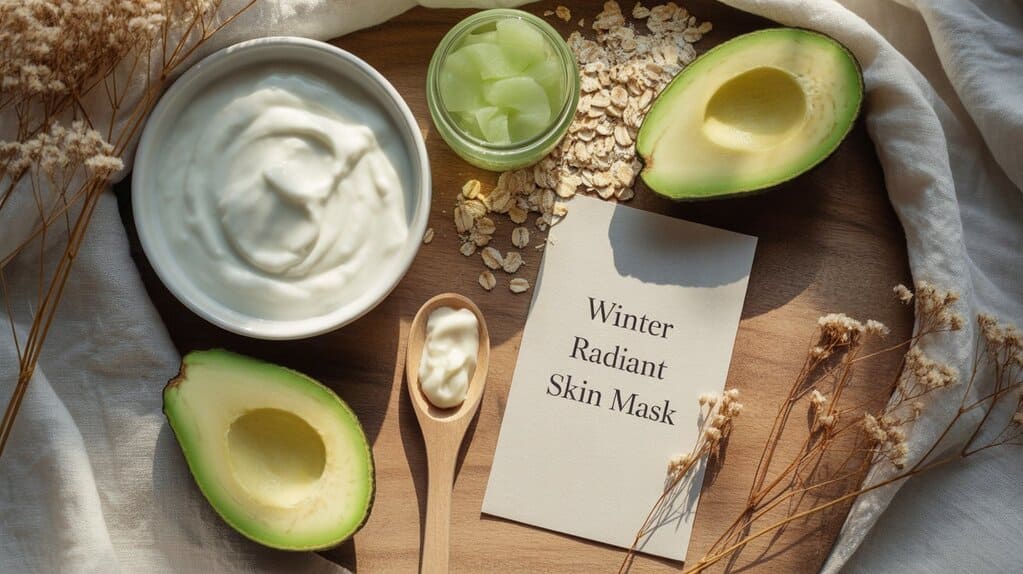
DIY Natural Face Masks — Recipes & How-To
General safety note : Patch-test any new natural product for 24 hours on the inner forearm. Avoid active exfoliants on broken skin. If skin is inflamed or you have eczema/psoriasis, consult a dermatologist before trying new treatments.
1) Soothing Oat + Honey Hydrating Mask (Best for dry, sensitive winter skin)
- 1 tablespoon colloidal oatmeal (finely ground oats)
- 1 tablespoon raw honey (or medical-grade honey)
- 1 teaspoon aloe vera gel (pure)
Mix into a paste, apply for 10–15 minutes, rinse with lukewarm water, pat dry. Follow with a thin facial oil or balm to occlude.
Why it works : Oat soothes inflammation, honey humectant + antimicrobial action, aloe adds hydration and calming factors. PMC+2PMC+2
2) Brightening Yogurt + Citrus Mask (Use cautiously — for normal to oily, non-sensitive skin)
- 1 tbsp plain yogurt (contains lactic acid)
- 1 tsp honey
- Zest or ½ tsp fresh orange juice (optional – small amount)
Apply 5–8 minutes max; rinse. Use no more than once weekly in winter.
Why: Mild chemical exfoliation (lactic acid) removes dull cells, plus honey for hydration. Avoid on sensitive or compromised skin.
3) Lipid-Replenishing Avocado + Shea Mask (Best overnight for very dry skin)
- ½ ripe avocado mashed
- ½ tsp shea butter (softened) or 1 tsp sweet almond oil
Apply a thin layer, leave 20–30 minutes or overnight under a towel barrier. Rinse or gently remove in the morning.
Why: Rich oils and butters provide occlusion and replenish fatty acids, reducing TEWL.
Practical Routine : How to Use Masks in a Winter Skincare Routine
- Cleanse gently with a mild, non-stripping cleanser (avoid long hot water).
- Apply a hydrating mask (recipes above) 1–3 times per week depending on dryness.
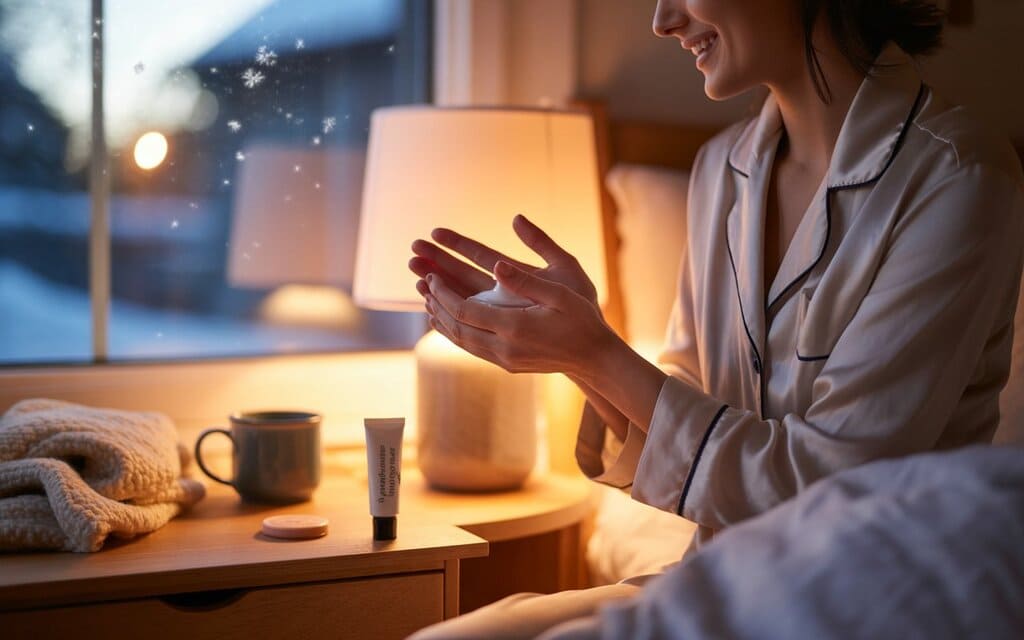
- While skin is still slightly damp, apply a humectant serum (e.g., hyaluronic acid) followed by an oil or balm to seal (occlusion). This layering helps trap moisture. Vogue
- Protect exposed skin outdoors with a scarf and choose sunscreen on bright winter days.
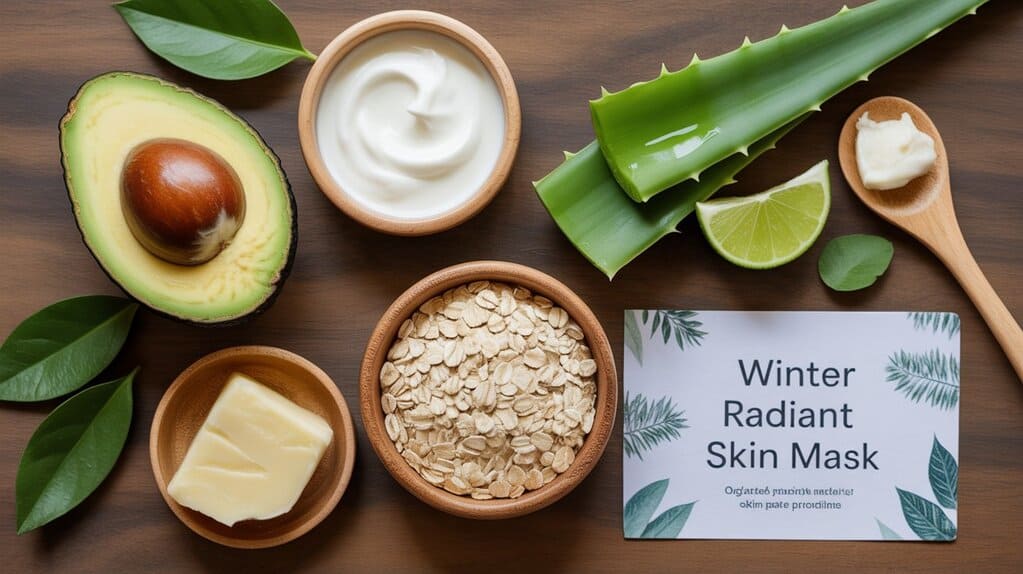
Quick Reference Table — Ingredients, Benefits & Winter Use
| Ingredient | Primary Benefit | Best for (Winter) | How to Use |
|---|---|---|---|
| Colloidal oatmeal | Anti-inflammatory, skin-soothing | Dry, sensitive, itchy skin | As mask (1 tbsp) or in creams; 10–15 min |
| Honey (raw/medical) | Humectant, antimicrobial, healing | Compromised/dry skin | Mask mixed with oats or aloe; 10–20 min |
| Aloe vera gel | Soothing, hydrating | Sensitive/dry skin | Mix into masks or apply directly; can be left longer |
| Avocado / shea / plant oils | Occlusion; lipid replenishment | Very dry skin | As a mask overnight or thin oil after hydration |
| Yogurt (lactic acid) | Gentle exfoliation | Dull, normal-oily skin | Short contact (5–8 min), once weekly |
(See cited clinical literature for efficacy of colloidal oatmeal, honey and aloe). PMC+2PMC+2
Recent Scientific Evidence & Leading Studies (Short Summary)
- Barrier and humidity studies: Multiple clinical and observational studies—across Asia and Europe—have shown low humidity and cold temperatures impair skin barrier function and increase TEWL, explaining why winter skin often looks dull and rough. PMC+1
- Colloidal oatmeal research: Clinical trials and mechanistic studies (US and international teams) demonstrate reduction in inflammatory markers and improvements in dryness and itch scores after colloidal oat application. PMC+1
- Honey and wound/skin repair: A strong clinical literature supports honey’s antimicrobial and wound-healing roles and growing dermatology interest in medical-grade honeys for skin repair. Recent reviews from Europe and Oceania summarize these benefits. PMC+1
- Aloe vera trials: Systematic reviews and randomized studies (Asia, Europe) show aloe vera’s positive effects on wound healing and hydration; some trials also suggest oral aloe sterols may improve skin moisture. PMC+1
Closing / Conclusion
Cold weather doesn’t have to mean dull, flaky skin. A strategy that focuses on restoring and protecting the skin barrier, delivering gentle hydration, and using mild exfoliation when appropriate will quickly improve skin texture and radiance. Natural face masks built from clinically supported ingredients—colloidal oatmeal, honey, aloe vera, nourishing oils and gentle lactic-acid sources like yogurt—are practical, affordable, and often effective when used correctly. Always patch-test, avoid over-exfoliation, and finish hydrating masks with an occlusive layer to lock in moisture. If dryness persists or you have an inflammatory skin condition (eczema or rosacea), consult a dermatologist for personalized care.
Bibliography & Selected References
- Park EH, et al. Effects of winter indoor environment on the skin. PMC. 2023. PMC
- Engebretsen KA, et al. The effect of environmental humidity and temperature on skin barrier function. J Eur Dermatol Venereol. 2016. Wiley Online Library
- Sobhan M, et al. The Efficacy of Colloidal Oatmeal Cream… PMC. 2020. PMC
- Reynertson KA, et al. Anti-inflammatory activities of colloidal oatmeal. PubMed. 2015. PubMed
- Yaghoobi R, et al. Evidence for Clinical Use of Honey in Wound Healing. PMC. 2013. PMC
- Angioi R, et al. The Rediscovery of Honey for Skin Repair. MDPI. 2021. MDPI
- Hekmatpou D, et al. The Effect of Aloe Vera Clinical Trials on Prevention and… PMC. 2019. PMC
- Zhu J, et al. Study on the application of Aloe vera in cosmetology and… ScienceDirect. 2024. ScienceDirect
- Vogue / dermatologist guidance on winter moisturizers and balms (practical recommendations). Vogue