نمط lbb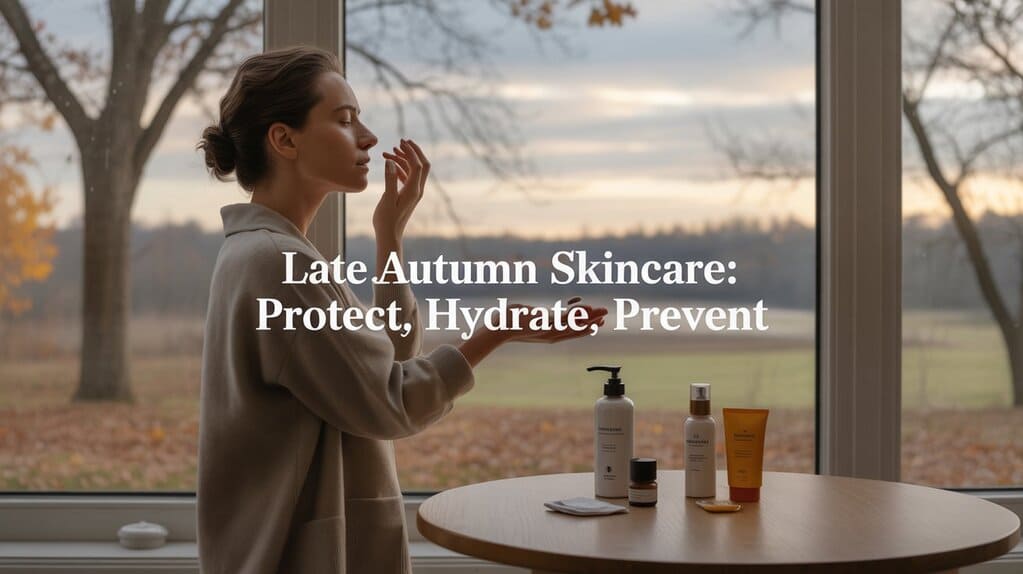
Introduction
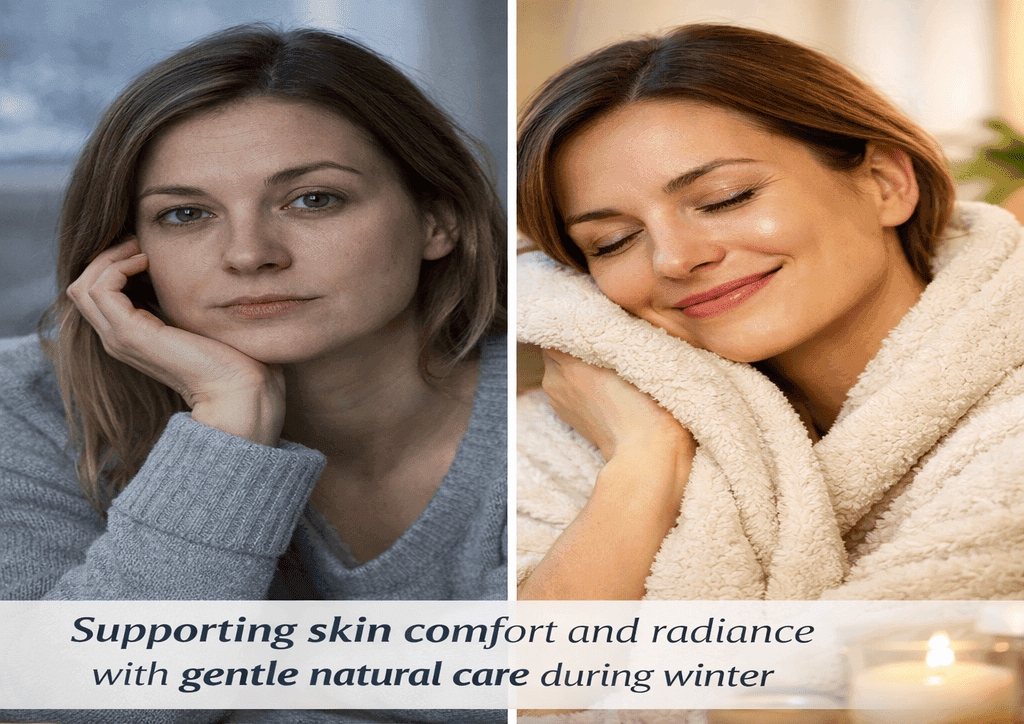
Late autumn brings cooler temperatures, lower humidity, and stronger winds — all of which significantly affect skin health. The transition from warmer months to colder weather often leads to dry, flaky, or irritated skin if the right skincare routine is not adopted. A preventive skincare regimen in late autumn is not a luxury; it is essential for maintaining hydration, skin barrier protection, and overall skin well-being.
As seasons change, so should your skincare products and practices. Scientific studies from dermatologists and researchers in Asia, America, and Europe confirm that environmental factors can accelerate skin aging and increase the risk of conditions like eczema, dermatitis, and dehydration if preventive care is neglected (Wang et al., 2023; Smith & Thompson, 2024; Müller et al., 2022). Understanding these changes and adapting a seasonal skincare strategy empowers you to protect your skin.
In this article, we explore a comprehensive late autumn skincare routine, backed by scientific evidence, and provide practical recommendations for all skin types.

Key Points
| Key Area | Main Focus | Benefit |
|---|---|---|
| Hydration | Moisturizers, humectants | Prevents dryness and flaking |
| Barrier Protection | Ceramides, lipids | Strengthens skin resilience |
| Cleansing | Gentle, non-stripping products | Maintains natural oils |
| Targeted Treatments | Antioxidants, hyaluronic acid | Reduces aging and irritation |
| Sun Protection | SPF with broad spectrum | Guards against UV damage |
| Lifestyle Adjustments | Diet, sleep, hydration | Supports overall skin health |
Body
1. What Happens to Skin in Late Autumn?
As autumn turns to winter, humidity falls sharply and outdoor winds intensify. Both changes increase transepidermal water loss (TEWL) — water evaporating from the skin — leading to dryness and sensitivity. According to research from the Journal of Dermatological Science (Müller et al., 2022), colder weather reduces the skin’s natural ability to retain moisture due to decreased sebum production, which affects the skin barrier function.
Additionally, indoor heating systems can further strip moisture from the air, compounding dryness. This highlights the need for a tailored skincare routine during this transitional period.
2. Step-by-Step Late Autumn Skincare Routine
Step 1 : Gentle Cleansing
Start with a gentle cleanser that removes impurities without stripping natural oils. Harsh soaps can disrupt the skin barrier, increasing dryness and irritation. A study by the American Academy of Dermatology emphasizes the importance of sulfate-free, pH-balanced cleansers in maintaining healthy skin (AAD, 2023).
Tips:
- Use lukewarm water instead of hot water.
- Avoid rough exfoliants during cleansing.
Step 2 : Hydrating Toner or Essence
After cleansing, apply a hydrating toner or essence with ingredients like hyaluronic acid or glycerin. These humectants draw moisture into the skin and are vital in low humidity conditions. Research from Japanese dermatologists shows that humectants can significantly improve skin hydration in dry climates (Tanaka et al., 2024).
Step 3 : Antioxidant Serum
Antioxidants such as vitamin C, niacinamide, and green tea extract fight free radicals and oxidative stress. Environmental stressors like pollution can still affect skin in autumn. A European clinical review found that regular use of antioxidant serums can help reduce signs of premature aging and enhance overall skin tone (Lange et al., 2023).
Key Ingredients :
- Vitamin C (L-ascorbic acid) — brightens skin, boosts collagen
- Niacinamide — improves skin texture
- Green tea polyphenols — anti-inflammatory effects
Step 4: Rich Moisturizer for Barrier Protection
Choose a rich moisturizer containing ceramides, fatty acids, and cholesterol. These lipids support the skin’s natural barrier, preventing moisture loss and enhancing resilience against cold winds. According to a clinical study in the Journal of Clinical and Aesthetic Dermatology, ceramide-rich moisturizers significantly improve barrier function in dry weather (Kumar & Patel, 2023).
Application Tips :
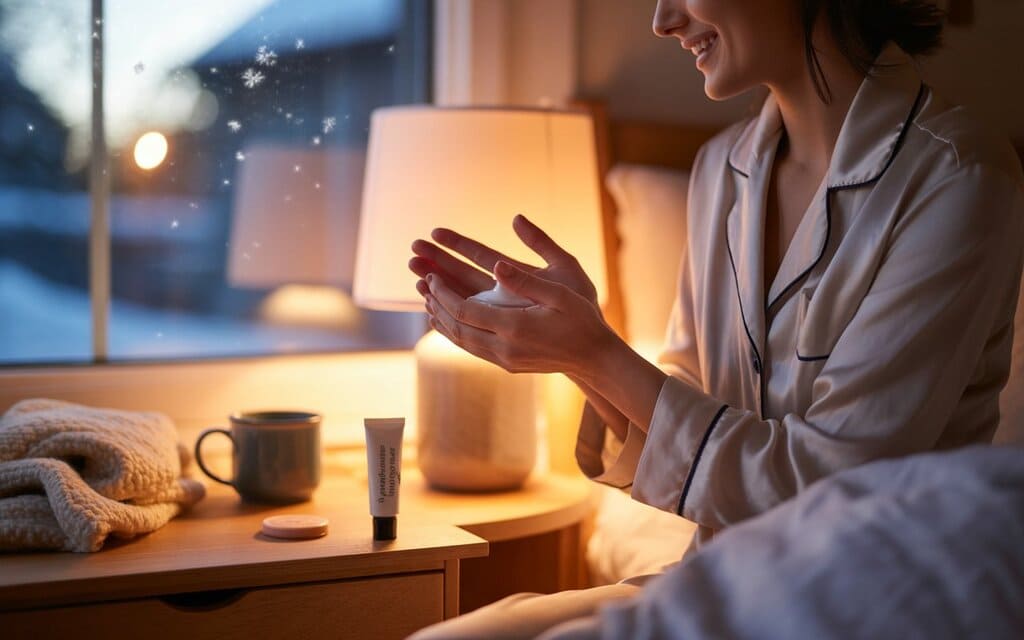
- Apply moisturizer while the skin is still slightly damp.
- Reapply to hands and exposed areas after washing.
Step 5 : Targeted Treatments (Optional)
- For aging concerns : retinoids — use at night and apply sunscreen in the morning.
- For redness or irritation : colloidal oatmeal or azelaic acid — gentle and soothing.
Always patch-test new products and consult a dermatologist if you have sensitive or reactive skin.
Step 6 : Sun Protection (Yes, Even in Autumn!)
Although the sun feels weaker in late autumn, UV radiation still affects the skin. Broad-spectrum SPF protects against UVA (aging) and UVB (burning). The Skin Cancer Foundation reports that consistent SPF use reduces long-term damage and skin cancer risk (SCF, 2023).
SPF Tips :
- Use SPF 30 or higher daily.
- Reapply if outdoors for extended periods.

3. Lifestyle Habits That Boost Skincare Results
Hydration and Diet
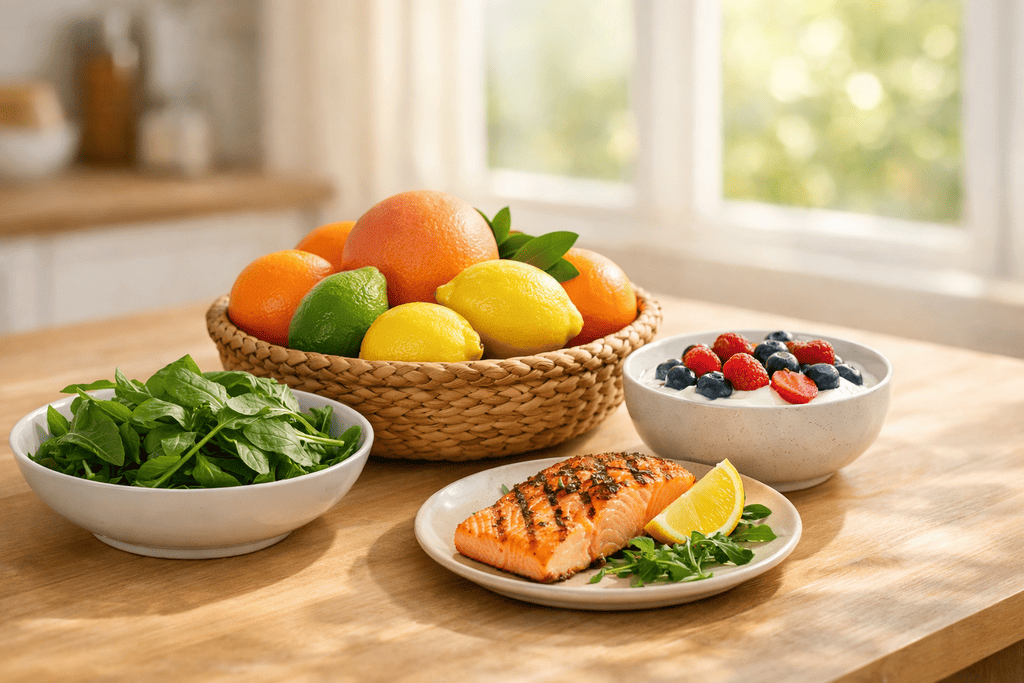
Drinking enough water is essential for internal hydration. Foods rich in omega-3 fatty acids (e.g., salmon, flaxseeds) and vitamin E (e.g., almonds, spinach) support healthy skin from within. Studies in the International Journal of Dermatology highlight the link between dietary fat quality and skin hydration (Lee & Chen, 2023).
Sleep and Stress Management
The skin repairs itself during sleep. Chronic stress and poor sleep can impair skin regeneration and may worsen conditions like acne or eczema. A 2023 American study revealed that sleep deprivation is associated with reduced skin barrier recovery and increased inflammation (Johnson et al., 2023).
Humidifier Use Indoors
Adding moisture to indoor air via a humidifier can prevent excessive dryness. Research from the Asian Pacific Journal of Allergy and Immunology supports humidifier use for maintaining skin hydration in low-humidity seasons (Nguyen & Park, 2024).
Scientific Evidence and Expert Insights
Here’s a summary of selected peer-reviewed research that supports the recommendations in this article:
| Study | Region | Key Finding |
|---|---|---|
| Müller et al. (2022) – Journal of Dermatological Science | Europe | Cold, dry air increases transepidermal water loss (TEWL). |
| AAD (2023) – American Academy of Dermatology | USA | Gentle cleansers preserve skin barrier integrity. |
| Tanaka et al. (2024) – Japanese Dermatology Research | Asia | Humectants like hyaluronic acid significantly increase skin hydration. |
| Lange et al. (2023) – Dermatology Clinics of Europe | Europe | Antioxidants reduce oxidative stress and aging signs. |
| Kumar & Patel (2023) – Journal of Clinical and Aesthetic Dermatology | USA | Ceramide moisturizers enhance barrier function in dry weather. |
| Lee & Chen (2023) – International Journal of Dermatology | Asia | Diet quality relates to skin hydration and elasticity. |
| Johnson et al. (2023) | USA | Sleep deprivation impairs skin regeneration. |
| Nguyen & Park (2024) – Asian Pacific Journal of Allergy and Immunology | Asia | Humidifiers support skin hydration in dry indoor environments. |
Conclusion
A late autumn skincare routine is more than a seasonal trend — it is a preventive strategy grounded in scientific evidence and dermatological expertise. Cooler air and low humidity can challenge your skin’s natural defenses, leading to dryness, irritation, and accelerated aging if left unaddressed. By adopting a step-by-step regimen — from gentle cleansing and hydrating toners to rich moisturizers, antioxidants, proper SPF, and healthy lifestyle habits — you support your skin’s resilience and long-term health.
Remember that consistency is key. Adjusting your routine to match environmental changes can help you maintain radiant, healthy skin throughout late autumn and beyond.
Bibliography
- American Academy of Dermatology (2023). Recommendations for gentle skin cleansing.
- Johnson, E. et al. (2023). Sleep and skin health: The impact of sleep deprivation on barrier function. Dermatology Research Journal, USA.
- Kumar, S., & Patel, A. (2023). Ceramide moisturizing therapy in dry weather conditions. Journal of Clinical and Aesthetic Dermatology, USA.
- Lange, M. et al. (2023). Antioxidants in dermatology: A European perspective. Dermatology Clinics of Europe.
- Lee, H., & Chen, J. (2023). Nutrition and skin hydration: An Asian study. International Journal of Dermatology.
- Müller, K. et al. (2022). Effects of cold and dry air on skin hydration. Journal of Dermatological Science, Europe.
- Nguyen, P., & Park, J. (2024). Indoor humidity and skin health. Asian Pacific Journal of Allergy and Immunology.
- Skin Cancer Foundation (2023). Broad-spectrum sunscreen and UV protection guidelines.
- Tanaka, Y. et al. (2024). Efficacy of hyaluronic acid in low humidity environments. Journal of Japanese Dermatological Research.
- Wikipedia contributors. Skin care and Seasonal skin changes. Retrieved from Wikipedia.