نمط lbb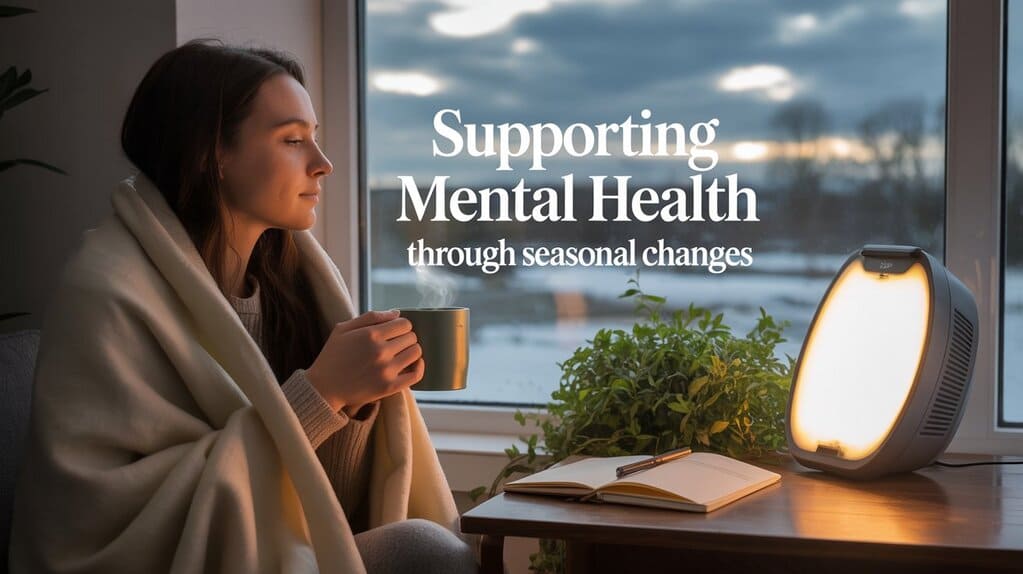
Introduction
Weather and seasonal changes affect many people’s mood, energy, sleep, and daily functioning. For some, these fluctuations are mild “winter blues”; for others they are a recurrent clinical problem such as seasonal affective disorder (SAD). In addition to seasonal cycles, sudden weather events (heatwaves, storms) and longer-term climate changes can increase stress, anxiety, and depression in vulnerable groups. This guide explains why weather influences mood, summarizes evidence-based strategies to protect mental health, and offers practical, SEO-friendly tips you can apply immediately. Keywords: seasonal affective disorder, weather and mood, bright light therapy, CBT for SAD, exercise for mental health, climate and mental health.
Why weather affects mood — the science in brief
A growing literature links daylight, temperature, and extreme weather exposure to changes in mood, sleep, and psychiatric risk. Reduced daylight affects circadian rhythms and melatonin/serotonin regulation, which can produce lethargy, low mood, carbohydrate cravings, and oversleeping—classic winter-pattern SAD symptoms. Conversely, heatwaves and extreme temperatures are associated with increased irritability, aggression, anxiety, and higher rates of emergency psychiatric presentations. Public-health reviews and systematic analyses describe consistent associations between ambient temperature and mental-health outcomes, especially among older adults and people with pre-existing conditions. Wikipédia+1
Key evidence-based strategies (summary)
- Bright light therapy (BLT) — effective first-line treatment for many with winter-pattern SAD; meta-analyses show meaningful symptom reduction. PubMed
- Cognitive-behavioural therapy (CBT) tailored to SAD — helps change seasonal beliefs and coping behaviors and shows durable benefits in trials. ResearchGate
- Regular physical activity — reduces depressive symptoms and improves resilience to seasonal and weather-related mood dips. BMJ
- Public-health and policy responses — climate-related mental health risks are recognized by WHO; planning and services must adapt. Organisation mondiale de la santé
Body
1) Practical daily routines to stabilize mood
Consistency in daily routines helps anchor circadian rhythms and improves mood stability during weather-driven fluctuations.
- Morning light exposure : Spend 20–30 minutes outdoors in the morning or sit near a bright window after waking. If outdoor light is scarce, consider a bright light therapy box (10,000 lux at about 30–60 cm) used for 20–30 minutes daily. This helps reset the circadian clock and reduces depressive symptoms in many people with winter-pattern SAD. PubMed
- Sleep regularity : Keep consistent bed and wake times (±30 minutes), avoid late-night bright screens, and adopt a wind-down routine (reading, warm shower).
- Meal and activity timing : Regular meals and daytime physical activity help reinforce circadian timing and reduce carbohydrate cravings and fatigue.
SEO phrases to sprinkle throughout content: morning light exposure, consistent sleep schedule, light therapy box, anti-winter blues routine.
2) Treatments with the best evidence
Describe the interventions someone should consider, and when to seek professional support.
Bright light therapy (BLT)
- What : Daily use of a medically appropriate lightbox that simulates daylight.
- Why: Multiple meta-analyses and systematic reviews support BLT for winter SAD and for improving vitality in subsyndromal seasonal mood changes. Typical effect sizes are clinically significant, although study heterogeneity exists. Use under clinician guidance if you have bipolar disorder or an eye condition. PubMed+1
Cognitive-behavioural therapy for SAD (CBT-SAD)
- What : A CBT program tailored to seasonal triggers and maladaptive beliefs about seasons (e.g., “I will always feel worse in winter”).
- Why : RCTs show CBT-SAD produces durable improvements that can match or exceed BLT at longer follow-up, and it equips people with relapse-prevention tools. ResearchGate+1
Exercise and movement
- What : Regular aerobic or resistance activity (any increase helps).
- Why : Systematic reviews demonstrate exercise reduces depressive symptoms across populations and can be protective during seasonal low-mood periods. Even modest, regular movement outdoors (walking, cycling) provides light exposure plus exercise benefits. BMJ+1
Medication and supplements
- Antidepressants (e.g., bupropion) may be used preventively in recurrent SAD; vitamin D supplementation shows mixed evidence—discuss with your clinician.
3) Coping with temperature extremes and weather-driven stress
Climate- and weather-related events can worsen anxiety and trauma-related responses.
- Heatwaves : Stay hydrated, cool, sleep in a ventilated room, and check on vulnerable people (older adults, those taking psychotropic meds that impair thermoregulation). Extreme heat correlates with increased psychiatric emergencies and agitation. The Lancet
- Storms/flooding : Prioritize safety, maintain social contact, and access local mental-health resources; anticipate grief and stress reactions even if physical losses are limited.
- Longer-term climate worry : For constant anxiety about climate change (“eco-anxiety”), practical engagement—community resilience projects or advocacy—plus therapy can reduce helplessness.
4) Social, workplace, and system-level supports
Individual strategies are essential but work best alongside social and systemic supports.
- Employers can promote flexible schedules for daylight exposure and encourage physical activity breaks.
- Schools and community centers can offer seasonal wellbeing programs (morning light rooms, outdoor classes).
- Health systems should include seasonal screening and scaled-up mental-health support during known high-risk periods; the World Health Organization recommends integrating climate considerations into mental-health planning. Organisation mondiale de la santé
Quick reference — Key points
- Recognize symptoms: low energy, oversleeping, carbohydrate cravings, social withdrawal (winter-pattern); irritability, anxiety, insomnia (heat/summer-pattern). Wikipédia
- Start simple : morning outdoor time + daily activity + sleep regularity.
- Evidence-based : bright light therapy and CBT-SAD are proven tools; exercise is a robust, low-cost adjunct. PubMed+2ResearchGate+2
- Seek help : if symptoms impair daily life or include suicidal thinking, contact a clinician or emergency services.

Table — Practical daily plan (example)
| Time of day | Action | Benefit |
|---|---|---|
| Morning (07:00–09:00) | 20–30 min outdoor walk or sit by window / BLT session | Light exposure, circadian entrainment |
| Midday | 30–45 min physical activity (walk, class) | Mood boost, social contact |
| Afternoon | Light snack; avoid late large meals | Stabilizes energy, supports sleep |
| Evening (before bed) | Wind-down routine; screens off 1 hour before sleep | Improved sleep quality |
| During heatwaves | Hydrate; cool room; limit outdoor exertion midday | Reduce heat stress and irritability |
Illustrative case (brief)
Maria, age 34, notices each October she becomes fatigued, sleeps more, and loses interest in hobbies. She starts a morning 20-minute walk, adds a 30-minute lightbox session, and joins a CBT group tailored for SAD. Over two winters her depressive episodes become shorter and milder. This combination—behavioral activation + BLT + CBT—reflects evidence-based multimodal care. PubMed+1
Conclusion
Weather and seasonal shifts influence mental health through biological (circadian, neurotransmitter) and social channels. Evidence supports a layered approach: daily routines that prioritize morning light and sleep regularity; bright light therapy and CBT-SAD for persistent seasonal depression; regular physical activity; and system-level planning for climate-driven mental-health risks. Small, consistent actions (morning light, a daily walk, a set bedtime) make a big difference over time. If symptoms are severe or persistent, consult a mental-health professional—early treatment improves outcomes.
Selected bibliography & reputable sources
- Pjrek E., et al. The Efficacy of Light Therapy in the Treatment of Seasonal Affective Disorder (meta-analysis). PubMed. PubMed
- Thompson R., et al. Ambient temperature and mental health : a systematic review and meta-analysis. The Lancet Planetary Health (2023). The Lancet
- Noetel M., et al. Effect of exercise for depression : systematic review and meta-analysis. BMJ (2024). BMJ
- Rohan KJ., et al. Cognitive behavioural therapy for seasonal affective disorder — trial protocols and follow-ups. (2022–2025 RCT literature). PMC+1
- World Health Organization. Mental health and Climate Change : Policy Brief. (2022). Organisation mondiale de la santé
- Wikipedia. Seasonal affective disorder. (overview and diagnostic context). Wikipédia