نمط lbb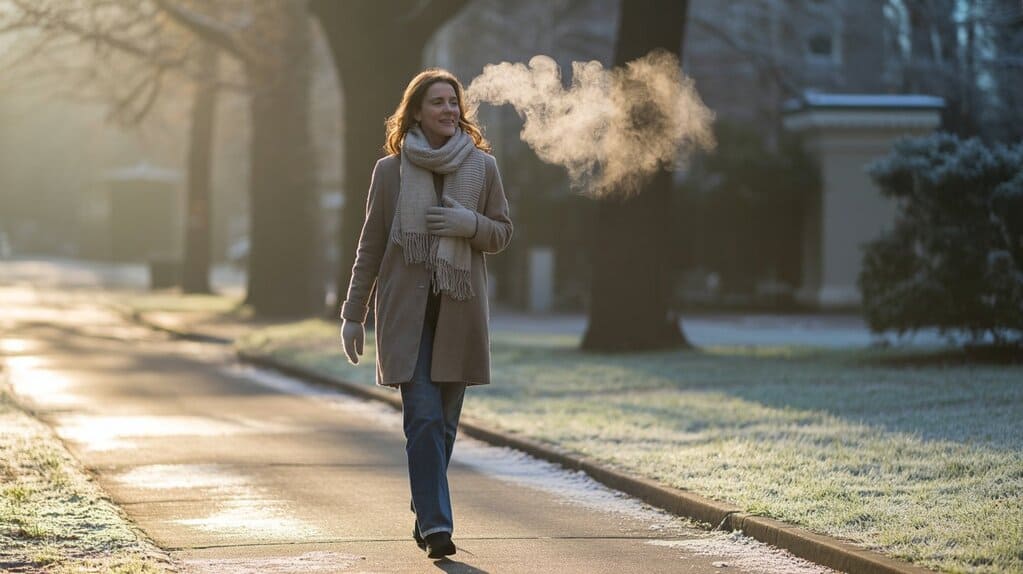
Brief Description
Adapting to a cold weather lifestyle is not just about wearing thicker clothes—it is a holistic process that involves physical preparation, mental resilience, nutrition adjustments, daily habit changes, and preventive health practices. This article provides general, evidence-based lifestyle guidance to help individuals transition smoothly into colder seasons while maintaining overall well-being, comfort, and productivity.
Introduction
Cold weather significantly influences how the body functions, how we move, what we eat, and even how we feel emotionally. Sudden exposure to low temperatures without preparation can lead to fatigue, reduced immunity, dry skin, sleep disturbances, and low mood. However, when approached gradually and mindfully, cold seasons can become a time of renewed balance and strength rather than discomfort.
Health and lifestyle experts consistently emphasize that gradual adaptation, rather than abrupt changes, is the healthiest approach. This article explores practical, non-medical strategies to help you adjust your lifestyle step by step—supporting your body and mind as temperatures drop.
Why Gradual Adaptation to Cold Weather Matters
The human body naturally works to maintain a stable internal temperature. Sudden environmental changes place stress on this system, potentially leading to:
- Increased susceptibility to seasonal illnesses
- Circulatory strain
- Joint stiffness and muscle tension
- Mood changes linked to reduced daylight
Gradual lifestyle adjustments allow your body to respond efficiently without unnecessary stress.
Preparing Your Body for Cold Weather
Strengthening Natural Temperature Regulation
Your body adapts better to cold when exposed progressively. Experts recommend:
- Spending short periods outdoors daily instead of avoiding the cold completely
- Avoiding overheating indoor environments
- Wearing breathable layers rather than one heavy garment
Key benefit : Improved circulation and enhanced tolerance to temperature changes.
Supporting the Immune System Naturally
Cold seasons coincide with increased exposure to viruses, but cold itself does not cause illness. Support your immune system by:
- Maintaining consistent sleep schedules
- Prioritizing hydration, even when thirst decreases
- Including nutrient-rich foods daily
Consistency, not supplements alone, is the foundation of immune resilience.
Nutrition Adjustments for Cold Weather Living
Eating for Warmth and Energy
In colder months, the body requires slightly more energy to maintain warmth. Trusted nutrition guidance suggests:
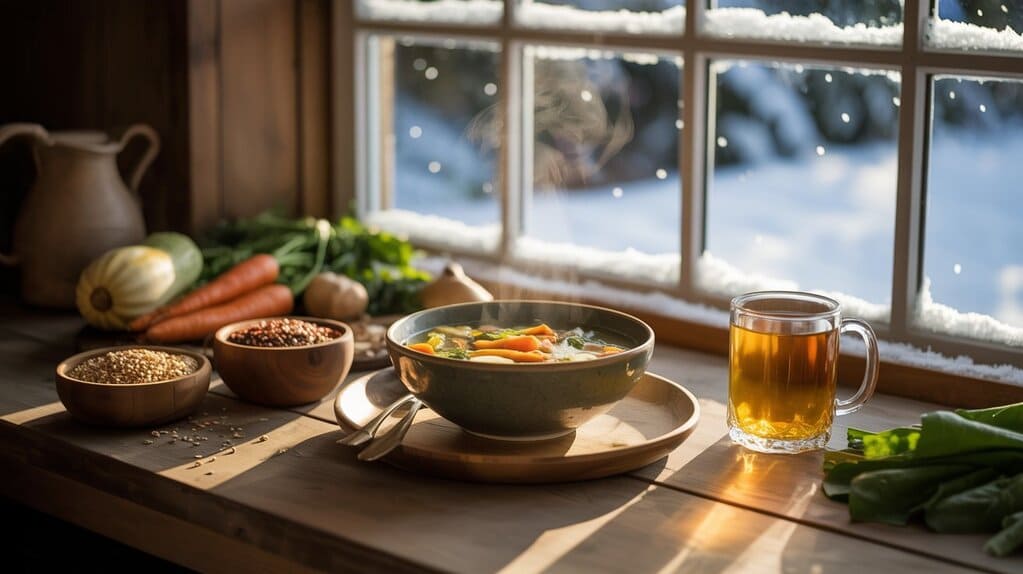
- Choosing warm, cooked meals over cold foods
- Including complex carbohydrates for sustained energy
- Adding healthy fats to support cellular warmth
Examples include soups, stews, whole grains, legumes, and seasonal vegetables.
Hydration in Cold Climates
A common cold-weather mistake is reduced fluid intake. Dry indoor heating increases water loss through the skin and breath.
Smart hydration tips:
- Drink warm herbal infusions
- Include water-rich foods like vegetables and fruits
- Keep a water bottle visible as a reminder
Table 1 : Nutritional Focus by Cold Weather Need
| Body Need | Recommended Food Types | Lifestyle Benefit |
|---|---|---|
| Warmth | Whole grains, soups | Stable body temperature |
| Energy | Legumes, root vegetables | Sustained vitality |
| Immunity | Seasonal produce | Natural defense support |
| Hydration | Herbal teas, broths | Skin & respiratory comfort |
Clothing and Physical Comfort Strategies
Mastering the Layering Principle
Health experts consistently recommend layering as the most effective cold-weather clothing strategy:
- Base layer : Moisture-wicking fabrics
- Middle layer : Insulation (wool, fleece)
- Outer layer : Wind and weather protection
This method allows flexibility and prevents overheating indoors.
Protecting Vulnerable Body Areas
Certain areas lose heat faster, including:
- Hands
- Feet
- Ears
- Neck
Covering these areas reduces overall heat loss and improves comfort.
Physical Activity in Cold Weather
Staying Active Without Overexertion
Movement remains essential in winter, but intensity should be adjusted:
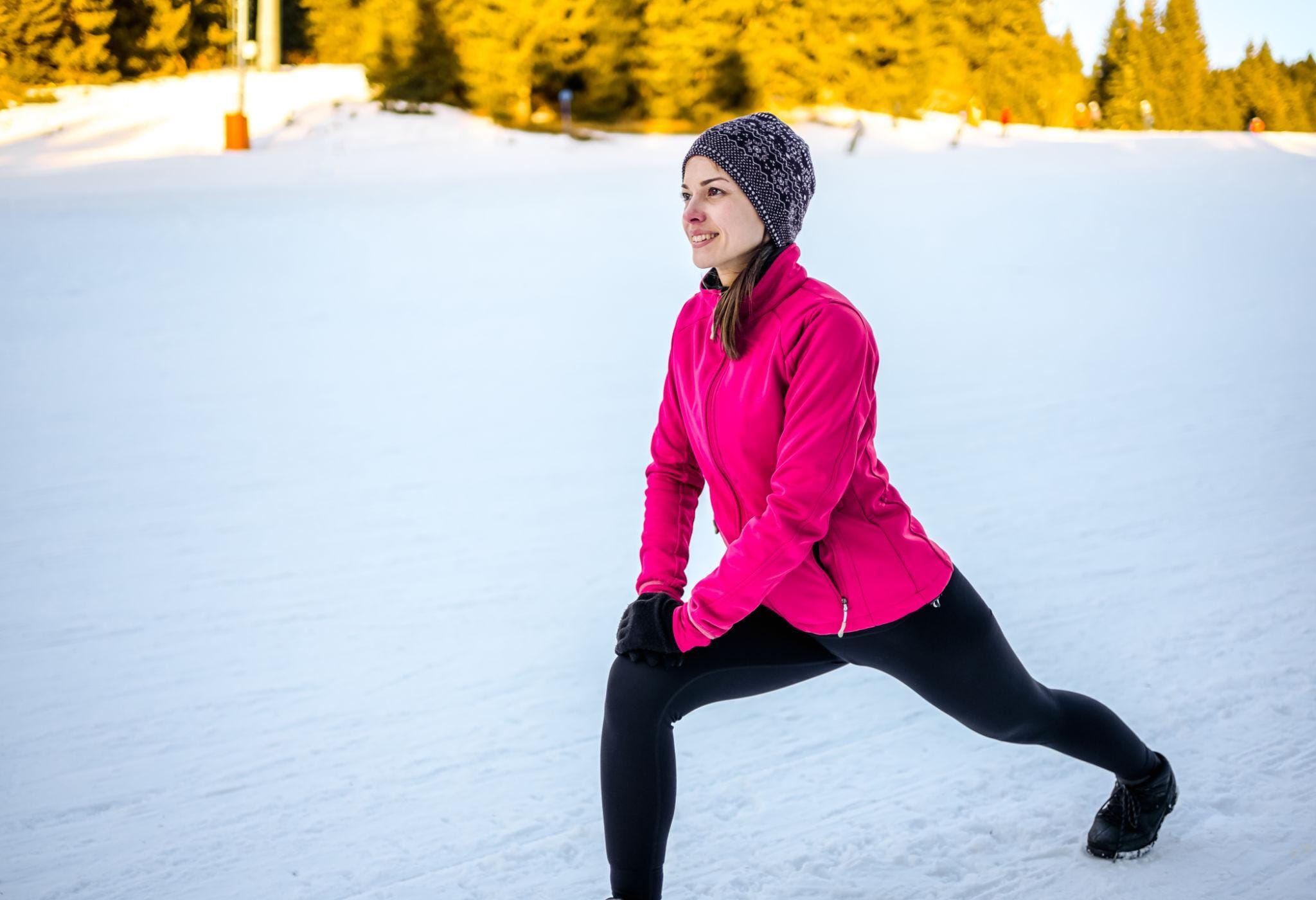
- Opt for short, frequent activity sessions
- Warm up indoors before outdoor exercise
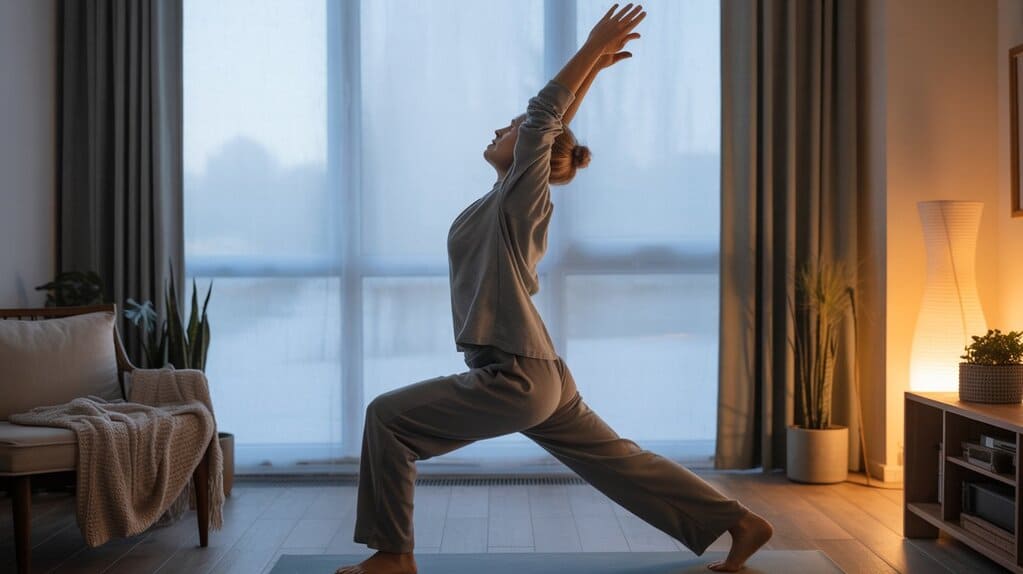
- Stretch gently to maintain joint flexibility
Regular movement supports circulation, mood stability, and metabolism.
Table 2 : Cold-Weather Physical Activity Guide
| Activity Type | Ideal Duration | Benefit |
|---|---|---|
| Indoor stretching | 10–15 minutes | Joint mobility |
| Brisk walking | 20–30 minutes | Circulation |
| Light strength exercises | 15–20 minutes | Muscle support |
Mental and Emotional Adaptation
Adjusting to Reduced Daylight
Shorter days can influence mood and motivation. Lifestyle experts advise:
- Exposing yourself to natural daylight early
- Maintaining structured daily routines
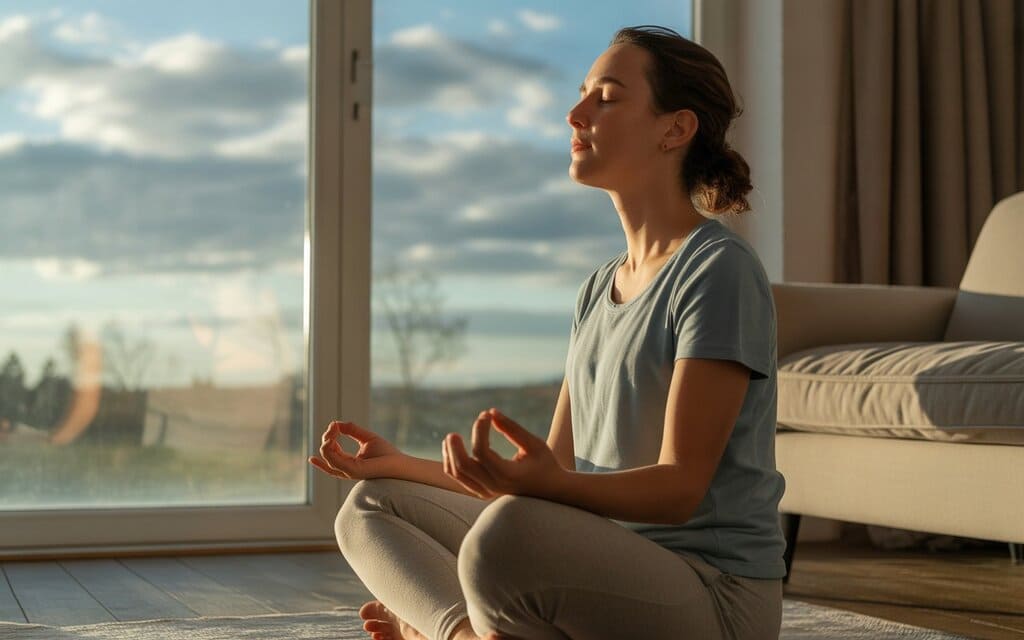
- Engaging in relaxing indoor activities
These habits help regulate sleep-wake cycles and emotional balance.
Creating a Comfort-Oriented Home Environment
A cold-weather lifestyle benefits from:
- Balanced indoor temperatures (not excessive heating)
- Proper ventilation
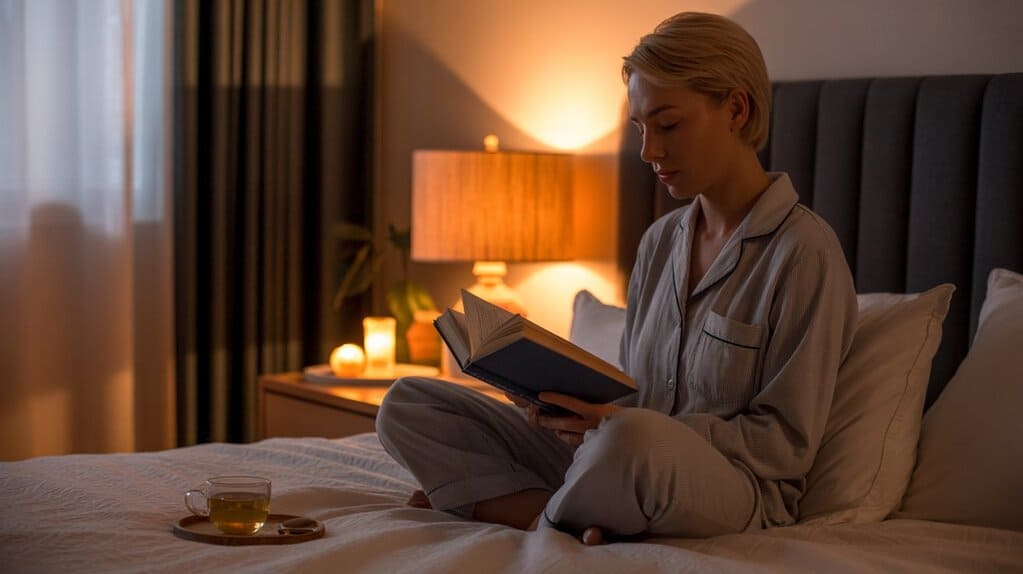
- Warm lighting and calming spaces
Comfort does not mean isolation, but intentional care.
Daily Habits That Support Cold Weather Adaptation
- Keeping consistent wake-up times
- Taking warm showers, not excessively hot
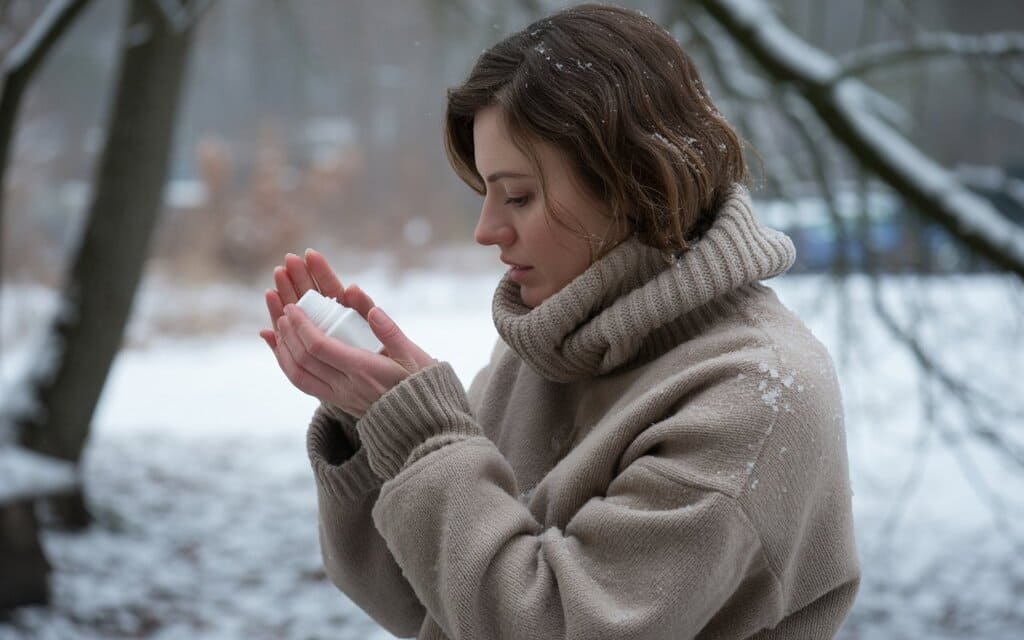
- Moisturizing skin regularly to combat dryness
- Planning outdoor tasks during warmer daylight hours
Small habits collectively create long-term seasonal resilience.
Common Questions & Answers
Q1 : Is it healthy to go outside daily in cold weather?
Yes, moderate outdoor exposure supports circulation, mood, and adaptation—when dressed appropriately.
Q2 : Should calorie intake increase in winter?
Slightly higher energy intake may be natural, but focus on quality nutrients, not excess calories.
Q3 : Does cold weather weaken immunity?
Cold weather itself does not weaken immunity, but poor sleep, stress, and low nutrition can.
Q4 : Is it better to keep indoor spaces very warm?
No. Extremely warm indoor environments can reduce natural cold tolerance and dry the air.
Lifestyle Comparison – Sudden vs. Gradual Adaptation
| Approach | Physical Impact | Comfort Level |
|---|---|---|
| Sudden exposure | Fatigue, stress | Low |
| Gradual adaptation | Balanced response | High |
Conclusion
Adapting to a cold weather lifestyle is a progressive journey, not a sudden shift. By adjusting nutrition, movement, clothing, daily habits, and mental routines gradually, individuals can experience winter as a season of stability, clarity, and inner strength rather than discomfort.
The key lies in listening to your body, maintaining consistency, and respecting natural rhythms. Cold weather does not have to be endured—it can be lived well.
Health Disclaimer
This article is intended for general informational and lifestyle guidance only. It does not provide medical advice, diagnosis, or treatment. Individuals with specific health concerns should consult qualified healthcare professionals.
Bibliography
- World health-focused lifestyle publications
- Public nutrition and wellness guidelines
- Seasonal health recommendations from reputable medical and wellness organizations
- Academic resources on environmental adaptation and lifestyle health