Bbihi L.
Introduction
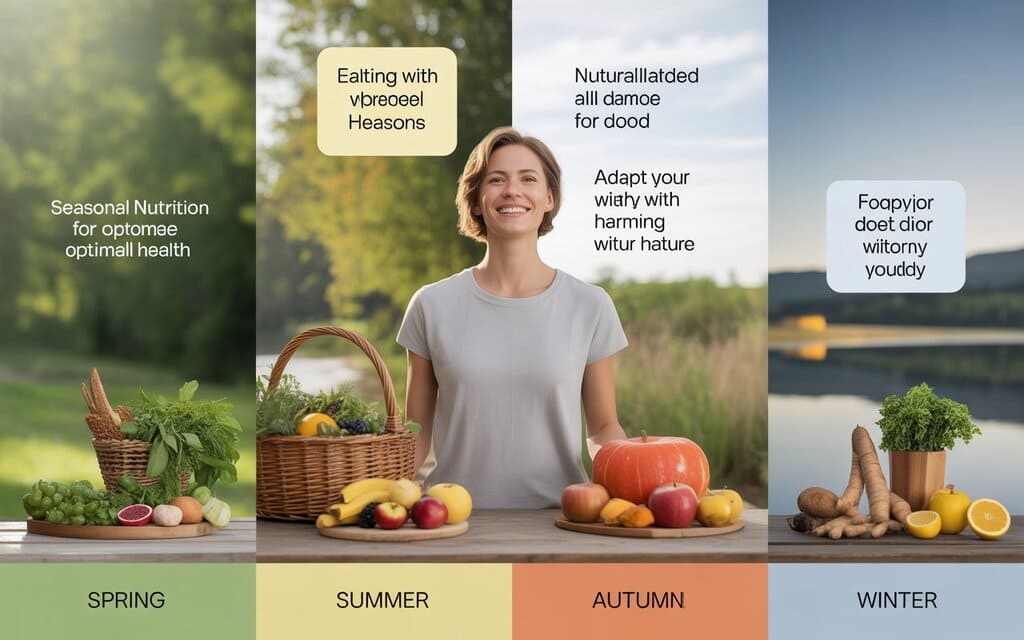
Adapting your diet to the seasons is not just an idea rooted in tradition — it’s a scientifically supported strategy that can enhance your health, immunity, and metabolism throughout the year. Seasonal dietary adjustments involve choosing foods that are naturally abundant and nutritionally appropriate for each season’s environmental conditions. Rather than consuming the same foods year-round from global supply chains, seasonal eating encourages a rhythm that mirrors the earth’s cycles and your body’s evolving physiological needs. PubMed+1
This comprehensive essay explores why eating seasonally matters, how different foods support body functions in each season, how to tailor your diet without harming your body, and how to implement these changes safely and effectively. It draws on research from nutrition science, clinical studies, and health authorities around the world.
Body
1. What is Seasonal Eating?
Seasonal eating refers to choosing foods that are naturally harvested during the current climatic season in your region. Instead of relying on imported foods that are available year-round, you focus on produce that is fresh, nutrient-dense, and in harmony with local growing cycles. Arab site 48
Benefits of eating seasonally include:
- Higher nutrient density — seasonal produce is often harvested at peak ripeness, maximizing vitamins, minerals, and antioxidants. richmondnua.com
- Greater food variety — different foods come into season at different times, naturally diversifying your diet. richmondnua.com
- Lower environmental impact and reduced carbon footprint. Palene Health
Key point : Seasonal eating aligns your food intake with your physiological needs and the environment’s resources.
2. Why Seasonal Diets Matter for the Body
A. Metabolic Adaptation
Metabolism and hormonal balance can shift with temperature, sunlight exposure, and physical activity levels. For example:
- Vitamin D production peaks in summer due to higher sun exposure but drops in winter, affecting energy metabolism and mood. Adjusting dietary Vitamin D sources (like leafy greens, fatty fish) in winter can be beneficial. rivm.nl
- Energy intake patterns vary with seasons — studies show people tend to eat more during colder months when energy expenditure rises. PubMed
Seasonal diets respect your metabolic rhythm, ensuring your calorie and micronutrient needs align with seasonal metabolic fluctuations.
3. Seasonal Food Guide & Nutritional Focus
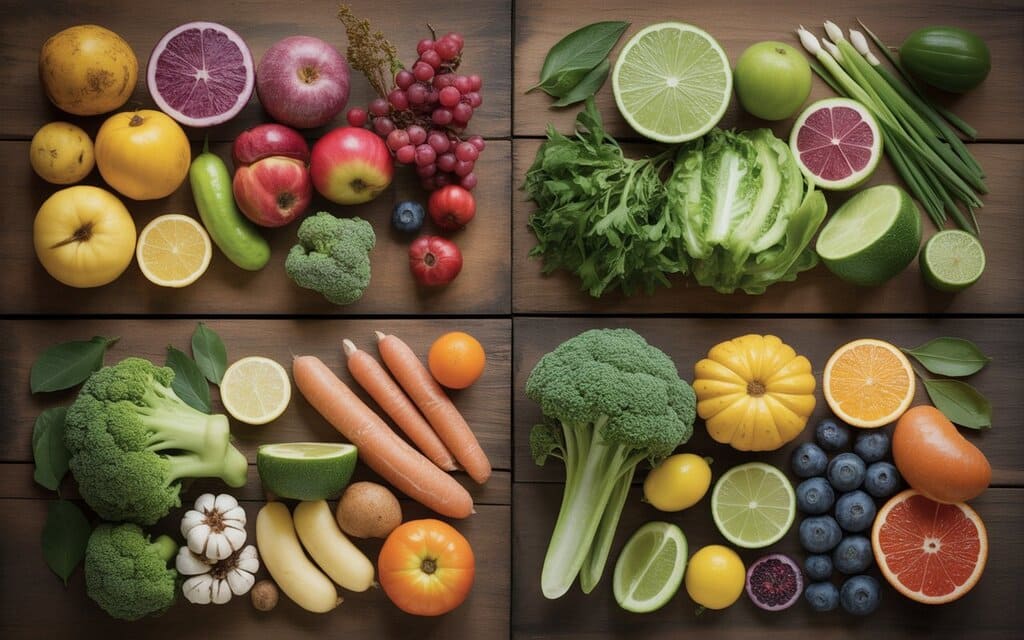
Below is an easy-to-follow seasonal food guide and what each season tends to support nutritionally:
| Season | Example Seasonal Foods | Nutritional Focus & Benefits |
|---|---|---|
| Spring | Asparagus, spinach, peas | Detoxification support, high vitamin K and antioxidants. |
| Summer | Watermelon, tomatoes, berries | Hydration support, rich in Vitamins A & C, antioxidants. |
| Autumn | Apples, squash, pumpkins | Complex carbohydrates, fiber for balanced energy. |
| Winter | Citrus fruits, root vegetables | Immune boosting (Vitamin C), warming nutrients. |
Key point : Each season naturally provides foods that help your body adapt — from detoxification in spring to immune support in winter.
4. How to Adapt Your Diet Safely Across Seasons
Transitioning your diet seasonally doesn’t require strict rules or deprivation. Instead, follow these evidence-based practices:
A. Increase Seasonal Produce Variety
Instead of eating the same fruits and vegetables year-round, include a wider seasonal array to enhance nutrient diversity and gut health. PubMed
B. Adjust Macronutrients Mindfully
- In cold months, you may need slightly more complex carbohydrates and healthy fats to maintain energy without weight gain. rivm.nl
- In hot months, hydration-rich foods like cucumbers and melons help maintain electrolyte balance. الجزيرة نت
Tip : Seasonal foods are not rigid diets — they adapt your intake naturally without harming metabolic health.
5. Seasonal Diet Myths vs. Evidence
There’s a misconception that eating seasonally means nutritional deficiency or limited food choices. However:
- Research shows that seasonal intake patterns exist but are gradually flattening due to globalization of food supply. ScienceDirect
- Seasonal foods often have higher nutrient content than out-of-season produce, which may lose nutrients during long storage and transport. WebMD
Conclusion : Seasonal eating enhances, rather than restricts, nutritional adequacy when planned well.
6. Practical Tips to Implement Seasonal Dieting
A. Know Your Local Seasons
Track what’s in harvest locally — farmer’s markets or seasonal charts can help.
B. Balance Fresh & Preserved
Frozen or lightly preserved seasonal foods retain nutrients and ensure variety year-round.
C. Adjust Portion Sizes
If your appetite or energy needs change in winter, choose nutrient-dense foods rather than excessive calories.
D. Combine with Healthy Lifestyle Habits
Seasonal eating pairs well with hydration, sleep regulation, and physical activity.
Conclusion
Adapting your diet to the seasons is more than a trend — it is a holistic, science-informed approach that fosters better nutrition, supports your immune system, and aligns your health with the rhythms of nature. It encourages nutrient diversity, environmental sustainability, and metabolic harmony without causing bodily harm. Rooted in centuries-old practices and backed by contemporary science, seasonal eating offers a flexible, evidence-based way to optimize your health year-round. PubMed+1
Key Takeaways
- Seasonal eating provides nutrient-rich, fresh foods that support the body’s changing needs. richmondnua.com
- Metabolic and immune responses can benefit when diet rhythms match environmental cycles. rivm.nl
- Practical adaptation includes choosing local produce, adjusting macronutrients seasonally, and combining with overall healthy lifestyle habits.
Bibliography & References
- Seasonality and dietary requirements: will eating seasonal food contribute to health and environmental sustainability? PubMed. PubMed
- What to Know About Seasonal Eating: Health Benefits And More — WebMD. WebMD
- How to Use Seasonal Eating to Your Metabolic Advantage. Rivm.nl. rivm.nl
- Seasonal Eating Guides & Nutrient Benefits. Richmond Nua & Palene Health. richmondnua.com+1
- Seasonal variation in food intake and energy metabolism. PubMed. PubMed
- Wikipedia contributors — “Seasonal food,” Wikipedia, The Free Encyclopedia. (general knowledge)