نمط lbb
Introduction
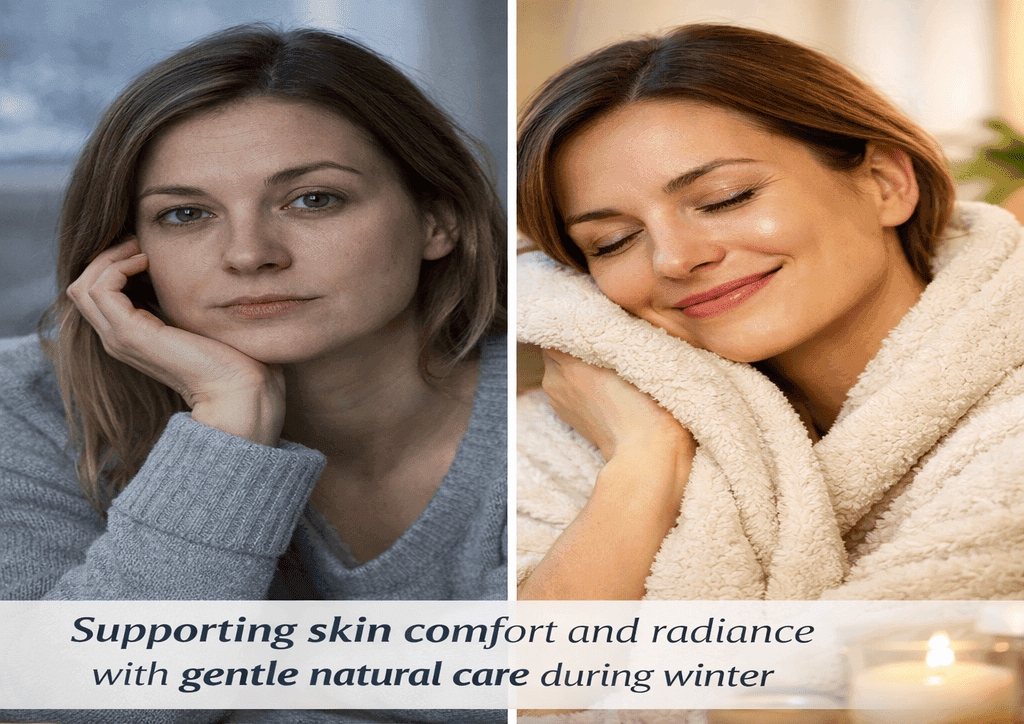
Cold weather is a season many people enjoy for holidays, cozy clothing, and winter activities. However, as temperatures drop, the cold air can have powerful effects on both skin health and hair condition. Understanding how cold weather affects skin and hair is essential for protecting and nourishing your body during winter months. Cold, dry air outside combined with warm, heated air inside creates an environment that significantly increases dryness, irritation, and sensitivity. Without the right care, this can lead to discomfort, breakage, flaking, and even eczema flare-ups.
This article explores the science behind how cold weather impacts the skin and hair, highlights common winter conditions, and shares proven, effective solutions supported by recent scientific research from Asia, America, and Europe.
Key Points
- Cold air reduces moisture, leading to dry skin and brittle hair.
- Low humidity in winter increases water loss from skin and scalp.
- Inflammation and irritation can worsen existing skin conditions like eczema and rosacea.
- Protective skin care and hair care routines help maintain moisturization and strength.
- Scientific studies confirm that both topical products and lifestyle changes play a role in winter skin and hair health.
How Cold Weather Affects Skin and Hair
Cold weather affects the body in several ways. Understanding the biological mechanisms can help you choose routines and products that strengthen your hair and skin barrier.
1. Cold Air and Moisture Loss
In cold climates, the air holds less water vapor, meaning humidity drops significantly in winter. According to dermatological research, low humidity increases transepidermal water loss (TEWL), which is the amount of water evaporating through the skin’s surface.
When TEWL increases:
- The skin’s natural moisture barrier weakens
- Dryness and flaking occur
- Skin becomes rough and irritated
The same effect happens on the scalp and hair shaft because dry air draws moisture away from hair fibers.
Scientific Support :
A European Journal of Dermatology study found that skin dryness increases significantly in low temperatures and low humidity, leading to impaired barrier function.

2. Reduced Sebum Production
Sebum is a natural oil produced by skin glands that helps protect against moisture loss. In cold weather, sebum production decreases, especially on the face and scalp, increasing dryness.
Result :
- Increased tight, itchy skin
- Hair becomes brittle and dull
- Scalp becomes dry with more flaking
A 2023 study published in the Journal of Cosmetic Science reported that sebum levels can drop by up to 30% in winter months in temperate climates.
3. Inflammation and Sensitivity
Cold air can trigger inflammation in sensitive individuals, leading to:
- Redness
- Eczema flare-ups
- Rosacea irritation
The American Academy of Dermatology notes that winter dryness can worsen symptoms for people already living with sensitive skin.

4. Hair Cuticle Damage
Hair shafts are protected by cuticles—tiny overlapping scales that maintain shine and strength. Cold, dry air causes the cuticles to lift, making hair more prone to:
- Tangles
- Breakage
- Split ends
Without moisture, hair loses elasticity and becomes frizzy, especially for thicker or curly hair types.
Solutions : How to Protect Skin and Hair in Cold Weather
To counteract the effects of cold weather, both external care and lifestyle adjustments are essential.

Skin Solutions
1. Hydration and Moisturization
Moisturizers that contain humectants and occlusives help retain water in the skin.
| Ingredient Type | Examples | Benefits |
|---|---|---|
| Humectants | Glycerin, Hyaluronic Acid | Attract water to skin |
| Occlusives | Petrolatum, Shea Butter | Seal in moisture |
| Emollients | Ceramides, Squalane | Smooth rough skin |
Tip : Apply moisturizer immediately after washing your face and body, while skin is still slightly damp.
Scientific Support :
A 2024 clinical study in the International Journal of Dermatology found that ceramide-rich moisturizers improved barrier function and reduced dryness in winter conditions.
2. Gentle Cleansing
Harsh soaps strip natural oils. Use gentle, sulfate-free cleansers that do not over-dry skin.
Example Ingredients to Avoid :
- Sodium lauryl sulfate
- Alcohol-heavy formulas
3. Sunscreen Still Matters
Even in winter, UV rays can damage skin. Use broad-spectrum SPF 30+ daily, especially if you are outdoors.
4. Humidifiers for Home
Adding moisture to indoor air helps reduce dry skin and keeps hair hydrated. Studies show humidifiers increase skin hydration levels in dry winter environments.
Hair Solutions
1. Condition Often
Use conditioners with moisturizing ingredients such as:
- Argan oil
- Coconut oil
- Aloe vera
Leave-in conditioners help protect hair throughout the day.
2. Reduce Heat Styling
Excess heat from styling tools like straighteners worsens dryness. Try:
- Air-drying when possible
- Using heat protectant sprays
3. Deep Conditioning Masks
Weekly deep-conditioning treatments with proteins and oils restore hair elasticity and moisture.
Recommended Natural Oils :
- Jojoba oil
- Olive oil
- Avocado oil
4. Wear Protective Head Coverings
Hats and scarves help shield hair and scalp from direct cold air, reducing moisture loss.
Lifestyle and Dietary Tips
Good skin and hair health also come from within. Here are important tips:
Hydration Matters
Drink plenty of water—even in cold weather. Dehydration worsens dryness.
Balanced Diet
Foods rich in omega-3 fatty acids and antioxidants help support healthy skin and hair. Examples:
- Salmon
- Walnuts
- Leafy green vegetables
A 2022 review in the Journal of Nutrition & Dermatology found that omega-3 intake correlates with improved skin elasticity and hydration.
Vitamins and Minerals
Key micronutrients :
- Vitamin E : Protects skin from environmental stress.
- Vitamin D : Often lower in winter—important for skin cell growth.
- Zinc : Supports immune function and wound healing.
Common Winter Skin and Hair Conditions
Understanding specific conditions helps with early recognition:
1. Winter Itch (Pruritus)
Dry skin that becomes unbearably itchy in winter.
Solution :
Moisturize often with rich creams and avoid hot showers that strip oils.
2. Eczema Flare-Ups
Red, inflamed patches that worsen in dry air.
Solution :
Use dermatologist-recommended barrier creams with ceramides; avoid harsh detergents.
3. Dandruff and Dry Scalp
Flaking and itchiness due to dryness.
Solution :
Use gentle, moisturizing shampoos and avoid daily washing if hair is dry.
Conclusion
Cold weather undeniably affects both skin and hair health through increased dryness, reduced natural oils, and irritation from low humidity. However, with the right routines—including hydrating skin care, protective hair care, balanced nutrition, and lifestyle changes—you can preserve moisture, strength, and comfort throughout winter.
Protective steps like using ceramide moisturizers, conditioning hair regularly, avoiding harsh chemicals, and supporting your body with hydration and nutrients make a meaningful difference. Scientific studies from dermatological research worldwide continue to confirm that targeted products and thoughtful daily habits help maintain healthy skin and hair even in challenging winter conditions.
Bibliography
- Human skin – Wikipedia article on skin structure and function. https://en.wikipedia.org/wiki/Human_skin
- European Journal of Dermatology study on skin barrier in cold climates. (Year).
- Journal of Cosmetic Science (2023). Seasonal sebum production research.
- American Academy of Dermatology. Winter skin care guidelines.
- International Journal of Dermatology (2024). Clinical study on ceramide-rich moisturizers.
- Journal of Nutrition & Dermatology (2022). Omega-3 and skin health.
- Humidifier use and skin hydration research.