Bbihi L.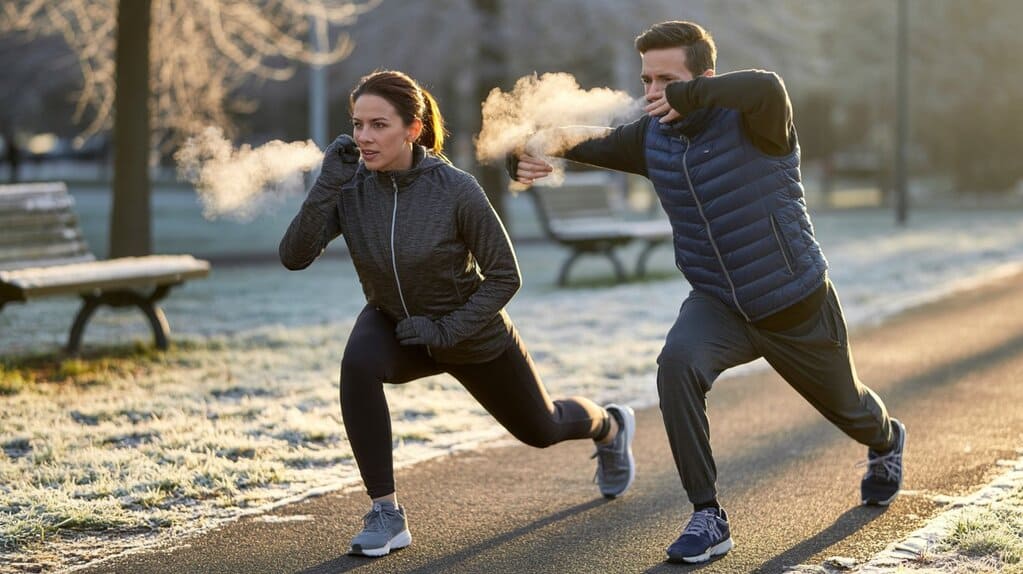
Introduction
In colder climates, especially during winter months or chilly mornings, our bodies undergo physiological changes that make physical activity more challenging and riskier. Cold weather causes muscles to tighten and joints to become stiffer, which can increase the risk of strains, sprains, and chronic joint discomfort if proper preparation is not part of your exercise routine. This article explores in depth why warming up and stretching are especially crucial in cold conditions, their positive impact on joint health, and how to perform them effectively. We will reference recent scientific and medical studies from Asia, America, and Europe, as well as trusted sources like PubMed, medical journals, and Wikipedia to support the information provided.
Why Cold Weather Affects Your Muscles and Joints
When the temperature drops, the body reacts in several ways that influence how muscles and joints function:
- Muscles and tendons tighten because lower temperatures reduce blood flow and muscle elasticity, making tissues less pliable and more prone to injuries. (Santé sur le Net)
- Joint stiffness increases, often leading to decreased range of motion and discomfort during movement. Medical professionals note that colder temperatures slow down nerve conduction velocity, further reducing reaction time and coordination. (performancehealth.com)
- The body’s vasoconstriction response — where blood vessels narrow to conserve heat — prioritizes blood flow to vital organs over muscles and extremities, potentially affecting joint lubrication and performance. (Santé sur le Net)
Because of these effects, physical activity without proper preparation in cold conditions can lead to higher risks of joint injuries and reduced athletic performance.
What Is Warming Up?
Warming up is a preparatory phase of physical activity that increases body temperature, heart rate, and blood flow to muscles. A typical warm-up includes low-intensity movements like walking, light jogging, or dynamic movements that gently activate muscle groups.
According to researchers in Sports Medicine, warming up:
- Increases muscle temperature
- Improves oxygen release from hemoglobin and myoglobin
- Reduces muscle viscosity (thickness)
- Enhances nerve impulse speed
- Decreases the risk of sports-related injuries (Springer Nature)
These physiological changes are even more beneficial in cold environments, where temperature-dependent muscle stiffness is a major concern.
What Is Stretching?
Stretching refers to exercises that improve the range of motion and flexibility of muscles and joints. There are two main types:
- Static stretching – holding a stretch for 10–30 seconds
- Dynamic stretching – controlled, movement-based stretch sequences
Both types have roles in improving flexibility, but they are most effective when integrated appropriately into warm-ups and cool-downs. (Wikipédia)
A review of clinical studies shows that stretching increases joint range of motion and enhances muscle flexibility both with and without preceding warm-ups. (PubMed)

How Warming Up and Stretching Improve Joint Health
1. Increase Range of Motion
In cold conditions, joints can feel stiff due to reduced synovial fluid flow (the lubricant in joints). Warming up increases blood flow and prepares joints for movement, while stretching helps to gradually increase flexibility and range of motion (ROM). (PubMed)
Joint Flexibility Table (Cold vs. Warm Conditions)
| Condition | Joint Flexibility | Muscle Elasticity | Risk of Injury |
|---|---|---|---|
| Cold, no warm-up | Low | Low | High |
| Warmed up only | Moderate | Moderate | Moderate |
| Warmed up + stretching | High | High | Low |
2. Enhance Blood Flow
As muscles warm up, the vascular system dilates, improving blood flow to muscles and joints. This helps deliver oxygen and nutrients while removing metabolic waste products, enhancing endurance and minimizing soreness.
3. Reduce Risk of Injury
Studies on athletic populations, including handball players and collegiate students, show that warm-up routines combined with stretching:
- Significantly increase joint flexibility
- Help reduce muscle stiffness
- Lower the likelihood of acute injuries such as muscle strains and sprains (PubMed)
These results suggest that warming up and stretching help protect ligaments, tendons, and joint capsules, which are more vulnerable in cold environments.

Specific Benefits Supported by Research
Warming-Up Increases Muscle Temperature
In a study involving active warm-up routines, researchers observed that increased muscle temperature directly correlated with greater flexibility and reduced passive stiffness in joints. (Springer Nature)
Stretching Enhances Flexibility Across Ages
The benefits of stretching are not limited to athletes. A study on elderly women showed that both stretching alone and stretching after a general warm-up significantly increased joint range of motion in lower extremity joints, emphasizing the importance of stretching for joint health across age groups. (PubMed)
Cold Weather Increases Injury Risk Without Proper Warm-Up
Sports medicine experts confirm that cold muscles are more susceptible to injury because cold conditions reduce elasticity and delay neuromuscular responses. Properly warming up can counteract these effects, especially before vigorous exercise. (williamsbridge-center.facilities.centershealthcare.org)
Practical Warm-Up and Stretching Routine for Cold Weather
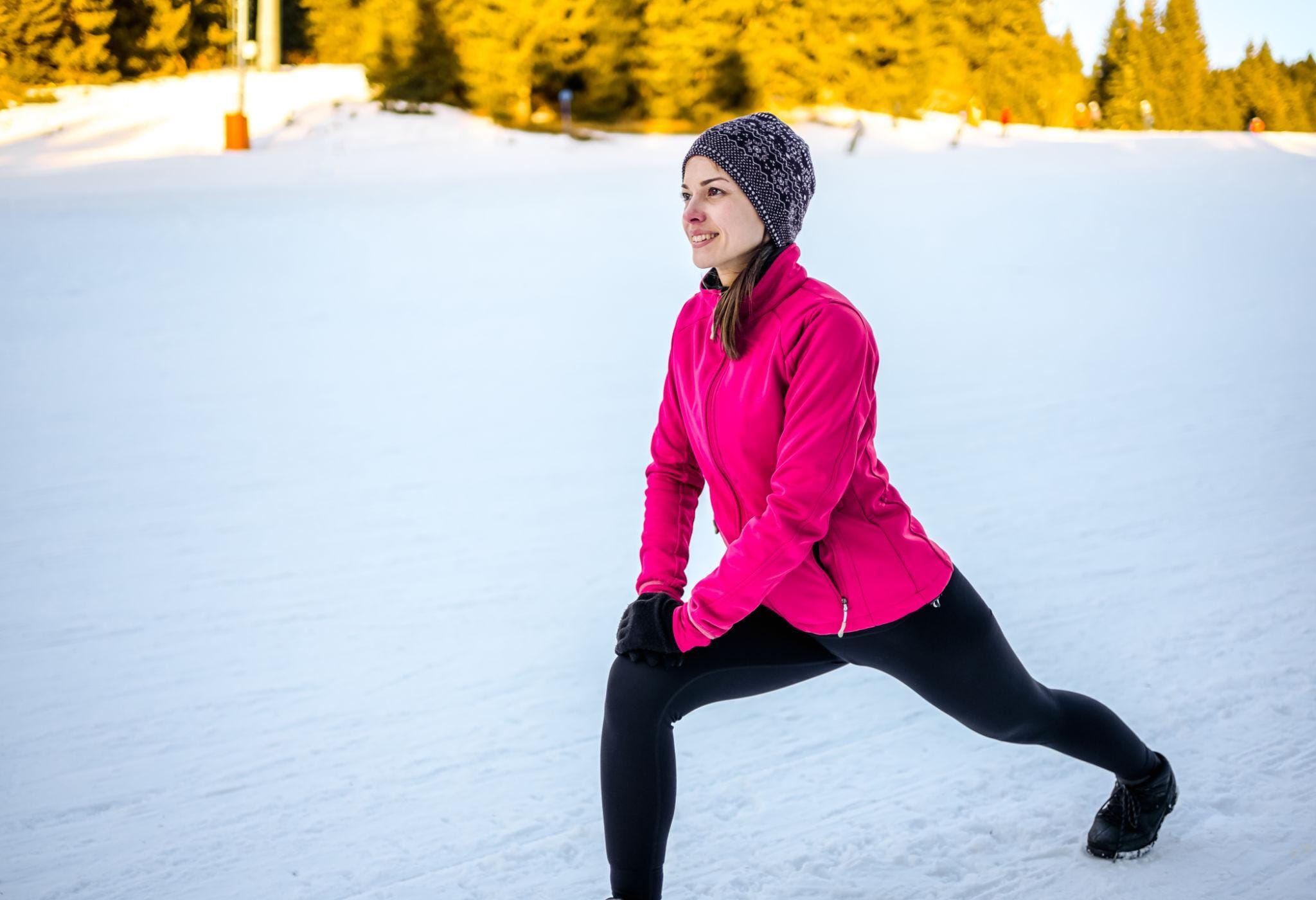
Here’s a simple, structured routine to prepare your body before activity in cold weather:
Dynamic Warm-Up (5–10 minutes)
| Exercise | Purpose |
|---|---|
| Brisk walking or light jogging | Increases heart rate and core temperature |
| Arm circles | Prepares shoulder joints |
| Leg swings | Activates hip and knee muscles |
| High knees | Stimulates blood flow to legs |
Stretching Sequence (5–10 minutes)
| Stretch | Target Area |
|---|---|
| Hamstring stretch | Back of thighs |
| Quadriceps stretch | Front of thighs |
| Calf stretch | Lower legs |
| Shoulder stretch | Upper body |
Tip: Always start with dynamic movements before static stretches. Stretch gently and never force a movement that causes pain. (Heading Home to Dinner)
Common Mistakes to Avoid
❌ Stretching cold muscles : Stretching without prior warming can raise the risk of strain. (Heading Home to Dinner)
❌ Skipping cool-down : After intense activity, static stretching can help muscles recover and reduce post-exercise stiffness.
❌ Ignoring joint-specific needs : Each joint may require tailored stretches based on previous injuries or chronic conditions.
Conclusion
In cold weather, your muscles and joints face unique challenges that can limit flexibility, reduce performance, and increase the likelihood of injury. Incorporating a proper warm-up and stretching routine is not just beneficial — it is essential for joint health, flexibility, and injury prevention. Supported by scientific studies from various regions and sports medicine literature, warming up and stretching improve muscle temperature, increase range of motion, and reduce stiffness and strain. By following structured routines before and after physical activity, individuals of all ages can protect their joints and maintain better physical performance even in the coldest conditions.
Bibliography & References
- Warming-Up and Stretching for Improved Physical Performance and Prevention of Sports-Related Injuries. Sports Medicine review. (Springer Nature)
- The Effect of Stretching During Warming-Up on Flexibility. PubMed study on junior athletes. (PubMed)
- The Effect of Warm-Ups with Stretching on Isokinetic Moments. Journal of Exercise Rehabilitation. (PMC)
- Acute Effects of Active Warm-Up and Stretching on Elderly Women’s Flexibility. PubMed. (PubMed)
- Evaluation of Warm-Up for Improvement in Flexibility. Flexometry study. (PubMed)
- Stretching and Warm-Up Guidance — Sports Health Sources. Performance Health. (performancehealth.com)
- Stretching in Cold Weather Recommendations. Williamsbridge Center. (williamsbridge-center.facilities.centershealthcare.org)
- Stretching Definitions and Physiology. Wikipedia — Étirement. (Wikipédia)