Bbihi L.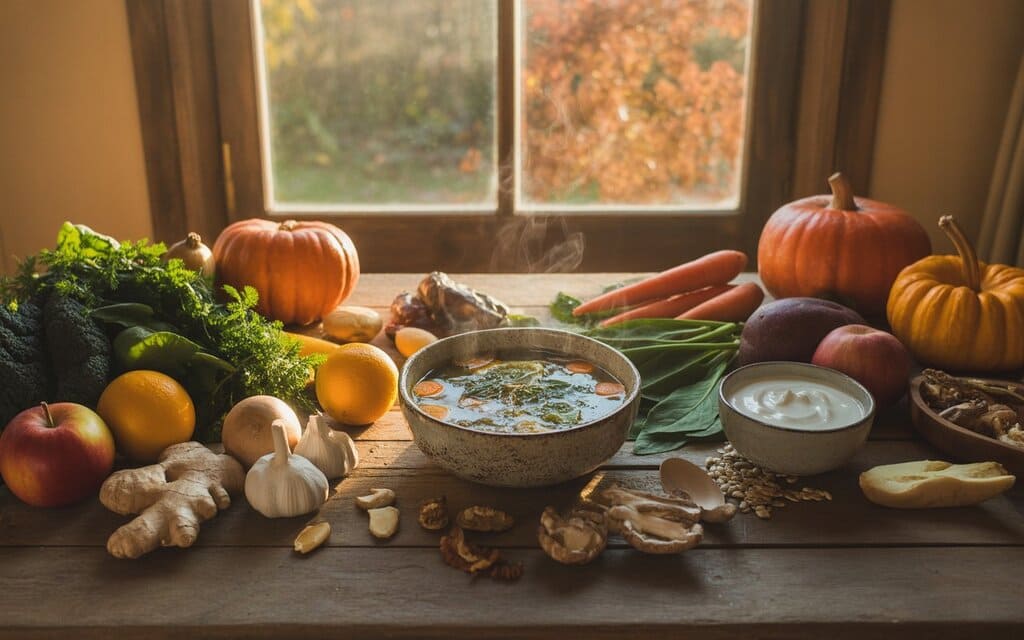
Introduction
Late autumn is a season of change — temperatures drop, days shorten, and our bodies begin preparing for the cold of winter. During this transitional period, boosting your immune system through the right nutrition is one of the most effective ways to stay healthy and prevent illnesses like colds, flu, and respiratory infections. A well-balanced diet rich in vitamins, minerals, antioxidants, and anti-inflammatory compounds strengthens the body’s natural defenses and supports optimal immune function. Scientific evidence continues to support the role of specific nutrients — such as vitamin C, vitamin A, zinc, omega-3 fatty acids, probiotics, and antioxidants — in maintaining and improving immune health. (College of Naturopathic Medicine)
In this comprehensive guide, we explore seasonal late autumn foods that can boost immunity, backed by recent scientific insights and recommendations from nutrition experts, and provide simple strategies to include them in your daily diet. Whether you’re preparing hearty soups, vibrant salads, or warming beverages, this guide will help you make informed and immune-supportive dietary choices as the weather cools.
Why Nutrition Matters for Immunity in Late Autumn
The immune system is complex. It comprises a network of cells, tissues, and organs that work together to defend the body against pathogens like bacteria and viruses. Nutrition plays a pivotal role in immune function by:
- Supporting white blood cell production and activity
- Reducing oxidative stress and inflammation
- Strengthening mucosal barriers in the respiratory and digestive tracts
- Maintaining a healthy gut microbiome, which houses a large portion of immune tissue
For example, foods rich in antioxidants protect immune cells from damage, while nutrients like zinc are essential for immune cell development. Probiotic foods — those that deliver beneficial bacteria — help regulate immune responses by supporting gut health, which in turn affects overall immune function. (College of Naturopathic Medicine)

Key Nutrients for Immune Support (With Food Sources)
| Nutrient | Benefits | Food Sources |
|---|---|---|
| Vitamin C | Builds white blood cells, antioxidant | Citrus fruits, kiwis, bell peppers, leafy greens |
| Vitamin A / Beta-carotene | Supports mucosal surfaces and immune cell function | Carrots, sweet potatoes, squash, pumpkins |
| Vitamin D | Modulates immune responses, supports immune cell activity | Fatty fish (salmon, mackerel), fortified foods |
| Zinc | Essential for immune cell development and function | Pumpkin seeds, oysters, whole grains, legumes |
| Omega-3 Fatty Acids | Anti-inflammatory effects, supports cell function | Salmon, walnuts, flaxseeds |
| Probiotics | Supports gut health and immunity | Yogurt, kefir, kimchi, sauerkraut |
| Antioxidants | Helps reduce oxidative stress and inflammation | Berries, apples, pomegranates, nuts, seeds |
Source: Scientific reviews and nutrition guides on autumn immune-boosting foods. (College of Naturopathic Medicine)
Top Foods to Eat in Late Autumn for Immunity
1. Citrus Fruits and Vitamin C Powerhouses
Citrus fruits — such as oranges, grapefruits, lemons, and mandarins — are rich in vitamin C, a powerful antioxidant known to stimulate white blood cell production and help the body fend off infections. In addition to citrus, fruits like kiwis and strawberries provide significant vitamin C and benefit immune function. (Verywell Health)
💡 Tip: Add fresh citrus segments to salads or blend them into smoothies for a vitamin C boost.
2. Leafy Greens and Cruciferous Vegetables
Dark leafy greens like spinach, kale, and Swiss chard, as well as cruciferous vegetables like broccoli and Brussels sprouts, provide a potent combination of vitamins A, C, K, fiber, and antioxidants. These nutrients help reduce inflammation and strengthen cellular immune defenses. (College of Naturopathic Medicine)
💡 Serving Suggestion: Sauté greens with garlic and olive oil, or add shredded Brussels sprouts to hearty autumn bowls.
3. Root Vegetables and Beta-Carotene Rich Foods
Root vegetables such as carrots, sweet potatoes, and beets are rich in beta-carotene, the precursor to vitamin A. Vitamin A supports mucosal barriers and plays a vital role in immune regulation. Beta-carotene also has antioxidant properties that help protect immune cells. (Diet Clinic)
💡 Serving Suggestion: Roast mixed root vegetables with herbs for a fiber-rich, immune-supportive side dish.
4. Mushrooms with Immune-Enhancing Compounds
Certain mushrooms — particularly varieties like shiitake and maitake — contain polysaccharides such as beta-glucans. These compounds have been shown to enhance immune activity by supporting the production and function of white blood cells. (Chicago College of Oriental Medicine)
💡 Serving Suggestion: Add mushrooms to soups, stews, or stir-fries for added immune-supporting benefits.
5. Nuts and Seeds for Essential Vitamins
Nuts and seeds — such as almonds, walnuts, pumpkin seeds, and flaxseeds — supply vitamin E, zinc, magnesium, and healthy fats. Vitamin E is an antioxidant that helps protect immune cells, while zinc is essential for immune cell development. (College of Naturopathic Medicine)
💡 Serving Suggestion: Sprinkle a mix of seeds on yogurt or salads for added texture and nutrition.
6. Fermented Foods for Gut and Immune Health
Foods like plain yogurt, kefir, sauerkraut, and kimchi provide probiotics — beneficial bacteria that support gut health. Because the gut houses a large portion of the immune system, maintaining a balanced microbiome is key to overall immunity. (CircleDNA)
💡 Serving Suggestion: Add kefir to breakfast or enjoy sauerkraut as a flavorful side dish.
7. Omega-3 Rich Foods and Healthy Fats
Omega-3 fatty acids — found in salmon, walnuts, and flaxseeds — have anti-inflammatory effects that help reduce chronic inflammation and support immune cell function. Healthy fats also provide energy and support nutrient absorption. (CircleDNA)
💡 Serving Suggestion: Bake salmon with herbs or add walnuts to oatmeal or salads.
8. Seasonal Fruits Like Persimmons and Apples
Late autumn offers seasonal fruits like persimmons and apples, which are rich in fiber, antioxidants, and vitamins. Persimmons are a good source of antiviral and anti-inflammatory antioxidants, while apples offer quercetin and other compounds that support immune health. (The Times of India)
💡 Serving Suggestion: Enjoy sliced apples with nut butter or bake persimmons with a dash of cinnamon.
9. Garlic, Ginger, and Turmeric Classics
Herbs and spices have long been valued for their anti-inflammatory and antimicrobial properties. Garlic contains allicin, a compound with antibacterial and antiviral effects. Ginger and turmeric are rich in bioactive compounds that support anti-inflammatory responses and may ease cold symptoms. (Diet Clinic)
💡 Serving Suggestion: Brew a warm turmeric-ginger tea or add minced garlic to soups.

Simple Immune-Boosting Autumn Meal Ideas
| Meal | Immune-Boosting Ingredients |
|---|---|
| Autumn Vegetable Soup | Butternut squash, carrots, kale, garlic, ginger |
| Citrus & Kale Salad | Orange segments, kale, pumpkin seeds, walnuts |
| Salmon Bowl | Grilled salmon, spinach, quinoa, avocado |
| Warm Spiced Tea | Turmeric, ginger, black pepper, lemon |
| Greek Yogurt Parfait | Plain yogurt, berries, flaxseeds, honey |
These meals combine seasonal produce with key immune-supportive nutrients to deliver flavor and health.
Conclusion
As the seasons change and temperatures cool, prioritizing your immune health through mindful nutrition can make a significant difference in how you feel and function. Late autumn provides a bounty of nutrient-dense foods that offer vitamins, minerals, antioxidants, and probiotics — all essential to fortify your body’s immune defenses. By incorporating citrus fruits, leafy greens, root vegetables, fermented foods, nuts, seeds, and herbs like garlic and turmeric, you invest in your long-term wellness and resilience against seasonal illnesses.
Remember that food works best as part of an overall healthy lifestyle that includes adequate sleep, regular physical activity, stress management, and hydration. Consistent, balanced eating — especially with seasonal and whole foods — puts you in the best position to stay vibrant and healthy throughout the late autumn and into winter.
Bibliography & References
- Autumn Nutrition: Immune-Boosting Seasonal Foods – CNM College of Naturopathic Medicine. (College of Naturopathic Medicine)
- The Best Fall Foods to Boost Your Immune System This Season – YourWayToBeFree.com. (Your Way To Be Free)
- Boosting Your Immune System This Fall: Nutrition Tips – CircleDNA. (CircleDNA)
- 10 Immune-Boosting Autumn Foods To Add To Your Healthy Diet Plate – Slurrp.com. (Slurrp)
- 10 Essential Foods to Strengthen Immunity During Autumn – JordanNews.jo. (Jordan News)
- Vitamin C and Immune System Review – Verywell Health. (Verywell Health)
- Anti-Inflammatory Fruits for Winter – EatingWell. (EatingWell)
- Persimmon Health Benefits – Times of India. (The Times of India)
- Amla / Indian Gooseberry Winter Nutrition – Times of India. (The Times of India)