Bbihi L.
Health & Lifestyle Guidelines for Safer, Smarter Winter Living
Brief Description
Cold weather can quietly affect energy levels, immunity, skin health, mood, and daily habits. Many people fall into common seasonal mistakes that may seem harmless at first but can gradually undermine overall well-being. This article provides general, non-medical guidance based on recommendations from trusted health organizations and experts, helping readers make informed and balanced lifestyle choices during cold weather—before small mistakes turn into bigger problems.
Introduction
As temperatures drop, the body works harder to maintain balance. Shorter days, reduced sunlight, dry air, and lifestyle changes all influence physical and mental health. Unfortunately, cold weather is often underestimated, leading people to repeat the same seasonal errors every year.
The good news? Most cold-weather health challenges are preventable through awareness, preparation, and simple habit adjustments. By identifying common mistakes early and replacing them with healthier alternatives, it’s possible to stay active, comfortable, and resilient throughout the colder months.
This guide focuses on prevention, awareness, and lifestyle balance, not medical treatment—making it suitable for everyday readers seeking reliable health guidance.
1. Underestimating the Impact of Cold Weather on the Body
Why This Is a Mistake
Cold weather doesn’t only affect comfort—it influences circulation, immune response, skin moisture, sleep quality, and metabolism. Ignoring these effects can lead to fatigue, dryness, and reduced daily performance.
Healthier Approach
- Acknowledge that seasonal changes require lifestyle adjustments
- Adapt routines gradually instead of waiting for discomfort
- Focus on prevention rather than reaction
Key Insight : Awareness is the first step toward seasonal well-being.
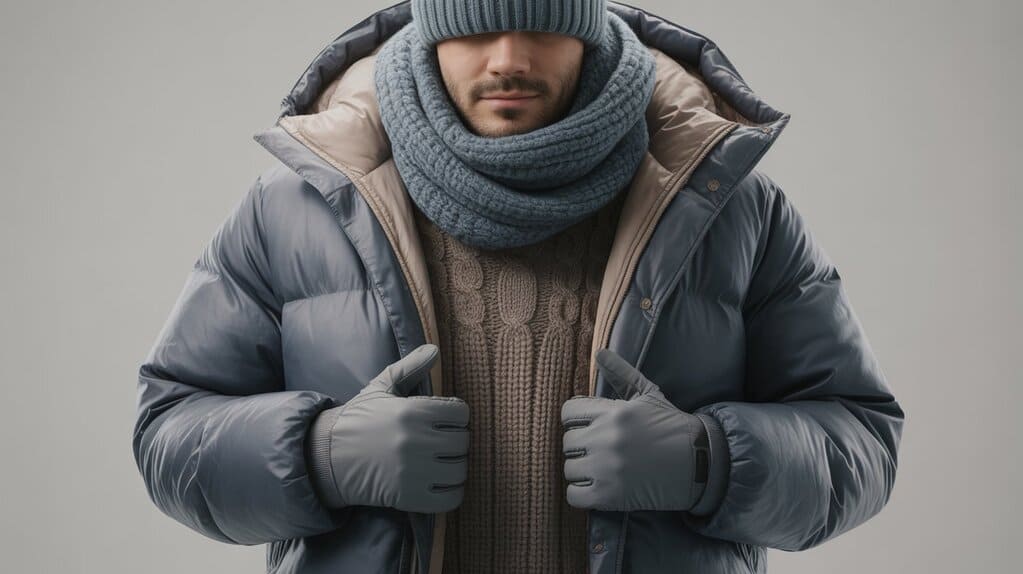
2. Wearing Inappropriate or Unbalanced Clothing
Common Error
Many people either overdress, causing overheating and sweating, or underdress, leading to heat loss and discomfort.
Better Practice
- Dress in layers to regulate body temperature
- Prioritize protecting head, neck, hands, and feet
- Choose breathable fabrics that manage moisture
Balanced warmth supports circulation and overall comfort without stressing the body.
3. Ignoring Hydration Needs
The Misconception
Feeling less thirsty in winter leads many to reduce water intake.
Why It Matters
Cold air, indoor heating, and reduced humidity can still cause dehydration, affecting:
- Skin elasticity
- Concentration
- Digestion
- Energy levels
Simple Tips
- Drink water regularly, even without thirst cues
- Include warm, unsweetened beverages
- Monitor signs like dry lips or fatigue
Hydration remains essential year-round.
4. Overusing Indoor Heating
The Problem
Excessive heating dries indoor air, which can irritate:
- Skin
- Eyes
- Respiratory passages
Healthier Alternative
- Maintain moderate indoor temperatures
- Ventilate rooms briefly each day
- Use natural humidity methods when possible
Comfortable warmth should never come at the cost of air quality.
5. Neglecting Skin and Lip Care
Why Skin Suffers in Cold Weather
Cold wind and dry air weaken the skin’s protective barrier, leading to:
- Dryness
- Tightness
- Cracking
General Care Tips
- Moisturize consistently, especially after bathing
- Avoid very hot showers
- Protect lips and hands proactively
Preventive skin care is easier than repairing damage later.

6. Reducing Physical Activity Too Much
A Common Seasonal Trap
Cold weather often discourages movement, increasing sedentary behavior.
Why Movement Matters
Regular activity supports:
- Circulation
- Mood balance
- Immune function
- Joint flexibility
Practical Solutions
- Indoor stretching or light workouts
- Short outdoor walks during daylight
- Consistent low-intensity movement
Consistency matters more than intensity.
7. Relying on Heavy or Unbalanced Diets
The Mistake
Cold weather cravings often lead to excessive consumption of:
- Sugary foods
- Heavy, fatty meals
Smarter Nutrition Choices
- Balance meals with vegetables and proteins
- Choose warm, nourishing foods
- Avoid extremes—restriction or overindulgence
Seasonal comfort foods can be enjoyed mindfully.
8. Disrupting Sleep Patterns
What Goes Wrong
Shorter days and longer nights may disrupt the body’s natural rhythm.
Healthy Sleep Habits
- Maintain consistent sleep and wake times
- Limit screen exposure before bed
- Create a calming evening routine
Quality sleep is a cornerstone of seasonal resilience.
9. Ignoring Early Warning Signs
Commonly Overlooked Signals
- Persistent tiredness
- Dry skin or lips
- Mood changes
- Difficulty concentrating
Better Response
- Pause and reassess daily habits
- Make small, gradual adjustments
- Seek general professional advice when needed
Early attention prevents long-term discomfort.
Table 1 : Common Cold Weather Mistakes vs Healthier Alternatives
| Common Mistake | Potential Effect | Healthier Alternative |
|---|---|---|
| Inadequate clothing | Heat loss, discomfort | Layered dressing |
| Low water intake | Dehydration | Regular hydration |
| Excessive heating | Dry air | Moderate warmth |
| Sedentary habits | Low energy | Light daily movement |
| Poor sleep routine | Fatigue | Consistent schedule |

Table 2 : Daily Supportive Habits in Cold Weather
| Habit | Benefit |
|---|---|
| Short ventilation periods | Fresher indoor air |
| Warm fluids | Comfort & hydration |
| Gentle stretching | Circulation & flexibility |
| Moisturizing routine | Skin protection |
Questions & Answers
Q : Is cold weather itself harmful to health?
A : Cold weather is not harmful by default, but poor adaptation and lifestyle mistakes can increase discomfort.
Q : Do hydration needs decrease in winter?
A : No. The body requires hydration year-round, regardless of temperature.
Q : Is it okay to exercise less during cold months?
A : Activity levels may change, but complete inactivity should be avoided.
Q : Why does skin become drier in winter?
A : Cold air and indoor heating reduce moisture, weakening the skin barrier.
General Recommendations from Trusted Organizations
- World Health Organization emphasizes seasonal prevention, balanced lifestyles, and environmental awareness.
- Centers for Disease Control and Prevention highlights hydration, physical activity, and indoor air quality during colder months.
- National Health Service supports maintaining routine, warmth balance, and sleep consistency in winter.
Conclusion
Cold weather does not have to compromise health or quality of life. Most seasonal challenges stem not from the temperature itself, but from repeated lifestyle mistakes made without awareness. By addressing these errors early—through balanced clothing, hydration, movement, nutrition, and rest—individuals can navigate colder months with confidence and vitality.
Small, consistent adjustments are far more effective than drastic changes. Prevention, balance, and awareness remain the most reliable winter health strategies.
Scientific & Medical References (For General Reading)
- World Health Organization (WHO): Seasonal health and lifestyle guidance
- Centers for Disease Control and Prevention (CDC): Cold weather health tips
- National Health Service (NHS): Winter wellness and daily health advice
- Peer-reviewed public health articles on hydration, physical activity, and seasonal adaptation
Health Disclaimer
This article is intended for general informational and educational purposes only. It does not provide medical diagnoses, treatments, or personalized health plans. Readers are encouraged to consult qualified healthcare professionals for individual health concerns.