lbb style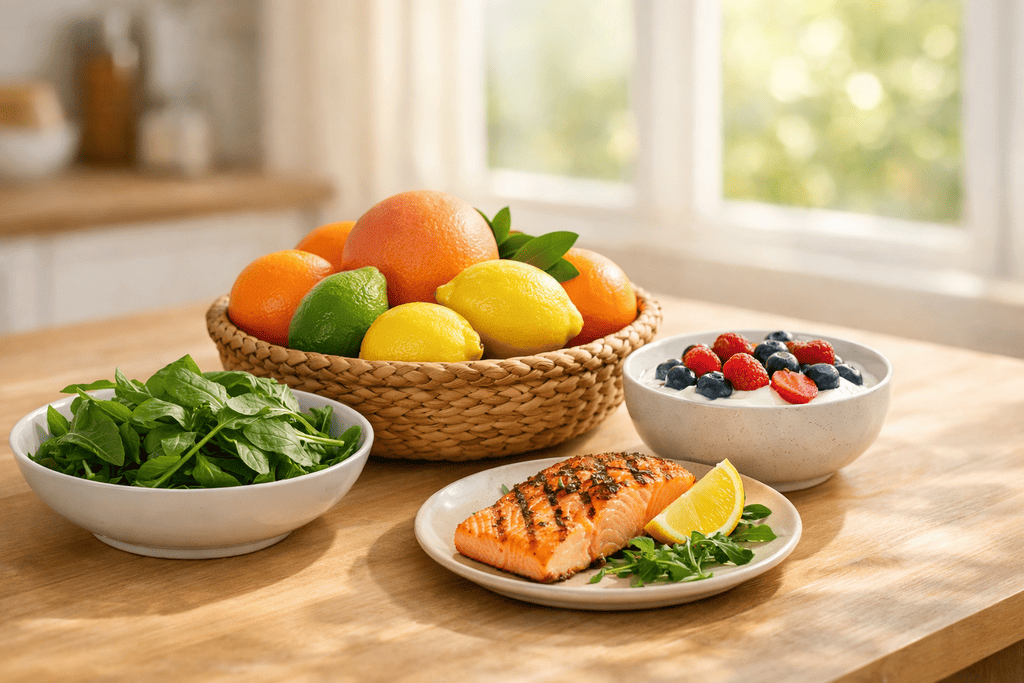
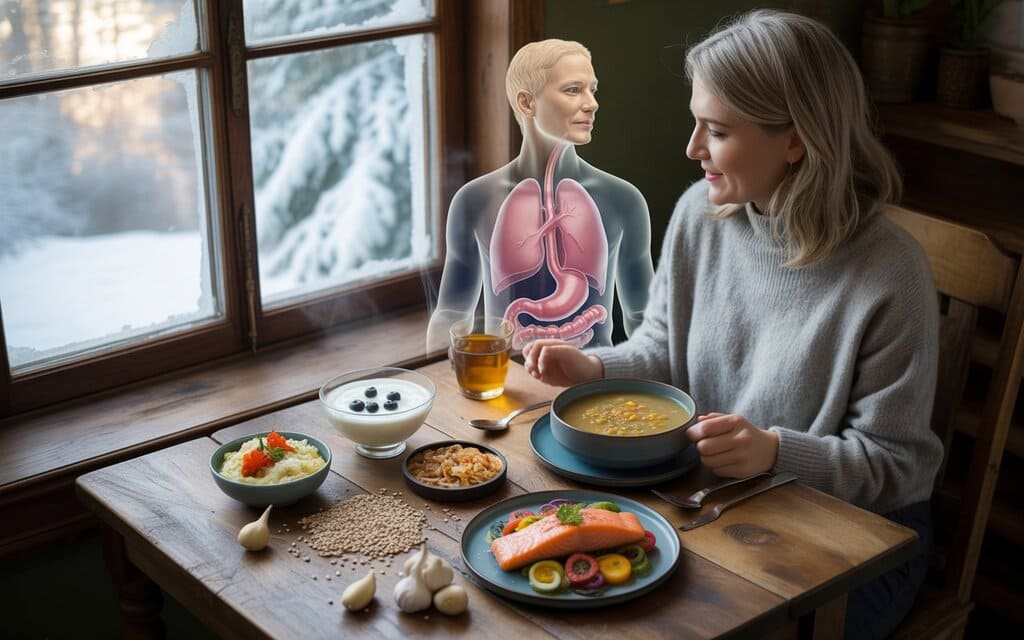
Seasonal transitions between winter and spring may influence immune function, energy levels, and inflammatory responses. Choosing the Best Seasonal Foods to Support the Body Between Winter and Spring may help maintain resilience during fluctuating temperatures and increased allergen exposure. This article reviews science-backed nutritional strategies suitable for all age groups.
Introduction
The transition from winter to spring represents a physiological adjustment period for the body. Fluctuating temperatures, changing daylight hours, and increased pollen exposure can influence immune balance, metabolism, and mood. Research suggests that seasonal changes may alter inflammatory markers, vitamin D status, and susceptibility to respiratory infections.
In this context, focusing on the Best Seasonal Foods to Support the Body Between Winter and Spring may help maintain immune function, regulate inflammation, and support overall vitality. Rather than relying on supplements alone, evidence suggests that whole foods rich in antioxidants, fiber, healthy fats, and probiotics may provide synergistic benefits. This article explores key seasonal foods, the scientific evidence supporting them, and practical strategies for integrating them into a balanced diet.
Why the Body Needs Nutritional Support During Seasonal Transition
Immune System Fluctuations
Colder months are associated with higher rates of respiratory infections. As spring approaches, exposure to allergens increases. Evidence suggests immune modulation is influenced by micronutrient intake, gut microbiota, and fatty acid composition.
Inflammation and Oxidative Stress
Shifts in weather and allergen exposure may increase low-grade inflammation in susceptible individuals. Diets rich in antioxidants may support oxidative balance.
Energy and Mood Changes
Longer daylight hours alter circadian rhythms. Nutritional strategies may support stable energy metabolism and neurotransmitter balance.

Best Seasonal Foods to Support the Body Between Winter and Spring
1. Citrus Fruits (Oranges, Lemons, Grapefruit)
Citrus fruits are widely available in late winter and early spring.
Why They Matter
- Rich in vitamin C
- Contain flavonoids with antioxidant properties
- May support collagen synthesis and immune cell activity
Research published in Nutrients (2020) suggests vitamin C supplementation may reduce the duration of common cold symptoms in certain populations.
Practical Tip: Add fresh lemon to water or consume one orange daily.
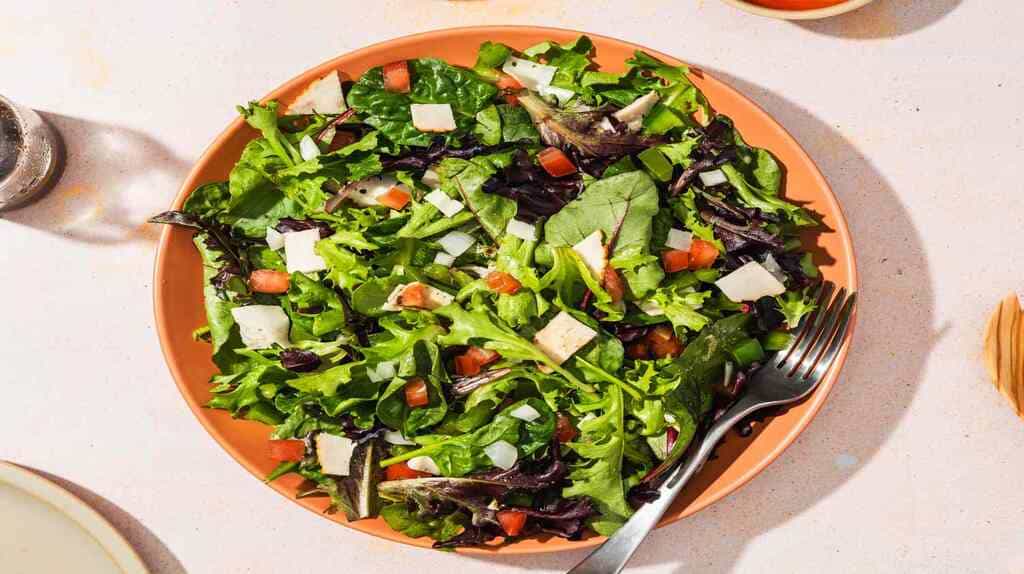
2. Leafy Green Vegetables (Spinach, Arugula, Kale)
Leafy greens become more abundant in early spring.
Nutritional Benefits
- Folate and iron
- Vitamin K
- Polyphenols
A 2019 study in Journal of Clinical Medicine found higher vegetable intake was associated with lower inflammatory biomarkers.
How to Use: Incorporate into salads, smoothies, or lightly sautéed side dishes.
3. Berries (Strawberries, Blueberries)
Early spring marks the arrival of fresh berries in many regions.
Scientific Perspective
- Rich in anthocyanins
- High antioxidant capacity
- May support vascular health
A review in Advances in Nutrition (2021) reported that berry consumption is associated with improved cardiovascular markers and reduced oxidative stress.
4. Fatty Fish (Salmon, Sardines)
Cold-water fish remain seasonally appropriate during this period.
Omega-3 Fatty Acids
- May support immune regulation
- May reduce inflammatory signaling
- May support mood stability
A 2020 review in Frontiers in Immunology concluded that omega-3 fatty acids influence immune cell function and inflammatory pathways.
Recommendation: Consume fatty fish twice weekly if possible.
5. Fermented Foods (Yogurt, Kefir, Sauerkraut)
Gut health plays a central role in immune resilience.
The Microbiome Connection
- Provide probiotics
- Support gut barrier integrity
- May influence systemic immunity
A 2018 review in Nature Reviews Gastroenterology & Hepatology emphasized the role of gut microbiota in immune system regulation.
Comparative Nutritional Overview
| Food Category | Key Nutrient | Primary Benefit | Suggested Intake |
|---|---|---|---|
| Citrus Fruits | Vitamin C | Immune support | 1 serving daily |
| Leafy Greens | Folate, Iron | Inflammation balance | 1–2 cups daily |
| Berries | Anthocyanins | Antioxidant support | ½–1 cup daily |
| Fatty Fish | Omega-3 | Immune modulation | 2 servings weekly |
| Fermented Foods | Probiotics | Gut health | 1 serving daily |
How to Enhance Nutrient Absorption
- Pair vitamin C with plant-based iron to improve absorption.
- Add healthy fats to salads for better fat-soluble vitamin uptake.
- Rotate food sources to increase nutrient diversity.
Evidence suggests dietary synergy may enhance bioavailability compared to isolated nutrients.
Scientific Evidence (Recent Studies)
- Hemilä H. (2020). Vitamin C and respiratory infections. Nutrients.
- Boeing H. et al. (2019). Vegetable intake and inflammation markers. Journal of Clinical Medicine.
- Wallace TC. (2021). Berries and cardiovascular health. Advances in Nutrition.
- Calder PC. (2020). Omega-3 fatty acids and immune function. Frontiers in Immunology.
- Valdes AM et al. (2018). Role of the gut microbiota in nutrition and health. Nature Reviews Gastroenterology & Hepatology.
Research gaps remain regarding long-term seasonal dietary interventions and population-specific responses.
Key Takeaways
- Seasonal transitions may influence immune and inflammatory responses.
- The Best Seasonal Foods to Support the Body Between Winter and Spring are rich in antioxidants and micronutrients.
- Whole foods provide synergistic benefits beyond isolated supplements.
- Gut health plays a significant role in immune balance.
- Omega-3 fatty acids may support inflammatory regulation.
- Dietary diversity strengthens nutritional resilience.
Frequently Asked Questions (FAQ)
Do seasonal foods really affect immunity?
Research suggests nutrient-dense whole foods may support immune cell function and inflammatory balance.
Is vitamin C enough to prevent colds?
Evidence suggests it may reduce symptom duration but does not completely prevent infection.
How often should I eat fatty fish?
Two servings per week are generally recommended for omega-3 intake.
Are probiotics necessary for everyone?
Not necessarily. Fermented foods may support gut health, but needs vary individually.
Suggested Images
1. Seasonal Food Display
- Description: A bright kitchen table with citrus fruits, leafy greens, berries, salmon, and yogurt arranged naturally.
- Filename: best-seasonal-foods-winter-spring.jpg
- Alt Text: Best Seasonal Foods to Support the Body Between Winter and Spring displayed on table
2. Close-Up of Citrus Fruits
- Filename: seasonal-citrus-immune-support.jpg
- Alt Text: Citrus fruits rich in vitamin C for seasonal immune support
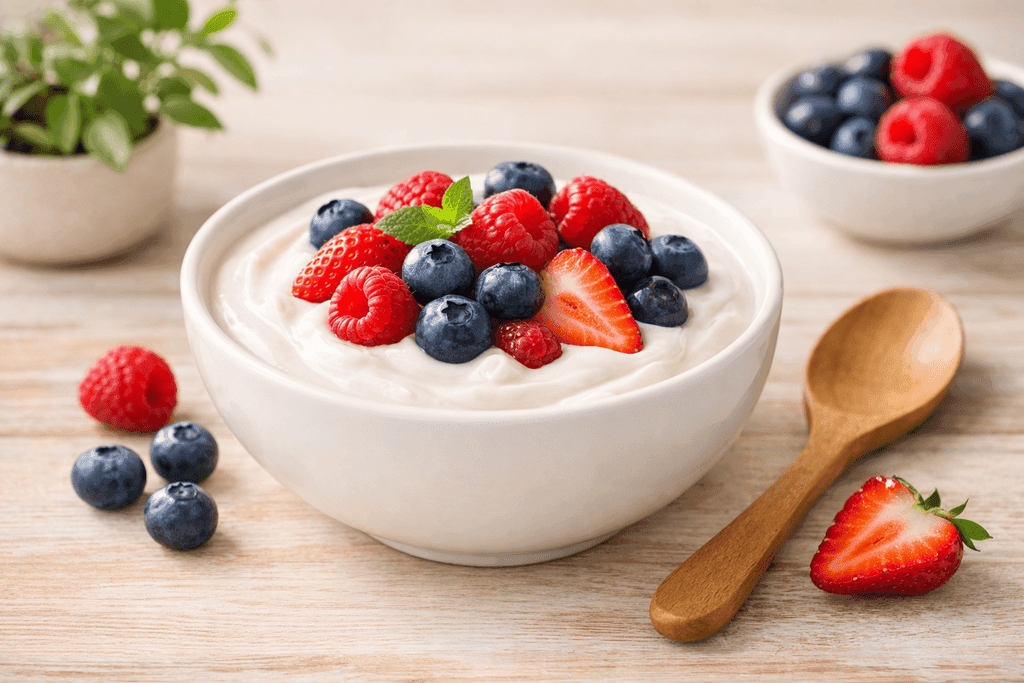
3. Yogurt with Berries
- Filename: probiotic-foods-gut-health-spring.jpg
- Alt Text: Yogurt with berries supporting gut health during seasonal transition
References
- Hemilä H. (2020). Vitamin C and respiratory infections. Nutrients. https://www.mdpi.com/2072-6643/12/4/1151
- Boeing H. et al. (2019). Vegetable intake and inflammation. Journal of Clinical Medicine. https://www.mdpi.com/2077-0383/8/12/2020
- Wallace TC. (2021). Berries and cardiovascular health. Advances in Nutrition. https://academic.oup.com/advances
- Calder PC. (2020). Omega-3 fatty acids and immune function. Frontiers in Immunology. https://www.frontiersin.org
- Valdes AM et al. (2018). Role of the gut microbiota in nutrition and health. Nature Reviews Gastroenterology & Hepatology. https://www.nature.com
Conclusion
Seasonal transitions between winter and spring present unique physiological challenges. Focusing on the Best Seasonal Foods to Support the Body Between Winter and Spring may help maintain immune resilience, manage inflammation, and support energy levels. Evidence suggests that whole, nutrient-dense foods—combined with dietary variety—provide a balanced and sustainable strategy. While nutrition plays a key role, individual health needs and medical conditions should always be considered.
Health Disclaimer
This article is for general informational purposes only and does not replace consultation with a qualified physician for diagnosis or treatment.